REVIEW · LISBON
Lisbon: Historic City Tour by Tuk-Tuk
Book on GetYourGuide →Operated by Let´s Do Trip · Bookable on GetYourGuide
Lisbon by tuk-tuk can turn a long hill crawl into a smooth, breezy ride. This historic city tour focuses on photo-worthy viewpoints and tight walking stops, so you get the old-town vibe without burning your legs. I like that it also mixes famous sights with quieter streets and squares, with a guide who keeps the story moving as you go.
Two things I really like: you’ll get guided stops where you can step out for quick photos and short visits, and you get help pacing the city so you can return to your favorite areas afterward. One consideration: if you sit farther back, it can be harder to hear the guide, so choosing the best seats can matter.
In This Review
- Key Highlights You’ll Feel Immediately
- Why Lisbon’s Hills Are Actually the Point
- Choosing the Right Duration: Quick Overview vs. More Neighborhood Time
- Pickup and Drop-Off: Making Logistics Less Stressful
- Electric Tuk-Tuk Ride Comfort (and What to Expect Between Stops)
- The Route: What Each Stop Is Really For
- Lisbon Cathedral Area (Starting Photo Stop)
- Museum of Lisbon – Roman Theater (Roman Reminders)
- Santa Luzia and Portas do Sol Viewpoints (Tiles and Angles)
- Graca and Senhora do Monte (Where the City Opens Up)
- São Vicente de Fora and Its Tilework Moment
- Flea Market Snap-and-Look (If You Want Local Texture)
- National Pantheon of Santa Engracia (Stop for the Visual Payoff)
- Santa Apolónia and Alfama (Old Streets, Big Vibes)
- Fado Museum Stop (Music History on the Route)
- Chafariz d’El-Rei (A Quick but Nice Detail)
- Commerce Square and Rua Augusta Arch (Central Lisbon Classics)
- Mercado da Ribeira and Pink Street (Modern Pulse and Color)
- Photo Stops Done Right: How to Get Better Results in Less Time
- Guides Make or Break It: The Human Factor in Lisbon
- Skip-the-Line and Separate Entrance: Saving Your Energy for Sightseeing
- Price and Value: What You’re Really Paying For
- Who This Tuk-Tuk Tour Is Best For
- When You Might Want a Different Plan
- Should You Book This Lisbon Historic Tuk-Tuk Tour?
- FAQ
- What does the tour include?
- How long is the tour?
- Are there language options for the guide?
- Is there a pickup option?
- How does the guide contact you before pickup?
- Where can the tour drop you off?
- Does the tour help you avoid long lines?
- Is the tour suitable for children, wheelchair users, or pregnant travelers?
- What should I bring if I want good photos?
Key Highlights You’ll Feel Immediately

- Electric tuk-tuk comfort for moving through Lisbon’s steep, twisty old streets
- Miradouros photo stops built into the route so views are not left to chance
- Short guided visits that help you understand what you’re looking at
- Guides who take pictures and adjust to your interests when possible
- Optional starting points near the Fado Museum or Time Out Market area
Why Lisbon’s Hills Are Actually the Point
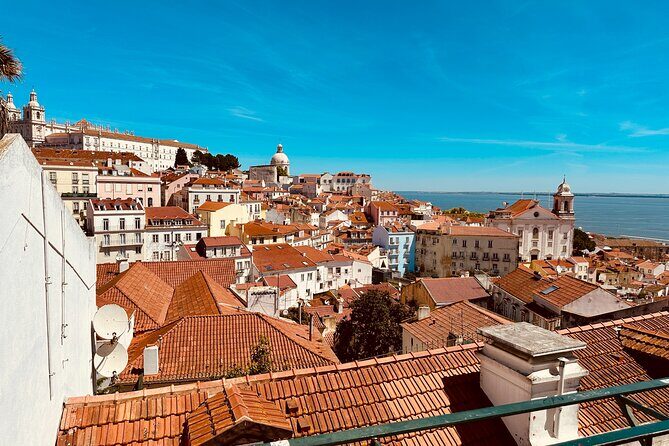
Lisbon is gorgeous, but it’s also steep. That’s the whole trick with this tuk-tuk tour: the vehicle does the heavy lifting, while you do the fun part—looking up, pointing at tiles, and grabbing photos at the best corners. You still feel like you’re inside the neighborhoods, but you’re not grinding uphill for every single stop.
What makes the experience work is the rhythm. You move by tuk-tuk between viewpoints and landmarks, then you get brief moments on foot to actually see details up close. That matters in Lisbon because the charm isn’t just in the big buildings—it’s in the azulejos (blue tilework), the stairways, the small churches, and the sudden panoramic reveals.
I also like that you’re not stuck in one mode all day. There’s a mix of guided time and photo time. One minute you’re learning why a place matters; the next minute you’re free to frame a shot or just watch the light change over the rooftops.
One more practical note: this isn’t a wheelchair-friendly format, and it also isn’t listed as suitable for young kids under 6 or for pregnant travelers. If you fit the general physical requirements, it’s a really smart way to see Lisbon without turning your trip into a nonstop hike.
You can also read our reviews of more city tours in Lisbon


Choosing the Right Duration: Quick Overview vs. More Neighborhood Time
The tour runs from short options up to about 3.5 hours, depending on what you book. The shorter you choose, the more you’ll treat it like a fast orientation: you’ll hit the major neighborhoods and key viewpoints, then you can go back and explore on your own.
The longer version tends to feel more satisfying because Lisbon rewards lingering. You’ll spend more time around the Alfama and Graça-area viewpoints, where the city opens up and the details start to make sense. In one full-length experience I saw, the tour pace still felt brisk—just long enough that people could take photos at every stop without constantly feeling rushed.
A good rule: if this is your first day and you want to get your bearings fast, pick the longest you reasonably can. If you’re already walking a lot or you only have a half-day, the shorter tour is still an efficient way to get the big highlights.
Pickup and Drop-Off: Making Logistics Less Stressful
The tour is designed around easy meetups and convenient drop-offs, which is a big deal in Lisbon where you can lose time just figuring out where you are. Pickup is optional, and it depends on which starting add-on you choose.
If you select Fado, you meet in front of the Fado Museum. The guide picks you up about 5 minutes before the tour starts and sends a message about 10 minutes before via WhatsApp or a direct call. If you pick Time Out, the meeting point is behind the Time Out Market garden area, and the same timing method applies.
At the end, you get multiple drop-off locations, including Sophia – Natural Italian, Time Out Market, Rua do Cais de Santarém, Largo do Chafariz de Dentro 1, and the Museu do Fado. That flexibility helps a lot. You can end near dinner, a shopping street, or another attraction instead of fighting your way back uphill.
Tip: arrive a few minutes early and plan to be at the exact meeting point your guide messages. Lisbon streets can be confusing, and you don’t want to waste the first 10 minutes wandering.
Electric Tuk-Tuk Ride Comfort (and What to Expect Between Stops)
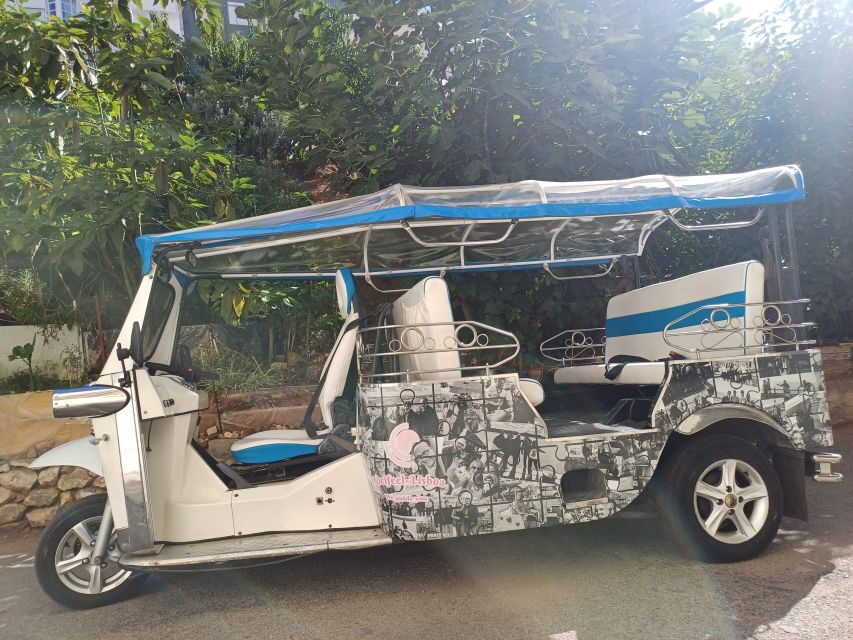
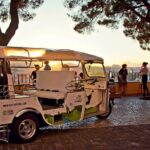
The ride itself is in an electric tuk-tuk, described as comfortable and eco-friendly. In practice, that usually means smoother navigation through narrow streets and an easier time dealing with hills than walking would give you.
You’ll get a small-group feel on many departures, with some tours being private. That’s one reason the stop plan feels workable: the driver and guide can manage photo stops without the group stretching out too far.
The biggest comfort variable isn’t the tuk-tuk—it’s your position. Several people noted that hearing the guide can be tough at times, and that seats near the front are better. If you care about understanding every detail, pick the front spots when you can.
Weather matters too. Even in rain, guides were reported to keep things moving and manage the day well, but you should still bring something for yourself. A tuk-tuk ride can still mean you’ll get a bit of mist while moving between viewpoints.
The Route: What Each Stop Is Really For

This tour has a smart backbone: churches and landmarks to orient you, then a chain of miradouro viewpoints to show Lisbon from above, and finally central Lisbon sights for classic city-photo energy.
Here’s how the main stops come across in real life:
You can also read our reviews of more historical tours in Lisbon




Lisbon Cathedral Area (Starting Photo Stop)
You start with a short stop at Lisbon Cathedral. It’s quick, but it sets the tone because it anchors you in old Lisbon right away. You get a chance to see it from the outside and get some guided context before you move on.
Why it’s worth the first stop: it gives you a historical reference point, so later when you’re in Alfama and Graça, you’re not just looking at pretty buildings—you’re seeing layers of the city’s past.
Possible drawback: because it’s short, you won’t get a deep visit unless you choose to return later.
Museum of Lisbon – Roman Theater (Roman Reminders)
Next is the Museum of Lisbon – Roman Theater area. This stop is another brief one, but it helps expand Lisbon beyond its medieval reputation. Even if you don’t spend long inside, the guided explanation makes the layers feel connected.
Why this matters: Lisbon’s story isn’t one straight timeline. You’ll see that better after you learn how different eras left marks.
Santa Luzia and Portas do Sol Viewpoints (Tiles and Angles)
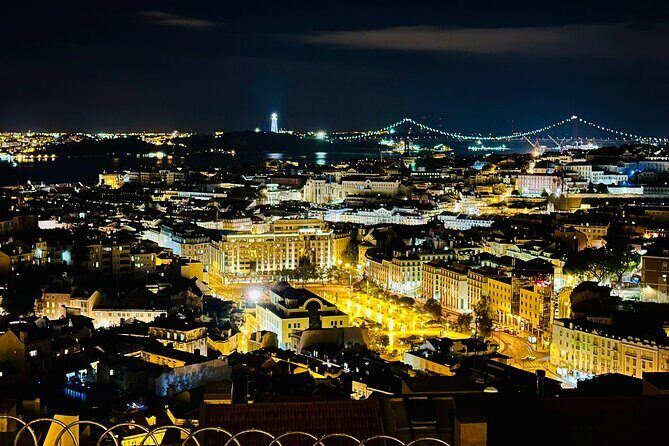
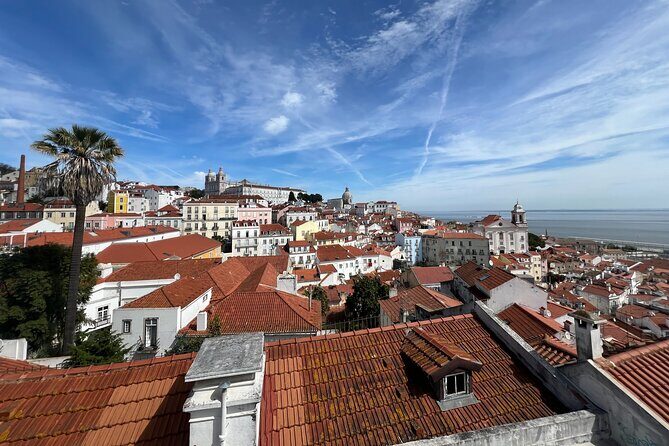
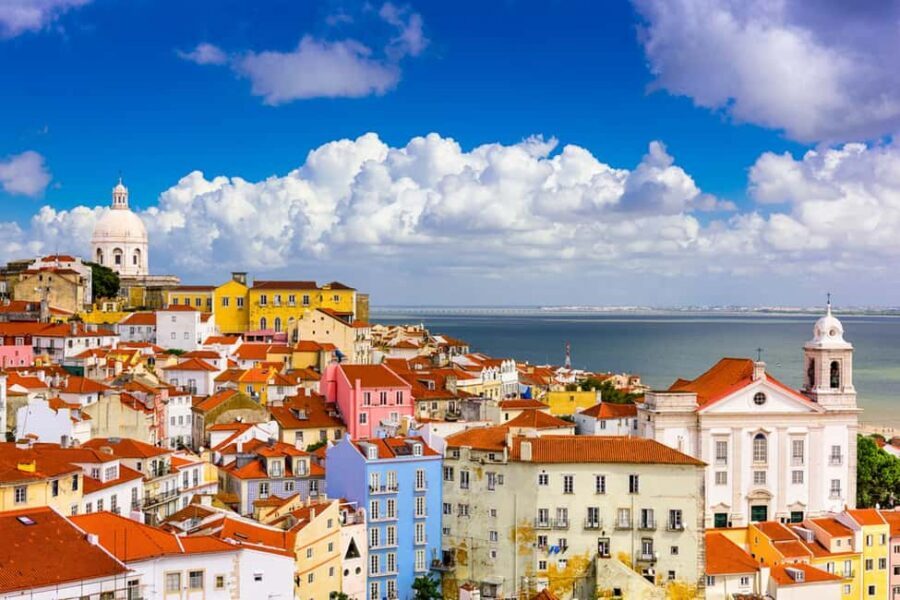
Then you hit two classic viewpoint stops: Miradouro de Santa Luzia and Miradouro das Portas do Sol. These are made for photos. The view is the headline, but the design is also part of the story—notice how the spaces frame the city like a picture window.
If you love azulejos, you’ll likely enjoy this stretch. The tiles and the viewpoint structures create that unmistakable Lisbon look, even for short stops.
Graca and Senhora do Monte (Where the City Opens Up)
After that, you move through Miradouro da Graça and into Miradouro da Senhora do Monte, then the Graça Historic District. This is where the tour shifts from quick landmark checks into that special Lisbon feeling—high up, looking out, and feeling the neighborhoods spread below you.
A major practical value here: these viewpoints save you from doing the uphill slog just to reach the best angles. You get to experience the views without planning your whole day around staircases.
São Vicente de Fora and Its Tilework Moment
You’ll stop at São Vicente de Fora. One reason this is a standout on the route is that the tilework and interior elements can be really rewarding if you get the chance to spend a little time there. Even when the guided stop is short, it’s often enough to give you a strong impression and a reason to come back for more.
Flea Market Snap-and-Look (If You Want Local Texture)
You also pass by the Lisbon Flea Market area. This stop is listed as a very short visit and photo stop, so it’s not a shopping binge. But it’s a useful flavor stop: it helps you feel Lisbon as a living city, not just a museum city.
National Pantheon of Santa Engracia (Stop for the Visual Payoff)
Next is National Pantheon of Santa Engracia. It’s another stop where you get guided context plus a brief look. This one tends to be appreciated because it’s photogenic and interesting in a way that’s easier to spot once you know what you’re looking at.
Santa Apolónia and Alfama (Old Streets, Big Vibes)
Santa Apolónia follows, then you spend time at Alfama. Alfama is one of the main reasons you choose a tuk-tuk tour at all: you get a quick guided walk element without exhausting yourself. You can step out, look at the streets, and still cover multiple areas.
Fado Museum Stop (Music History on the Route)
There’s an Fado Museum stop, with photos and a short guided visit. The tour also offers a pickup option that begins near this area. Even if you don’t turn it into a long museum visit, this stop helps you understand how fado fits into Lisbon identity.
Chafariz d’El-Rei (A Quick but Nice Detail)
You stop at Chafariz d’El-Rei. It’s short—more of a photo and quick visit type of stop—but fountains like this are the sort of Lisbon detail that makes the city feel specific and human.
Commerce Square and Rua Augusta Arch (Central Lisbon Classics)
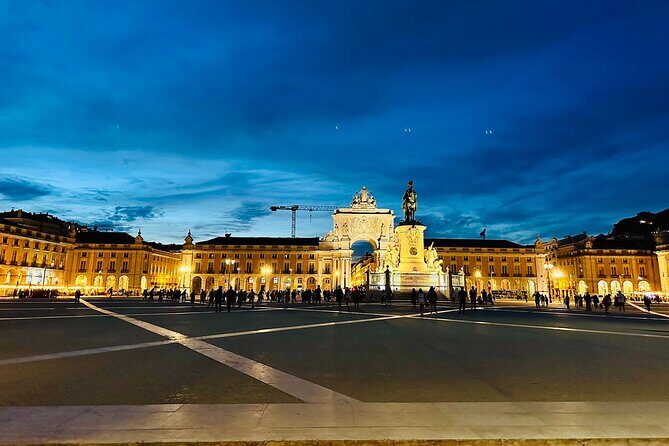
Then you roll into the big central landmarks: Commerce Square, followed by the Rua Augusta Arch. These stops are more “classic Lisbon postcard” than the hilltop miradouros, and that contrast is useful. It helps you see the city’s two faces: the dramatic old quarters and the grand central spaces.
For photos, this is a great stretch because the angles are different and the vibe is more open.
Mercado da Ribeira and Pink Street (Modern Pulse and Color)
Later you reach Mercado da Ribeira and the Pink Street stop. These are short, but they’re perfect if you want your day to include a bit of contemporary Lisbon energy, not only historic neighborhoods.
Photo Stops Done Right: How to Get Better Results in Less Time
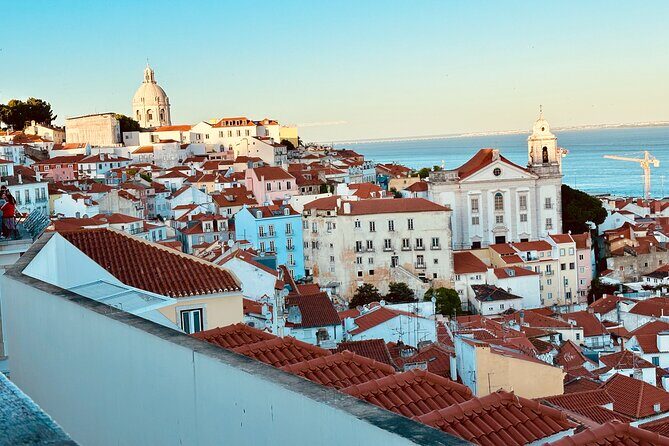
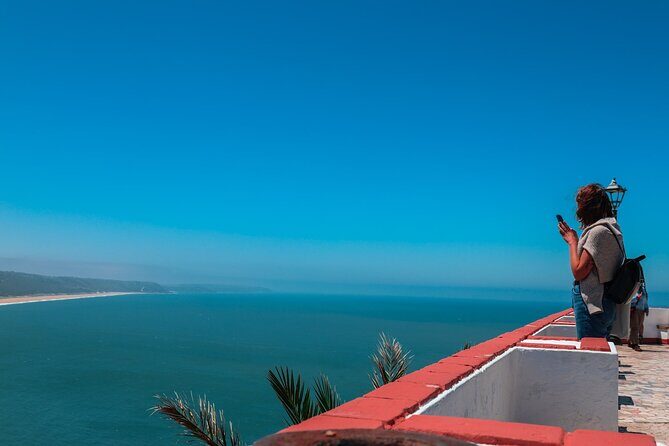
One of the most praised parts of this tour is how well it handles photos. The guide doesn’t just drive past viewpoints. You typically get a few minutes at each miradouro and landmark for pictures, and some guides are reported to be skilled at taking photos of the group.
Here’s how to get more out of each stop:
- Think of each viewpoint as a frame set, not a museum. Spend the first minute finding your angle, then do the rest of your shots.
- If you’re traveling with people, agree on a meeting point for regrouping. The stops are timed, and Lisbon streets move you quickly.
- For hearing the guide, try to sit toward the front. It can reduce the chance you miss the context that makes the view more meaningful.
Also, because you’re getting guided explanation plus photo time, your pictures will look better later. It’s easier to remember what you photographed when you know why that spot matters.
Guides Make or Break It: The Human Factor in Lisbon

This is one of those tours where the guide quality shows up in small ways. Many experiences praised guides like Mahmudul, Arif/Ariff, Asif, Afid, Belah, and MD Humon for being friendly, punctual, and responsive.
A few specific patterns came through:
- Guides were described as patient and willing to answer questions.
- Some guides adjusted the day when Lisbon threw curveballs, like street closures during festivals.
- Several guides helped people with photos directly, not just pointing at buildings.
That matters because Lisbon can confuse even experienced travelers. A good guide turns confusion into context fast—why that neighborhood is built that way, what those tiles might be telling you, and where you should look next.
Skip-the-Line and Separate Entrance: Saving Your Energy for Sightseeing
The tour includes a way to skip the line through a separate entrance. The exact sites where this applies aren’t listed as a map here, but the value is clear: you spend less time waiting and more time actually seeing.
This is especially helpful at popular places where queues can eat your schedule. In a tight multi-stop itinerary, time saved at one location can make the difference between feeling rushed and feeling relaxed.
Price and Value: What You’re Really Paying For

The listed price is shown as about $1.02 per person, which is so low it makes you pause. In reality, this kind of price often reflects promotional availability and varies by date and option.
Still, even if you assume the price can be higher depending on the exact booking option, what you’re buying is not just transportation. You’re paying for:
- electric tuk-tuk transport through steep streets,
- a live guide,
- insurance,
- and a stop plan that includes multiple viewpoint moments plus guided context,
- with free photos included.
That’s strong value if you want an overview quickly. It’s less ideal if you already love slow wandering and you have energy for hills and lots of walking—because you may feel tempted to explore longer on your own rather than follow a set sequence.
Who This Tuk-Tuk Tour Is Best For
I think this fits best if you:
- want a fast orientation to Lisbon’s layout,
- care about viewpoint photos and want them built into the schedule,
- would rather not spend your vacation grinding uphill,
- and like learning just enough to make your later self-guided walks easier.
It’s also a decent choice for couples, solo travelers, and families (as long as kids meet the minimum age listed). If you’re coming with teens, one reason it landed well is that the viewpoints and quick stops make the day feel like an experience, not a lecture.
When You Might Want a Different Plan
Consider skipping or adjusting your expectations if:
- you strongly prefer long museum visits over short guided stops,
- you need wheelchair access (it’s not listed as suitable),
- you’re traveling with someone under 6, or
- you’re traveling with someone who should avoid this type of vehicle tour (pregnancy is listed as not suitable).
And if you know you struggle with audio in busy places, go for the better seats so you don’t miss the guide’s context.
Should You Book This Lisbon Historic Tuk-Tuk Tour?
If you want an efficient, low-effort way to see a lot of Lisbon’s signature sights—especially viewpoints like Santa Luzia, Portas do Sol, and Senhora do Monte—this tour is an excellent match. The biggest selling point is the combination of transport + guided stops + photo time, so you leave with both memories and understanding.
My call: book it if this is your first time in Lisbon and you want your legs saved for later exploring. Book a shorter duration only if your schedule is tight; otherwise, the longer option tends to feel more complete, especially around the hilltop neighborhoods.
FAQ
What does the tour include?
It includes transportation by electric tuk-tuk, a tour guide, insurance, and a private tuk-tuk tour option. Free photos and a guided tuk-tuk tour are also included.
How long is the tour?
The duration is listed as from 1 minute up to 3.5 hours, depending on the option you select, with starting times shown when you check availability.
Are there language options for the guide?
Yes. Live tour guide languages listed are English, Greek, and French.
Is there a pickup option?
Pickup is optional and depends on your selected option. For Fado, you meet in front of the Fado Museum. For Time Out, you wait near the Sophia Restaurant behind the Time Out Market garden site corner.
How does the guide contact you before pickup?
For the pickup options, the guide will pick you up about 5 minutes before the start time and will send you a message about 10 minutes before via WhatsApp or direct phone call.
Where can the tour drop you off?
There are five drop-off locations listed: Sophia – Natural Italian, Time Out Market, Rua do Cais de Santarém, Largo do Chafariz de Dentro 1, and Museu do Fado.
Does the tour help you avoid long lines?
Yes. It includes skip-the-line access through a separate entrance.
Is the tour suitable for children, wheelchair users, or pregnant travelers?
It is not suitable for children under 6 years, wheelchair users, or pregnant women.
What should I bring if I want good photos?
Bring your camera/phone and be ready to step out at each photo stop for a short window. Free photos are included, but you’ll still want your own device for angles and quick shots.