REVIEW · LISBON
Lisbon: Local Market, Food, and Culture Walking Tour
Book on GetYourGuide →Operated by The Cooltours (Lisbon) · Bookable on GetYourGuide
Lisbon tastes better on foot. This 3-hour local market and food walking tour is a smart way to learn the city’s story through what people actually buy and eat, from downtown shopfronts to classic riverside bites. I especially like how the guide uses each stop to connect Lisbon’s everyday life to the flavors you’re sampling.
My second favorite part is the route itself: you get a ferry ride and Lisbon views, then switch to seafood-focused Cacilhas on the south bank. The only real drawback is that it’s a lot of walking in a short time, so wear comfortable shoes and plan for pace over lingering.
In This Review
- Key highlights at a glance
- Entering Lisbon’s food scene at Time Out Market Lisboa
- Mercado da Ribeira: where the snacks feel like local routine
- The ferry gap: views plus a real shift in Lisbon’s rhythm
- Cacilhas and Margem Sul: seafood is the star
- Baixa de Lisboa: tastings that connect food to city layout
- Rossio Square: the finish line and a useful starting point
- The guides: why the explanations matter as much as the food
- What you’re really paying for: value of $82 in 3 hours
- Who this Lisbon tour fits best (and who should skip)
- FAQ
- How long is the Lisbon Local Market, Food, and Culture Walking Tour?
- Where do we meet for the tour?
- What kinds of food and drinks are included?
- How big is the group?
- What languages are offered?
- Is it suitable for people with mobility impairments or pregnancy?
- Should you book this Lisbon food-and-culture walking tour?
Key highlights at a glance
- Start at Time Out Market Lisboa for a quick coffee-and-custard-tart start that sets the tone
- Eat your way through two sides of Lisbon with tastings in downtown and then seafood in Cacilhas
- Take the ferry for skyline views without wasting time figuring out transport
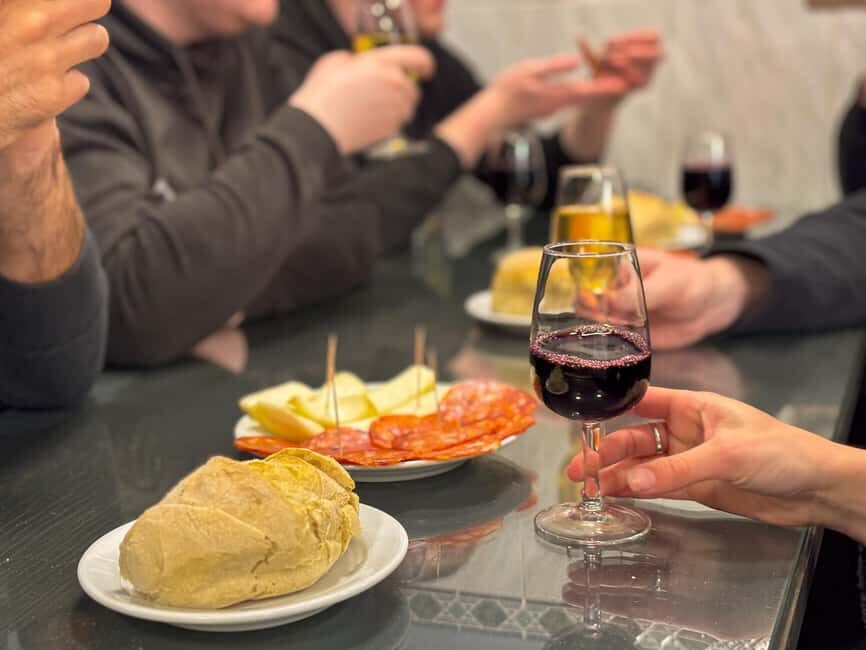
- Taste Lisbon classics in a planned order including Pastel de Nata, ginjinha, and bifana
- Small group size (12 max) keeps the guide’s explanations human and your questions easy
- Guides make it practical, with past leaders including Luis, Bruno, Alexandra, and Tania
Entering Lisbon’s food scene at Time Out Market Lisboa

This tour starts at the front entrance of Time Out Market Lisboa on the river side. That’s a useful starting point because you’re right where the action is, with plenty of energy but still easy for a group to meet and move out together.
Time Out Market Lisboa kicks things off with a Portuguese style breakfast break. You’ll get a coffee and a Pastel de Nata (custard tart) early, which is perfect for two reasons: it gives you a sugar hit before you start walking, and it puts you in the mindset of Portuguese comfort food right away. The tour then uses the market atmosphere as a quick primer on how Lisbon eats day to day.
A small timing note worth listening to: this market can be winding down by around 2pm, so arriving at the correct start time matters if you want the full “market feel” during your visit. If your Lisbon day includes museums or viewpoints earlier, just don’t overbook this slot.
You can also read our reviews of more walking tours in Lisbon


Mercado da Ribeira: where the snacks feel like local routine

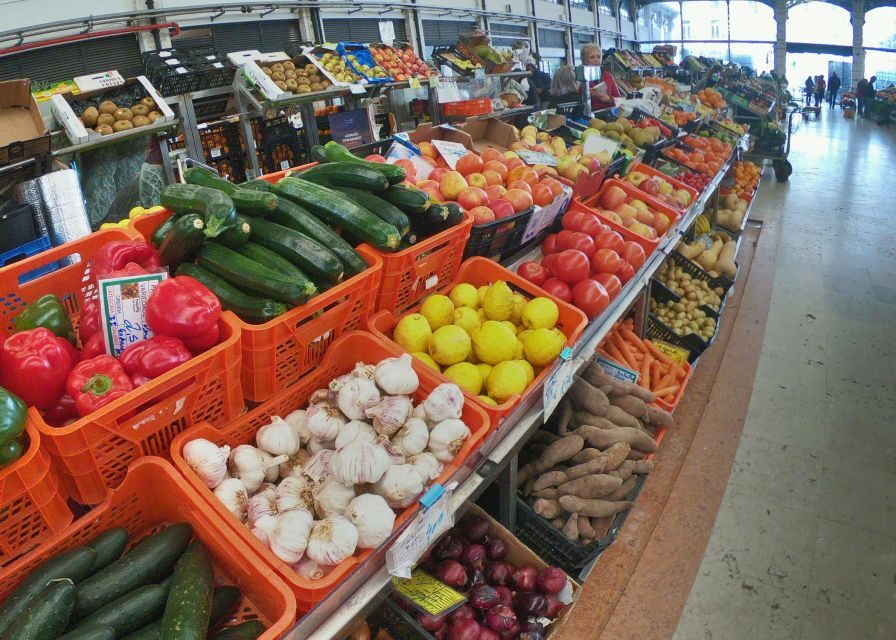
After the first stop, you’ll head to Mercado da Ribeira. There’s a photo stop plus a food tasting window of about 30 minutes. This part is less about one showpiece item and more about getting used to the style of eating in Lisbon—small portions, shared plates, and flavors that range from savory to tangy.
This is also where you start noticing the balance the tour is aiming for. You’re not just eating one theme. You’re tasting the logic of Portuguese meals: something sweet early, then salty and more savory options as you move through the city.
One practical benefit for you: the tasting is scheduled, so you’re not stuck standing in line trying to decide what to pick. You get guided choices like Portuguese coffee, and you’ll also be introduced to classics that help you order smarter later on your own.
If you have any food restrictions, you should tell the provider in advance so they can arrange alternatives. The tour data specifically says they’ll have time to make necessary arrangements when you inform them ahead of time.
The ferry gap: views plus a real shift in Lisbon’s rhythm
Then comes the part that turns a food walk into a Lisbon experience: you take a ferry across the river. The ferry time is about 15 minutes each way, and that short stretch does a lot.
First, it changes the scenery fast. You get river air, a break from the pavement, and a better sense of how Lisbon is built around its water routes. Second, it helps explain why seafood is such a big deal here. It’s not just a food choice—it’s tied to geography and daily life.
This tour is also built around the idea of momentum. You’ll eat, walk, ferry, eat again. That keeps you from feeling like you’re just chasing stops on a checklist. It also makes the route more interesting than staying in one neighborhood.
Cacilhas and Margem Sul: seafood is the star
On the south bank, you reach Cacilhas. This is where the tour really leans into seafood, with a tasting segment of about 45 minutes. It’s a great pairing with the ferry ride because your senses catch up: after the city view, you’re ready for flavors that feel coastal and straightforward.
In Cacilhas, you’ll taste items such as soup and a shrimp patty. That’s a useful mix because Portuguese seafood isn’t only “fresh fish on a plate.” You also get cooked textures—broth, patties, and other comfort-food formats that are easy to understand and remember.
This part of the tour is also a confidence builder. If you’ve ever worried about seafood menus in a foreign language, the tour gives you a small, guided way to try things without guessing. And you’ll get a better feel for how people on the south bank live and eat, which adds context to Lisbon beyond the typical postcard areas.
I also like that you get a view of Lisbon from the water. You’re not just walking around trying to find a scenic corner—you’re getting a scenic route as part of the program.
Baixa de Lisboa: tastings that connect food to city layout
Back on the other side, you move into Baixa de Lisboa for another tasting stretch of about 45 minutes. Baixa is downtown Lisbon, where the streets feel like they were designed for getting around. It’s the kind of area where you’ll notice how people move—especially during lunch hours.
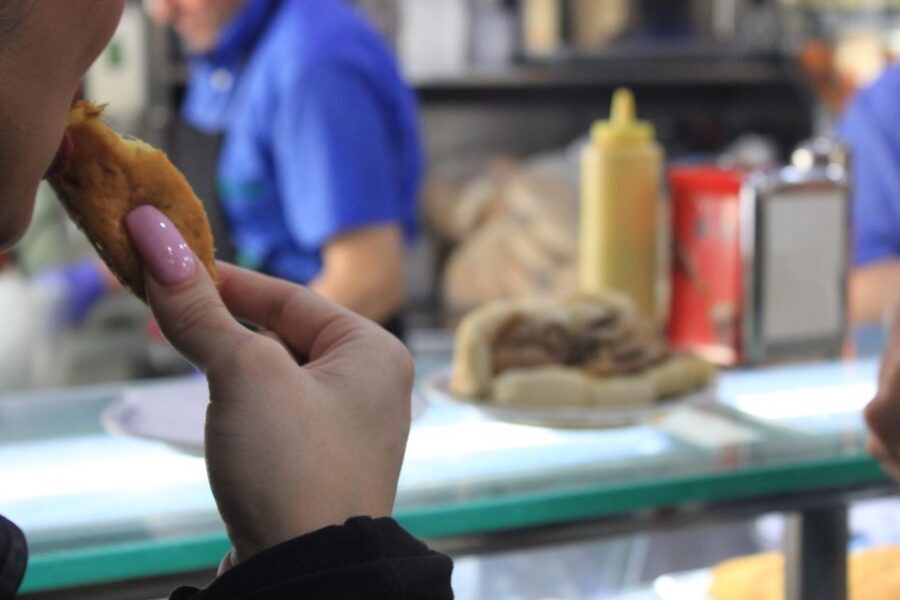
This stop is important because it grounds the tour in the city’s center. After seafood and river views, the flavors shift again into classic Lisbon street-food territory. The tasting lineup includes bifana and more salty delicacies, plus wine and cheese tastings as part of the full package.
Even though you’re focused on food, you’ll also hear how Lisbon’s downtown shape ties into history and everyday movement. That’s one of the reasons a walking tour works: the city layout becomes part of the explanation. You don’t just read about the place; you feel it under your feet and in how you navigate the blocks.
And yes, this is still about eating. You’re getting enough tastings to feel like you had a meal, but not so much that it turns into food coma mode.
You can also read our reviews of more food & drink experiences in Lisbon




Rossio Square: the finish line and a useful starting point
You end at Rossio Square, with a final tasting segment of about 45 minutes. This is a smart way to wrap the experience because Rossio is central and easy to build the rest of your day around.
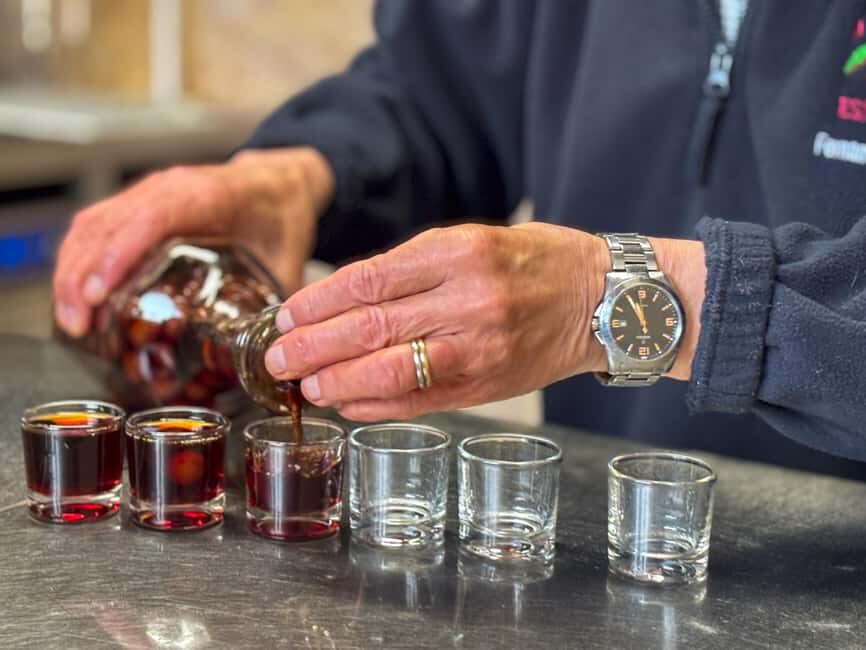
A final food stop at the end also gives you a practical takeaway: you’ll likely leave with a short list of what you loved. Maybe it’s ginjinha (cherry liqueur), maybe it’s another savory bite you can spot again later. The tour includes tastings that cover sweet and savory, so you’re better prepared for your next self-guided snack hunt.
Rossio also works well for transport and planning. After a 3-hour walking tour, you don’t want to finish in some far corner with limited options. Ending in the downtown core makes your next move easier.
And if you still want to keep eating after the tour, you’ll be better at recognizing what’s “normal” versus what’s just a tourist trap. The whole point is to help you understand how locals snack and shop.
The guides: why the explanations matter as much as the food
A tour like this rises or falls on the guide. The good news is that this experience is built around a professional but informal local guide, and the small-group format helps a lot.
Past departures have been led by guides like Luis, Bruno, Alexandra, and Tania—and the consistent theme is that they mix history and culture into what you’re eating without making it feel like a lecture. That balance is exactly what you want on a food tour. You get answers while you’re still hungry, not after.
Also, the tour runs in languages like Spanish, English, and Portuguese, with a note that you may hear more than one language during the experience (max two). So if you’re relying on one language for comfort, it’s worth checking the day’s language setup.
If you ask questions, you’ll get them. One of the best parts of small-group tours is that you can actually speak up without waiting for a microphone moment.
What you’re really paying for: value of $82 in 3 hours
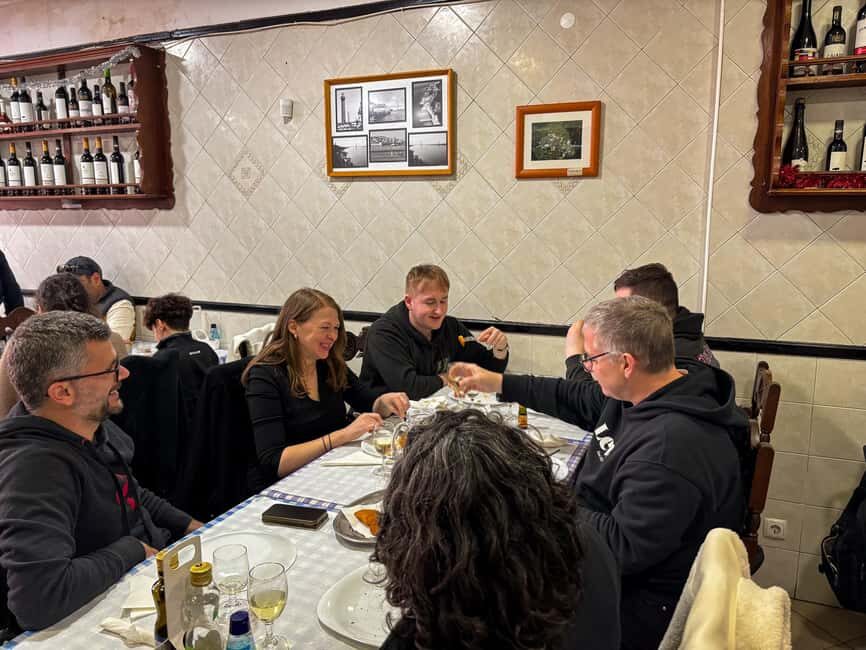
At $82 per person for about 3 hours, the price isn’t “cheap,” but it’s not just about walking and taking photos either. You’re paying for a structured route, a small-group guide (12 max), and multiple tastings that include Pastel de Nata, ginjinha, bifana, fish soup, salty delicacies, Portuguese coffee, plus wine and cheese.
You’re also getting ferry time built into the route. Even though you’re not told every log detail in the listing-style information, the itinerary clearly includes ferry crossings, which helps you avoid the hassle of planning and coordinating that part on your own.
So the value question becomes simple: do you want to eat a bunch of Portuguese classics without spending time figuring out what to order and where to go? If yes, this price makes sense. If you’d rather spend your day picking places freely and you’re comfortable doing the planning yourself, you might not need a guided structure.
One more reality check: it’s a short duration with real walking. That means you should go in ready to move and eat. If you prefer slow wandering, this might feel like a sprint.
Who this Lisbon tour fits best (and who should skip)
This tour is a strong match if you want:
- a food-first introduction to Lisbon’s culture
- a downtown walking route plus a river crossing
- tastings of classics like Pastel de Nata, ginjinha, bifana, and fish soup
- a small group so you can talk with the guide
It’s also ideal if you like the idea of learning while doing. Instead of “museum learning,” you’re learning through what people eat, buy, and serve.
But it’s not for everyone. The information says it’s not suitable for pregnant women and not suitable for people with mobility impairments or wheelchair users. The reason is straightforward: there’s considerable walking, and the tour includes ferry transfers.
So if you’re traveling with limited mobility, you’ll likely enjoy Lisbon more with a lower-walking plan. If you can walk comfortably, you’ll be fine—just bring comfortable shoes and plan for time on your feet.
Also bring a bottle of water. In summer, bring sunscreen. In winter, it gets cold, so a jacket helps.
FAQ
How long is the Lisbon Local Market, Food, and Culture Walking Tour?
The tour lasts about 3 hours.
Where do we meet for the tour?
Meet at the front of the entrance of Time Out Market Lisboa on the river side.
What kinds of food and drinks are included?
Included tastings include Pastel de Nata, ginjinha, bifana, fish soup, salty delicacies, Portuguese coffee, wine taste, and cheese.
How big is the group?
It’s a small-group tour with a maximum of 12 people.
What languages are offered?
The tour guide speaks Spanish, English, and Portuguese (and you may hear more than one language during the tour, up to two).
Is it suitable for people with mobility impairments or pregnancy?
No. It’s not suitable for pregnant women or people with mobility impairments, and it’s not for wheelchair users.
Should you book this Lisbon food-and-culture walking tour?
If you’re in Lisbon for a short stay and you want a high-impact way to understand the city through eating, I think this is a good booking. You get markets, a planned tasting lineup, and a ferry ride that adds views and context in one move—plus a small group that makes the guide feel part of your day, not like a distant voice.
Book it if you’re comfortable with walking and you want structure. Skip it if you need a low-mobility plan or you prefer to choose food stops entirely on your own rhythm.