
REVIEW · LISBON
Lisbon: Guided Port Wine Tasting Apéritif/Digestif
Book on GetYourGuide →Operated by From The Vine · Bookable on GetYourGuide
Six ports in one calm hour.
This guided tasting in Lisbon is a friendly way to understand port without getting stuck in wine-snob rules. You’ll sample 6 different port wines in one session, and a guide walks you through the wine-making process and the history of port. Even if you only casually drink wine, you’ll learn how to taste each glass with more intention than just sip-and-swish.
What I like most is the variety: you taste a red tawny, red ruby, white, rosé, a reserve, and a 10-year-old port—so you can actually compare styles, not just drink more of the same. I also love the small-group feel (limited to 10), because guides such as Caio and Jorge are repeatedly praised for keeping the pace relaxed while still answering questions and teaching you how to appreciate the differences.
One thing to consider: this is set up as a wine bar tasting, so the vibe may feel more like a modern bar room than a super traditional Portuguese wine cellar. If you’re picky about atmosphere, you might want to arrive ready to focus on the wine and conversation rather than the decor.
In This Review
- Key highlights worth your time
- From The Vine tasting bar: what the setting is really like
- The main event: your six-port comparison
- 1) Red tawny: smooth and mellow
- 2) Red ruby: bright and fruity
- 3) White port: crisp and refreshing
- 4) Rosé port: light and floral
- 5) Port reserve: robust and aged
- 6) 10-year-old port: complex and rich
- How you’re taught to taste (so it actually sticks)
- Sweet and savory snacks: why this pairing helps
- Timing and pacing: how an hour feels in practice
- Price and value: what $28 buys you in Lisbon
- Who should book this port tasting (and who might skip)
- Should you book this Lisbon port tasting?
- FAQ
- How much does the Lisbon port tasting cost?
- How long is the guided experience?
- What port wines will I taste?
- What’s included in the price?
- What languages are the guides?
- Is there a minimum age to join?
- Is the venue wheelchair accessible?
- Is it okay if I smoke?
Key highlights worth your time
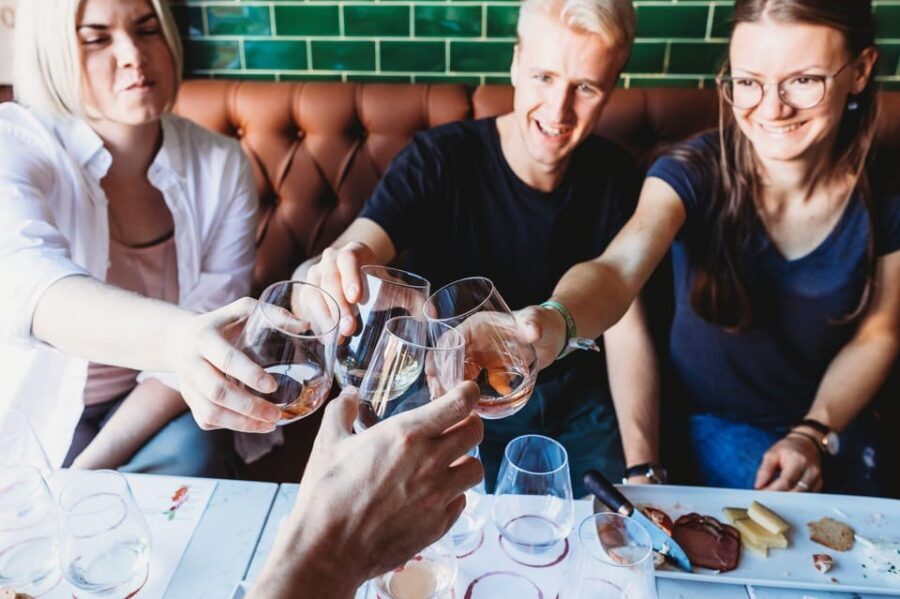
- Six distinct port styles in one 1-hour session, from tawny and ruby to white and rosé
- A guide-led lesson on the wine-making process and the history of port
- Tasting technique taught on the spot, so you know what to notice in each glass
- Snacks paired with the ports, including sweet and savory bites
- Small group size (max 10) for more back-and-forth time
- Guides like Caio, Jorge, and Kyle get singled out for being engaging and easy to talk with
From The Vine tasting bar: what the setting is really like
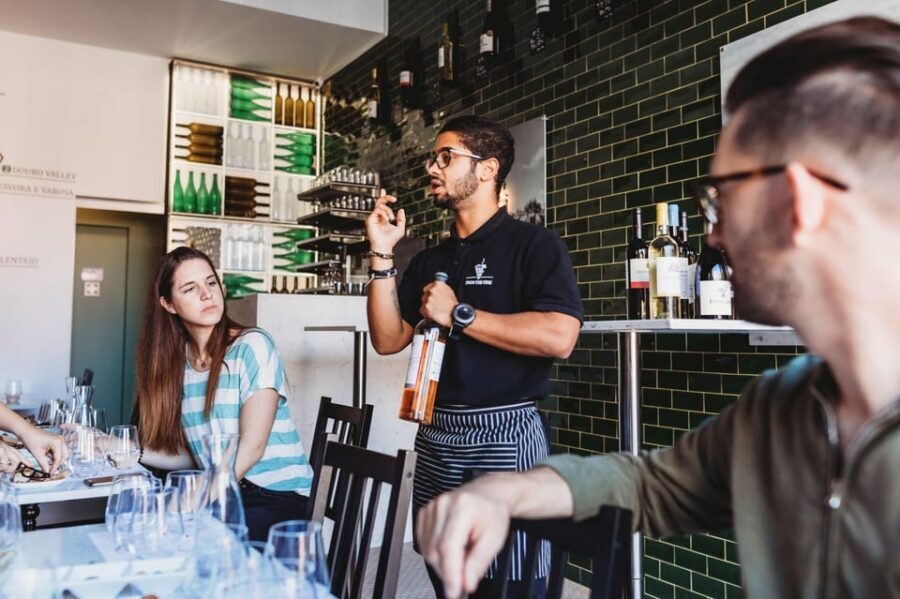
You’ll meet at From The Vine Port & Wine Tasting Bar (Port & Wine Tasting In Lisbon). This is not a big, bus-and-crowd production. It’s a compact bar space where the focus stays on the glasses in front of you.
That matters because port tasting works best when you’re not rushing. In a small group, it’s easier to ask questions and actually notice how each style behaves on your palate. The format also helps if you’re new to port. Some people in the feedback weren’t even regular port drinkers, and still found it enjoyable once the guide explained what to look for.
You can go in English or Portuguese, depending on the guide and the session. The guide experience is a major part of why this tasting gets such high marks—multiple names show up in feedback, including Caio, Jorge, and Kyle. The common theme: they talk through the wines, but they also keep things human. That balance is the difference between a class you survive and a tasting you remember.
Practical note: smoking isn’t allowed. If you’re planning a casual stroll before this, just know you’ll stay in a smoke-free indoor setting during the tasting.
You can also read our reviews of more food & drink experiences in Lisbon


The main event: your six-port comparison
This is built around one simple goal: tasting your way through port types so you can tell them apart. Over the session, you’ll try six wines, each one described by how it tastes—smooth, bright, crisp, floral, robust, and complex.
Here’s how to think about what you’re drinking, in plain terms:
1) Red tawny: smooth and mellow
A tawny style is a great first pour because it tends to feel soft and approachable. Expect a smoother profile that doesn’t punch you in the nose. Starting here helps you calibrate. If your palate has been tired from sightseeing snacks and coffee, this style makes it easier to settle in.
When I’m tasting a mellow wine first, I try not to overthink it. Just notice how it feels as it warms up in your mouth. That lets the later styles stand out more.
2) Red ruby: bright and fruity
Next comes the red ruby, where the flavor character shifts. The description you’ll taste is bright and fruity, so the wine should feel livelier than the tawny you just had. This is where you’ll start noticing differences in freshness and fruit tone.
If you tend to prefer wines that taste more like fruit than spice, you may find ruby becomes your favorite here. If not, don’t worry—white, rosé, and the aged styles give you other ways to enjoy port.
3) White port: crisp and refreshing
Then you move to white port, described as crisp and refreshing. This is a smart mid-course switch because it changes how your mouth feels between heavier pours. It’s also a reminder that port doesn’t have to mean dark, heavy, and sweet in every glass.
If you’ve only associated port with dessert vibes, this is the pour that can reset your expectations. Think of it like the palate cleanser that’s still part of the lesson.
You can also read our reviews of more guided tours in Lisbon






4) Rosé port: light and floral
After white, you’ll taste rosé port, described as light and floral. This is a fun step because it’s not a typical expectation for many first-time tasters. Rosé here is meant to show you a softer side of port—more delicate, more aromatic.
If you’re the kind of person who likes perfumes, flowers, or lighter wine aromas, you’ll probably lean toward this glass. And even if you don’t, the guide’s explanation will help you connect the floral impression to the broader style differences you’re learning.
5) Port reserve: robust and aged
The reserve pour is where the session turns sturdier. You’ll taste something described as robust and aged—more body, more depth, and often a longer finish. If the earlier wines felt like distinct flavors, reserve is where you get a sense of time and structure.
This is also a great point to slow down. Don’t rush the sip. Notice whether the sweetness feels more integrated or whether it tastes like it’s layered across the palate.
6) 10-year-old port: complex and rich
Finally, you try a 10-year-old port, described as complex and rich. This last step helps you connect the lesson about aging to what you can actually taste. The goal isn’t just to drink a named bottle—it’s to see how age changes flavor character.
In the feedback, people frequently call out that the tasting feels generous and well-paced, and that you get enough time to compare the styles. The 10-year-old pour is usually where those comparisons click.
How you’re taught to taste (so it actually sticks)
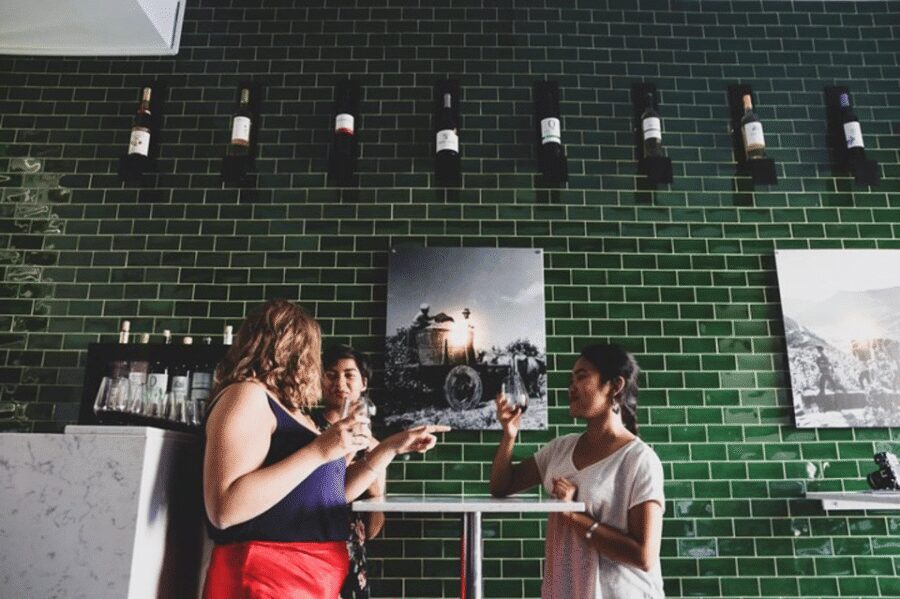
One reason this tasting stands out is that you don’t just get poured wine—you get guided tasting technique. The experience is explicitly set up to teach you how to properly taste and appreciate each glass.
In a one-hour session, the guide can’t make you an expert in a day. What they can do is give you a simple framework so you stop guessing. From the feedback, the guides are praised for explaining what you’re tasting and why the differences matter, without talking down to you.
Here’s what you should try to do during the tasting:
- Take small sips and let the wine rest briefly on your palate before you decide what you think.
- Compare each glass right after the previous one so the difference is fresh in your mouth.
- Ask one question per wine, not all at once. That keeps the lesson moving and makes it easier for the guide to tailor their explanation.
A nice touch is that the guide may help you linger on your favorite. Some feedback specifically mentions being offered another sample of the one someone liked most. That’s a small gesture, but it turns the experience from a checklist into something personal.
Also: the guides are often described as upbeat and fun to talk with. One person even called out that the information stayed balanced—enough instruction to learn, but not so much lecturing that you stop enjoying the moment.
Sweet and savory snacks: why this pairing helps
You’ll pair tastings with sweet and savory snacks. That’s not a random add-on. Port tasting can get cloying if you’re only drinking, especially as the session moves toward richer and aged styles.
The snacks do two jobs:
1) They help keep your palate from feeling overwhelmed.
2) They give you reference points for sweetness and saltiness, so you can better notice how each port’s flavor lands.
If you’re planning this as an afternoon activity, snack pairing is a practical win. It makes the tasting feel like a real experience, not a quick pour-and-go. And since meals aren’t included, you’ll still want to eat elsewhere before or after. The snack sizes are meant to accompany the wines, not replace dinner.
Timing and pacing: how an hour feels in practice
The activity is listed as 1 hour, but the best way to think about timing is flexible. One feedback note mentions the session ended after about 45 minutes for a group. That doesn’t automatically mean it’s always shorter, but it’s a helpful expectation: plan for something like an hour total, and treat it as a focused tasting block rather than a long meal event.
Because it’s a small group limited to 10 participants, the pace can flex based on questions. If you’re the type who asks a lot, you might appreciate the slower pacing. If you prefer quick comparisons, the guide should keep you moving through the six styles.
Price and value: what $28 buys you in Lisbon
At $28 per person for a 1-hour guided tasting of six port wines, the value comes down to two things: the number of pours and the quality of guidance.
You’re not just tasting one bottle’s “personality.” You’re sampling multiple styles—tawny, ruby, white, rosé, reserve, and a 10-year-old—so your money buys variety and comparison. That’s the strongest argument for value. If you were to buy separate glasses of multiple port types on your own, you’d likely spend more for fewer learning moments.
Second, the guide element matters. Feedback repeatedly praises guides like Caio and Jorge for being engaging, entertaining, and genuinely invested in explaining what you’re tasting. When instruction is strong, you leave with a better sense of what you like, not just more alcohol in your system.
If you’re traveling with someone who isn’t sure about port, this still can work. Some feedback notes mention guides adjusting because participants weren’t port drinkers at the start. That’s exactly what you want from a tasting: help you find an entry point.
Who should book this port tasting (and who might skip)
This is best for adults who want an easy, structured way to experience Portugal’s wine culture in a short window. If you want something walk-in-friendly and low effort—yet still guided—this fits.
You’ll likely enjoy it if:
- You like tasting different wine styles in a single sitting
- You want history and wine-making context, but in a conversational format
- You prefer small groups over crowded tours
You should consider skipping if:
- You’re under 18 (participants must be at least 18)
- You’re pregnant (not suitable)
- You strongly dislike tasting workshops or feel intimidated by wine talk
Wheelchair accessibility is listed, which is a meaningful plus for mobility planning. And smoking isn’t allowed, which keeps the air better for everyone.
Should you book this Lisbon port tasting?
Yes, I’d book it if you want a high-value, low-stress way to learn port through direct tasting. The six-style lineup gives you variety that other “quick tastings” often miss, and the small group format makes the guide time feel real—not rushed.
Before you go, decide what you’re looking for:
- If you want to learn by comparing six ports, this is a great match.
- If you’re expecting a long, theatrical event, adjust your expectations. The session is short and focused, and the setting is more bar than museum.
If that sounds like your kind of afternoon, this one-hour tasting at From The Vine is an easy yes.
FAQ
How much does the Lisbon port tasting cost?
It’s priced at $28 per person.
How long is the guided experience?
The tasting lasts 1 hour.
What port wines will I taste?
You’ll taste 6 different port wines: red tawny, red ruby, white, rosé, a port reserve, and a 10-year-old port.
What’s included in the price?
The experience includes a guided tasting of the 6 port wines and pairing with sweet and savory snacks.
What languages are the guides?
The live tour guide offers English and Portuguese.
Is there a minimum age to join?
Yes. Participants must be at least 18 years old. It’s not suitable for children under 18.
Is the venue wheelchair accessible?
Yes, the activity is listed as wheelchair accessible.
Is it okay if I smoke?
No. Smoking is not allowed during the experience.