REVIEW · LISBON
Lisbon 3-Hour Street Art Tour
Book on GetYourGuide →Operated by Discover Lisbon · Bookable on GetYourGuide
Street art in Lisbon hits differently. This 3-hour walk takes you into Mouraria and Graça, where murals, posters, tags, and stencils aren’t just decoration. They’re part of the neighborhood’s ongoing story, with social and political messages and even memorials to Portuguese figures.
I really like how the guide turns the walls into a timeline you can understand. You’re not just spotting artwork—you’re hearing the reasoning behind techniques and themes. And I especially love the finish at a mural by Vhils, a big name in Portuguese street art.
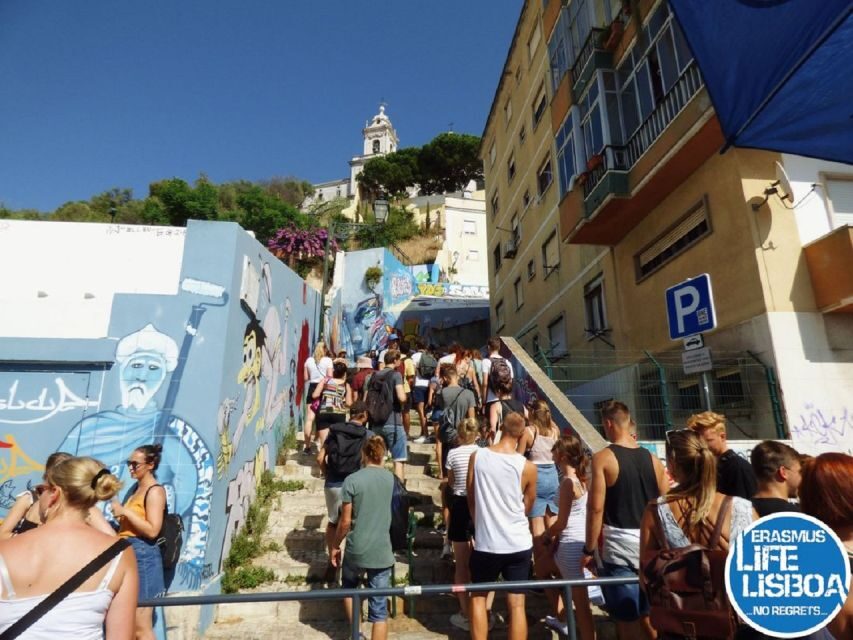
One thing to plan for: this is a hilly, stairs-heavy walk, and it’s not suited for mobility impairments. The pace can feel brisk, which is great for seeing a lot, but it means you’ll want comfortable shoes and water.
In This Review
- Key things to know before you go
- Martim Moniz start: the soldierheads monument and your street-art kickoff
- Mouraria and Graça walls: murals, stencils, and renovation energy
- How the guide makes street art make sense (and not just look cool)
- The art styles you’ll actually spot: tags, posters, stencils, and murals
- Views and rain-proof vibes: what to expect on the ground
- The Vhils finale: ending with a big name on purpose
- Pace, group size, and guide energy: why timing feels like part of the experience
- Price and value: why $33 can make sense (if you like meaning)
- What to bring and what to skip for an easier 3 hours
- Who this Lisbon street art tour is best for
- Should you book this Lisbon Street Art Tour?
- FAQ
- How long is the Lisbon Street Art Tour?
- Where do I meet the guide?
- What language is the tour in?
- Is food or drinks included?
- What should I bring?
- Is the tour suitable for people with mobility impairments?
- Are strollers or wheelchairs allowed?
- Is luggage allowed?
- Is cancellation allowed if I change my plans?
Key things to know before you go
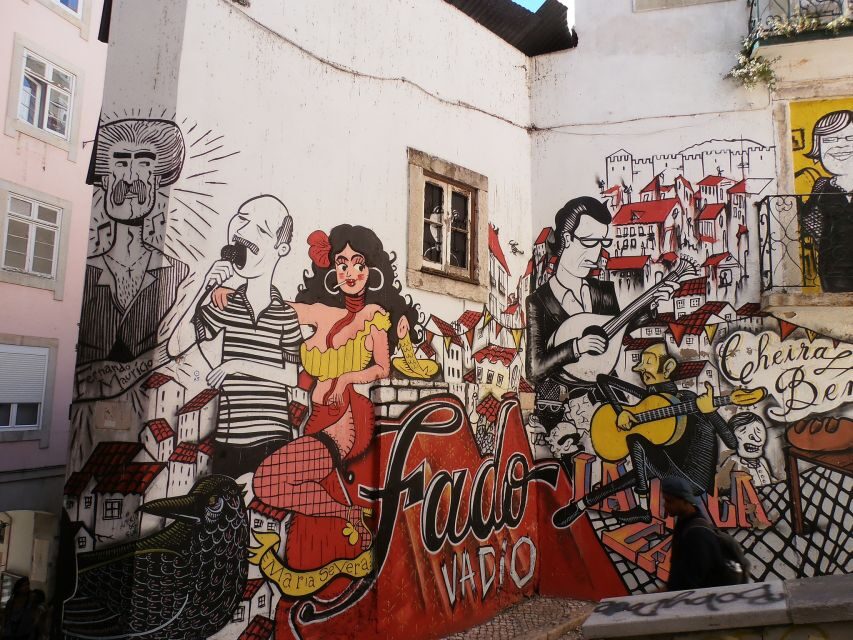
- Mouraria and Graça are the core, so you get both street art culture and neighborhood texture
- You’ll see tags, posters, and stencils, not just big murals
- The guide builds meaning behind each piece, including social and political messages
- The tour ends at a wall by Vhils, giving you a strong final “wow” moment
- Bring water and expect a lot of uphill walking
- The group is usually small enough for a more personal pace
Martim Moniz start: the soldierheads monument and your street-art kickoff
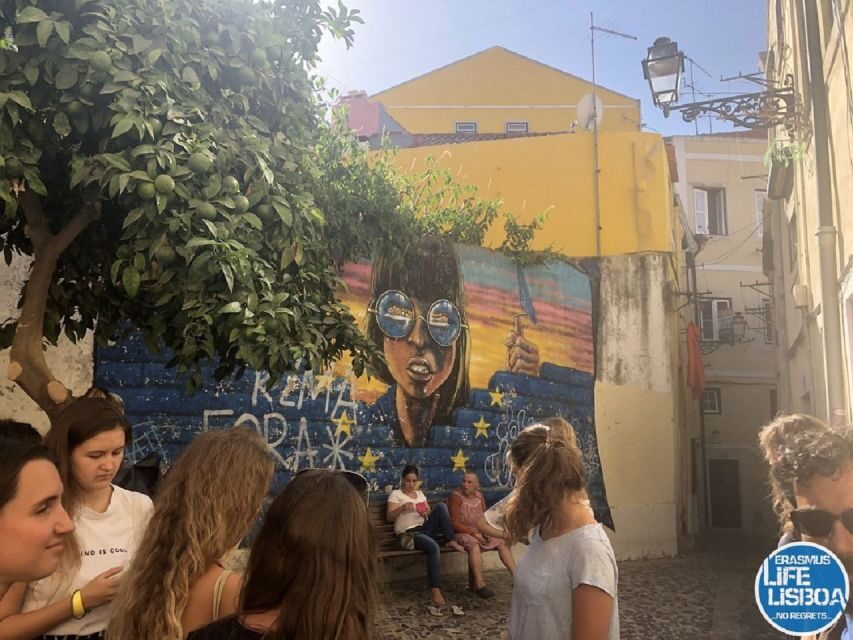
Your meeting point is Martim Moniz square, near Hotel Mundial. Look for the green metro line and then scan the square for the monument/sculpture with soldierheads/bullets/helmets, surrounded by the water. The team will be holding a board for the Lisbon Street Art Tour right there in the middle of the square.
This matters more than it sounds. Martim Moniz is lively, and the square has multiple visual anchors. When you find the board and your guide, the tour usually snaps into focus fast: street art isn’t random in Lisbon—it’s mapped into daily life, right where people live, walk, and argue about the city.
If you like getting oriented quickly, this start location helps. It’s a real neighborhood hub, not a far-flung viewing spot. You’ll be ready for the climb into older streets.
You can also read our reviews of more tours and experiences in Lisbon



Mouraria and Graça walls: murals, stencils, and renovation energy
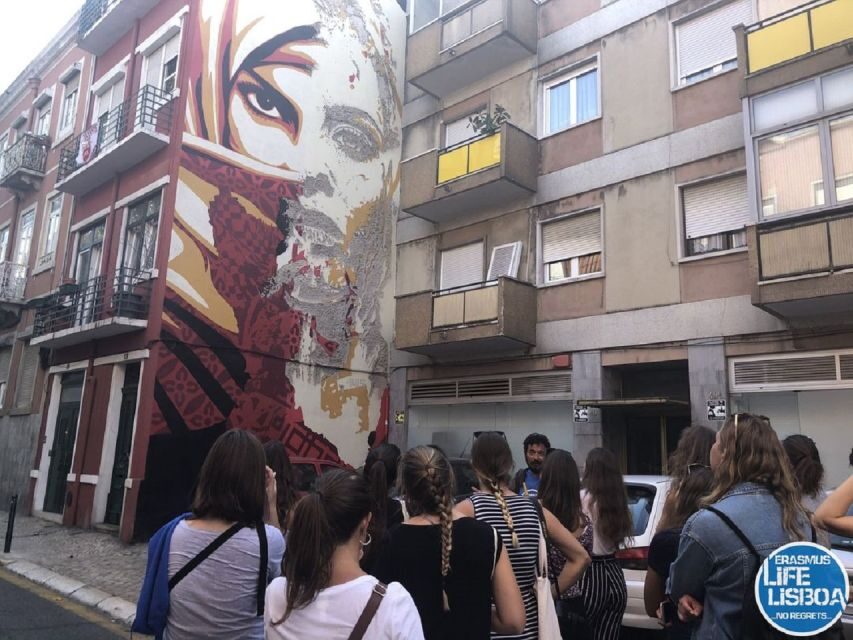
The heart of the experience happens in Mouraria and Graça. These areas are known for density—tight streets, old buildings, and constant layers of change. That’s why street art fits here so well: you’re seeing artwork that responds to the place, not artwork dropped in as decoration.
In these neighborhoods, you’ll find a mix of:
- larger murals with clear visual themes
- smaller pieces like tags and stencil work
- poster-based art that feels like the street’s own bulletin board
Many of the works include social or political messages. Some also memorialize important Portuguese personalities. That blend is what makes the tour feel more than just visual. You’re watching Lisbon talk back to itself.
Another detail I like: the tour focuses on projects connected to the renovation of the old neighborhoods. That means you’re not only looking at past street art—you’re seeing how current efforts can change what gets painted and preserved. If you care about cities as living systems, not museum pieces, this angle is spot on.
How the guide makes street art make sense (and not just look cool)
The big reason this tour works is the storytelling. Your guide—listed as Véro—explains what you’re looking at and why it matters. Depending on the date, past groups have mentioned different guides by name, including Rigoberto, Diogo, Diana, Ninetta, and Margerida. If you get Véro, you’re in good hands; groups have consistently highlighted guides who build a narrative and take time to connect the dots.
What you’ll learn isn’t just trivia. You’ll hear about:
- the artists who left their mark on the city
- the story behind specific works
- how techniques like stencils and posters shape the message
I think this is the sweet spot for street art tours. Without context, you get a string of photos. With context, you start noticing patterns: how artists respond to local issues, how styles travel from international artists to the Lisbon street, and how certain images become recognizable signals in the neighborhood.
And if you enjoy history but want it grounded in real streets (not lecture mode), the tour gives you historical references that fit what you’re seeing at that moment.
The art styles you’ll actually spot: tags, posters, stencils, and murals
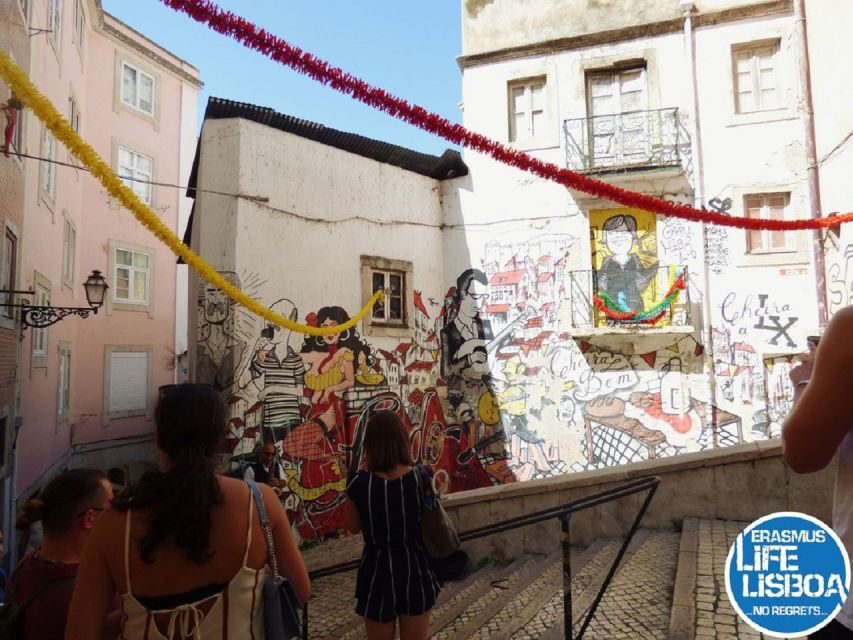
Lisbon street art is a spectrum. On this walk, you’ll see the full range more often than you’d expect from a typical “big wall only” route.
Here’s what to look for as you go:
- Tags: smaller signatures and quick marks that act like identity. They’re often about presence—who was here, who’s still here, and what community they represent.
- Posters: street-level storytelling. Think of them as flyers that can change meaning as the neighborhood changes around them.
- Stencils: crisp shapes and repeatable imagery. Stencils can feel like they’re meant to spread fast, which fits street art’s pace.
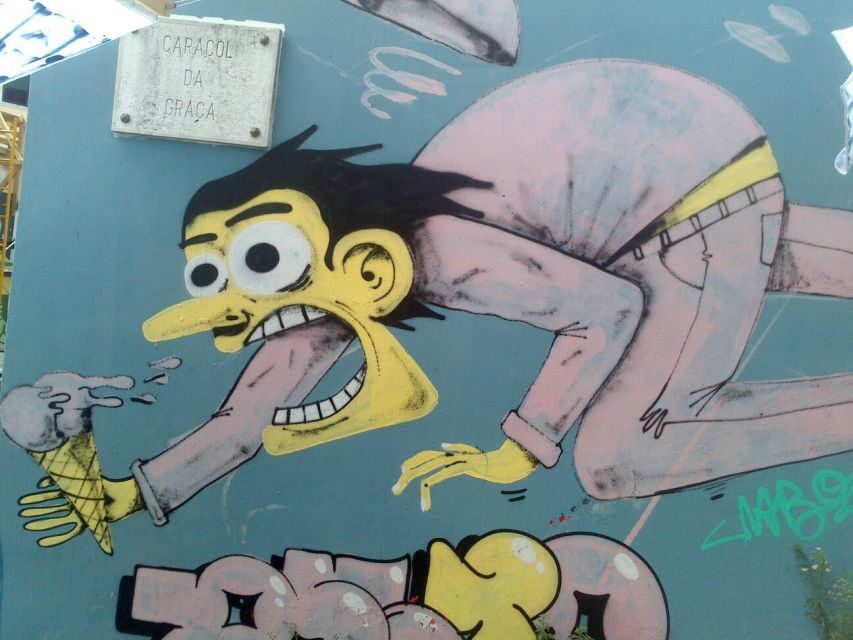
- Murals: bigger statements, often tied to clearer political or memorial themes. These are usually the works where the guide’s explanations really pay off.
This mix is part of the value. A 3-hour tour gives you enough time to see multiple layers, not just one type of art. It’s also a nice way to train your eye: after a while, you start anticipating what you’ll notice next.
Views and rain-proof vibes: what to expect on the ground

Lisbon gives you walking and viewpoints in the same breath. Several guides and groups have pointed out that the walk can include nice views over Lisbon, especially as the route works uphill into better sightlines.
Weather can change fast, too. Past groups have mentioned rain during parts of the tour, and the guides kept the mood up without rushing people through the stops. That’s important. If you’re paying for an art-focused walk, you don’t want a sprint.
Still, plan like this is a real hike. Heat can be tough, and stairs are part of the deal. Even if the tour is only 3 hours on paper, your legs will feel it if you’re not used to uneven sidewalks and climbs.
You can also read our reviews of more tours and experiences in Lisbon





The Vhils finale: ending with a big name on purpose

The tour ends at a mural by Vhils, described as a national superstar in Portuguese street art. Ending here is smart because it gives you a clean closing point. After seeing lots of different styles and messages, you get one recognizable, high-impact capstone.
This works especially well if you’re new to street art. You finish with a reference point: now you know what to compare other walls to, and you’ll likely spot similar styles later around the city.
It also helps with motivation. You’ll have a “finish line” wall, not an end that feels sudden or anticlimactic.
One practical note: the tour doesn’t necessarily bring you back to your starting square. Plan for the fact that you’ll likely need a short walk or metro hop afterward.
Pace, group size, and guide energy: why timing feels like part of the experience

This isn’t the kind of tour where you linger in one alley for twenty minutes and call it street art. The pace is often brisk, which is great for covering more walls in 3 hours. One review mentioned a higher tempo as a plus because you see more as you move.
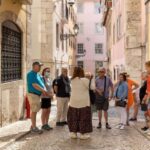
Group sizes can be small. One past group described a party of about seven people, which makes it easier for your guide to answer questions and keep the flow moving.
Guide energy is a major factor. Multiple guides have been described as passionate and respectful, with a narrative that keeps the tour from feeling like a checklist. If your guide also brings along a dog (some groups mentioned names like Billie or Billy), that can add a warm, human layer without turning it into a distraction.
Price and value: why $33 can make sense (if you like meaning)
At $33 per person for 3 hours, this tour sits in the category of “you’re paying for a guide’s lens.” You’re not buying museum entry. You’re buying context, timing, and access to the artists and stories you’d probably miss if you tried to wing it.
Here’s what you get for the price:
- a local expert guide
- a walking tour route focused on street art
- local art you can’t easily find on your own
- historical references tied to what you see
Not included: food and drinks. So think of it as a focused activity you pair with a meal plan before or after.
The value is strongest if you want more than photos. If you like explanations—why a piece exists, what it’s responding to, and how Lisbon’s neighborhoods shape the art—this price is easier to justify. If you mostly want to wander at your own pace with no talking, you might feel constrained by a fixed route and schedule.
What to bring and what to skip for an easier 3 hours

The tour asks for practical basics:
- Comfortable shoes (you’ll appreciate them fast)
- Water (hills + sun + walking = you’ll want it)
And skip the extra bulk. Luggage or large bags aren’t allowed. That keeps the route workable on narrow sidewalks and stair segments.
If you’re using mobility aids: the tour is not suitable for people with mobility impairments. Also, because of Lisbon’s hills and stairs, prams/strollers should be avoided if possible. Non-folding wheelchairs and non-folding strollers aren’t allowed.
This is one of those tours where “light and ready” turns the experience from annoying to smooth.
Who this Lisbon street art tour is best for
This tour is a good fit if you:
- want street art in real neighborhoods, not just in photo spots
- enjoy stories about the artists and the messages in the work
- like a walking pace that gets you multiple stops in 3 hours
- plan to explore Lisbon afterward and want your bearings fast
It may be a poor fit if you:
- need step-free routes (it’s not suitable for mobility impairments)
- travel with heavy bags or want lots of storage
- prefer super-slow, sit-down viewing with no climbing
Should you book this Lisbon Street Art Tour?
If you’re trying to understand Lisbon street art quickly and thoughtfully, I’d book it. The combination of Mouraria and Graça, the variety of styles (tags, posters, stencils, murals), and the guide-led story is what makes this tour worth doing instead of just strolling randomly.
Book it especially if you care about the “why” behind the walls, and if you can handle a 3-hour hilly walk with stairs. If you’re comfortable moving for a few hours and you want a strong ending at a Vhils mural, this is a smart, focused use of your time.
FAQ
How long is the Lisbon Street Art Tour?
The tour lasts 3 hours.
Where do I meet the guide?
Meet in Martim Moniz square by the monument/sculpture with soldierheads/bullets/helmets, surrounded by the water close to Hotel Mundial. The team will be holding a board for the tour.
What language is the tour in?
The tour guide provides the tour in English.
Is food or drinks included?
No. Food and drinks are not included.
What should I bring?
Bring comfortable shoes and water.
Is the tour suitable for people with mobility impairments?
No, it is not suitable for people with mobility impairments.
Are strollers or wheelchairs allowed?
Non-folding strollers and non-folding wheelchairs are not allowed. Because Lisbon has hills and stairs, prams/strollers should be avoided if possible.
Is luggage allowed?
No. Luggage or large bags are not allowed.
Is cancellation allowed if I change my plans?
Yes, you can cancel up to 24 hours in advance for a full refund. Free cancellation is available.