REVIEW · LISBON
Lisbon: 3-Hour The Slave Trade – An Historical Walking Tour
Book on GetYourGuide →Operated by My Lisbon Tours · Bookable on GetYourGuide
Slavery hides in plain sight in Lisbon. This 3-hour walk connects major city sights to Portugal’s role in the Atlantic slave trade, with stops that turn postcard buildings into evidence. The guide, Rui Fernandes, is an African local guide with training spanning history, political science, and economics, so the story has both human weight and real-world causes.
Two things I really like: the tour stays small (capped at 6) and keeps moving at a comfortable pace, and you get time for questions instead of a rushed lecture. One possible drawback: this is heavy material, so if you want only light sightseeing, you may find the subject matter emotionally intense.
In This Review
- Key highlights worth your attention
- Meeting Largo do Chafariz de Dentro and finding the real Lisbon
- The big story: Prince Henry and the birth of the Atlantic slave trade
- Following Lisbon’s clues: churches, squares, back streets, and what they reveal
- How the tour maps the slave trade from Lisbon to Brazil and beyond
- Lisbon’s human scale: what a slave’s daily life looked like
- Abolition, Portuguese colonies in Africa, and the fight for liberation
- A guide who uses visuals, remembers names, and handles hard questions
- The included coffee and bathroom stop that doesn’t derail the tour
- Price and value: what $35 buys you in Lisbon
- Who should book this walking tour in Lisbon
- Should you book My Lisbon Tours’ 3-hour Slave Trade Walk?
- FAQ
- Where is the meeting point for the tour?
- How long is the Lisbon Slave Trade walking tour?
- What group size should I expect?
- Is the tour offered in English?
- What breaks are included during the tour?
- Is free cancellation available, and are pets allowed?
Key highlights worth your attention

- Rui Fernandes’ structured, question-friendly teaching that stays clear and evenly paced
- A small group capped at 6, making it easier to ask questions and hear answers
- Alfama-focused walking, with mostly flat routes and minimal inclines
- Portugal’s Atlantic slave trade explained through Lisbon’s own streets and buildings
- Coffee plus a bathroom stop built into the 3-hour flow
- A topic rarely handled in mass tourism, with attention to economics and politics
Meeting Largo do Chafariz de Dentro and finding the real Lisbon

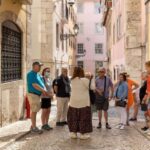
You start at Largo do Chafariz de Dentro, a straightforward meet-up point that puts you close to Lisbon’s older, street-woven neighborhoods. Many people expect a “history tour” to feel like museums. This one feels more like real city life, because you’re walking among the places where Lisbon’s past still shows.
The opening matters. You’re not just handed facts—you’re coached to notice connections: street names, building features, and how prominent areas grew alongside trade and power. In other words, you learn how to read Lisbon the way a local might, not just how to memorize dates.
And yes, the walking is practical. Based on what the group reports, the route is mostly flat, with only minimal uphill stretches—helpful if you’re traveling with kids, older family members, or just don’t want to fight Lisbon’s hills for three straight hours.
You can also read our reviews of more walking tours in Lisbon


The big story: Prince Henry and the birth of the Atlantic slave trade
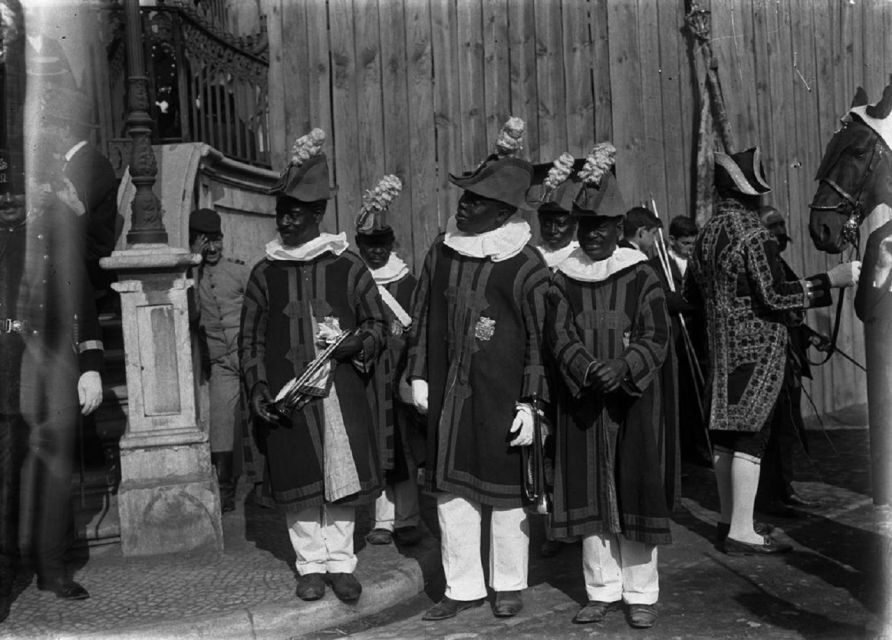
The tour’s spine is Portugal’s role in launching what we now call the Atlantic slave trade. Early on, you’ll connect the first half of the 15th century to the Atlantic expansion that followed, including Prince Henry the Navigator and the maritime drive that powered new routes. You’ll also hear the scale of what happened—millions of Africans sold into slavery and transported across the ocean—framed as a crime against humanity that lasted for centuries.
What makes this part useful is the way it’s explained through cause-and-effect. You don’t only hear that slavery happened. You learn how institutions, economics, and political goals helped make the trade function. That lens turns “history” into something you can recognize when you look at wealth, power, and trade legacies in a modern city.
If you’ve seen Lisbon’s grandeur without digging into why it got so wealthy, this is the missing link. It also gives context for why the rest of the walk matters: Lisbon’s buildings and public spaces weren’t neutral backdrops. They were part of systems.
Following Lisbon’s clues: churches, squares, back streets, and what they reveal
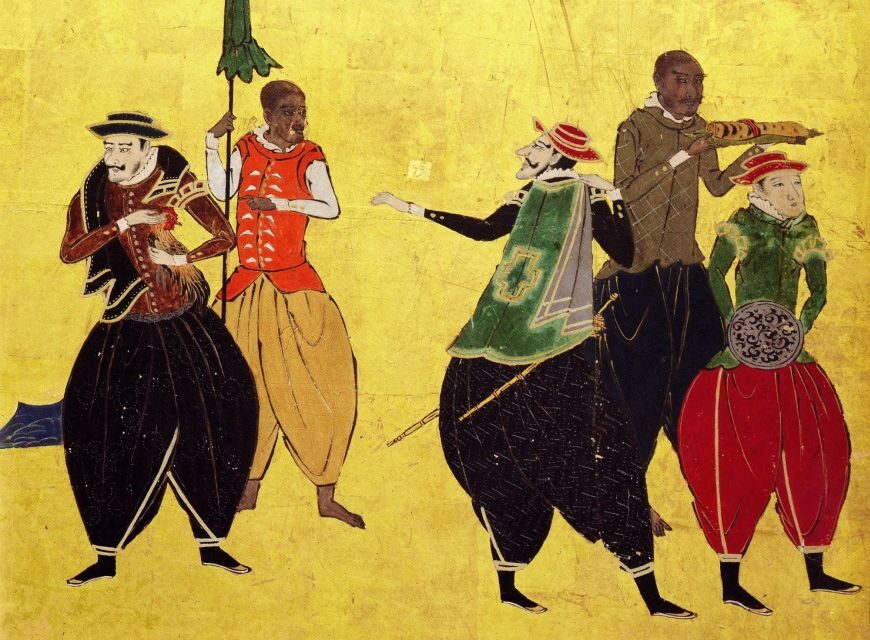
One of the tour’s strengths is that it doesn’t stay on the usual main-street route. You move through back streets and main avenues, and you’re prompted to connect specific kinds of spaces—monuments, churches, and public squares—to the slave trade era.
In practice, the guide uses on-the-ground observations to build the story. You’ll look at street names and how buildings were used across different periods. You’ll also hear how present-day grandeur can connect to earlier institutions tied to slavery. It’s the kind of learning that sticks because you’re standing where the history happened, not just looking at it behind glass.
This is also why the small group helps. With fewer people, it’s easier to pause, look closely, and ask the extra question that you normally would save for later and forget. The pace is also relaxed enough to let you absorb what you see, not just keep up with the next corner.
How the tour maps the slave trade from Lisbon to Brazil and beyond
The walk’s timeline widens in a smart way. You start in Portugal and Lisbon, then you follow how the trade spread and why certain places became essential. Brazil comes up as a key part of the system, and you’ll learn why it mattered for the flow of enslaved people and profits across the Atlantic.
You also get a look at the earlier roots of slavery in the Iberian peninsula—how the idea and practice developed before the Atlantic trade reached its full scale. Then you move forward to the Age of Discovery framework, where sailing, commerce, and state support helped drive the expansion.
This matters for you because many Lisbon tours treat the Age of Discovery like a single sweep of explorers and ships. Here, you’re also shown the darker math behind expansion: power, labor, and markets. When you understand that, the city’s maritime identity makes more sense, even if you wish it didn’t.
Lisbon’s human scale: what a slave’s daily life looked like
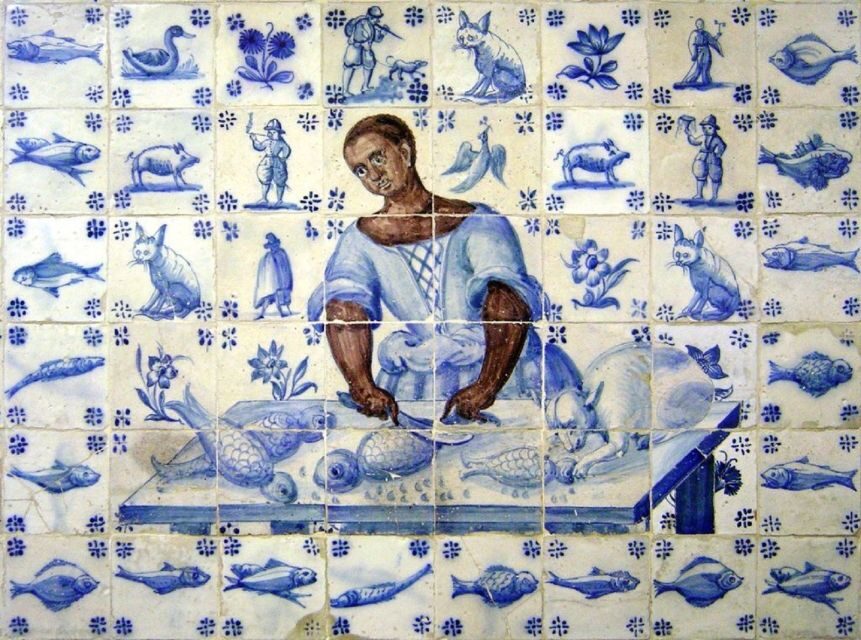
The tour doesn’t just cover big ships and big policy. You’ll also hear about day-to-day aspects of the life of an enslaved person in historical Lisbon. That shift—away from abstract economics—helps you grasp the lived reality behind the trade.
It’s an important emotional contrast. The guide keeps the material grounded in what those systems meant for real human beings. And because the story is told while you’re walking through the city, it’s harder to treat slavery as distant or theoretical.
If you’re the type who reads history best when you can picture ordinary routines—work, movement, control, community—this part will connect. If you’re expecting a strictly academic lecture, you’ll still get detail, but the guide’s approach makes it personal without turning it into spectacle.
You can also read our reviews of more historical tours in Lisbon





Abolition, Portuguese colonies in Africa, and the fight for liberation
The tour doesn’t stop when the Atlantic trade becomes harder to sustain. You’ll cover the abolition of the slave trade in Portugal and what that shift meant in practice. Then the discussion expands to Portuguese colonies in Africa and the long struggle for liberation led by African nationalists.
This section is valuable because it keeps the story moving forward in time. It also helps you avoid the common trap of thinking liberation and justice arrive neatly at a single date on a wall plaque. You’ll see how the system’s end in one form didn’t erase colonial realities; it reshaped them.
For your trip, that means you leave with a more honest map of Portugal’s connections—past and present. You’re not just learning what happened. You’re learning how the world kept living with the consequences.
A guide who uses visuals, remembers names, and handles hard questions
The guide experience is a big reason this tour earns such strong ratings. Rui Fernandes runs it with clear pacing and room for questions. Multiple participants highlight that he answers thoughtfully and stays patient, which is a rare gift on tours that cover emotionally difficult topics.
You’ll also notice the tour uses pictures and visual sources to make key points easier to grasp. That helps when the subject spans centuries and includes economics, politics, and human stories. Visual context keeps you from getting lost in the weeds.
And you’ll probably feel the difference in how the group is managed. Because the group is small, Rui can keep track of people, call them by name, and adjust the flow if someone needs a slower explanation. One thing that’s also mentioned: he looks out for shade and keeps the pace comfortable, which is practical if you’re touring in warmer months.
The included coffee and bathroom stop that doesn’t derail the tour
This is one of those tours where the schedule feels designed for real humans. You get one coffee break and one WC break during the walk. The coffee stop is short, so you stay on track with the historical narrative and don’t lose the thread.
Some participants mention a café break where you might grab a local pastry like pastel de nata. Even if you don’t, the value is the same: you’re not left searching around mid-tour while trying to remember where you last left the story.
Bring comfortable shoes, because cobblestones are part of the deal in older neighborhoods. You’ll want to be able to stop, look, and listen without your feet doing the arguing.
Price and value: what $35 buys you in Lisbon
At $35 per person for a 3-hour walking tour, the value comes from three things that matter on the ground.
First, it’s specialized. The topic—Portugal’s role in the slave trade and how it shows in Lisbon—isn’t something you usually get in the standard city sightseeing menu. Second, you’re paying for a licensed local guide who brings academic-level context and a structured narrative. Third, the small group size (reported capped at 6) changes the experience from passive watching to active learning.
If you’ve only got time for one “history and context” experience in Lisbon, this is a strong candidate. If you already feel the need to balance it with lighter, more typical sightseeing, think of it as your anchor tour: it gives you the framework that makes everything else in the city click.
Who should book this walking tour in Lisbon
This tour is a great fit if you:
- want Lisbon’s story explained with the political and economic systems behind it
- prefer learning outdoors in real streets instead of only in museums
- like asking questions and receiving direct answers
- care about understanding Portugal’s role in the Atlantic slave trade, not just the general idea
It may not be the best choice if you want a carefree, casual walk focused purely on scenic views and light anecdotes. The subject is painful and serious. You should come ready for honesty, not comfort.
Should you book My Lisbon Tours’ 3-hour Slave Trade Walk?
If you want Lisbon without the gloss, book it. This tour is built around how the Atlantic slave trade shaped Portugal’s development—and how you can still spot those connections as you walk through the city center and older districts. The small group size, the steady pace, and Rui Fernandes’ question-friendly style make it feel controlled and respectful, not overwhelming.
My practical advice: pair this with one or two classic Lisbon sights on another day, so your brain gets a chance to reset. And when you book, go in with a simple goal: learn how to read Lisbon’s present using its past. If that’s what you’re here for, this is a very smart use of your time.
FAQ
Where is the meeting point for the tour?
Meet your guide at Largo do Chafariz de Dentro in Lisbon.
How long is the Lisbon Slave Trade walking tour?
The tour lasts 3 hours.
What group size should I expect?
It’s a small group experience, with a maximum of 6 participants.
Is the tour offered in English?
Yes, the tour is conducted in English.
What breaks are included during the tour?
You’ll have one coffee break and one WC break included.
Is free cancellation available, and are pets allowed?
Free cancellation is available up to 24 hours in advance for a full refund. Pets are not allowed on the tour.