REVIEW · LISBON
Lisbon Essential Walking Tour: History, Stories and Lifestyle
Book on Viator →Operated by Lisboa Autêntica · Bookable on Viator
Lisbon hits you fast—this walk helps you read the city. In about 3 hours, you cover major sights across Bairro Alto, Baixa, and Alfama, with local storytelling that connects neighborhoods, art, and big historical turning points. I love the small group size (max 15) and the smart mix of viewpoints plus real cultural stops like São Roque and the Carmo area.
One thing to plan for: this is a hilly, step-heavy walk, so it’s not the best match if you have trouble moving around on uneven streets.
In This Review
- Key things I’d circle before you go
- Why This Lisbon Essentials Walk Is Such a Smart First Day
- Bairro Alto: The 1755 Rebuild Story Starts Here
- São Pedro de Alcântara Miradouro and São Roque: Views Plus Real Art Inside
- Carmo Convent to Santa Justa: Gothic Shapes and the Revolution You Should Know
- Baixa Café Break and Praça da Figueira: A Real Pause in the Middle of the Walk
- Alfama’s Old Streets: Fado Context and the Lisbon of Narrow Lanes
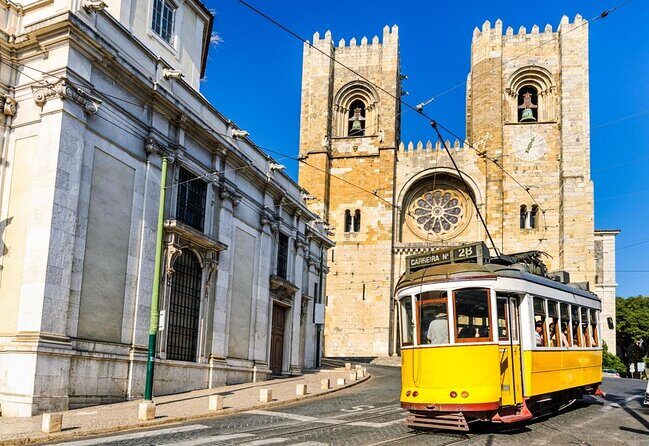
- Ending at Lisbon Cathedral: 1150 Foundations with Later Layers
- Price and Value: Is $30.25 Actually a Good Deal?
- What to Wear and Bring So the Steps Don’t Steal Your Joy
- Should You Book This Essential Lisbon Walking Tour?
- FAQ
- How long is the Lisbon Essential Walking Tour?
- What does the tour cost?
- What’s included with the tour?
- Is Santa Justa elevator included?
- Which languages is the tour offered in?
- How many people are in the group?
- Where does the tour start and end?
- Do I get a mobile ticket?
- What is the cancellation window?
Key things I’d circle before you go
- Hilltop viewpoints at São Pedro de Alcântara to orient you quickly
- São Roque’s church + museum for striking Baroque and tile-filled interiors
- Carmo Convent area tied to the 1974 Carnation Revolution
- A classic tram ride plus a café coffee and cake break in Baixa
- Alfama’s old streets and fado context, ending in a meaningful place: Lisbon Cathedral
- Santa Justa elevator not included, so budget a bit if you want the ride
Why This Lisbon Essentials Walk Is Such a Smart First Day
This tour is built for “first time in Lisbon” energy. You get a guided way to link what you see—church facades, viewpoints, historic streets—with why Lisbon looks like Lisbon. That matters because the city can feel like a puzzle of hills, stairs, and sudden street-level surprises.
The experience also stays manageable because it’s designed as a 3-hour circuit, with a max of 15 people. That small size makes it easier to hear your guide, ask questions, and not feel rushed at every corner. And you’ll still get that classic Lisbon rhythm: short walks, long-looking moments, and then the next reveal.
Value-wise, you’re not just buying sightseeing. The price covers a professional guide, the tram trip, and a scheduled coffee and cake break. On a first day, those “set pieces” save you time and decision-making when you’d rather be walking or snapping photos.
The main drawback is the physical reality: Lisbon’s hills show up here. Expect steps and uphill stretches. If you’re unsure, lace up comfortable shoes and bring water.
You can also read our reviews of more walking tours in Lisbon


Bairro Alto: The 1755 Rebuild Story Starts Here
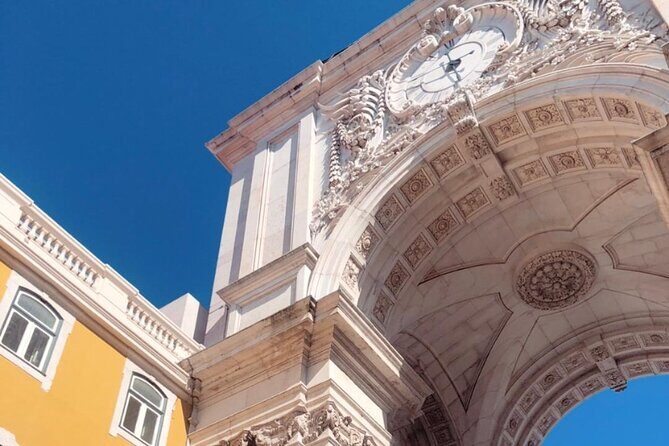
Your route begins in Bairro Alto, a place that feels like a living map of Lisbon’s layers. This area sits up on the hills, and that elevation shapes everything—views, walking, and how the city grew after major events.
A key story you’ll hear centers on the 1755 earthquake and what happened afterward. After that disaster, Bairro Alto pulled families away from the lower districts and became part of Lisbon’s renewal. You’ll learn how the neighborhood’s evolution ties into where people lived, how they rebuilt, and how Lisbon’s identity formed in the years that followed.
Even if history isn’t your thing, Bairro Alto gives you an instant advantage. From here, you can start understanding Lisbon’s geography. The city isn’t flat. It folds. And once your brain gets that, the rest of your trip gets easier.
São Pedro de Alcântara Miradouro and São Roque: Views Plus Real Art Inside
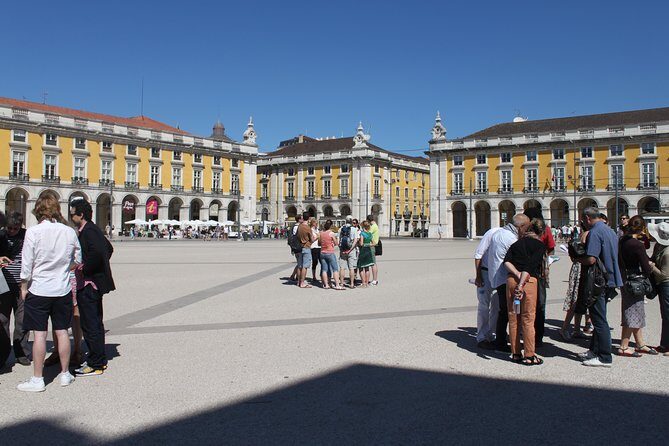
After Bairro Alto, you’ll pass through the garden at São Pedro de Alcântara and stop for the panoramic views over the Baixa and the south bank of the Tagus River. This is one of those moments that resets your whole perspective. Baixa suddenly makes sense. The river becomes the spine of the city. And you start spotting sightlines you’ll want to return to later on your own.
Next comes Igreja de São Roque, a Jesuit-built landmark that’s famous not just for its place in Lisbon, but for what’s inside. The church has an austere façade outside, but the interior is where Lisbon shows off—gilding, azulejo tilework, and paintings that reflect Mannerist and Baroque styles.
This stop is valuable because it’s not just a “look at the outside” moment. You get a guided way to see how religious art and architecture signaled power, taste, and cultural reach. It’s also a solid break in the itinerary—an interior pause when you’ve been walking hills.
Practical tip: go in ready to look upward and take your time with details. The contrast between plain exterior and decorated interior is part of the payoff.
Carmo Convent to Santa Justa: Gothic Shapes and the Revolution You Should Know
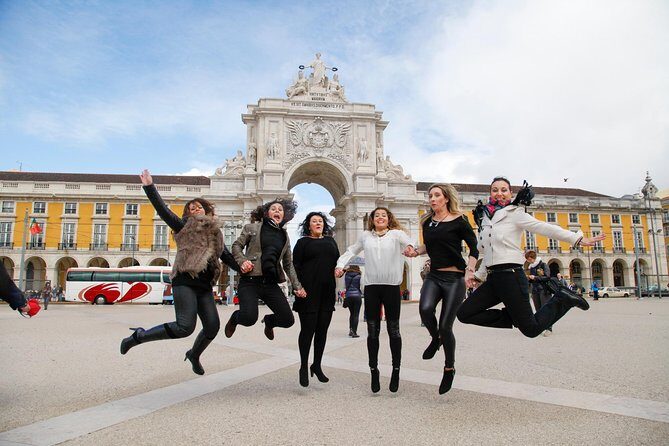
Heading downhill, you’ll reach Igreja do Carmo, near the Carmo convent area. This is where Gothic architecture becomes the main character. You’ll see why this site gets remembered: it’s tied to Lisbon’s modern history too.
Here’s the big historical thread you’ll take away—the Carnation Revolution began in 1974, ending nearly five decades of dictatorship. That detail turns “old church and convent” into “modern turning point.” You’re not only seeing medieval style; you’re standing in a location connected to how Portugal changed in living memory.
Then you arrive at Elevador de Santa Justa. The elevator is an imposing monument in Gothic Revival style, and the stop is timed for viewpoints, not just the engineering.
Important catch: the Santa Justa elevator ticket is not included. That’s not a dealbreaker, but it changes the math. If you want to ride up, bring some extra cash and decide on the spot based on your energy level and what you’re most curious about.
If you do go for it, you’ll understand why this spot sells: Lisbon’s streets look completely different from above. If you skip it, you can still enjoy the sense of where the city climbs.
Baixa Café Break and Praça da Figueira: A Real Pause in the Middle of the Walk
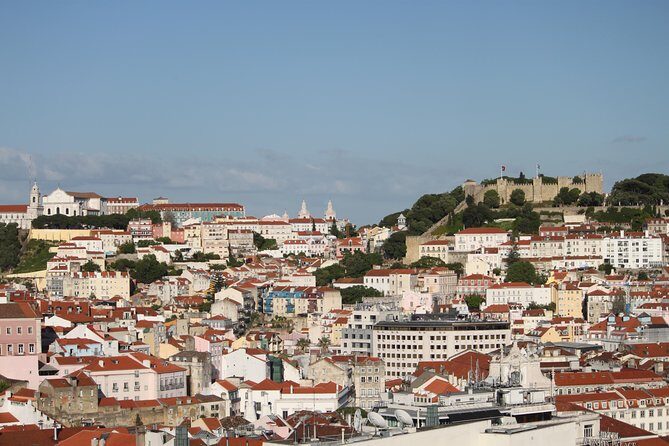
Once you reach Baixa de Lisboa, the tour gives you what most sightseeing days forget: a scheduled break. You’ll have coffee with pastry at a local café. It’s simple, but it’s exactly what makes the walking feel sustainable—food and drink that keep your pace human.
After that, you’ll see Praça da Figueira and a cluster of sights in the center of Lisbon. This area helps you connect what you’ve learned above—how Bairro Alto and the hills feed into the lower city streets. Baixa’s layout is easier to follow, and that’s where your orientation starts to lock in.
Then the tour continues with another practical win: you don’t have to figure out transit on the fly. There’s an included tram ride that takes you up toward the Portas do Sol area. It’s a classic Lisbon move—part transport, part sightseeing—so you get distance covered while still feeling like you’re in the city, not just passing through it.
You can also read our reviews of more historical tours in Lisbon





Alfama’s Old Streets: Fado Context and the Lisbon of Narrow Lanes
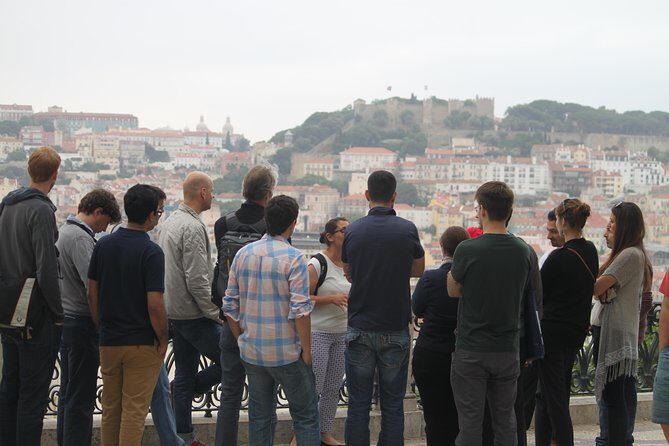
From Portas do Sol, your path swings into Alfama, one of Lisbon’s oldest and most traditional neighborhoods. This is the part of the city where the street texture changes. You’ll go from wider squares and smoother streets into narrow lanes that fold around hills.
Alfama is also where the tour brings in culture, not just buildings. You’ll hear about fado houses and the neighborhood’s connection to the music tradition. You’ll also learn about the saint festivals, especially St. Anthony, which is tied to how locals celebrate identity through the streets.
Along the way, you’ll see major landmarks in the area, including the Monastery of São Vicente de Fora and the National Pantheon. And because Alfama sits near the Tagus, it keeps giving you visual cues about Lisbon’s coastline and viewpoints—so the walk doesn’t feel like “only alleys, only stairs.” It keeps connecting back to the big picture.
If you want an honest tip: Alfama is atmospheric, but it can also be crowded. Your best chance is to slow down and let your guide’s storytelling make sense of what you’re seeing while you’re still fresh.
Ending at Lisbon Cathedral: 1150 Foundations with Later Layers
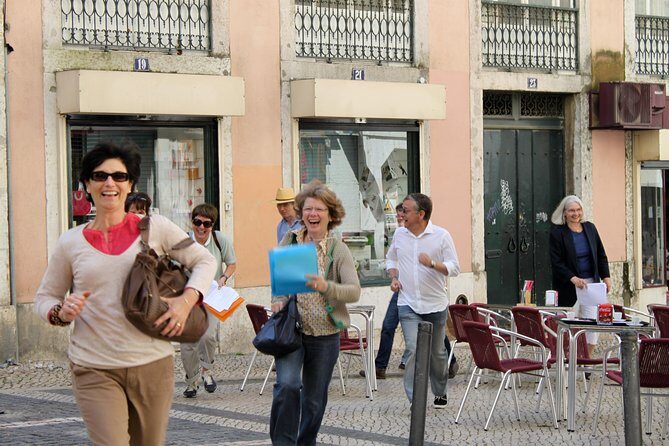
The tour ends at Lisbon Cathedral, built in 1150, shortly after Lisbon was taken back from the Moors. That time anchor is more than a date—it helps you understand why the cathedral shows architectural changes across eras.
Over the centuries, the building absorbed different influences, so you end your walk with a place that represents Lisbon’s habit of layering history. It’s a meaningful finish: you start in a hill neighborhood shaped by rebuilding, and you end in a religious centerpiece whose structure reflects long change.
Even if you’ve seen a few churches already, this final stop is where everything clicks. You’ve learned the city’s timeline in segments, and now you stand at a single landmark that carries several chapters.
Price and Value: Is $30.25 Actually a Good Deal?
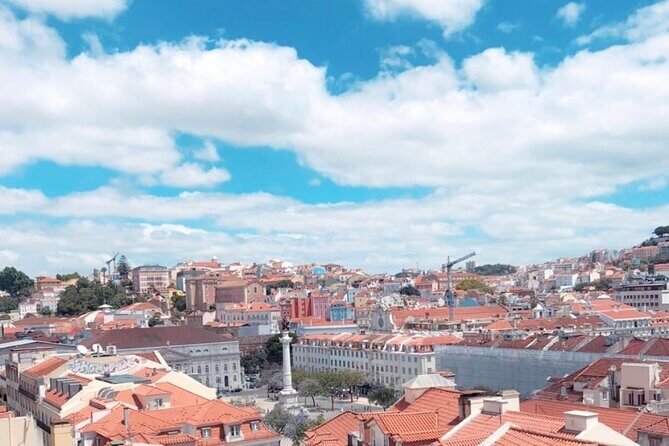
At $30.25 per person, this tour sits in the “good value” zone for Lisbon walking experiences—mainly because so many of the practical pieces are included.
Here’s what you’re getting for that price:
- A professional guide who ties stops to the stories that explain Lisbon
- A tram trip (not something you’ll always want to organize your first day)
- A coffee and cake break in Baixa
- Liability and personal accident insurance
- Entry to key sights is listed as free for the stops included in the route
Then there’s what’s not included: Santa Justa elevator. So if you want the ride, you’ll likely pay extra there. Still, the tour doesn’t rely on that add-on. The itinerary uses viewpoints and churches to do the heavy lifting, with Santa Justa as the optional “upgrade.”
Also, the small group size matters more than people expect. Max 15 travelers means the guide can keep momentum without turning it into a head-count drill. And being able to ask quick questions at the right moment is part of why this kind of tour works.
One more value point: this circuit is popular enough that it’s often booked about a month in advance. If you’re traveling in high season or on a tight schedule, reserve early so you’re not playing the “can we fit it in?” game.
What to Wear and Bring So the Steps Don’t Steal Your Joy
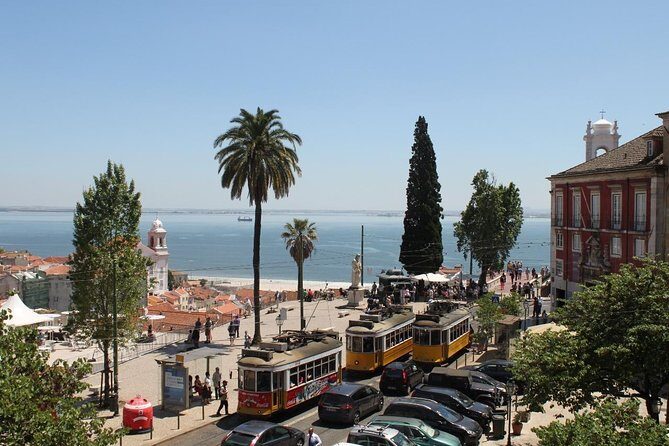
This is a walking tour through neighborhoods on hills. I strongly suggest you plan like it’s an active day, not a stroll.
Bring:
- Comfortable shoes with good grip
- Water, because you’ll want it
- A light layer if mornings or evenings feel cool
Your route includes church interiors and viewpoint moments, so you’ll want to be able to move easily between stairs, curbs, and narrow lanes. If you struggle with walking distances or uneven steps, this tour may feel tiring. Lisbon is gorgeous, but it’s not built for flat-foot comfort.
Should You Book This Essential Lisbon Walking Tour?
Book it if:
- You want a first-day orientation that connects neighborhoods to history and culture
- You like walking with a guide who helps you understand what you’re seeing
- You value an included tram ride and a scheduled café break
- You want an itinerary that covers Bairro Alto, Baixa, Alfama, and a strong end at Lisbon Cathedral
Consider skipping or choosing a gentler option if:
- Hills and stairs are a problem for you
- You prefer to explore without structured stops
If your goal is to get oriented fast and then roam with confidence, this is one of the easiest ways to start.
FAQ
How long is the Lisbon Essential Walking Tour?
It runs for about 3 hours.
What does the tour cost?
The price is $30.25 per person.
What’s included with the tour?
You get a professional guide, a tram trip, a coffee and cake break, and liability and personal accident insurance.
Is Santa Justa elevator included?
No. Santa Justa elevator admission is not included, and you’ll need to pay separately if you want to ride it.
Which languages is the tour offered in?
The tour is offered in English (and other languages are also available when you book).
How many people are in the group?
The tour has a maximum size of 15 travelers.
Where does the tour start and end?
It starts in Lisbon and ends at Lisbon Cathedral, also in Lisbon.
Do I get a mobile ticket?
Yes. You receive a mobile ticket.
What is the cancellation window?
You can cancel for a full refund up to 24 hours before the experience starts.