REVIEW · LISBON
Lisbon: African History and Heritage Walking Tour
Book on GetYourGuide →Operated by Autêntica - Travel Experience · Bookable on GetYourGuide
Lisbon changes when you follow darker footsteps. This 3.5-hour walking tour connects African heritage to key streets and landmarks in Alfama, the old port, and the city center. You walk through places tied to the transatlantic slave route, while the guide ties it to Moors, class divisions, faith, and empire in Portugal.
I love the way the route uses Lisbon’s own buildings as evidence, not just talking points. I also like that the guide work has real personality, with names like Jose and Al showing up as examples of how warmly and clearly the story is told. One possible drawback: the tour isn’t suitable for people with mobility impairments, and you should expect uphill walking.
In This Review
- Key points before you go
- Following Lisbon’s African legacy street by street
- Meeting at A Padaria Portuguesa and getting your timing right
- Alfama: where Lisbon’s earliest links set the tone
- Chafariz D’El Rei: the fountain that teaches class
- Campo das Cebolas and the first arrivals at the port
- Praça do Comércio: an emblematic square tied to the slave trade
- Baixa and the 1755 earthquake: interaction after disaster
- Rua Cor de Rosa: the women who lived between systems
- Rossio: integration, colonies, and how stories spread
- Igreja de S. Domingos: Catholic integration made visible
- Rossio train station and the 1884 Berlin Conference era
- What you get (and why the price can still make sense)
- Who should book this Lisbon African History and Heritage tour
- Should you book this tour?
- FAQ
- How long is the Lisbon African History and Heritage Walking Tour?
- Where do I meet the guide?
- What is the price?
- What’s included in the tour price?
- What is not included?
- What languages are offered for the live guide?
- Is the tour suitable for people with mobility impairments?
- Can I cancel for a full refund?
Key points before you go
- Alfama’s Moorish origins frame how Africa and Iberia connect over centuries
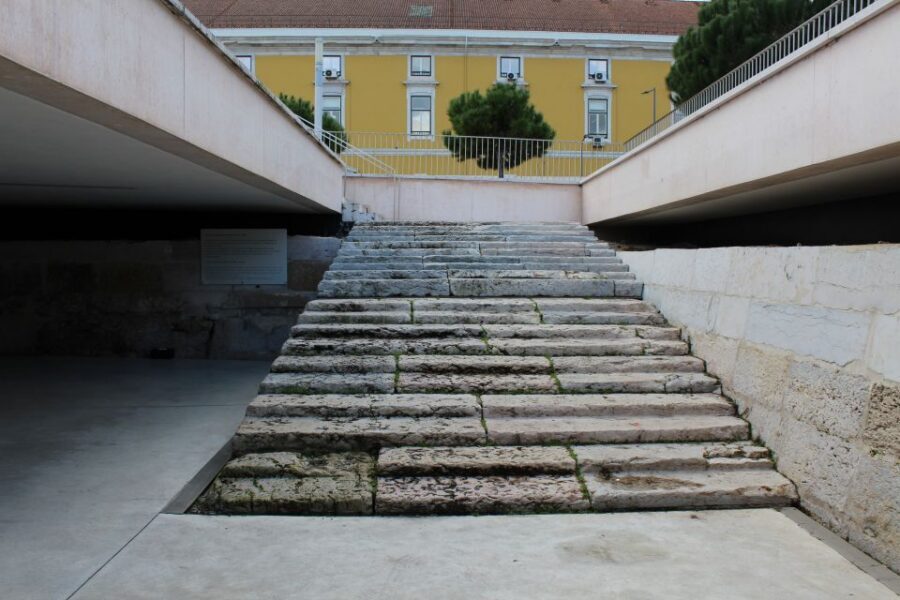
- Chafariz D’El Rei shows social class divisions in stone, including Africans
- Campo das Cebolas and the old port connect Lisbon to the arrival of enslaved Africans in Europe
- Praça do Comércio anchors the discussion in Portugal’s slave-trade era
- Rua Cor de Rosa, Rossio, and S. Domingos explore day-to-day life, religion, and social integration
- Rossio station links 19th-century Lisbon style to the political era around the Berlin Conference of 1884
Following Lisbon’s African legacy street by street
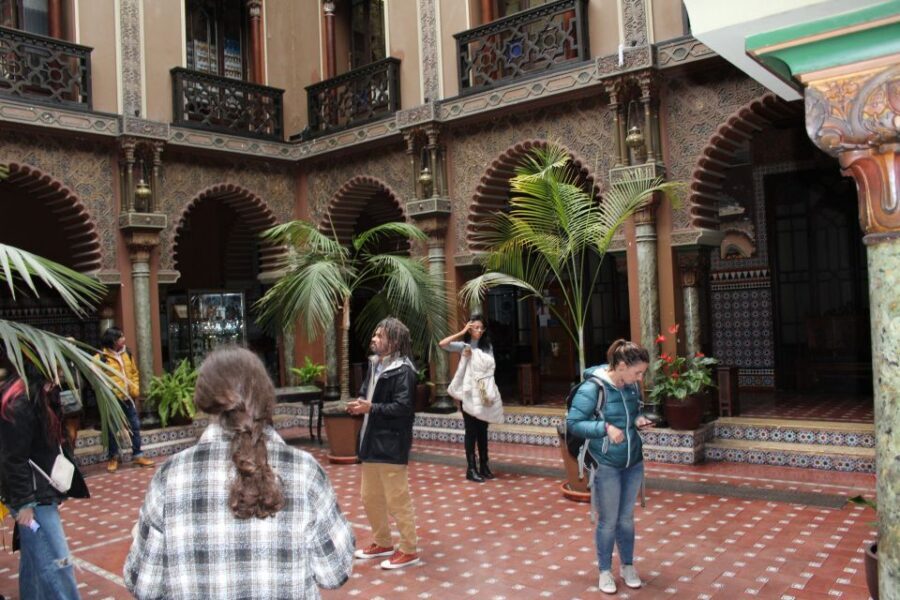
If you’ve only seen Lisbon’s postcard views, this tour gives you a different map. It focuses on African presence and influence across centuries, from Moorish-era Lisbon to the era when European powers divided Africa into colonies.
What makes it effective is the pacing: you move through neighborhoods and squares where you can actually look at the city layout. Then the guide explains what those places meant socially, economically, and spiritually. It’s historical honesty with walking shoes.
You’ll hear how Africans and African influence weren’t just “nearby” in the story. They were part of Lisbon’s daily life and its major economic engine. The tour also keeps the context broad enough to make sense without turning into a textbook.
You can also read our reviews of more walking tours in Lisbon


Meeting at A Padaria Portuguesa and getting your timing right
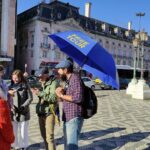
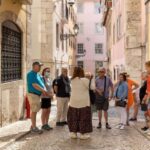
You meet your guide at A Padaria Portuguesa. From there, the tour stays strictly walking-based, so plan for city walking pace and some steps.
The total time is 3.5 hours, which is long enough to cover multiple districts but not so long that you’re wandering until your feet revolt. Still, wear shoes you trust. One practical tip from earlier participants: plan for uphill stretches and wear comfortable footwear.
Also, pack light. There’s a bottle of water included, but you’re carrying your own stuff. If you’re sensitive to heat, go earlier in the day.
Alfama: where Lisbon’s earliest links set the tone
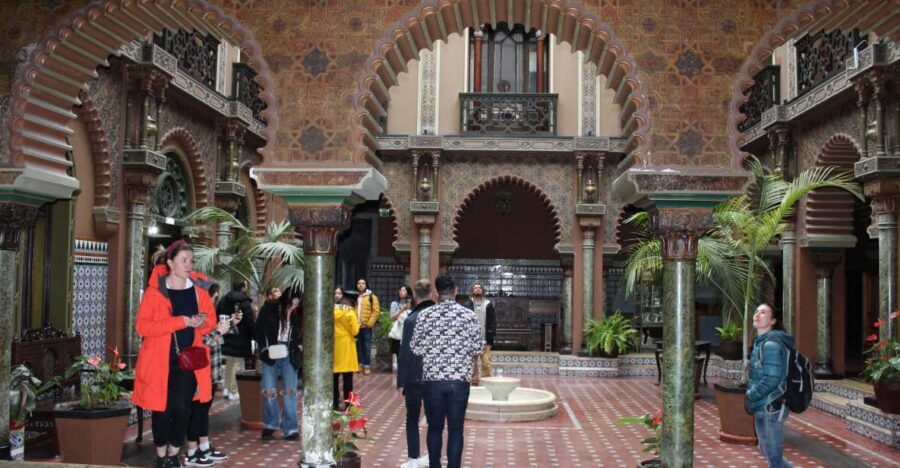
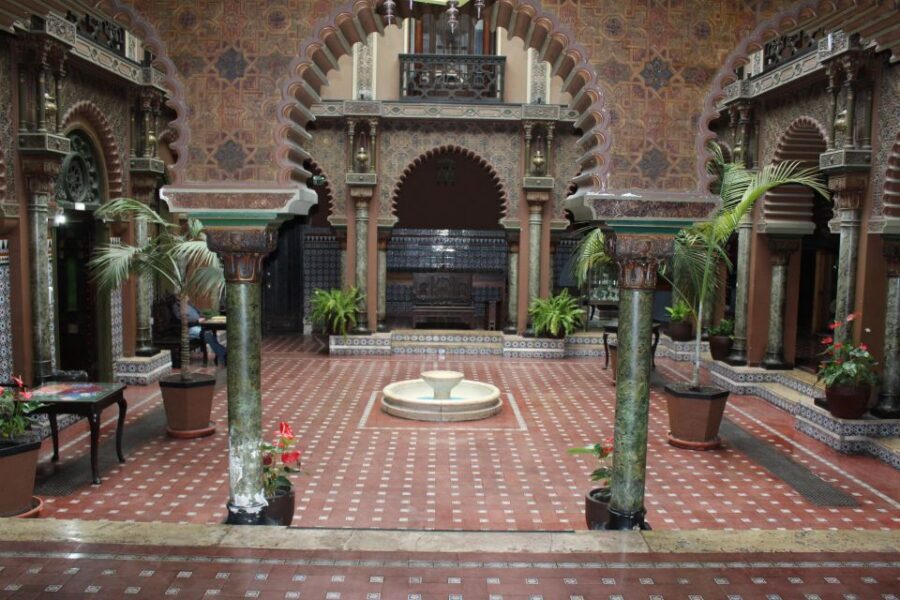
The route begins in Alfama, the oldest neighborhood in Lisbon. It was founded by the Moors, and that matters because it frames the tour’s central theme: Africa and Iberia were connected well before the transatlantic slave trade became the headline.
In Alfama, you’re not just looking at old streets. You’re getting the “roots” part first. The guide uses the neighborhood’s history to explain how people, ideas, and cultures moved across the Mediterranean and then through Portugal’s broader contacts.
Why I like this start: it avoids starting the story only at crisis moments. Instead, it shows earlier connections and then builds toward the darker chapters with clearer cause-and-effect.
Chafariz D’El Rei: the fountain that teaches class
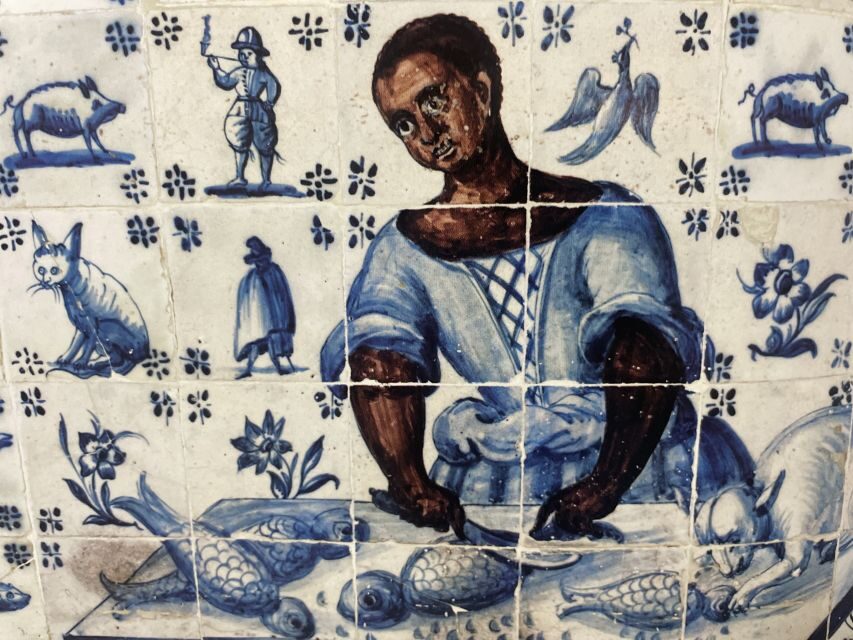
Next comes Chafariz D’El Rei, a fountain connected to how public space worked in the Middle Ages. This is one of the stops where the guide points out how water, housing, and civic life reflected social class.
The key detail here is that Africans are represented in the story tied to the fountain and its setting. The explanation helps you see that the city’s structure carried inequality, and that inequality shaped who had access to comfort and safety.
A fountain sounds simple until you realize it’s a social technology. It’s where people gather, where daily routines happen, and where class becomes visible without a lecture.
Campo das Cebolas and the first arrivals at the port
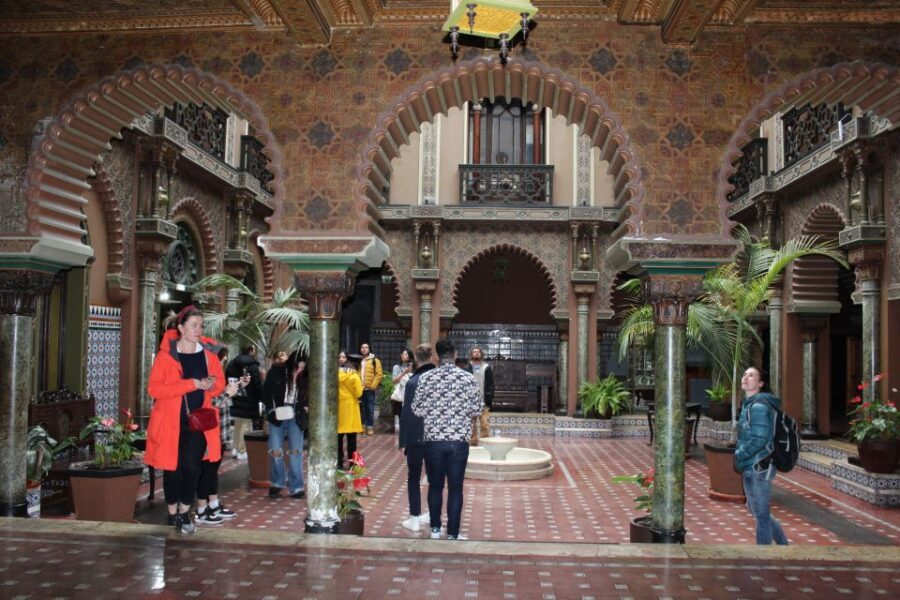
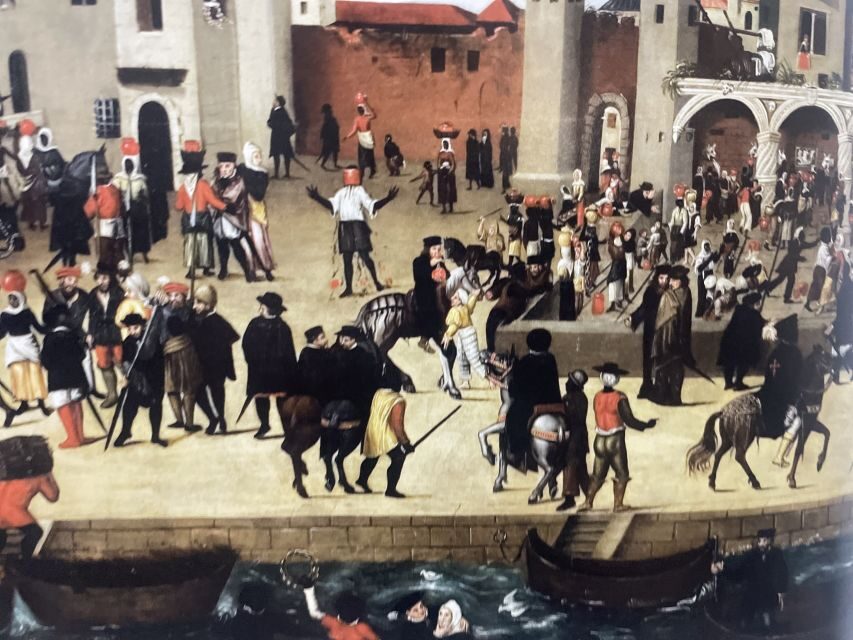
Then you reach Campo das Cebolas, tied to Lisbon’s old port. This stop anchors one of the tour’s most specific claims: that this is where the first African slaves arrived in Europe.
The old port area is especially important for understanding why Lisbon mattered. Portugal didn’t just have contact with Africa in the abstract. It was positioned as a gateway point through which enslaved people were transported.
Even if you already know the big timeline, this is the kind of stop that puts the trade onto real ground. The guide’s job is to connect what you see in the square to how the port would have functioned back then.
One watch-out: if you’re not comfortable with conversations about slavery and exploitation, this tour deals with them directly. It’s designed around historical honesty, not softening.
You can also read our reviews of more historical tours in Lisbon
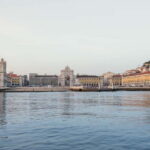

Praça do Comércio: an emblematic square tied to the slave trade
Praça do Comércio is one of Lisbon’s most emblematic places. It’s also a practical teaching tool because the scale is huge. That helps the guide explain how major political and economic events played out in a public space.
Here, the focus turns to Portugal’s slave-trade period. You’re shown how a grand square can connect to a grim reality. That contrast is part of the lesson: power often looks impressive while causing real harm.
This stop also helps you understand Lisbon’s “center of gravity.” When the port and commerce mattered, Lisbon’s most visible places took on an economic role. You start seeing the city as a machine, not just a collection of views.
Baixa and the 1755 earthquake: interaction after disaster
The tour spends time in Baixa, Lisbon’s central neighborhood. It was destroyed by the 1755 earthquake, then rebuilt, and that matters for how the guide talks about social interaction.
This is where the tour gets more about integration and daily life. The goal isn’t only to list events. It’s to explain how Africans fit into Portuguese society after major upheaval.
Earthquakes and rebuilding are not just background facts. They change who moves where, who gets employment, and what new spaces make possible. The guide uses the urban redesign logic to help you follow how communities interacted over time.
One thing to keep in mind: Baixa is central and active as a neighborhood, so you may feel a bit more city noise. The guide’s commentary helps you focus past the present-day bustle.
Rua Cor de Rosa: the women who lived between systems
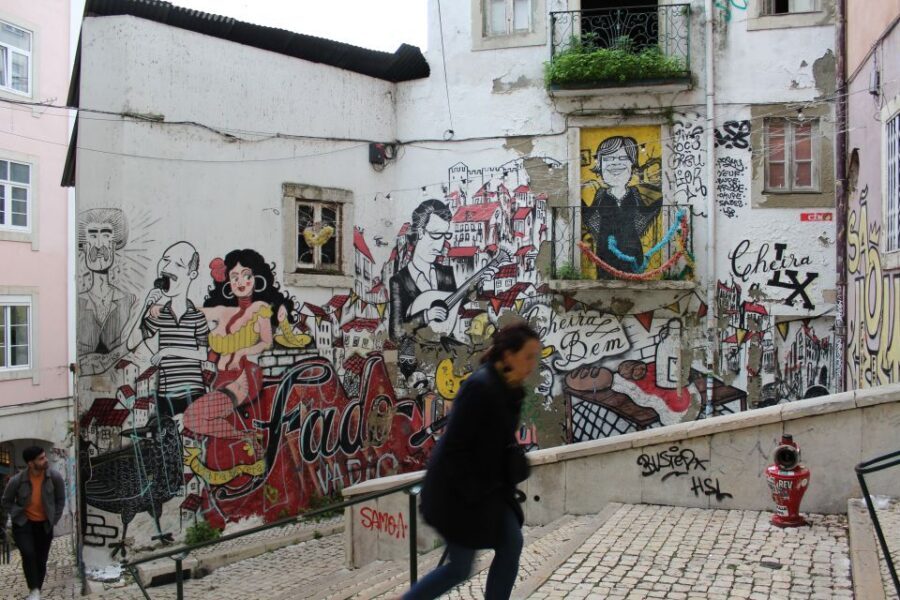
Rua Cor de Rosa is where the tour turns to something more personal and complicated: the place where several African women provided services.
The wording here points to forced or constrained circumstances as part of the social reality of different eras. The guide uses the street identity to talk about how Africans were positioned within Lisbon’s economy and social hierarchy.
I like this stop because it adds texture. It reminds you that integration wasn’t only about official institutions. It also happened in the messy corners of daily survival and work, shaped by inequality.
You’ll likely walk away with more questions than answers, which is a good sign. It means the tour didn’t flatten people into a single role.
Rossio: integration, colonies, and how stories spread
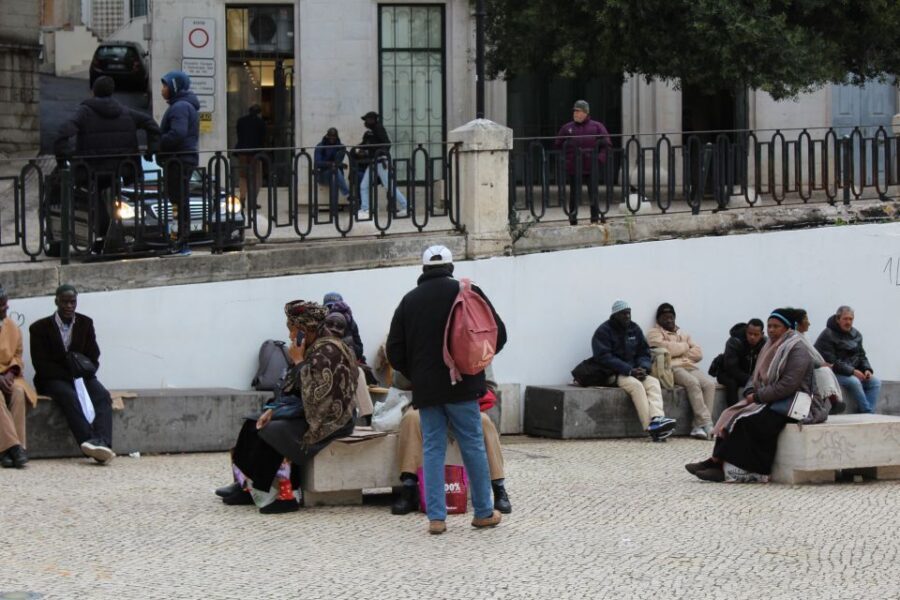
Then you head to Rossio, another central and busy area. This is where the guide connects African integration in Portuguese society to the creation of colonies.
Rossio works well for this theme because it’s a crossroads feel zone—one of those places where people move through the same space for different reasons. That makes it a natural stage for talking about how communities formed and how colonial policies echoed back into the city.
The guide also uses Rossio to connect Lisbon’s African connections to the bigger European conversation. This isn’t just Portugal “doing its thing.” It’s Portugal tied into a wider system.
Igreja de S. Domingos: Catholic integration made visible
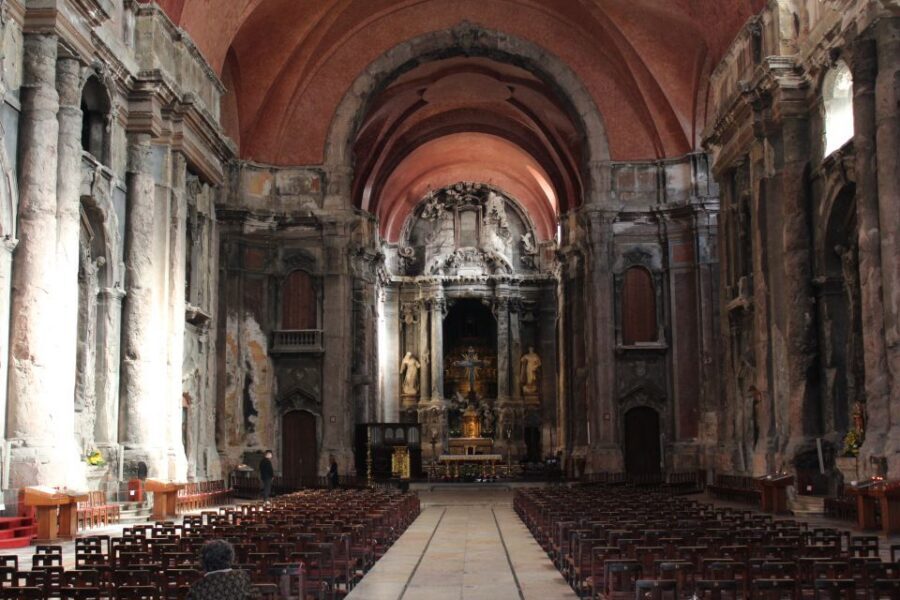
At Church of S. Domingos, the tour tackles how Africans were integrated into the Catholic religion and what achievements came with that change.
This is a sensitive topic because religion can be both refuge and pressure, depending on the era and the power structure. The guide’s approach helps you look at integration as a lived experience, not a slogan.
If you’re the type who likes seeing how belief shows up in architecture and routine, this stop is satisfying. You leave with a clearer sense of how faith became part of the identity story for Africans in Portugal.
Rossio train station and the 1884 Berlin Conference era
The final major stop is the Rossio train station, built in the 19th century with Manueline architectural style. The guide frames it as representing Portugal’s golden times and its push to claim a place among European powers.
Here’s the key historical connection: the tour links that ambition to the colonial era shaped by the Berlin Conference of 1884 and the partition of Africa into colonies.
This stop is powerful because the station feels triumphant. The guide doesn’t ignore that. Instead, it asks you to hold two thoughts at once: Lisbon’s architectural pride and the politics that helped drive imperial expansion.
If you’ve ever walked through pretty stations and thought only about the design, this stop changes how you read the building.
What you get (and why the price can still make sense)
The tour costs $176 per person for 3.5 hours. It’s a walking format with a live guide and includes a bottle of water.
So is it good value? I think it can be, especially if you want more than a facts-only circuit. The stops are specific, and the topics are demanding: Moorish origins, class in public works, port arrivals, slave-trade sites, social integration, Catholic life, and empire-era politics.
You’re also getting guide time across multiple districts, which is hard to replicate on your own without good context. If you prefer to read and research separately, you might feel the cost less justified. But if you want the story stitched together while you’re looking at the city, this pricing structure can work.
Food and drinks aren’t included, so plan for a stop after the tour. Earlier participants have also mentioned a snack break as part of the day, which can be a helpful pacing tool.
Who should book this Lisbon African History and Heritage tour
This is best for you if you like guided walking tours that go beyond surface sightseeing. It’s also a great fit if you’re curious about how Africa connects to Portugal through Moors, trade routes, religious integration, and colonial-era politics.
It’s not a great fit if you need a mobility-friendly experience. The tour is not suitable for people with mobility impairments, and the route includes uphill walking.
You’ll also want a bit of emotional readiness. This tour addresses slavery and exploitation directly, then traces the long social aftereffects in Lisbon.
If you want a gentle overview only, you might prefer a lighter history walk. If you want real connections and uncomfortable truth, this one does the job.
Should you book this tour?
Yes, if you want Lisbon that feels grounded in people and power, not just monuments. The route hits distinct places tied to African presence and Lisbon’s role in transatlantic slavery, then connects those dots to religion and empire.
Skip it if you can’t do a fairly active walking route or if you’re looking for a purely positive, low-stakes history tour. This experience is honest, structured, and emotionally direct.
If you do book, go with comfortable shoes and a patient mindset. The payoff is a city that makes more sense the moment you stop treating it as a postcard.
FAQ
How long is the Lisbon African History and Heritage Walking Tour?
It lasts 3.5 hours.
Where do I meet the guide?
Meet your guide at A Padaria Portuguesa.
What is the price?
The price is $176 per person.
What’s included in the tour price?
Included: bottle of water, guide, and a walking tour.
What is not included?
Not included: hotel pickup and drop-off, and food and drinks.
What languages are offered for the live guide?
The live tour guide is available in English, Spanish, and Portuguese.
Is the tour suitable for people with mobility impairments?
No. It is not suitable for people with mobility impairments.
Can I cancel for a full refund?
Yes. You can cancel up to 24 hours in advance for a full refund.