REVIEW · LISBON
Fado: Musical Walking Tour with Food & Live Show
Book on GetYourGuide →Operated by LISBOA AUTÊNTICA LDA · Bookable on GetYourGuide
Fado gets personal in Lisbon backstreets. This 3-hour walking tour takes you to the neighborhoods where fado grew up, with a live fado singer and a guide sharing the music’s story as you move through old squares and alleys. I like that it’s not only a performance: you get the context, too, in places tied to real fado life in Mouraria and Alfama.
Two things I especially like are the pairing of history + live singing while you walk, and the food stop that ends the tour in an authentic fado house. Guides such as Rita or Elena lead the storytelling, and the fado singer (for example, Ruca on past departures) adds emotional, on-the-spot songs that make the culture click fast.
One drawback to consider: this tour involves walking through older streets and it’s not recommended for small children or people with mobility impairments. Also, the included meal is described as caldo verde and barbecued chouriço, so if you avoid meat (or fish), you may want to check before you book.
In This Review
- Key things to know before you go
- Starting at Capela de Nossa Senhora da Saúde near Praça Martim Moniz
- Why a live fado singer changes the whole experience
- Walking the alleys of Mouraria: where fado’s story lives
- What you learn as the guide sets fado in context
- Visiting authentic fado houses: how to spot what’s real
- The Alfama meal: caldo verde, barbecued chouriço, bread, and wine
- Small group size: what 8 people does for your experience
- Duration and pace: a 3-hour plan that actually feels focused
- Price and value: what you’re truly paying for
- Who this tour suits best (and who should think twice)
- Should you book this Fado musical walking tour?
- FAQ
- How long is the Fado musical walking tour?
- Where do I meet the guide?
- How much does it cost?
- Is the fado singer part of the experience?
- What food is included?
- What languages are offered?
- How big is the group?
- What should I bring?
- Is this tour suitable for small children or families?
- Is the tour appropriate for people with mobility impairments?
- Is transportation included?
- Can I get a refund if I cancel?
- Is there an option to pay later?
Key things to know before you go
- Live fado while you’re walking: you don’t just sit and watch; you hear songs as the guide connects them to place.
- Mouraria + Praca Martim Moniz area: a more local, multicultural side of Lisbon than the postcard routes.
- Typical fado houses, not just one venue: you’ll visit spots tied to musicians who earned their living there for decades.
- A real Alfama fado-house meal: caldo verde, barbecued chouriço, bread, and wine are built into the experience.
- Small group, max 8 people: easier conversations with your guide and better energy around the singer.
Starting at Capela de Nossa Senhora da Saúde near Praça Martim Moniz
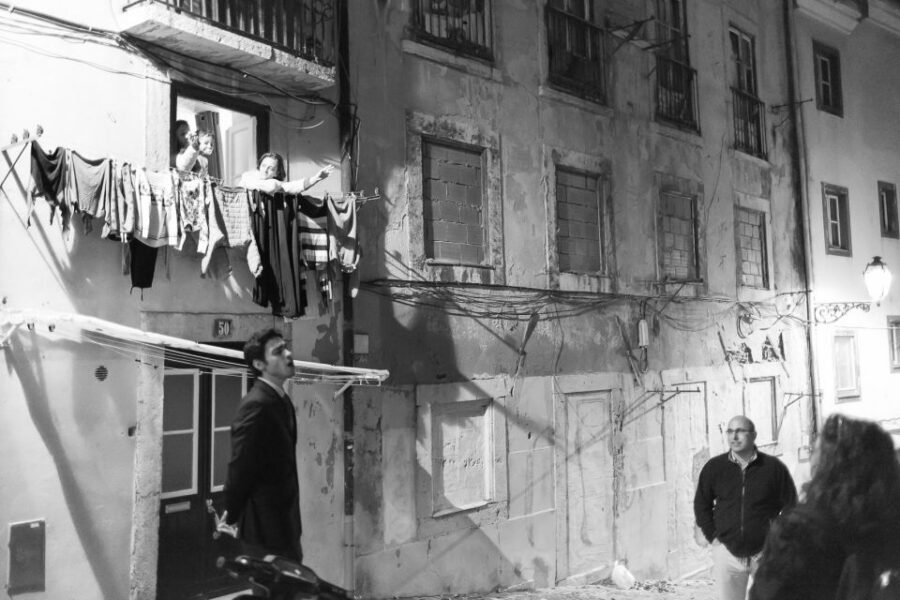
The tour begins at the Capela de Nossa Senhora da Saude in Praca Martim Moniz, Lisbon. This is a smart meeting point if you want the day to feel like Lisbon—because you start right in the middle of local street life, not at a museum door.
You’ll want comfortable clothes. That advice sounds generic until you picture the walking part: old neighborhoods mean uneven sidewalks, narrow lanes, and lots of turning corners. It’s exactly the kind of route where a guided group beats trying to “figure it out” on your own.
The tour also includes personal protection equipment (a mask and disinfectant gel). You’re not bringing extra gear for that part, but it’s worth having a small plan for where you’ll keep things while you’re moving.
You can also read our reviews of more walking tours in Lisbon


Why a live fado singer changes the whole experience
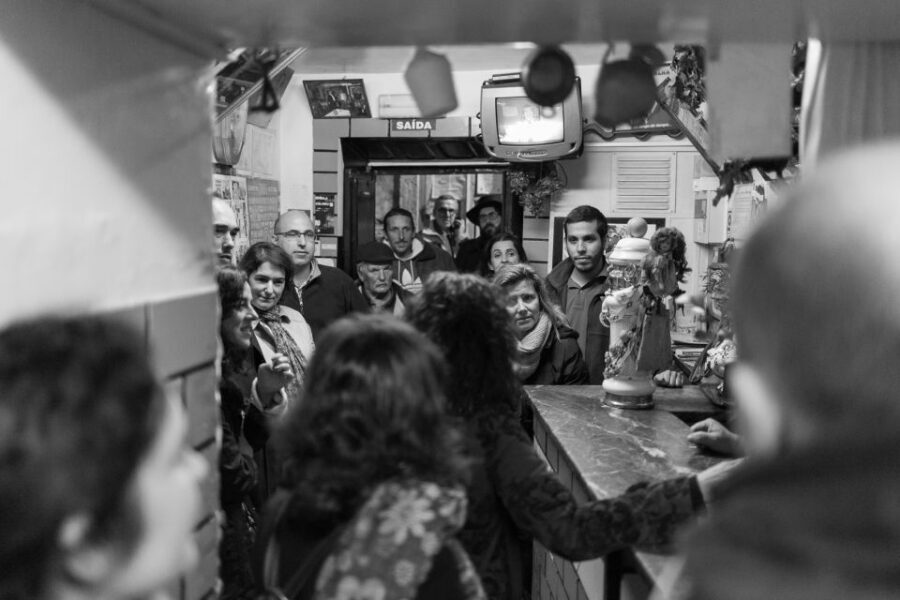
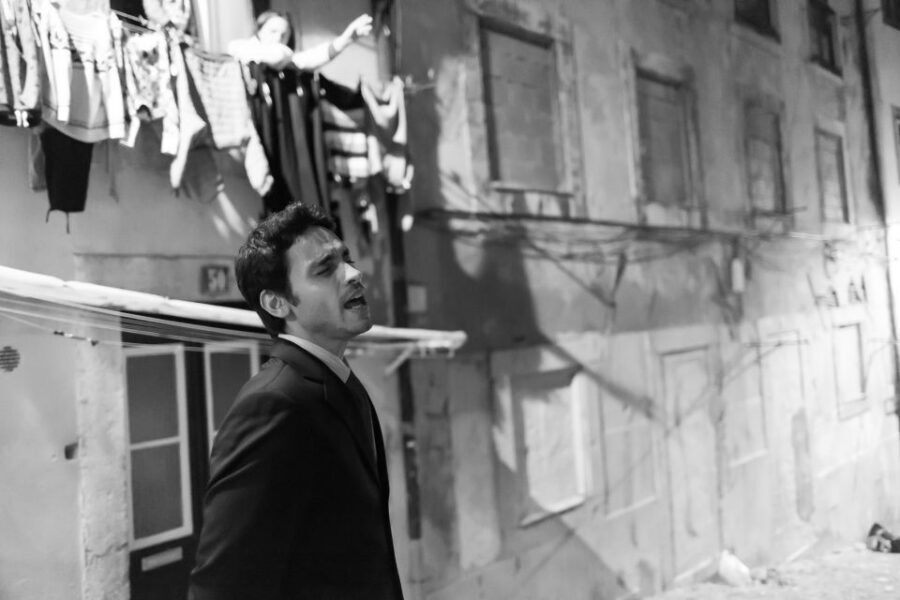
Fado is emotional music, but the difference here is timing and setting. You’re accompanied by a live fado singer and guide during the walk, so the stories aren’t floating in air—they’re tied to the moment you hear the song.
On this kind of tour, the guide’s job is to connect the why behind the music: where it came from, what life and language shaped it, and what different styles mean. With a singer present, you also get a clearer sense of tone—how the voice, phrasing, and mood shift with the theme.
In the same way a walking food tour makes you feel the city’s flavors in order, this tour makes you feel fado in order. First comes the story, then the sound, then the meaning lands. That’s why so many people love the experience as an introduction rather than a one-off show.
Walking the alleys of Mouraria: where fado’s story lives
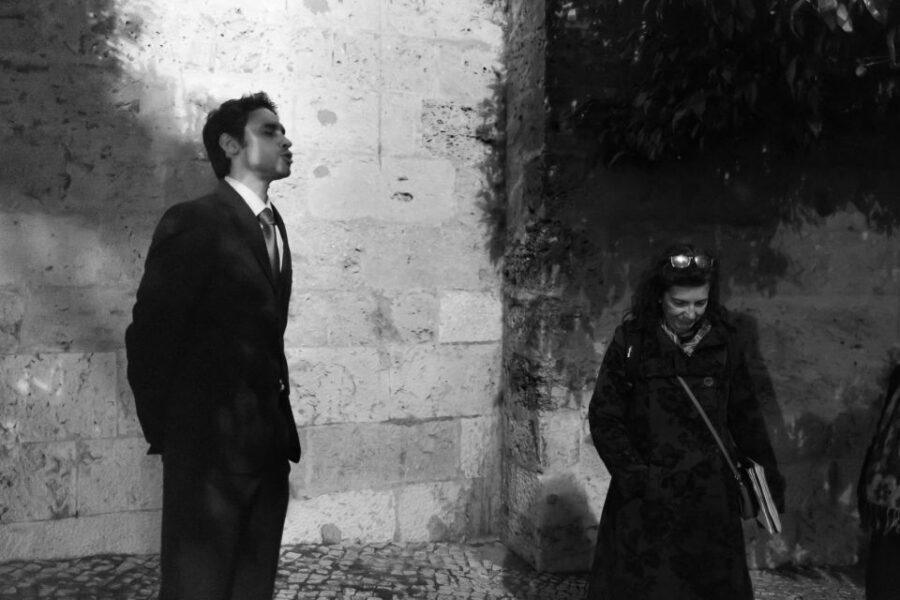
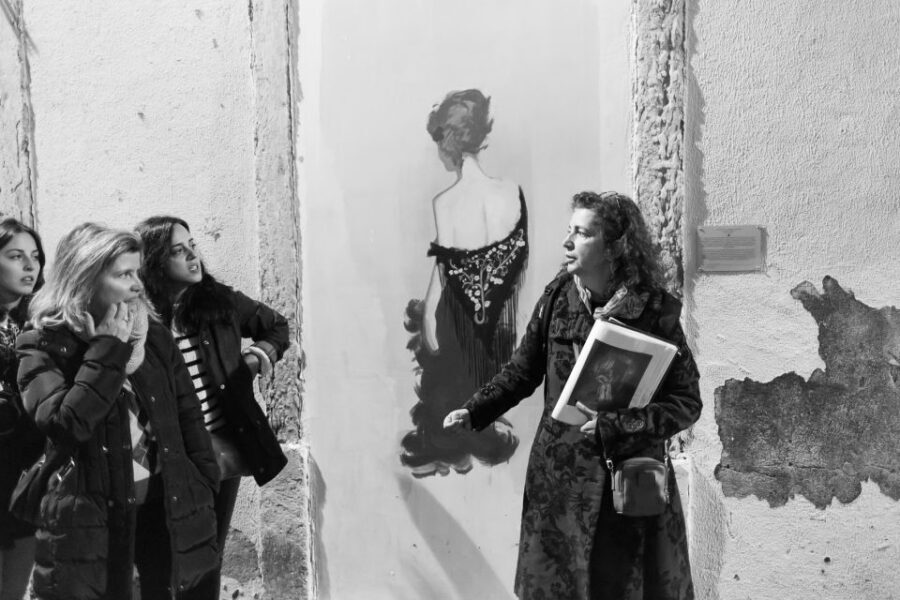
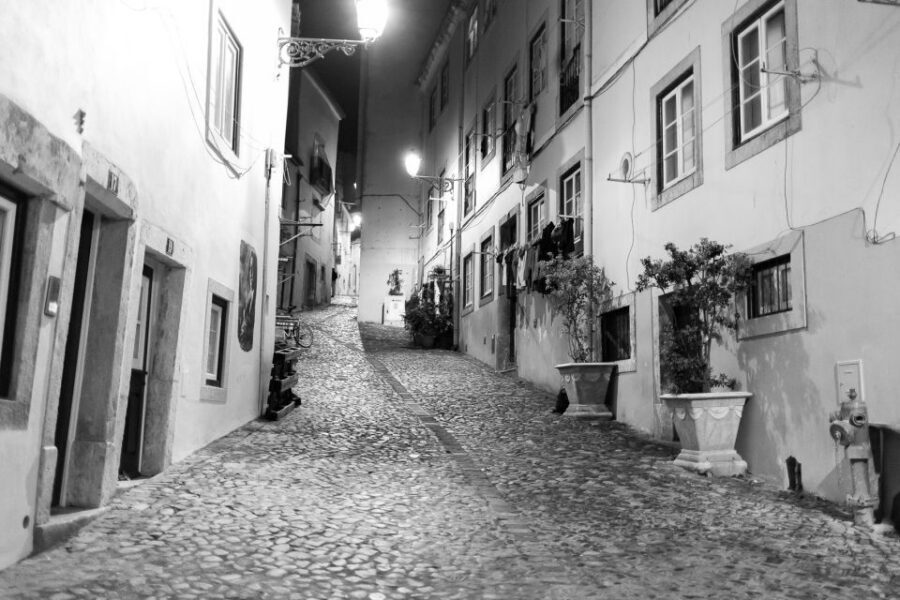
The heart of the tour is the walk through the neighborhoods linked to fado’s origins. You’ll explore around Praca Martim Moniz, then head into the Mouraria district—areas that are off the main tourist track and more about everyday life.
Mouraria matters because it’s historically associated with the cultural mixing that helped shape the music. The tour route is designed to keep you from treating fado as something that only happens in a single stage show. Instead, you learn to see fado as part of neighborhood identity.
You’ll also visit typical fado houses, the kind where musicians (fadistas) made a living for decades. That matters for your expectations. In a standard concert, the venue is the main character. Here, the neighborhood is part of the cast, and the fado house feels like a working place, not a themed attraction.
What you learn as the guide sets fado in context
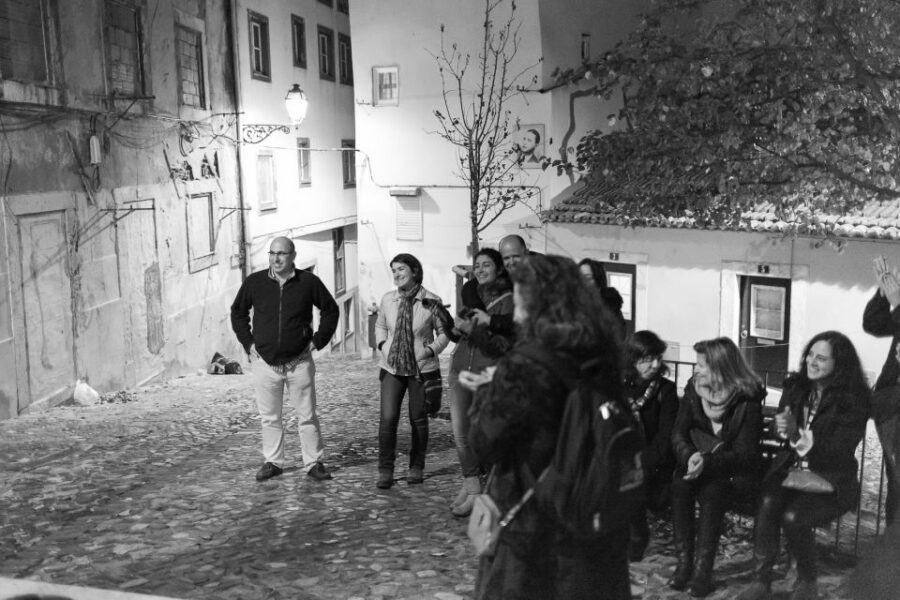
You’re not just hearing that fado has famous artists. You’ll learn how the tradition developed and why it resonated with Lisbon life. Your guide walks you through the origins of fado and how it sits in the culture of Portugal’s capital.
This is where the small details help. One nice touch is that your guide may provide notes for the fado songs at the restaurant and explain what they’re about afterward. That kind of follow-up turns the performance into something you can actually remember and repeat back later.
You’ll also hear songs sung by the live singer/guide while you’re out in the streets. That’s not just entertainment. It’s a practical way to understand style—because you can hear the music behave differently in different rooms and different acoustic settings.
And since the guide is speaking live in your language, the explanations land faster. The tour is offered in Portuguese, Spanish, English, French, German, and Italian, so you’re not stuck with partial meaning.
Visiting authentic fado houses: how to spot what’s real
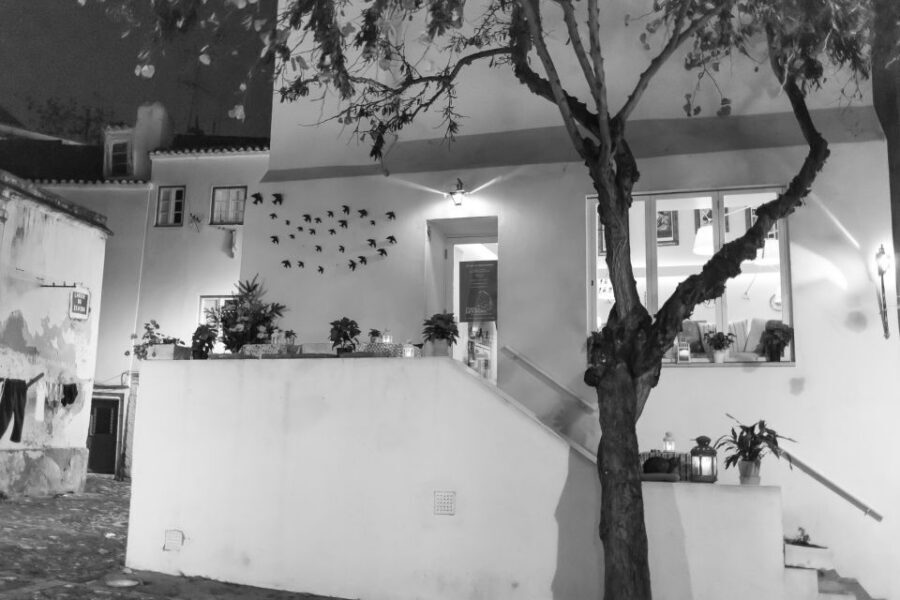
A big selling point is that you’re getting beyond the usual tourist path and seeing the kinds of fado houses that have been part of the scene for years. When you’re in Alfama and Mouraria, the streets can look similar at first glance—tight lanes, stone staircases, and small doorways.
The difference comes from atmosphere and attention to the music tradition. In the right kind of fado house, the performance feels integrated into the evening rather than added on later. You’ll recognize this because the guide frames what you’re seeing and because the singer’s presence makes the space feel alive in real time.
Also, this format matters because you’re moving between venues. One stop can be a performance moment. Multiple stops create the sense of a living culture. You’ll get that sense here, without spending your entire trip sitting in one room.
You can also read our reviews of more food & drink experiences in Lisbon





The Alfama meal: caldo verde, barbecued chouriço, bread, and wine
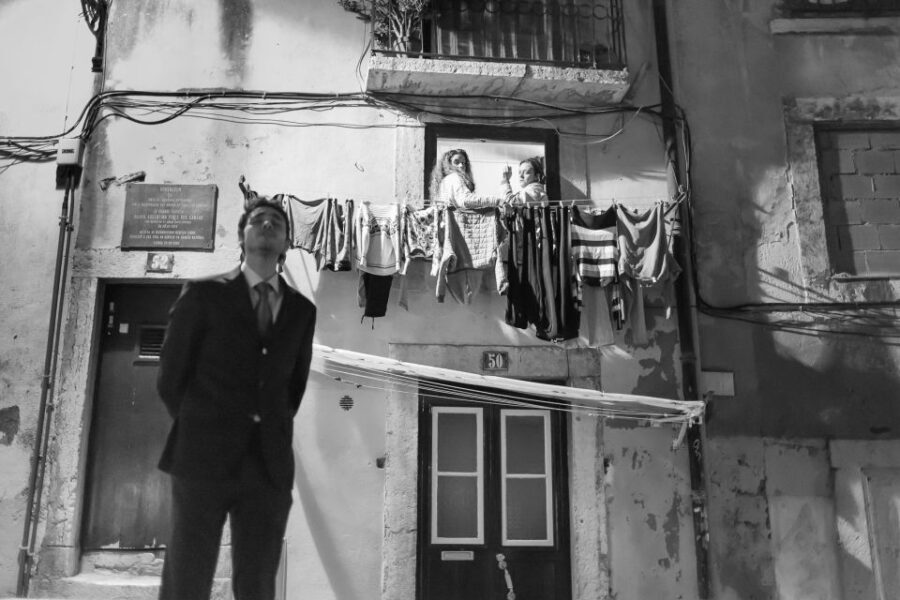
The tour ends with a traditional Portuguese meal in an authentic fado house of Alfama. The included meal is specifically caldo verde (a classic soup), barbecued chouriço (spicy sausage), plus bread and wine.
This is the right kind of food pairing for fado because it fits the way fado-house nights work in Lisbon. You get something warm and comforting first, then a savory main, then the evening’s music energy continues at the table.
A practical note: the included meal is described with meat elements (chouriço) and the dinner options you’ll encounter in that setting may be meat- or fish-focused depending on the restaurant. If you eat only certain foods, this is the one part to think through ahead of time. If you’re flexible, you’ll likely enjoy the classic simplicity of the menu—it’s meant to complement the show, not compete with it.
Small group size: what 8 people does for your experience
This tour caps at 8 participants. That changes the feel quickly.
With a smaller group, the guide can keep the explanation flowing without talking over everyone, and the singer can work with the space more naturally. You also have a better chance to ask questions and get answers that relate to what you just heard or saw.
It also makes the walking part less stressful. In larger groups, you spend time waiting and checking out where your guide is headed. With a small group, you move as a unit, and the experience stays rhythmic.
If you like tours that feel personal rather than production-line, this format is a good match.
Duration and pace: a 3-hour plan that actually feels focused
The total time is 3 hours, which is a sweet spot for a music tour with a meal. You’re not committing to a half-day or an all-evening outing.
The tradeoff is that it’s a brisk, concentrated experience. You’ll be moving from neighborhood to neighborhood and stopping for performances and dinner moments. Wear shoes you can walk in comfortably, because the value here comes from the sequence: story on the move, songs in place, then food at the end.
Price and value: what you’re truly paying for
At $100 per person, it’s not a bargain-basement activity. But it also isn’t just a ticket to a show.
You’re paying for several things that stack together:
- a live guide and live fado singer
- an experience built around multiple fado houses and local streets
- an included traditional meal with caldo verde, chouriço, bread, and wine
- the small-group size (max 8), which makes the whole night feel easier to participate in
Put simply: the value is the combination. If you only wanted a seated performance, you could find cheaper options. If you want fado to make sense—through context, place, and real neighborhood pacing—this format justifies the price.
Who this tour suits best (and who should think twice)
This experience fits best if you want more than background music. You’ll enjoy it if you like culture that comes with stories, if you enjoy listening in real spaces (not just theaters), and if you’re curious about how fado fits everyday Lisbon life.
It’s also a good pick for first-time visitors who want a quick, high-impact introduction. You get a strong sense of origins plus a taste of how fado houses operate, and you end with a classic Alfama meal.
Think twice if any of these apply:
- you have mobility impairments, since the tour is not suitable for that
- you’re traveling with small children, since it’s not recommended
- you need a strict dietary option, because the included meal centers on caldo verde and chouriço
Should you book this Fado musical walking tour?
I think it’s worth booking if fado is on your to-do list and you want it in a way that feels grounded. The format does two things well: it teaches you what you’re hearing and then lets you hear it in the places tied to the music.
If you’re the type who hates tourist-funnel nights, you’ll likely appreciate the focus on Mouraria alleys, typical fado houses, and the end-of-tour meal in Alfama. And if you want a romantic evening vibe without turning the whole night into guesswork, this is one of the clearer choices in Lisbon.
If you’re hoping for a purely casual stroll with no history, or you need easy access for mobility reasons, then skip it and choose a different style of fado evening.
FAQ
How long is the Fado musical walking tour?
It lasts 3 hours.
Where do I meet the guide?
Meet at the Capela de Nossa Senhora da Saude, Praca Martim Moniz, Lisbon.
How much does it cost?
The price is $100 per person.
Is the fado singer part of the experience?
Yes. The tour includes a live fado singer and a guide.
What food is included?
You’re served caldo verde, barbecued chouriço, plus bread and wine.
What languages are offered?
The tour guide speaks Portuguese, Spanish, English, French, German, and Italian.
How big is the group?
The group is limited to 8 participants.
What should I bring?
Bring comfortable clothes.
Is this tour suitable for small children or families?
It’s not recommended for small children.
Is the tour appropriate for people with mobility impairments?
No. It is not suitable for people with mobility impairments.
Is transportation included?
No. Transfers to/from the meeting point are not included.
Can I get a refund if I cancel?
Yes. There is free cancellation up to 24 hours in advance for a full refund.
Is there an option to pay later?
Yes. You can reserve now & pay later.