REVIEW · LISBON
10 Days Private Tour in Portugal
Book on Viator →Operated by walkborder · Bookable on Viator
Portugal feels more like a conversation here. This private, escorted route is built around guides who explain not just what to see, but why it matters, from Lisbon’s anti-seismic rebuild after the 1755 earthquake to the fado mood in Alfama. I also like that the pace leaves room for viewpoints, not just photo stops. One watch-out: admission fees and meals are not included, so you’ll want to budget extra once you’re on the ground.
Second, I love the mix of big-name sights with genuinely local stops. Cork craft near Evora, a winery visit in Alentejo, the Chapel of Bones, and the rock-built village of Monsanto make this feel like Portugal beyond the postcard. You’ll also hit classic food moments, from Pasteis de Belem to Serra da Estrela cheese and sausages.
Expect a trip that teaches you Portuguese daily life, with clear guidance at each turn and practical help along the way. It starts with airport transfer support, includes WiFi onboard, and runs like a smooth road trip with smart stops.
In This Review
- Key highlights worth planning for
- Lisbon’s quake-proof center, Arab echoes, and Belem’s sea-gold age
- Sintra-palace choices, Cabo da Roca drama, and the Atlantic road to Cascais
- Evora’s cork workshop, Alentejo wine tasting, and the Chapel of Bones
- Obidos time travel, Fatima’s basilicas, and Coimbra’s Joanina Library
- Aveiro’s canals to Costa Nova’s stripes, then Porto’s big shift north
- Porto’s tiles, towers, and tastings: the north’s best hits in one packed day
- Guimarães, Braga, and Bom Jesus: medieval foundations and baroque ascent
- Douro Valley viewpoints and quinta wine learning, without pretending it’s effortless
- Serra da Estrela peaks and Monsanto’s rock fortress houses
- Tomar’s Templar base, Convento de Cristo, and Santarém’s Stone Soup
- Price and logistics: what $2,894.01 per person is buying you
- Who this private Portugal tour suits best
- Should you book this 10-day private tour?
- FAQ
- What time does the tour start?
- Is airport transfer included?
- Are hotel stays included?
- Are meals included?
- Are admission tickets included?
- Is WiFi provided during the tour?
- Is this tour private?
- Do I get a mobile ticket?
- Is the tour dependent on weather?
Key highlights worth planning for
- Guide-led context at every major stop so you understand what you’re looking at, not just where to stand
- Lisbon viewpoints built into the day, including options like exterior views when you don’t want extra tickets
- A strong day-to-day variety: palaces, medieval towns, wine country, mountain villages
- Food and drink stops that feel intentional, from Pasteis to winery tastings and local specialties
- Stair-heavy sights are common, with a few options like funiculars and alternate viewpoints
- Private group experience so your schedule stays yours, even during busy days
Lisbon’s quake-proof center, Arab echoes, and Belem’s sea-gold age
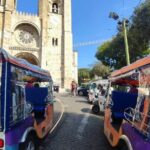
Your trip starts in Lisbon, with a day that basically teaches you the city’s layers. You begin in Baixa de Lisboa, the downtown rebuilt after the 1755 earthquake—straight, clean lines where designers literally tried to make the city survive the next big shake. It’s a great warm-up because it sets the mindset: Lisbon isn’t just scenic. It’s engineered.
From there, you can decide your style for Castelo de São Jorge. If you go in, you’ll get a long look at the site’s long history (Romans, then Arabs, then reconstructions). If you skip the inside, you still win with an excellent outside viewpoint at Miradouro de Nossa Senhora do Monte—useful when you want the view without the ticket adds.
Then comes Alfama, Lisbon’s oldest quarter. This is where the street maze helps you feel the past: narrow alleys, old defenses, and the neighborhood mood tied to fado and saudade. It’s easy to slow down here because the “tour” is walking—less checklist, more atmosphere.
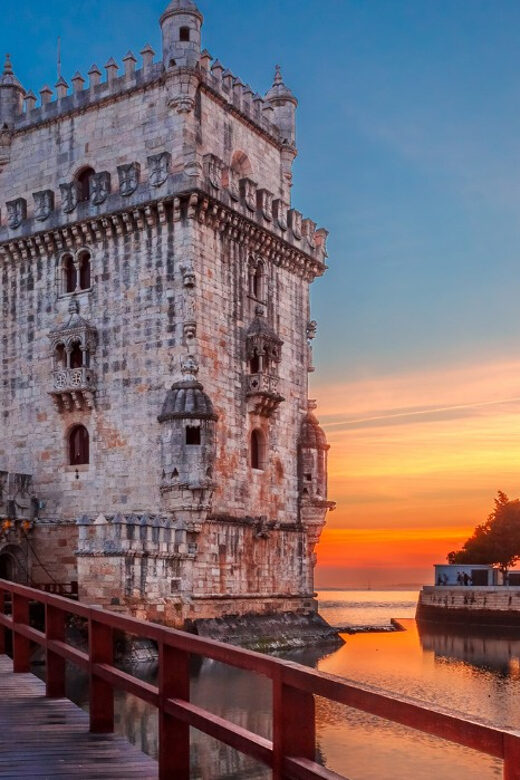
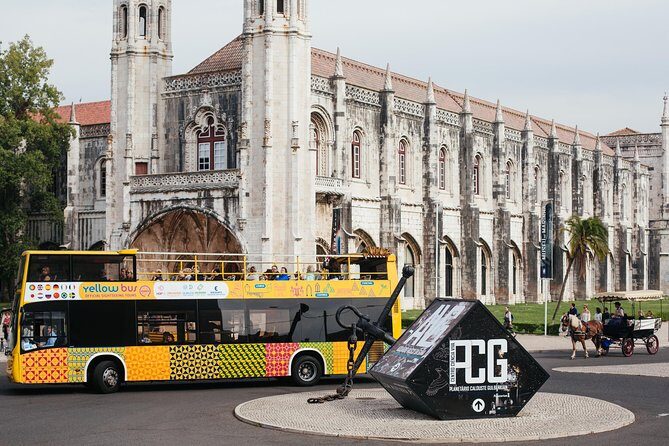
Later, you head to Belém, the Portuguese port-and-exploration story zone. You’ll see the Belém Tower area and monuments linked to the golden age of discovery, plus the Jerónimos Monastery area (ticket cost not included). If you love history that explains itself through architecture, this part works well. If you prefer light browsing, you might feel the day turns more “monument heavy” than “wander heavy,” so pace your energy.
To close the day, plan for a classic sweet stop: Pasteis de Belem. It’s one of those moments where you’re not just buying dessert—you’re tasting a piece of Lisbon’s identity.
Practical tip: this day includes some walking and uneven streets. Comfortable shoes matter.
You can also read our reviews of more private tours in Lisbon



Sintra-palace choices, Cabo da Roca drama, and the Atlantic road to Cascais
The second day shifts to Sintra, the aristocracy playground with a totally different vibe from Lisbon. You’ll start in the historic center, moving through tight lanes and specialty shops. One highlight built into the route is Piriquita pastry—your chance to try Sintra classics like queijadas and travesseiros.
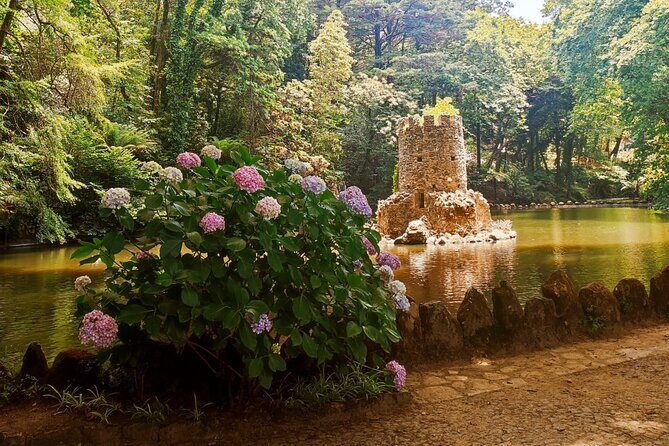
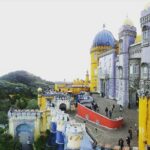
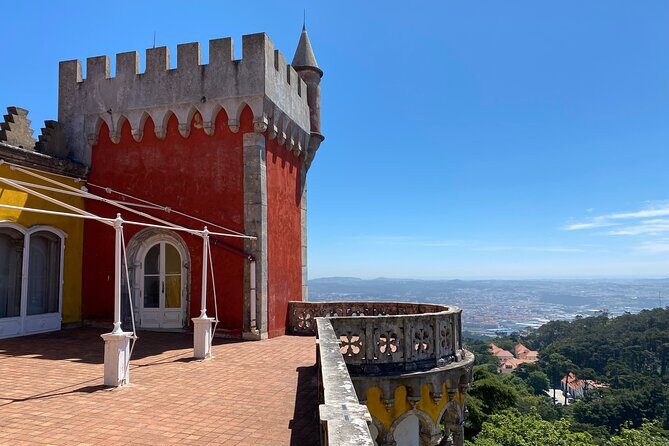
Then comes the real decision point: the palace complex area. With Palácio da Pena and nearby options, you don’t have to do everything. Your guide can help you choose what fits your interests—whether that’s the Moorish Castle testimony of Islamic presence, Quinta da Regaleira with its striking decoration and symbolism, or Pena’s 19th-century romantic revival look. Tickets here are not included, so your “choice” also helps control your spend.
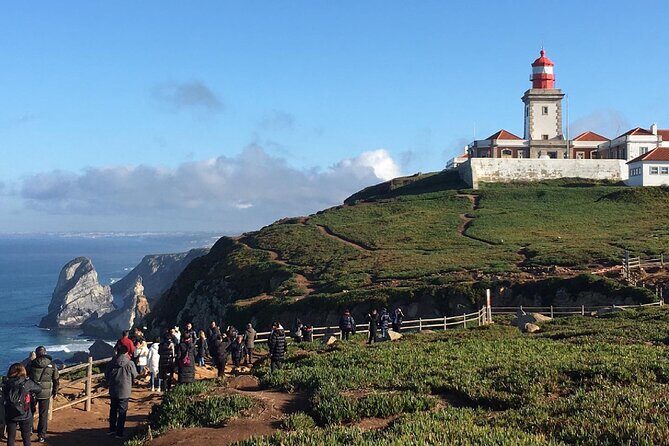
After the palaces, you go straight to the edge of Portugal at Cabo da Roca, the Snout of the Rock—where people talk about the sea beginning as the land ends. You’ll have time to look around and consider walking the nearby ecological rails if weather allows. This is one of those places where the wind does half the sightseeing for you.
Next up is Cascais and then Estoril. Cascais started as a fisherman’s town and now feels like a polished coastal hangout. Estoril brings in casino history, and you’ll travel back toward Lisbon along the Marginal road with big ocean views along the coast.
Practical tip: bring a layer. Even when Lisbon feels warm, the coast can feel cool fast.
Evora’s cork workshop, Alentejo wine tasting, and the Chapel of Bones
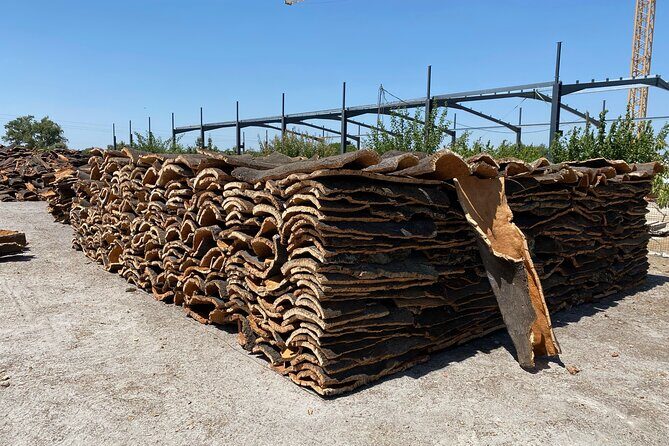
As the route heads toward Evora and the Alentejo region, the tone gets more “craft and taste” than “monuments and crowds.”
First stop: Corticarte for cork at a traditional cork factory. This is one of the more satisfying included experiences because you see the process instead of just buying the product. You learn how cork comes from the cork oak, how the bark is harvested after years of growth, and why cork’s properties make it heat-, cold-, and fire-resistant. Admission is included here, which makes this day feel like it gives you more than you pay for.
Then you move to Ervideira, a winery visit in Alentejo. This is personalized: you’ll get an explanation of the winemaking process and then taste different wines—white, rosé, and red—paired with regional items like Alentejo bread, sheep’s cheese, sausages, fruit compote, and toast with olive oil and oregano. Admission here is not included, but the structure is clear: you get education, then tasting, not just a quick pour.
Evora itself delivers the strong “stop-and-stare” moments. You’ll see the Chapel of Bones, with walls and pillars lined in human bones and skulls from more than 5,000 monks. It sounds intense, but it’s also surprisingly controlled as an experience: you step in, you look, and you’re nudged to think about mortality and life.
Nearby, you’ll visit the Temple of Diana, plus views tied to the aqueduct outside the city walls. And you’ll finish with Praca do Giraldo, the town’s central square—useful for recharging because it gives you real breathing room after heavier architecture.
Possible drawback: this stretch mixes included and not-included ticket sites, so your planning matters. If you hate “surprise totals,” decide early which paid sites you’re comfortable with.
Obidos time travel, Fatima’s basilicas, and Coimbra’s Joanina Library
Day four swings into Central Portugal with a classic three-part rhythm: medieval town, major religious shrine, and university baroque.
Start with Óbidos, a UNESCO World Heritage village that feels like walking inside a postcard built from whitewashed walls and narrow streets. The route also ties Óbidos to Portuguese royalty—used as a wedding gift for Queen Isabel, then associated with the House of the Queens. It’s a small place, but the story gives it shape.
Then you go to Fátima, focusing on the Cova da Iria area and the basilicas: Our Lady of the White Rosary and Holy Trinity, plus the Chapel of the Apparitions. Time here feels different from typical sightseeing. It’s slower, more reflective, and the scale can be impressive—especially when you’re inside the basilica spaces.
Later, you reach Coimbra, with university architecture as your “wow” moment: the Joanina Library at the University of Coimbra. This is baroque at full volume—decorations, frescoes, gilding details, and original design from the early 1700s. Admission is not included, so plan for another ticket if you want the full interior look.
In Coimbra’s historic center, you’ll also see Se Velha de Coimbra, divided mentally into High and Baixa. That split explains why the city feels like two different places: one shaped by students, clergy, and nobility; the other by commerce and daily life.
Possible drawback: religious sites and university buildings can be strict about timing and indoor rules. If you need maximum spontaneity, you’ll want to keep some flexible energy for stops where lines or time slots happen.
Aveiro’s canals to Costa Nova’s stripes, then Porto’s big shift north
On the next move, you travel from Coimbra toward Porto via the coast.
First: Aveiro, often called the Portuguese Venice because of its canals. You’ll walk through historic cable-stone streets and notice Art Nouveau and Art Deco buildings, including the Aveiro market area. You’ll also get context on the Moliceiro boats that historically moved salt and used materials from the sea. If you want an optional boat ride, this is one of those moments where it can be worth it because it matches the city’s identity.
Aveiro is also dessert territory. You’ll have a chance to try the local specialty soft eggs.
Then you head to Costa Nova, known for its famous striped “haystack” houses on the beach. These colorful buildings began as storage and fishing-related structures, then evolved into summer homes. It’s a great contrast after Aveiro: less canal romance, more ocean-and-sand character.
This day is efficient but can feel long, because you’re combining walking with driving. If you like structured travel days, this works well. If you prefer fewer seat hours, plan snacks and hydration.



Porto’s tiles, towers, and tastings: the north’s best hits in one packed day
Porto is where your trip starts feeling like a greatest-hits album—except you’re guided through it in a way that helps you connect the dots.
You begin with Boavista and a panoramic look at the Casa da Música. Then you move toward the city center and the Cordoaria Garden, plus the Victoria district and the area connected to Porto’s Jewish quarter history.
Your next big wow stop is the Clérigos Tower area. You’ll climb to a top view (with 200+ steps mentioned), plus the tower’s 76-meter scale. The bells are part of the experience too, and yes, they can startle you if you’re not expecting them.
Then comes a more modern-cultural stop: Livraria Lello. It’s famous for its staircase, and you’ll likely understand why people travel for it even if you aren’t a book-collector. Admission is not included, so decide if the interior is a priority for you.
Porto’s “set your eyes on it” moment is São Bento Railway Station, where thousands of illustrated tiles by Jorge Colaco tell Portuguese history and Douro/Minho traditions. Admission is free for this stop, and it’s one of those places where even short time feels satisfying because the tiles reward attention.
Next, you’ll visit the Francisco Church area and look at major religious architecture. The route also includes Palácio da Bolsa, UNESCO-listed, with the Arab Hall as a standout interior space (admission not included).
Cross the Dom Luís I bridge into Gaia, where you can add a boat trip option of about 50 minutes. Then you’ll visit a Port Wine cellar, where port wine is aged and tasted. This is not included in the base admissions list, but it’s one of the most “regional to the core” experiences on the whole trip.
Finally, you end with one more view: Miradouro Serra do Pilar. The circular monastery complex and the short climb (about 100 steps) give you a wide Porto-and-river perspective.
Practical tip: this day can involve a lot of stair climbing. If you’re planning the tower, church areas, and viewpoints all in one go, wear shoes you trust.
Guimarães, Braga, and Bom Jesus: medieval foundations and baroque ascent
Your trip continues deeper into the north with a region that feels older than the clock.
Start in Guimarães, the first capital of Portugal and a UNESCO site. The city sits on a sacred hill, with the statue of Afonso Henriques as a visual anchor. It’s one of those towns where the “first capital” label feels less like trivia and more like you can see the city’s importance in its layout and monuments.
Then you go to Paço dos Duques de Bragança, including the castle base and related church and palace spaces. You’ll also get time in medieval streets and squares—plus a chance to try Pastel de Santa Clara.
Next: Braga. It’s described as modern but layered with Roman and medieval influences. The cathedral area gets you inside the feeling of the city, with baroque interior details and a flow that works even if you’re just passing through for an hour.
The route also includes a stop linked to the cathedral treasures and museum areas (admission not included). This is where you can either go full details or skim if time is tight.
Then the day climbs uphill—literally. Bom Jesus do Monte is the baroque “jewel” stop: the Via Sacra chapels and a monumental staircase up toward the sanctuary (581 steps mentioned). If stairs aren’t your thing, you can also use the Bom Jesus funicular, described as water-powered and built to move without accidents. The funicular isn’t included in admissions, but it’s a strong option.
Douro Valley viewpoints and quinta wine learning, without pretending it’s effortless
After Porto, the route shifts into the Douro Valley style of travel: scenic stops, wine regions, and slower-looking landscapes.
First stop: Amarante and the Saint Gonçalo area. You’ll see Romanesque architecture and the church and convent tied to this saint, with the Saint Gonçalo bridge giving you a classic riverside composition. If you’re there on weekends, the route notes that you’ll see local sweets sold around this time.
Next: Casal de Loivos, a viewpoint over mountains and valleys shaped by humans and nature working together. This stop is short but valuable, because it resets your eyes after city architecture.
Then you reach Pinhão Railway Station, famous for tiled panels showing old winemaking ways in this UNESCO-listed wine region. The route also gives you a historical anchor: the Alto Douro demarcated wine region established in 1756 by the Marquis de Pombal. That detail helps you understand why the wine here isn’t a side hobby—it’s structured, historic, and tied to Portuguese identity.
Finally, the heart of the valley experience: a visit to a Quinta do Tedo winery for process learning and tasting. You’ll hear how vineyards are cultivated and pruned, how harvesting happens, and how wine becomes the final product. Admission is not included, but the structure is clear: education first, then tasting.
Possible drawback: this part of Portugal can involve winding roads and photo-heavy pull-offs. If you get car-sick easily, plan accordingly and use the onboard breaks to reset.
Serra da Estrela peaks and Monsanto’s rock fortress houses
Day nine turns you toward the high points of Portugal: Serra da Estrela, the highest point of continental Portugal at 1,993 meters. This is also one of the few regions that can see snowfall, and the route even mentions winter temperatures can drop as low as -20°C.
The win is that you’re not just driving to a number. You’re also guided toward practical experiences like local gastronomy. The route highlights Serra da Estrela cheese and sausages (chorizo), which is exactly the kind of “food tied to place” you want in a longer tour.
There’s also mention of ski resort availability in winter, with equipment rentals and slopes. Even if you aren’t skiing, the fact that this region can become a winter destination changes how you should pack. Bring layers no matter the season.
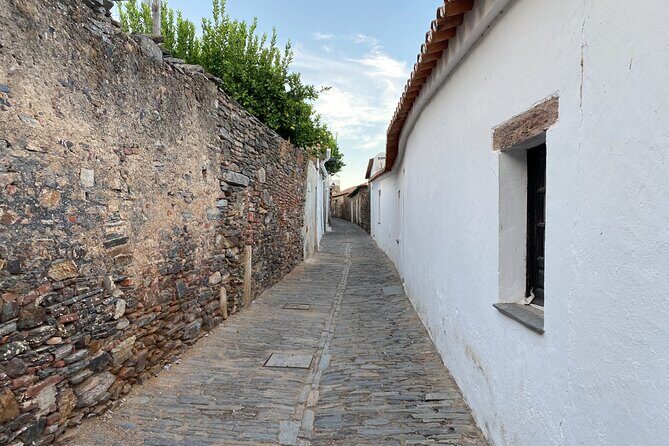
Then comes Monsanto, described as one of the most Portuguese villages in the whole country. You’ll visit its castle and historic center, with houses built into rocks and made fortified—so the village feels like a natural fortress rather than a planned development.
Practical tip: this is a day where uneven streets and cold wind can matter. Plan for traction and warmth.
Tomar’s Templar base, Convento de Cristo, and Santarém’s Stone Soup
Your final day blends medieval military order power with Portugal’s baroque and exploration-era connections.
Start in Tomar, including the base of the Order of Knights Templar in Portugal. The medieval old part is organized with a convent at each extreme and a central Republic Square area. You’ll also see the hill of the Castle and Convent of Christ, plus traditional shops.
Food here matters too. The route mentions almond and chila cheesecakes and Tomar slices made with egg yolks in a special saucepan—a pastry tradition with a legend attached.
Then you visit Convento de Cristo, linked to the Templars and later to the Order of Christ after the Templars’ extinction. You’ll learn how the 1755 earthquake damaged parts of the structure, leading to later changes that altered the original austerity. Admission is not included, so if you care about interior detail, plan that cost.
Next: Igreja de Santa Maria dos Olivais, another Templar-linked site and an emblematic example of Gothic art. You’ll also see its role as a headquarters for the order, and it’s noted as having a lower ground level due to how it was buried relative to surrounding terrain. Admission is free here.
Finally, you reach Santarém, described as Portugal’s baroque city. You’ll visit Graca Church, where the tomb of the discoverer of South America, Pedro Alvares Cabral, is located. You’ll also have a chance to try Soupa da Pedra, Stone Soup, a regional dish built from local products and tied to local legend.
Price and logistics: what $2,894.01 per person is buying you
At $2,894.01 per person for about 10 days, this is not a bargain tour. It’s a private one, which changes the math. You’re paying for a dedicated guide experience across major regions, plus airport transfers and a road plan that links distant areas without you having to coordinate everything yourself.
Here’s what’s included:
- airport transfers from and to the airport
- personal accident insurance
- bottled water
- WiFi on board
- mobile ticket
- pickup offered
And what’s not included:
- admission fees
- hotels
- meals
So the value question becomes: does the guide-led structure save you time and stress enough to justify the private cost? In places like Sintra palace decisions, Porto’s many architectural stops, and the wine-and-craft days in Evora and the Douro, having someone explain what you’re seeing is more than convenience. It’s how you avoid wasting hours guessing.
One more practical note: you’re driving across different regions, so long days are part of the deal. The good news is that the route includes plenty of stops where you can get out and reset.
If you hate adding up tickets, pick which paid sites are musts for you early. A lot of highlights in this route are ticket-based: tower interiors, monastery areas, churches, and wine-cellar tastings.
Who this private Portugal tour suits best
This works especially well if you want a guided path through Portugal’s major regions without turning your trip into planning homework. It’s also a strong fit for couples and friends who like structured days but still appreciate time for viewpoints and local wandering.
It’s less ideal if you’re very price-sensitive once ticket totals arrive, or if your mobility is limited. Several stops involve steps: climbing up towers, viewpoints with stair climbs, and Bom Jesus’s 581-step ascent (though the funicular option is part of the plan).
If you’re the type who enjoys learning how a place works—earthquakes shaping streets, wine regions shaped by history, and architecture tied to orders and faith—this tour style makes that easy.
Should you book this 10-day private tour?
I’d book it if you want a guide-led Portugal road trip that links Lisbon, Sintra, Evora, Coimbra, Porto, the Douro Valley, Serra da Estrela, and back through Templar-era Tomar. The pacing feels built for understanding, not just checking boxes.
I’d think twice if you don’t want to pay extra for entrances and meals, or if you prefer a slower self-guided route where you pick every stop independently. In that case, you might find a cheaper style fits better.
FAQ
What time does the tour start?
The start time is 9:00 am.
Is airport transfer included?
Yes. Transfers from and to the airport are included.
Are hotel stays included?
No. Hotels are not included.
Are meals included?
No. Meals are not included.
Are admission tickets included?
Admission fees are not included.
Is WiFi provided during the tour?
Yes. WiFi on board is included.
Is this tour private?
Yes. It’s a private tour, and only your group participates.
Do I get a mobile ticket?
Yes. The tour includes a mobile ticket.
Is the tour dependent on weather?
Yes. It requires good weather. If it’s canceled due to poor weather, you’ll be offered a different date or a full refund.