REVIEW · ALMADA
Fragata D. Fernando II e Glória: Admission Ticket
Book on GetYourGuide →Operated by Marinha · Bookable on GetYourGuide
A ship museum with real deck feel. The Fragata D. Fernando II e Glória lets you walk through the last wood sailing ship of the Portuguese Navy, and you get that classic at-sea atmosphere from the way it’s laid out in a dry dock. I like the four-deck layout (you actually see how the ship was put together), and I like the focus on life aboard, not just posters. One drawback to plan for: the QR app guide can be flaky, so bring patience and expect written English/Portuguese support instead of full narration in every language.
You’ll also want to know what’s off-limits. The U-boat entrance is not included because it’s still closed, and the visit is on a ship in a dry dock. I think this works best if you like hands-on ship details and don’t need a lot of comfort-focused infrastructure.
In This Review
- Key highlights you’ll care about
- Getting Oriented at the Dry Dock in Lisbon
- The Ship’s Big Story: From 1843 Sailing to a Museum You Can Walk
- Boarding Feel: What “Life Aboard” Looks Like on Four Decks
- Using the Free QR Code App Guide (and What to Do if It Fails)
- Activities Inside the Ship: Small Stops That Make It Go Faster
- The U-Boat You Don’t Get (And Why That’s Not a Deal Breaker)
- Who This Visit Fits Best (and Who Might Find It Hard)
- Price and Value: What $8 Buys You
- Logistics That Help Your Day Run Smooth
- Should You Book the Fragata D. Fernando II e Glória?
- FAQ
- How much does the admission ticket cost?
- How long is the visit?
- Where does the experience start?
- What’s included with the ticket?
- What is not included?
- Are there QR codes and an app guide?
- Is the U-boat entrance open?
- Is this experience suitable for wheelchair users?
- Can I cancel for a full refund?
- Is there a reserve-and-pay-later option?
Key highlights you’ll care about
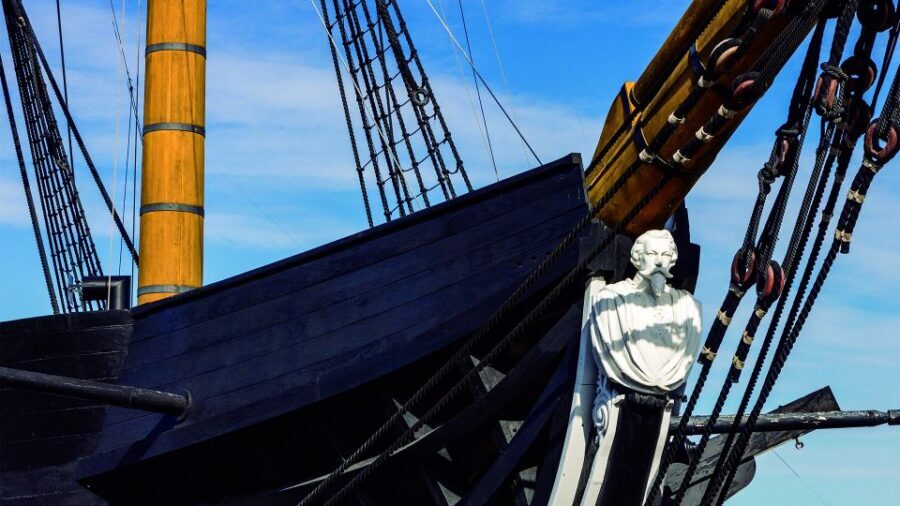
- Four decks to explore, so the ship feels more than a single photo stop.
- Last sailing ship of the Portuguese Navy, launched in 1843 and sailing over 100,000 nautical miles.
- Carreira da Índia connection: Portugal’s East Indies trade routes are built into the story.
- Rebuilt after the 1963 fire, then preserved through its long recovery period until 1992.
- QR code app guide included, but it’s smart to have a backup mindset if it doesn’t load fast.
Getting Oriented at the Dry Dock in Lisbon
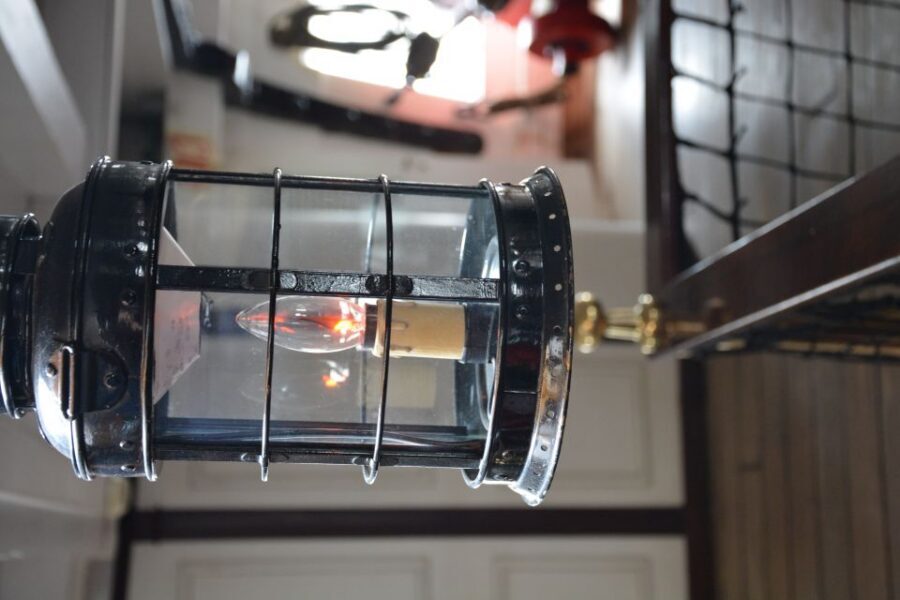
This is a straightforward visit, but you’ll feel it the moment you arrive. The frigate sits in a dry dock near a square in Lisbon, and you don’t start with a big museum complex. You start with the ship itself, which matters because you’ll immediately understand why it’s worth walking through: it’s a working-ship layout turned museum.
Before you go aboard, you need to exchange your voucher at the ticket counter. That step is quick, but don’t treat it like a formality. If you’re trying to line up a day of sights, give yourself a few minutes to get your ticket sorted so you don’t cut into your hour on the decks.
Practical tip: when you board, take a moment to slow down and scan the ship’s structure. The whole experience works best when you read the decks like they’re still in use—where people would move, where sightlines go, and how different levels connect.
You can also read our reviews of more tours and experiences in Almada.



The Ship’s Big Story: From 1843 Sailing to a Museum You Can Walk
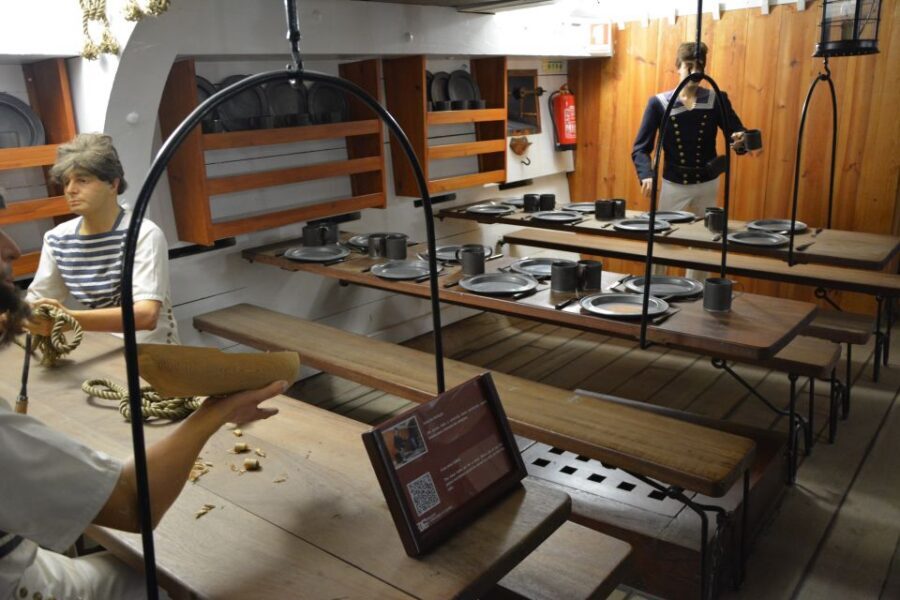
The Fragata D. Fernando II e Glória was launched in the sea in 1843. Over more than 33 years, it traveled more than 100,000 nautical miles—about five trips around the world. That scale changes how you look at it. It’s not a small display; it’s an artifact that actually did long-distance work.
Then comes the part that makes this ship’s museum time feel real: the 1963 fire left the vessel almost submerged in the Tagus River. It wasn’t a quick fix. The ship stayed in that damaged state until 1992, and it only became a museum in 1998.
When you walk the decks, you’re not just seeing wood and metal. You’re seeing a vessel that survived tragedy, was rebuilt, and later became a public space where you can physically trace its life cycle. That’s the unique value here: you’re stepping into a ship that has already lived through its hardest chapter.
Boarding Feel: What “Life Aboard” Looks Like on Four Decks
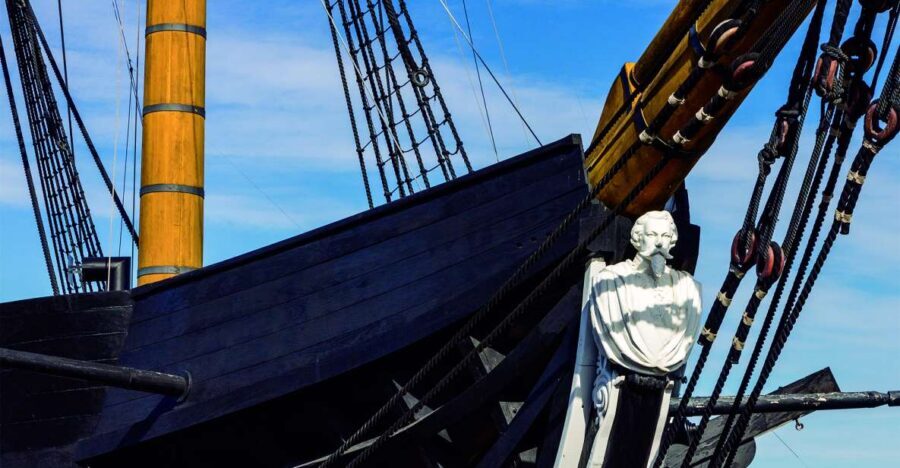
The visit is built around exploring all decks—specifically four decks. That’s a key detail, because ship museums often feel repetitive: you walk past rooms, read a panel, and move on. Here, the deck-to-deck experience helps you understand how life would have been distributed through space.
As you move up and across, you’ll notice the ship’s layout doing the storytelling. The experience is designed around “real life scenes” on board a ship, meaning you’ll encounter the kinds of visual cues that make the vessel feel inhabited, not just displayed. Even if you’re not a maritime expert, you’ll start to connect the dots faster because you’re physically changing levels.
What I like for planning: the visit is only about one hour. That’s long enough to explore four decks without feeling rushed, but short enough that it won’t derail a packed Lisbon day.
Using the Free QR Code App Guide (and What to Do if It Fails)
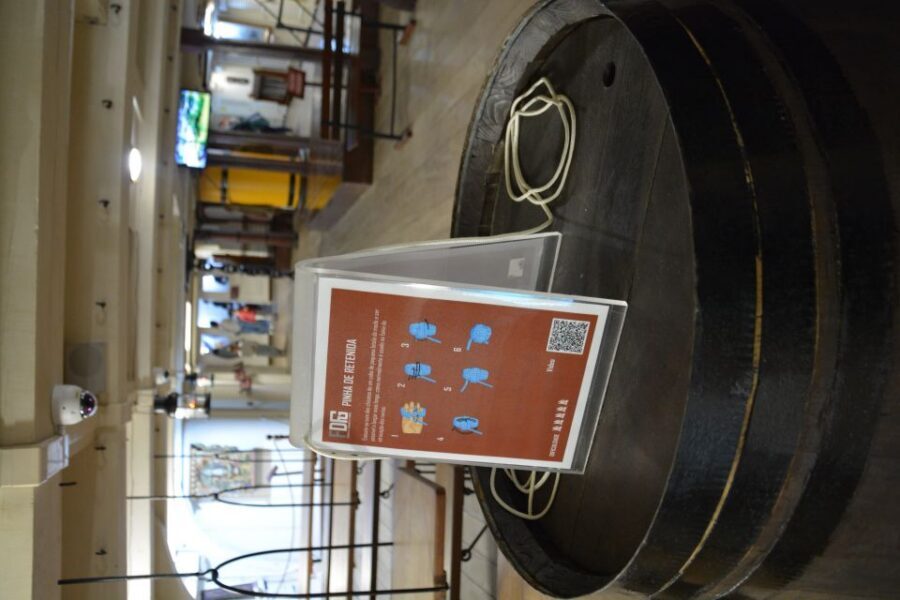
You get a free QR code app guide included with the admission. In theory, it’s a great way to add context without stuffing you with a paper booklet. In practice, it’s smart to treat your phone like a helper, not the single point of success.
One issue that has popped up in real visits is QR code reliability. Some codes don’t load instantly, and in at least one case the QR approach didn’t work as expected. Also, the explanations you may find tend to be written in English and Portuguese, not in every language. So if you don’t read those, plan to get meaning from what’s physically in front of you—decks, fittings, and the way the ship is presented.
My advice: download or prepare your access before you’re fully on the ship. Once you’re aboard, you’ll want to keep moving at the ship’s pace, not stop to troubleshoot your device.
Activities Inside the Ship: Small Stops That Make It Go Faster
The ticket includes “activities throughout the ship.” That wording matters. It signals that the visit isn’t only a slow walk with static panels. You’ll likely encounter prompts or small moments that keep you engaged as you cross levels.
For you, this usually translates to better pacing. Instead of trying to absorb everything in one go, you’re nudged to pay attention to specific points as you go. That’s especially helpful in ship settings, where it’s easy to get lost in the sheer amount of detail.
If you’re traveling with someone who gets bored by museum labels, this is the part that can keep things lively—because you’re not stuck reading for the entire hour.



The U-Boat You Don’t Get (And Why That’s Not a Deal Breaker)
There’s one item that’s explicitly not included: entrance on the U-boat. The reason given is simple—it’s still closed.
This can affect your expectations if you’re hoping for a two-vehicle experience (frigate plus submarine). But based on how the frigate visit is framed—four decks, app guide, and ship-life scenes—the core value is still the main vessel.
So think of this as a frigate-only experience, even if there’s a submarine nearby in the museum context. If you go in knowing that the U-boat entrance is off the table, you’ll enjoy the time you do get.
Who This Visit Fits Best (and Who Might Find It Hard)
This isn’t a casual stroll for everyone. The ship museum setup is not suitable for mobility impairments and wheelchair users. That matters because you’re on a ship in a dry dock, and those spaces typically have uneven transitions, limited maneuvering, and stair-like movement.
If you’re comfortable climbing and standing for about an hour, this is a great fit for:
- Maritime fans who like ship structure and deck layout
- People who enjoy museums with a strong sense of place
- Travelers who want a compact activity that still feels meaningful
If you struggle with steps or mobility constraints, you might want to consider other Lisbon museum options with smoother access.
Price and Value: What $8 Buys You
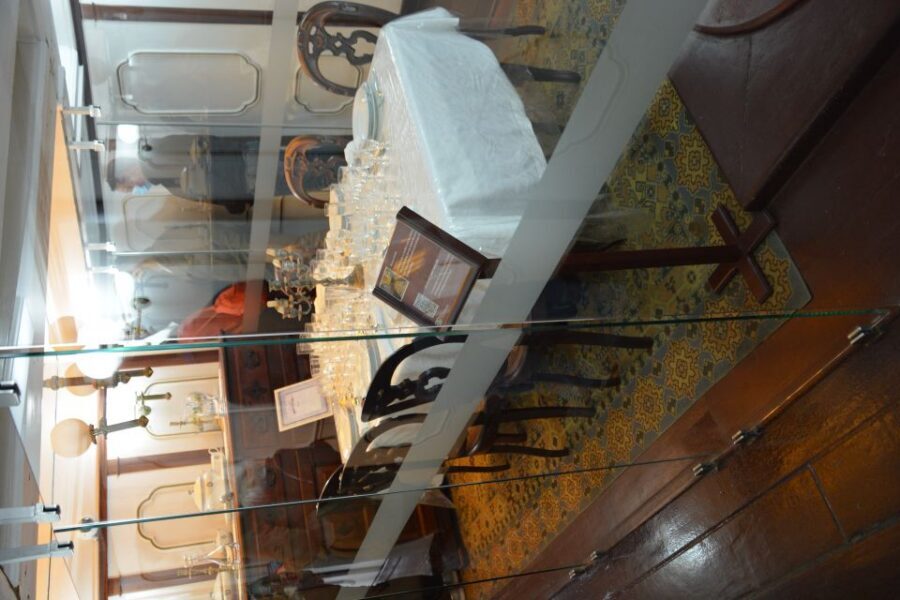
At about $8 per person for roughly 1 hour, the value comes from the format: you’re paying for time on a real ship, across four decks, with an included app guide and in-ship activities.
The best way to think about this cost is not in comparison to art museums or indoor exhibits—it’s in comparison to “experience per minute.” Ship museums can often be slow and label-heavy. Here, the included app guide and onboard activities are part of the value equation. You’re also getting the emotional payoff of scale: a vessel launched in 1843, rebuilt after major damage, and preserved as the last sailing ship of the Portuguese Navy.
One more thing to consider: there are notes that some visitors expected discounted pricing for seniors, but that specific option isn’t guaranteed by the information you’ll see at booking. If senior pricing matters to you, it’s worth checking directly when you arrive so you’re not surprised.
Logistics That Help Your Day Run Smooth
This activity is simple, but a few practical habits make it go smoother.
- Exchange voucher first. Don’t assume you can just walk up and board.
- Plan for an hour on decks. Bring a light layer if it’s cool near the Tagus; ships can feel exposed.
- Expect language differences. Even when the ship is in Lisbon, your support materials may not be in every language. If you need a specific language, look closely at what the written guide provides at the ship.
Also, the admission doesn’t include food and drinks. If you’re stacking this with other sights, plan to eat before or after, not during.
Should You Book the Fragata D. Fernando II e Glória?
If you like ships, hands-on spaces, and you want a one-hour activity that feels like you stepped onto something real, I’d say yes. The four decks, the ship’s long mileage story, and the fact that the museum experience centers on ship life make it a solid use of time in Lisbon.
Book with extra caution if:
- You rely on QR content as your main way to understand things. Have a backup mindset, and don’t count on perfect app performance.
- You need wheelchair access or mobility-friendly surfaces, since the visit is not suitable for wheelchair users.
- You want a submarine add-on. The U-boat entrance is closed, so the focus stays on the frigate.
Overall, for $8, it’s a rare kind of museum visit: not just viewing history, but walking through the actual structure where history happened.
FAQ
How much does the admission ticket cost?
The ticket price is $8 per person.
How long is the visit?
The duration is 1 hour.
Where does the experience start?
You exchange your voucher at the ticket counter, and the ship is in a dry dock right by the square.
What’s included with the ticket?
You can explore four decks, use a free QR code app guide through the ship, and join activities throughout the ship.
What is not included?
Entrance on the U-boat is not included because it is still closed. Food and drinks are also not included, and there is no ship booklet included.
Are there QR codes and an app guide?
Yes. A free QR code app guide is included with your admission.
Is the U-boat entrance open?
No. The U-boat entrance is closed.
Is this experience suitable for wheelchair users?
No. It is not suitable for people with mobility impairments, including wheelchair users.
Can I cancel for a full refund?
Yes. You can cancel up to 24 hours in advance for a full refund.
Is there a reserve-and-pay-later option?
Yes. You can reserve your spot and pay later.