REVIEW · LISBON
Lisbon Street Art Tour
Book on GetYourGuide →Operated by Lisbon Lives Walking Tours · Bookable on GetYourGuide
Street art in Lisbon deserves context.
This 2-hour walk connects you to big names and local minds, with a guide who explains what you’re seeing and why it matters. I especially like how the tour keeps the focus on two neighborhoods (Graça and Mouraria) instead of trying to race across the whole city, and I love that the artwork comes with real commentary—techniques, artist words when available, and discussion of social and political themes. One thing to consider: the walk is on foot, so it’s not a good fit if you have mobility limitations.
The vibe is very practical: you get art history-lite, street-smart, and you also get a small taste of Lisbon. A pastel de nata (cream tart) or ginginha (wild cherry liqueur) is included, and at least some recent departures also had a short detour with a fado singer. The only catch is language: it’s a French live tour, so you’ll want to be comfortable following French for the best experience.
In This Review
- Key highlights to look for on this Lisbon street art tour
- What makes this tour different from a basic street art stroll
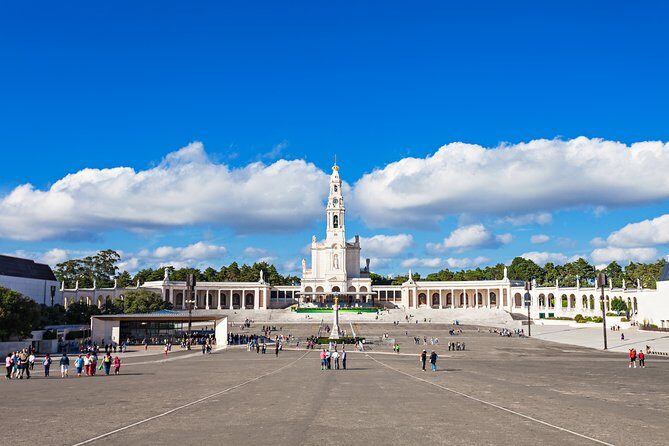
- Getting your bearings: meeting in front of the church and walking smart
- The neighborhood focus: why Graça and Mouraria are the right two choices
- Street art lineup: the big names and the Portuguese voices you’ll meet
- How the tour reads each artwork: technique, intent, and the big questions
- Murals, small pieces, and public tiles: what you might notice as you walk
- A focus on women in street art: why that theme matters
- The included taste of Lisbon: pastel de nata or ginginha
- What the guide actually does with you (and why small groups help)
- Price and value: is $41 worth 2 hours of street art talk?
- Who this tour is best for (and who should skip it)
- Should you book the Lisbon Street Art Tour?
- FAQ
- Where does the tour start?
- How long is the Lisbon Street Art Tour?
- How much does it cost?
- Is the tour in English?
- What is included in the tour?
- What should I bring?
- Is the tour suitable for everyone?
- What drinks are not included?
Key highlights to look for on this Lisbon street art tour
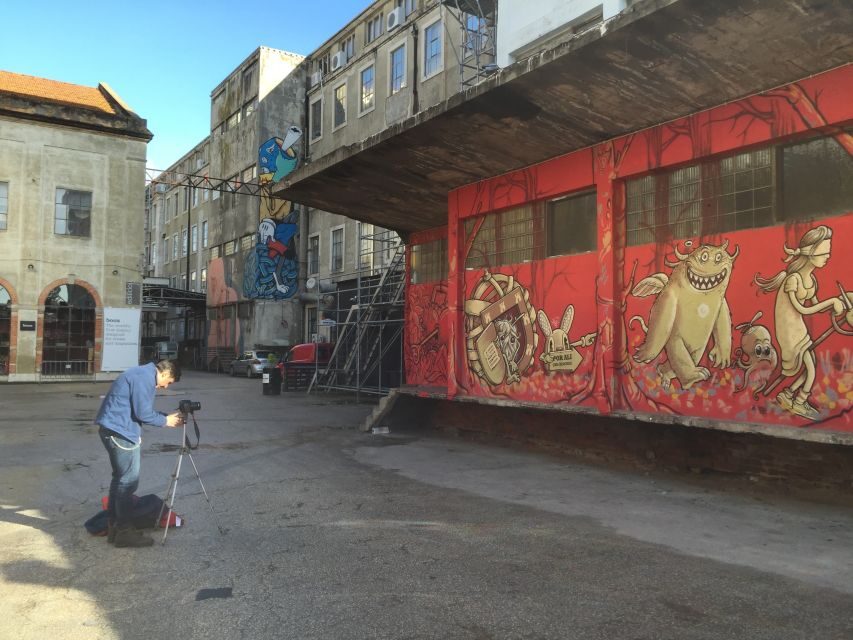
- Shepard Fairey in the mix, alongside Portuguese stars like Vhils and Bordalo II
- Graça and Mouraria as the main zones, chosen for their strong concentration of public art
- Hands-on interpretation: techniques, artist intent when available, and discussion prompts
- More than murals: public sculptures plus Lisbon’s famous tiles
- Included Lisbon bite: pastel de nata or ginginha, with water and comfy shoes doing the heavy lifting
What makes this tour different from a basic street art stroll
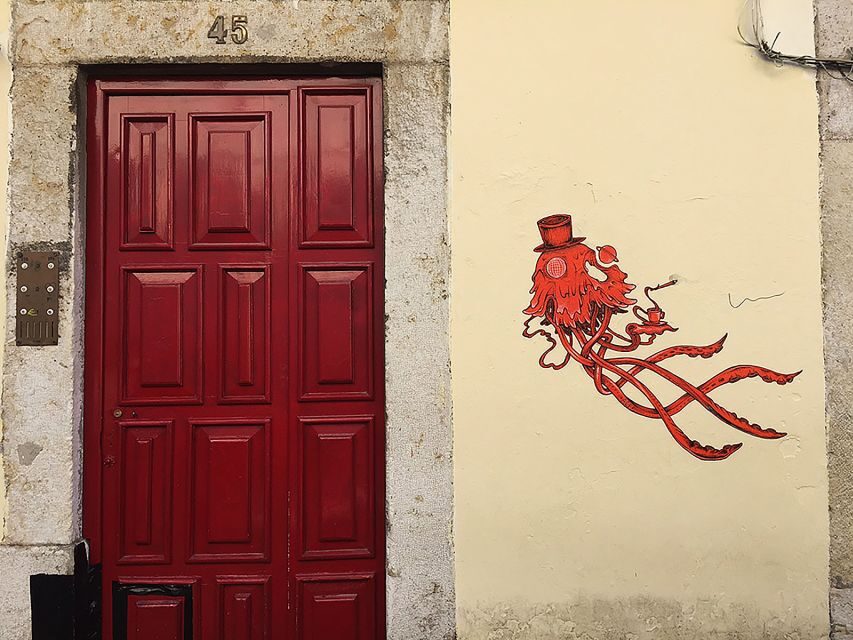
Lisbon street art is everywhere. The problem is that without context, you can end up doing the classic tourist thing: take pictures, shrug, and move on. This tour tries to prevent that. You don’t just look—you get guided explanation of what’s painted, sculpted, or installed on the street, and then you talk through what it raises: power, identity, gender roles, politics, and even what counts as art in the first place.
I like the balance here. You’ll see internationally recognized work alongside Portuguese artists and up-and-coming local voices. That matters because Lisbon’s public art scene isn’t one style or one message. It’s a whole conversation happening on walls, in public spaces, and across generations.
And because the route targets Graça and Mouraria, you don’t feel like you’re sprinting to tick off stops. You can actually watch the details—line work, materials, and the way artists use a building wall like it’s part of the canvas.
You can also read our reviews of more tours and experiences in Lisbon



Getting your bearings: meeting in front of the church and walking smart
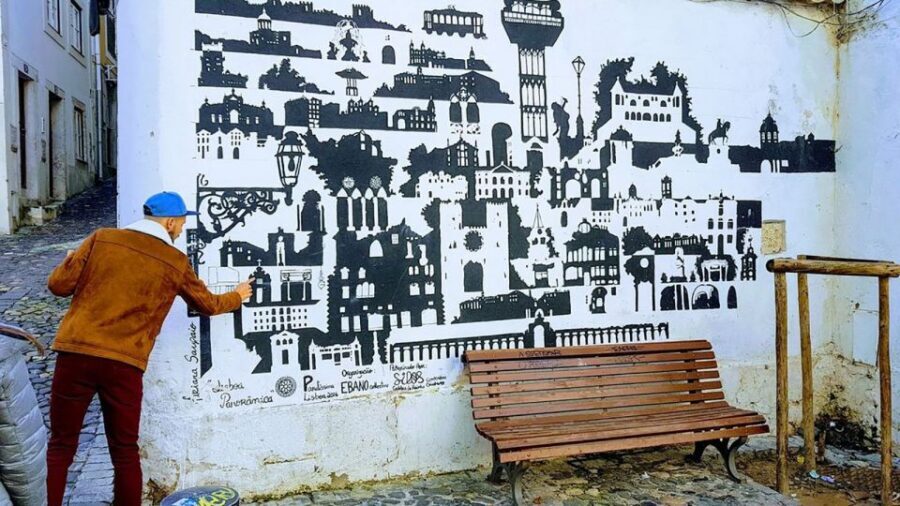
You meet the guide in front of the church. It’s a simple start, but it helps you jump right into old-city navigation without wasting time. The tour runs for 2 hours, and the group is small—limited to 8 participants—so it tends to feel more like an on-foot conversation than a lecture line.
This is also a “wear your good shoes” type of outing. Lisbon’s streets are charming, but they’re not always flat. Bring comfortable shoes and water. You’ll be walking enough that you’ll notice fatigue if you show up in sandals-with-regrets.
One more practical point: the tour guide is French. If your French is solid enough to follow details (not just gist), you’ll get far more from the explanations. If not, you may still enjoy the visuals, but you’ll miss a chunk of the meaning.
The neighborhood focus: why Graça and Mouraria are the right two choices
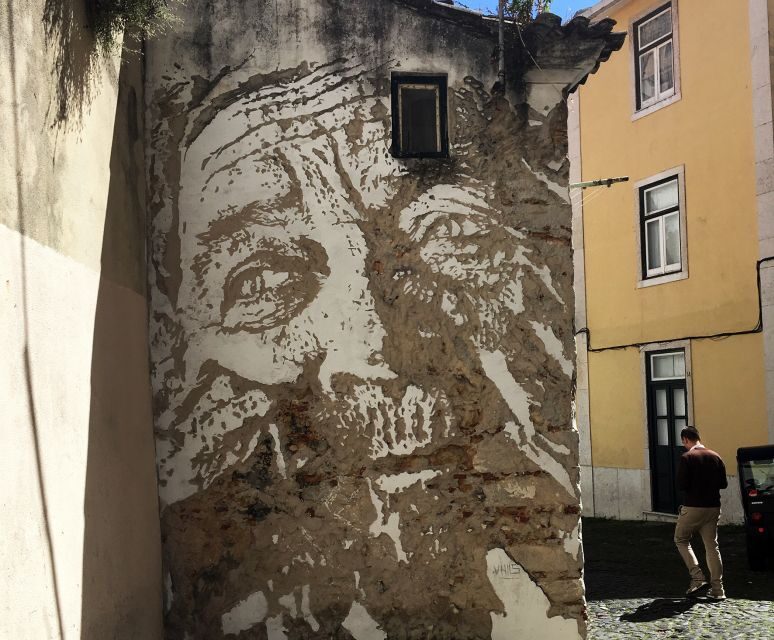
You won’t try to see every piece of street art in Lisbon. That would be fantasy, even for a full day. Instead, the tour concentrates on two neighborhoods with particularly rich collections: Graça and Mouraria.
Why that choice works for you: it reduces decision fatigue. You don’t have to second-guess what to hunt for, and you don’t have to keep your eyes glued to signs or maps. You can relax and follow the guide as they point out artworks in a logical flow.
Graça and Mouraria also give you contrast. These areas let you see murals on bigger walls, smaller works tucked into corners, and the wider street-art ecosystem—public sculpture and Lisbon’s famous azulejos (tiles) showing up as part of the same street-level creative story.
Street art lineup: the big names and the Portuguese voices you’ll meet
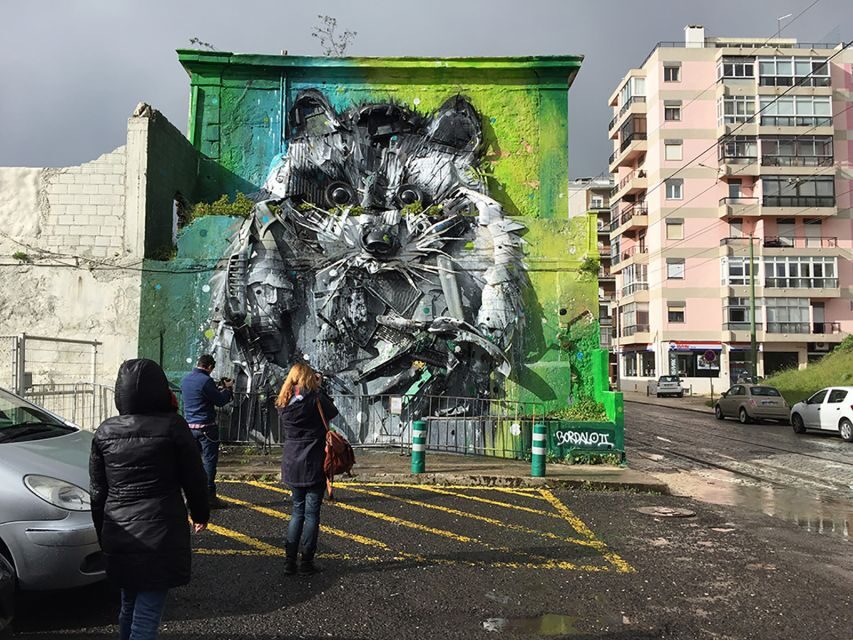
A major draw is the artist mix. You’ll encounter work by Shepard Fairey—a big American street artist whose style people recognize fast. Seeing an international name in Lisbon is one of those “oh, this scene connects globally” moments.
Then you’ll zoom back into Portugal with artists like Vhils and Bordalo II. Both are known for distinctive approaches, and the tour’s job is to help you see the technique, not just the image. You’ll also hear about other featured artists and creators, including TV Boy, Joana Vasconcelos, Andrea Tarli, Urban Solid, and Utopia.
One of the strongest value points for me is that the tour doesn’t treat these artists like museum labels. Each work is commented on, and when artist words are available, those words get folded into the discussion. That’s what turns a wall into a message instead of a photo opportunity.
How the tour reads each artwork: technique, intent, and the big questions
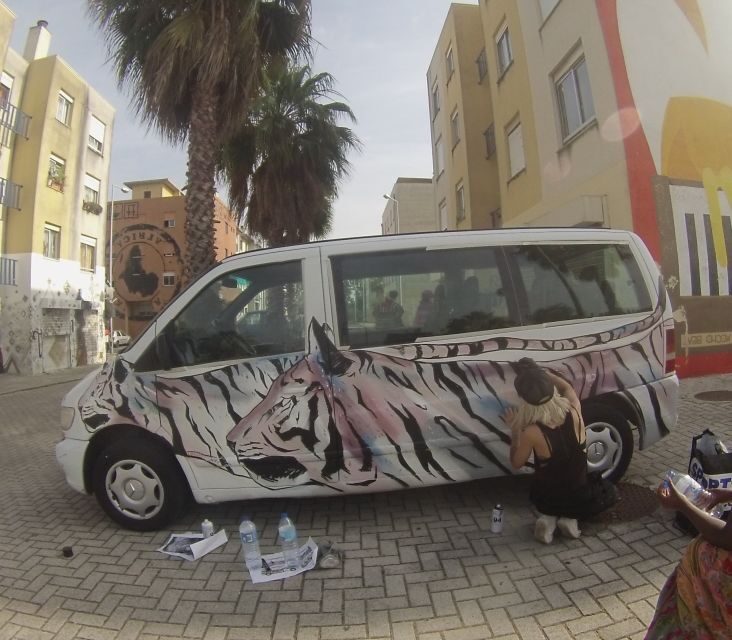
Here’s the thing I’m glad this tour does: it talks about technique and intent. That’s how you start understanding street art as a craft, not just a look.
For each stop, you can expect commentary that may include:
- What materials or methods the artist used
- How the work relates to the surface it’s on
- The issues the piece raises, from social pressures to politics to ideas about art itself
The guide keeps the conversation moving. You’ll see works that spark discussion about art in society and the nature of art. In plain terms, this means you’ll come away thinking about what you saw instead of only remembering what it looked like.
And yes, there’s room for debate. Street art often lives in the tension between public space and public opinion. The tour doesn’t pretend those debates are solved. It just helps you understand why people argue about them.




Murals, small pieces, and public tiles: what you might notice as you walk

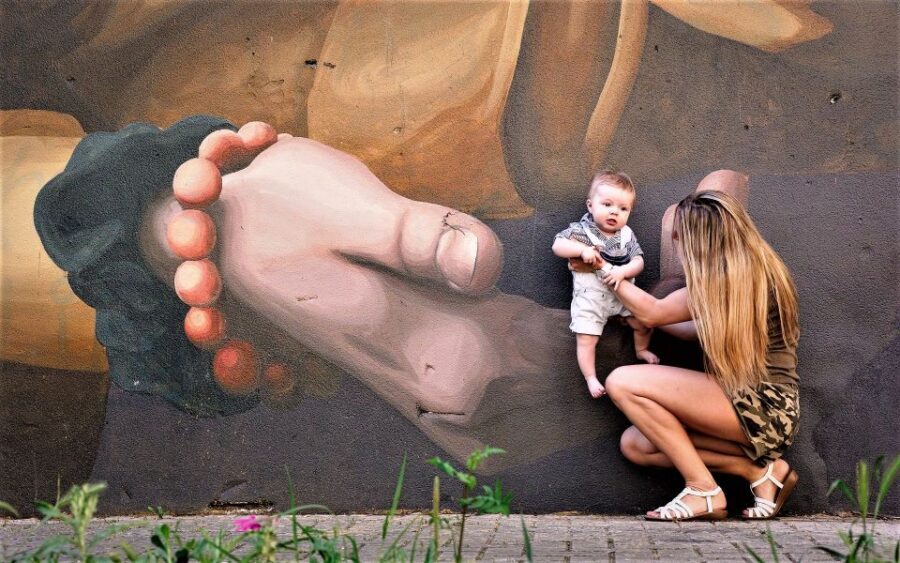
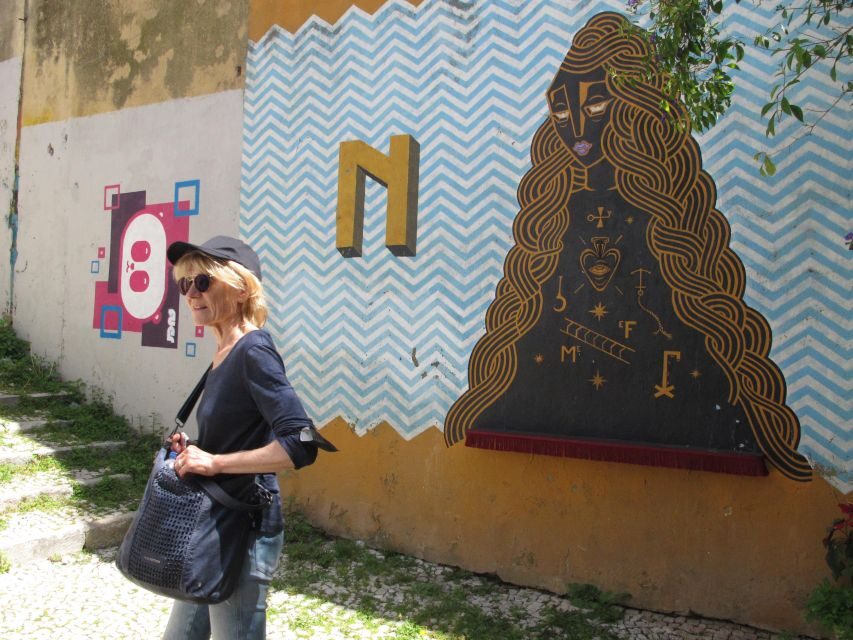
You’ll see everything from immense mural-scale work to smaller pieces that require you to slow down for a closer look. That mix is important for your experience, because street art isn’t one size, one location, or one style.
I’d also plan to keep your eyes open for other public art forms. The tour specifically doesn’t ignore sculptures and Lisbon’s beautiful tiles. The tiles may not be “street art” in the same way, but they’re part of Lisbon’s public visual language—colorful, decorative, and meant for everyday life.
Practical tip for you: when the guide stops to explain a piece, take the extra few seconds to look at the edges and textures. Street art is often about process, and that’s where the technique shows up.
A focus on women in street art: why that theme matters
One of the tour’s listed highlights is learning how women are entering a traditionally male-dominated preserve. That’s a big idea, and it gives the tour more weight than a simple style tour.
The value for you is perspective. When you understand who gets to be visible and who gets to be heard in a creative space, the artworks stop being only aesthetic objects. They become statements about access, authorship, and voice.
You might not walk away with a single neat conclusion. But you’ll walk away with sharper questions, which is usually what good tours should leave you with.
The included taste of Lisbon: pastel de nata or ginginha
Food on a walking tour can be either a bonus or a distraction. Here, it works as a cultural pause.
The tour includes Lisbon specialties: pastel de nata (cream tart) or ginginha (wild cherry liqueur). You’re not loading up on a full meal, but you’re getting a proper taste of what Lisbon is known for.
If you’re the type who likes to connect food to place, this helps. It’s a quick reset when your legs are negotiating with gravity, and it keeps the tour feeling like Lisbon—not just street art homework.
Coffee and other drinks are not included, so plan on bringing your own hydration plan if you know you’ll want caffeine or something extra to sip.
What the guide actually does with you (and why small groups help)
A lot of tours feel like they’re built for crowd control. This one is built for conversation.
The group is limited to 8 participants, which means you can hear explanations without straining, and you’re less likely to feel like a number in a queue. Reviews also highlight the guide as Peter, and people specifically mention the thorough explanations tied to the street art.
Another detail worth noting from recent experiences: at least some tours have included a short detour with a fado singer, adding music to the cultural mix. That kind of moment fits Lisbon well—public art and public performance share the same street-level stage.
Price and value: is $41 worth 2 hours of street art talk?
At $41 per person for 2 hours, this isn’t a free-wandering, self-guided walk. You’re paying for interpretation, not just access to streets.
Here’s what you get for the money:
- A live guide (French) who explains artworks and techniques
- Focused neighborhoods (Graça and Mouraria) instead of trying to cover everything
- Discussion of social and political themes, not just visual description
- Included Lisbon specialty (pastel de nata or ginginha)
If you’re the kind of traveler who likes to understand what you’re looking at—even when it’s messy or controversial—this tends to feel like good value. If you only want a quick photo walk with no deeper meaning, you might feel the cost. But even then, the included snack and small-group feel make it harder to dismiss.
My practical advice: treat this as an “art education for the street” session. If that’s your style, the price makes sense.
Who this tour is best for (and who should skip it)
This tour is a strong match if you:
- Like street art but want more than a checklist
- Enjoy thoughtful discussions about art and society
- Prefer small groups and guided walking
- Want to see both international and Portuguese artists
It’s less ideal if you:
- Need accessibility support, since it’s not suitable for people with mobility impairments
- Don’t speak enough French to follow the guide’s explanations
It’s also worth knowing what you’re signing up for. This isn’t a museum-style experience with quiet galleries. It’s outdoors, on streets, with real public-space energy.
Should you book the Lisbon Street Art Tour?
I’d book it if you want context, not just photos. The combination of international names like Shepard Fairey with Portuguese artists such as Vhils and Bordalo II, plus the theme of women entering a male-dominated space, gives the tour a point of view. Add the Graça and Mouraria focus, and you get a route that feels purposeful instead of random.
Skip it only if French-language explanations will be a major problem for you, or if walking time is a constraint. Otherwise, it’s a great way to turn Lisbon streets into a guided conversation.
FAQ
Where does the tour start?
You meet in front of the church.
How long is the Lisbon Street Art Tour?
The duration is 2 hours.
How much does it cost?
It costs $41 per person.
Is the tour in English?
No. The live tour guide is French.
What is included in the tour?
You’ll get Lisbon specialties included: pastel de nata (cream tart) or ginginha (wild cherry liqueur).
What should I bring?
Bring comfortable shoes and water.
Is the tour suitable for everyone?
It is not suitable for people with mobility impairments.
What drinks are not included?
Coffee or other hot or cold drinks are not included.