REVIEW · LISBON
Lisbon: National Tile Museum Entry Ticket
Book on GetYourGuide →Operated by GetYourGuide Tours & Tickets GmbH · Bookable on GetYourGuide
Portugal’s tiles tell stories worth slowing down. In the former Convent of Madre Deus, you get a close-up look at azulejos from the second half of the 15th century to today, set inside real historic rooms. I also like the museum’s setup: it starts with materials and techniques, so the art makes more sense the moment you begin.
My favorite part is the way the permanent exhibition moves chronologically, letting you track style changes over time without feeling lost. You’ll also spot tile scenes that cover daily life and Lisbon themes, plus the church spaces decorated with paintings and tiles—especially the Chapel of Saint Anthony.
One possible drawback: the museum can feel warm and there isn’t great ventilation, so on hot days plan for a slower pace and bring water. Also, this ticket is for entry, not a guaranteed skip-the-line setup.
In This Review
- Key things I’d watch for
- National Tile Museum: Azulejos Inside a 1509 Convent
- Ticket value at about $11: what you get for the money
- Getting in at the main entrance: simple, self-paced access
- The chronological exhibition route: from 15th-century work to modern azulejos
- The 16th-century mannerist cloister and the church decorated with tiles and paintings
- Sacristy, high choir, and Saint Anthony Chapel: ornate rooms with names to remember
- Coffee, photos, and the audio option: how to make your visit smoother
- Who should go (and who might not need to)
- Should you book this National Tile Museum entry ticket?
- FAQ
- What’s included with the Lisbon National Tile Museum ticket?
- Is this a skip-the-line ticket?
- How long is the ticket valid?
- What are the opening hours and last entry?
- What dates is the museum closed?
- Where do I go to enter?
- Is the museum wheelchair accessible?
- What should I bring?
- Is there an audio tour?
Key things I’d watch for
- The convent setting (founded by Queen D. Leonor in 1509) adds context beyond the tiles
- Materials-first layout helps you understand how azulejos were made
- A chronological route makes centuries of tile styles easier to follow
- Church, cloister, and multiple chapels mean you’re viewing art in historic religious spaces
- Audio option (app + your own headphones) can be useful if you want more detail
National Tile Museum: Azulejos Inside a 1509 Convent
The National Tile Museum in Lisbon isn’t just a room full of pretty ceramics. It’s housed in the former Convent of Madre Deus, founded by Queen D. Leonor in 1509, and that matters. You’re walking through a real historic building, so the tiles feel tied to purpose, not just display cases.
The museum itself became a National Museum in 1980 after being established in 1965. Over the centuries, the site changed through building campaigns, including a 16th-century mannerist cloister and several church-related spaces. That’s why your visit feels like a mini tour of art plus architecture.
If you like experiences that give you two things at once—history and visuals—you’ll likely enjoy the flow here. And if you’re traveling with someone who thinks tile museums sound boring, the convent setting usually helps win them over.
You can also read our reviews of more tours and experiences in Lisbon



Ticket value at about $11: what you get for the money
The entry ticket price is $11 per person, and for Lisbon that’s a solid value if you’re even mildly interested in art, design, or Portuguese culture. You’re paying for access to a permanent exhibition that runs from the 15th century through modern tile work, plus additional ceramic collections spanning the 17th to the 21st century.
You also get a chance to see the museum’s historic interiors—like the church decorated with painted and tiled elements, and the Chapel of Saint Anthony with Baroque decoration. Reviews consistently point out that the museum is bigger and more elaborate than expected, which is one reason the value feels strong for the price.
Typical time to plan: around 1.5 hours is a common pace, though you can go slower if you want to read details and take photos. If you’re moving fast, you’ll still see the essentials, but you’ll likely miss some of the quieter rooms.
Getting in at the main entrance: simple, self-paced access
Your ticket is checked at the main entrance, where you show it on arrival. The activity ends back at the meeting point, which tells you the visit is designed to be self-guided rather than a timed tour with a guide leading you step-by-step.
Keep your basics ready: bring a passport or ID card, wear comfortable shoes, and plan to carry water. A camera is useful here, and you’ll want it—tiles have textures and patterns that look flat on phones unless you take your time with angles and lighting.
Also note the practical timing rules. The museum is open Tuesday to Sunday in two blocks: 10:00 am to 1:00 pm, then 2:00 pm to 6:00 pm. Last entry is at 5:30 pm, and it’s closed on January 1, Easter Sunday, May 1, June 13, and December 25.
One more thing: this ticket is non-refundable, so it’s worth picking a day you’re fairly sure you’ll be in Lisbon.
The chronological exhibition route: from 15th-century work to modern azulejos
Right as you enter, the museum starts you with a short introduction to how tiles were manufactured. That first section on materials and techniques is a big help. Without it, azulejos can feel like “beautiful patterns.” With it, you start noticing how choices in materials and processes influence color, texture, and style.
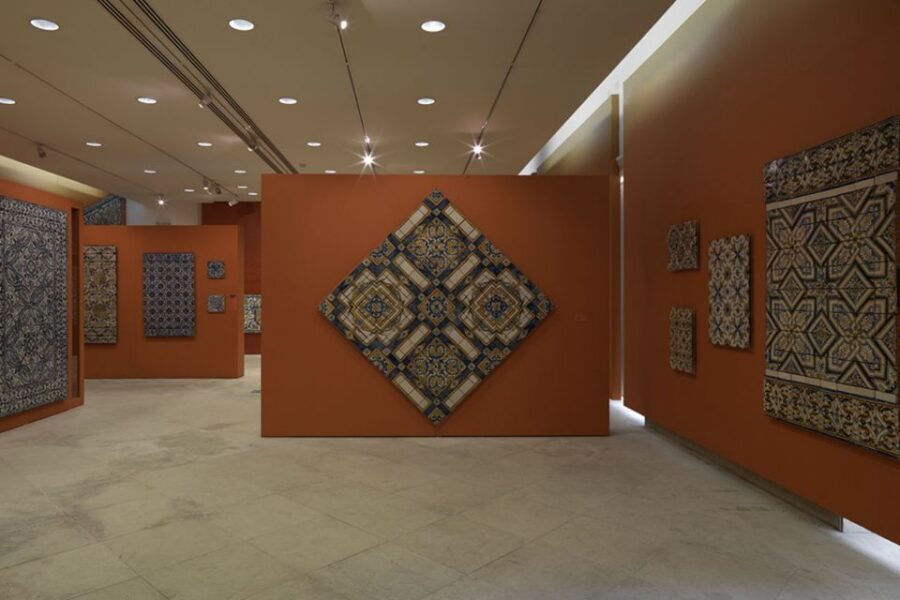
After that, the exhibition follows a chronological route. You’ll see decorative ceramic tiles or azulejos beginning with the second half of the 15th century and moving forward toward the present. This “walk through time” approach is one of the reasons the museum works even if you’re not a specialist.
Alongside the tiles, the museum also includes ceramics, porcelain, and faience from the 17th through the 21st century. That variety matters because it keeps the visit from becoming repetitive. You can compare how different materials were used for different visual goals, even when the overall theme—Portuguese decorative art—stays consistent.
Here’s how to pace it:
- Spend time early in the route to get oriented with the styles.
- Don’t rush the middle centuries, where you’ll start spotting shifts in design.
- Save your slowest looking for the areas that include Lisbon-themed displays, since those tend to reward close attention.
If you like learning as you look, this route is one of the most logical museum formats in Lisbon for this kind of collection.
The 16th-century mannerist cloister and the church decorated with tiles and paintings
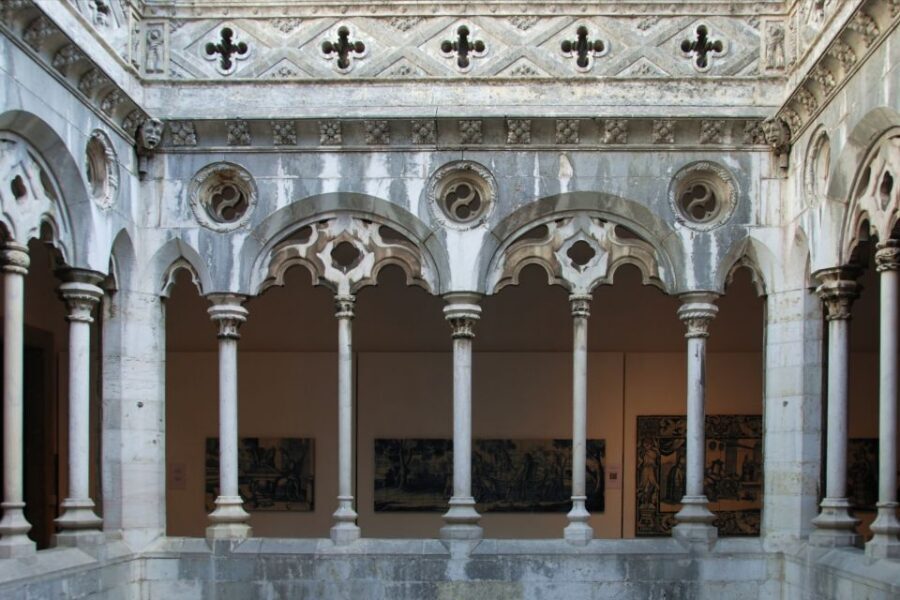
The museum is a former convent, so the tiles don’t live alone. They’re built into the building’s spiritual and artistic spaces, including the 16th-century mannerist cloister and the church.
In the cloister, you can expect to see how the architecture supports the tile and sacred art blend. You might also notice religious elements such as busts and saints’ relic-related displays, which some visitors highlight as a memorable touch. The cloister gives you a calmer visual rhythm than the gallery rooms, and it’s a nice place to reset before you move into the more ornate church interiors.
Then comes the church area, known for remarkable sets of paintings and tiles. This is where the museum feels less like a “collection” and more like a living environment that was designed to be experienced. Even if you don’t read every placard, your eye catches the relationships between surfaces—how painted scenes and tiled fields can share a theme.
A useful mindset: look for repeated motifs and the way color and pattern guide your attention. Tiles here aren’t only decoration; they frame and organize the visual story inside the sacred architecture.
You can also read our reviews of more museum experiences in Lisbon
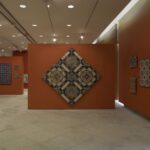





Sacristy, high choir, and Saint Anthony Chapel: ornate rooms with names to remember
If you want the museum’s best “wow factor,” aim to spend real time in the church-related rooms. The details are specific, and the rooms feel different from each other.
In the sacristy, there’s a Brazilian wood display cabinet and carved wood frames with paintings. That woodwork contrast can be a pleasant surprise if you mainly expected tiles. It’s also a good reminder that this museum is about more than ceramics.
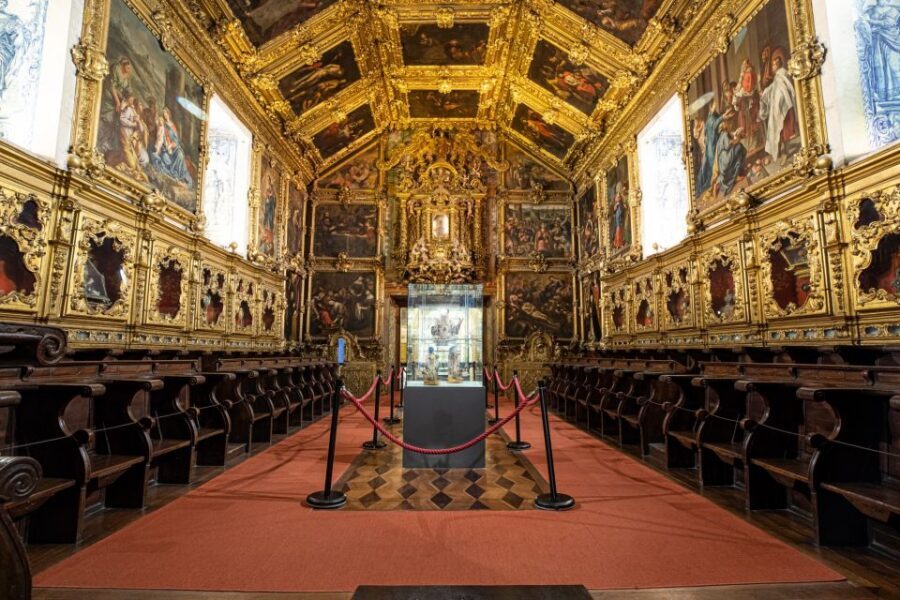
The high choir is another standout, with rich carved giltwood embellishments. It’s one of those spaces where you look up and realize the craftsmanship isn’t limited to the walls. In a tile museum, ceiling and vertical details can be easy to miss—so it helps to deliberately scan upward at least once.
Finally, don’t skip the Chapel of Saint Anthony, which features 18th-century Baroque decoration and a significant number of canvases by the painter André Gonçalves. This chapel is a strong reason to visit even if you’re not “tile-obsessed.” The art program broadens beyond azulejos while keeping the same building context.
If you’re short on time, I’d prioritize the chapel and the main church spaces. They’re where the museum’s hybrid of sacred art and Portuguese ceramics becomes most obvious.
Coffee, photos, and the audio option: how to make your visit smoother
Plan for a break. Reviews often mention a coffee shop at the end, and that it can feel like part of the experience rather than an afterthought. Some visitors suggest stopping for a bite before you enter the museum spaces, because lines in the cafe area can build up.
There’s also a gift shop, so you can turn your favorite patterns into a souvenir. If you’re trying to avoid buying on impulse, take photos first and decide later.
About the information side: some visitors find the placards helpful but still want more detail on certain pieces. An audio tour is available, but it requires downloading an app and using your own headphones. If you like structured explanations, it can be worth it—especially for visitors who want context without standing still to read everything.
Two practical tips from real-world pacing:
- Expect the museum to be warmer at times; bring water and take short pauses.
- Bring comfortable clothes you can stand and look in for a while—your feet will do most of the work here.
Who should go (and who might not need to)
This is a great pick for you if you enjoy:
- Portuguese culture and visual storytelling through azulejos
- Art and architecture in the same setting
- Museums that are self-paced but still structured with a clear route
It’s also family-friendly in the sense that some visitors say even teenagers stayed interested—often because tiles are visual and the museum layout keeps variety coming.
You might hesitate if you mainly want big, famous monuments and don’t care about decorative arts. This museum isn’t about one single masterpiece. It’s about progression: centuries of tile making, applied across multiple rooms and church settings.
If you’re visiting Lisbon on a rainy day, it’s also a strong indoor option. Reviews mention it works well for bad weather because you’re moving through substantial indoor spaces rather than scrambling between outdoor stops.
Should you book this National Tile Museum entry ticket?
Yes, I’d book it if you want an efficient, good-value indoor experience that combines Portuguese craft, historic architecture, and art that rewards looking closely. At $11, you’re not paying “big museum” money, but you’re gaining access to a full permanent exhibition that runs across major centuries plus church interiors.
I’d think twice only if:
- you dislike self-guided museum wandering, or
- you’re mostly hunting for outdoor sights and don’t want indoor time, or
- you’re heat-sensitive and don’t want to deal with warmer indoor conditions.
If your itinerary needs a high-return stop—especially with time for a coffee afterward—this one fits.
FAQ
What’s included with the Lisbon National Tile Museum ticket?
Your ticket includes entry to the National Tile Museum.
Is this a skip-the-line ticket?
The information provided says it is not a skip-the-line entry ticket. You’ll still need to show your ticket on arrival at the main entrance.
How long is the ticket valid?
It’s valid for 1 day. Check availability to see the starting times.
What are the opening hours and last entry?
The museum is open Tuesday to Sunday from 10:00 am to 1:00 pm and 2:00 pm to 6:00 pm. Last entry is at 5:30 pm.
What dates is the museum closed?
It’s closed on January 1, Easter Sunday, May 1, June 13, and December 25.
Where do I go to enter?
Enter the National Tile Museum at the main entrance and show your ticket on arrival.
Is the museum wheelchair accessible?
Yes, the activity is listed as wheelchair accessible.
What should I bring?
Bring a passport or ID card, comfortable shoes and clothes, a camera, and water.
Is there an audio tour?
An audio tour is mentioned as available, and one review notes it requires downloading an app and using your own headphones.