REVIEW · LISBON
Lisbon: Jewish History in Portugal Guided Walking Tour
Book on GetYourGuide →Operated by Autêntica - Travel Experience · Bookable on GetYourGuide
Lisbon has a Jewish pulse you can feel. This 3-hour walk links Alfama, Baixa, and Chiado to Portuguese Jewish history, including the Sephardic world and the lives of Marranos and forced converts. I like the way the guide connects neighborhoods to big turning points, and I also like the focus on human stories, not just dates. The main catch: it is a hilly walking tour and it is not suitable for people with mobility impairments.
Guides matter here. In the recent past, Al and Luciano were both singled out for passion and pacing, and you may even get small extras like dates from Israel or a coffee or tea break near the end. You start at A Padaria Portuguesa, bring comfy shoes, and plan on a steady walking pace through traditional Lisbon streets.
In This Review
- Key things that make this tour worth your time
- Jewish History in Lisbon: what you’ll actually understand by the end
- Price and what you’re really paying for
- Starting at A Padaria Portuguesa: simple logistics, better pacing
- Alfama streets: where you connect everyday Lisbon to Jewish life
- Baixa and Chiado: commerce, medicine, and the era of Portuguese discoveries
- Sephardic life and the Marranos story: labels with real consequences
- The guide experience: when Al or Luciano sets the tone
- What the walking tour does well (and what to watch)
- Who should book this tour?
- Who should skip or adjust?
- Should you book Lisbon Jewish History in Portugal?
- FAQ
- How long is the Lisbon Jewish History walking tour?
- Where do I meet the guide?
- Is transportation included?
- What languages is the tour offered in?
- What is included in the tour price?
- Is the tour suitable for people with mobility impairments?
- Can I cancel and get a full refund?
Key things that make this tour worth your time
- Neighborhoods as history pages: You connect what you see in Alfama, Baixa, and Chiado to Jewish presence in Lisbon.
- Sephardic and Marranos explained in plain language: You get the why behind the labels and what changed for families.
- A story of acceptance, rejection, and survival: The tour highlights ingenuity, knowledge, and entrepreneurship.
- 16th-century influence you can picture: You learn how Jews contributed to agriculture, finance, medicine, and the era of discoveries.
- Guides who adjust to you: Some tours include helpful tailoring and a relaxed pace for different needs.
- Real street details, not museum-only talk: You may encounter a wall with a star of David and other local references.
Jewish History in Lisbon: what you’ll actually understand by the end

Lisbon can feel like a postcard city, until you start noticing the layers. This walking tour is built to help you read the city differently by tying Jewish life to the actual streets and districts where that history played out.
The biggest idea you’ll take away is that Jewish life in Portugal sat between acceptance and rejection. That tension shaped daily choices. It shaped work. It shaped faith. And it shaped how families carried knowledge forward when the rules around them shifted.
You also get a sense of how wide the influence was. The tour frames Jewish participation not as a side note, but as part of Portuguese development in agriculture, finance, medicine, and even the industrial momentum around the 16th-century discoveries.
You can also read our reviews of more walking tours in Lisbon


Price and what you’re really paying for
At $141 per person for a 3-hour guided walk, the price sits in the higher end for a city walking tour. The value comes from three things you do not get from a self-guided stroll: a live guide, tight time focus, and context that turns random street scenes into understandable history.
You get a guide, a bottle of water, and the walking tour itself. Transportation is not included, so think of this as a great add-on once you’re already in the center of Lisbon. If you like your tours to connect neighborhoods to specific themes, you’ll likely feel the spend was justified.
The tour rating is strong—4.6 with 52 reviews—so you have a decent signal that the experience is holding up over time. For me, that matters more than flashy claims. A good guide can make a short tour feel like you learned twice as much.
Starting at A Padaria Portuguesa: simple logistics, better pacing
You meet at A Padaria Portuguesa, a bagel shop. That makes the meeting point easy to find and easy to regroup around if you arrive a bit early.
Because the tour runs for 3 hours on foot, pace matters. The guides in past tours were noted for being accommodating and for pacing the walk to the group. That matters in Lisbon, where the hills can turn a casual stroll into a workout by the second district.
Plan to dress for walking. Bring water if you tend to drink more than average, even though a bottle is included. And if you get chilly in air-conditioned cafes later in the day, keep a light layer in your bag.
Alfama streets: where you connect everyday Lisbon to Jewish life
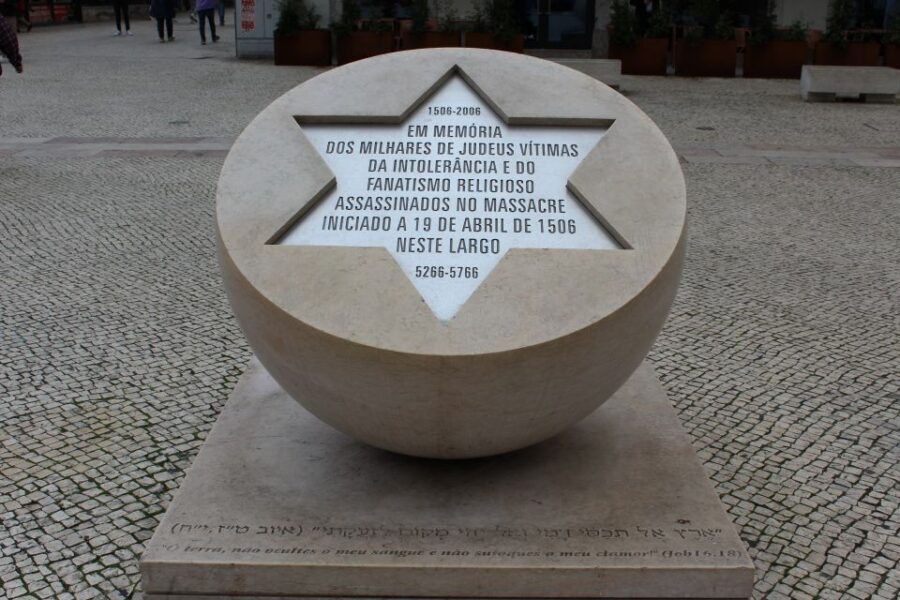
Alfama is the kind of neighborhood where history feels close to the ground. Narrow lanes, steep steps, old-world textures. This is where the tour earns its credibility by linking what you see to what you’re hearing.
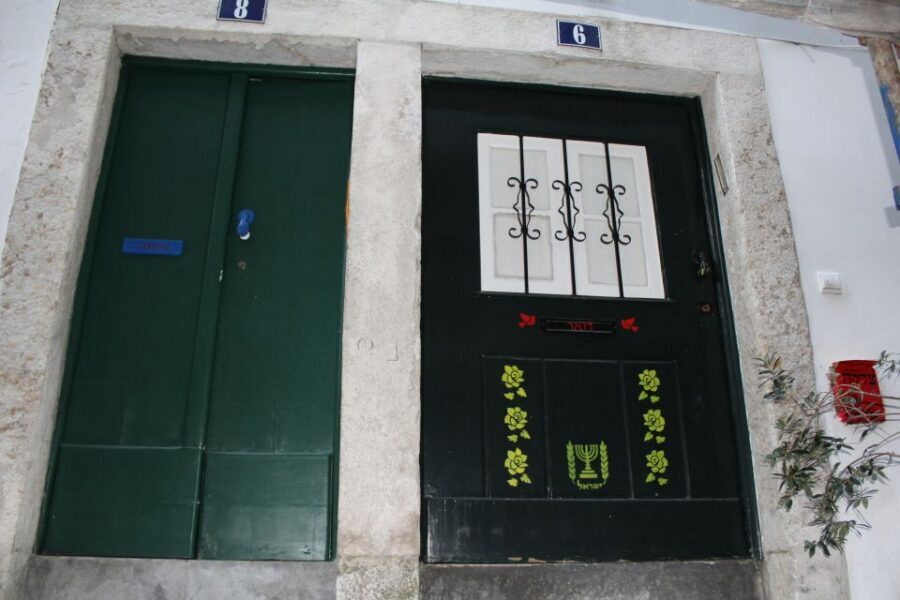
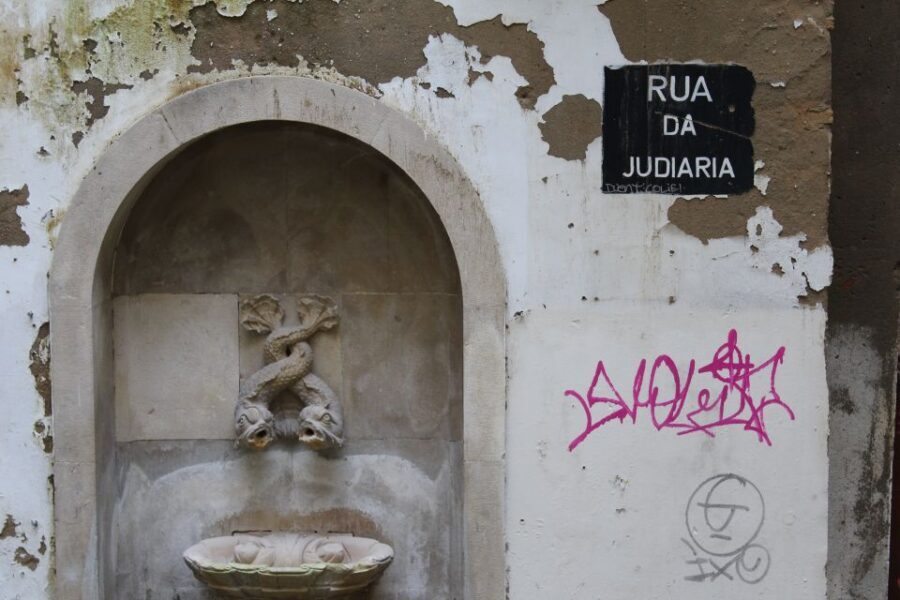
In the experience, you’ll spend time in traditional areas closely tied to Jewish history. The guide also points out details that make the story less abstract. For example, you may see a wall with a star of David and references tied to Jewish presence and memory in the city.
You may also get viewpoints over Lisbon and the port area during the walk. Those stops are more than scenic breaks. They help you understand geography—why certain places became connected to trade, residence, and movement of communities over time.
One drawback to note up front: Alfama is hilly. The tour is marked as not suitable for mobility impairments, so if walking uphill is tough for you, consider another format or plan a slower day elsewhere in Lisbon.
Baixa and Chiado: commerce, medicine, and the era of Portuguese discoveries
After Alfama, the tour shifts toward areas like Baixa and Chiado. These districts are useful because they let the story grow beyond a single neighborhood. They help you connect Jewish life to Portugal’s broader economic and cultural development.
This is where the tour’s theme about influence really takes shape. You hear how Jews contributed to agriculture, finance, medicine, and industry tied to the 16th-century discoveries. That framing helps you avoid a common trap: thinking history is only about persecution or only about community institutions.
Instead, you get a more human, more practical picture. People worked. People invested. People exchanged knowledge. And the same networks that built livelihoods could also be affected by shifting acceptance.
Chiado and Baixa also help you understand Lisbon’s layers of power and money. You’re not just walking past old stones—you’re learning how cities organize opportunity, and how communities can help run those systems while still living under pressure.
You can also read our reviews of more guided tours in Lisbon





Sephardic life and the Marranos story: labels with real consequences
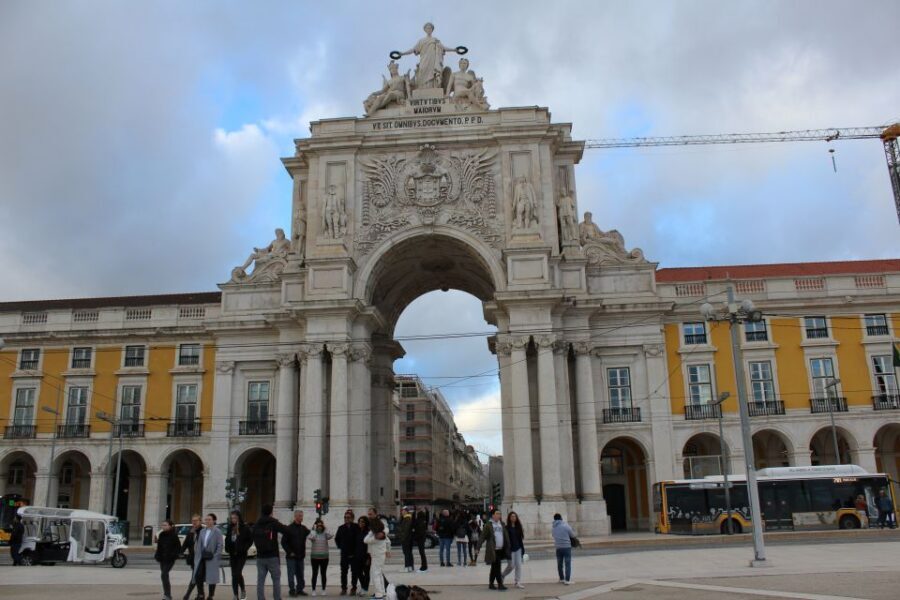
The words Sephardic and Marranos come up for a reason, and the tour treats them as living history rather than academic terms. You learn about the Sephardic world and what made it distinct in Iberia. Then you connect that to the story of sheltered converts to Catholicism—people whose identities had to change publicly while faith and culture could still endure in complicated ways.
This is the part of the tour that tends to stick with people. It reframes religion as lived experience shaped by politics, family ties, and survival strategies. When the tour says Jews were always between acceptance and rejection, it is not just summarizing mood. It is explaining why ingenuity and knowledge mattered so much.
You also get a broader lens beyond Portugal. The tour connects key moments like the expulsion in the 16th century to what happened later in other countries, including England, Holland, and the United States. That makes Lisbon feel like a chapter in a larger story, not a sealed-off museum label.
The guide experience: when Al or Luciano sets the tone
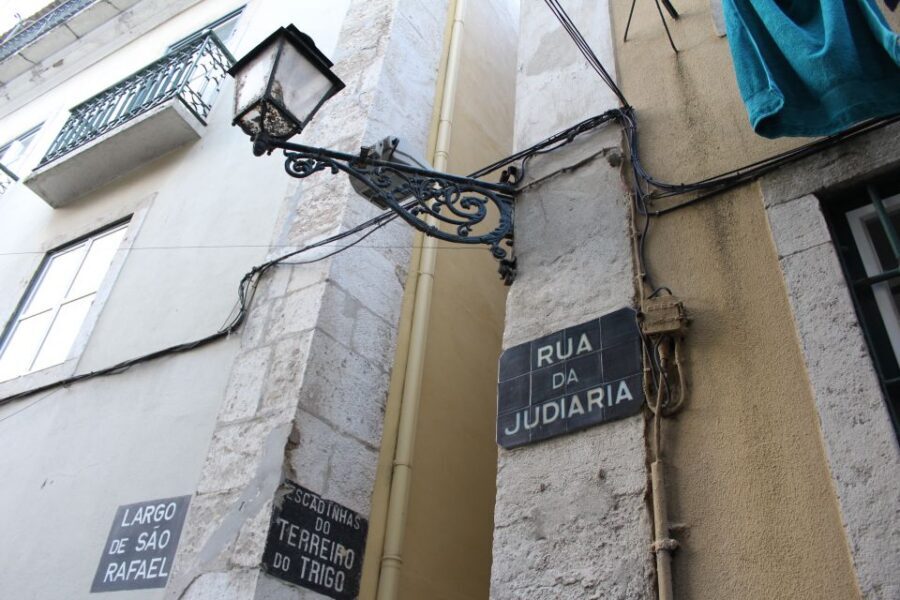
A lot of history tours fall into two modes: recite dates, or point at stones. This one tries to do something more useful—link the city to meaning.
In recent tours, Al stood out for being well informed and for showing many interesting sites while keeping things enjoyable. Luciano was also praised as passionate and know-it-all-in-the-best-way, with explanations that felt personal rather than scripted.
You might also notice small touches that make the walk feel like a guided day, not a lecture. Some tours include a coffee or tea break near the end. There are also mentions of dates from Israel purchased from a local shop, which is a neat detail because it turns the theme of Sephardic continuity into something you can taste, not only read about.
The language options are Portuguese and English, so you’re not locked into a complicated tour format if you prefer English. If you’re the kind of person who likes asking questions, a live guide is your best tool. You’ll get better answers than you would from signs alone.
What the walking tour does well (and what to watch)
This tour works best when you want a focused narrative and you enjoy moving through neighborhoods rather than staying in one place.
What it does well:
- It connects districts to themes like acceptance/rejection, survival, and contribution.
- It keeps the story tied to real city clues, such as the star of David wall reference.
- It offers a clear time window—3 hours—so you don’t lose the thread.
What to watch:
- Hills and stairs: you need steady mobility to enjoy Alfama comfortably.
- No transportation included: you’ll want to plan how you get back afterward.
- You might want extra time to linger: the tour tells you where to look, but Lisbon is Lisbon. You’ll probably want to wander after the final stop.
Who should book this tour?
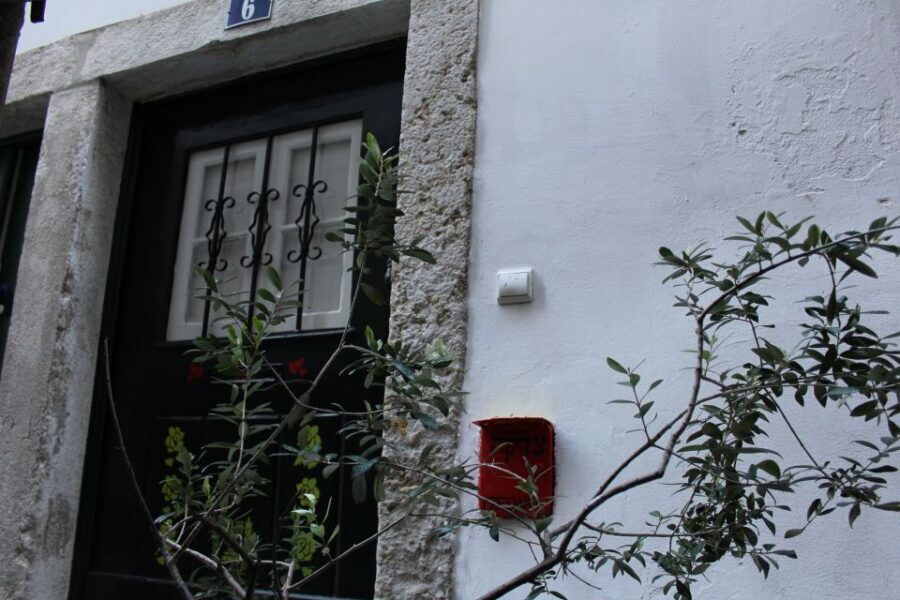
Book it if you:
- Love Lisbon’s neighborhoods and want history tied to place.
- Have Sephardic heritage interest, or a family curiosity about Portugal.
- Prefer a guided walk where the guide explains context as you go.
- Like stories that cover both influence and hardship, not just one side.
It also fits well if you’re on a shorter trip. Three hours is long enough to make connections, but short enough to keep the rest of your day flexible.
Who should skip or adjust?
Avoid this tour if:
- Walking uphill is a challenge for you. It is specifically not suitable for mobility impairments.
- You only want major-ticket landmarks with flat routes.
- You dislike guided walking tours and prefer self-paced exploring.
If you’re uncertain, you can ask your provider about the route pacing and accessibility constraints before you commit. That is the simplest way to avoid a day that feels more exhausting than rewarding.
Should you book Lisbon Jewish History in Portugal?
Yes—if you want Lisbon to make sense on a deeper level. The value is strongest when you pair the walk with a real curiosity about Sephardic and Marranos history, and when you enjoy understanding how communities shaped Portugal through work, knowledge, and adaptation.
Skip it if you need a low-effort route or if hills will ruin your day. In that case, you may do better with a different format that keeps you mostly on flatter streets.
If you do book, show up with comfortable shoes and a bit of mental space. This isn’t just a “see the sites” tour. It’s a guided way to read the city’s identity through Jewish history—street by street.
FAQ
How long is the Lisbon Jewish History walking tour?
The tour lasts 3 hours.
Where do I meet the guide?
You meet at A Padaria Portuguesa (a bagel shop).
Is transportation included?
No. Transportation is not included.
What languages is the tour offered in?
The live guide offers Portuguese and English.
What is included in the tour price?
The tour includes a bottle of water, the guide, and the walking tour.
Is the tour suitable for people with mobility impairments?
No. It is not suitable for people with mobility impairments.
Can I cancel and get a full refund?
Yes. You can cancel up to 24 hours in advance for a full refund.