REVIEW · LISBON
Lisbon Half-Day or Full-Day Small-Group Guided Tour
Book on GetYourGuide →Operated by Selection Tours · Bookable on GetYourGuide
Lisbon clicks into focus fast. This intimate small-group route strings together the city’s key eras, from Belem time at the edge of the Tagus to Alfama’s medieval alley vibes. I especially like how the guide keeps it practical—so you understand what you’re seeing, not just where it is. One caution: monument entrances aren’t included, so you’ll want a little extra budget for tickets when stops call for them.
What really makes this tour work is the format: you’re in a group limited to 8, riding in an air-conditioned vehicle, then stepping out to walk the parts of Lisbon that make it feel like Lisbon. The payoff is a day where you get major sights plus the context that turns sights into stories. It’s a strong choice if you want structure, but it can feel less ideal if you prefer total freedom and slow wandering with no set stops.
In This Review
- Key things I’d plan around
- From Hard Rock Café to a full day of Lisbon flow
- Belem monuments: Tower, Discovery Monument, and Jerónimos Monastery
- The famous pastry stop from 1837
- Rossio and Commerce Square, plus Portuguese Inquisition context
- After lunch: Restauradores Square and more downtown Lisbon
- Alfama’s 13th-century streets and Lisbon Cathedral
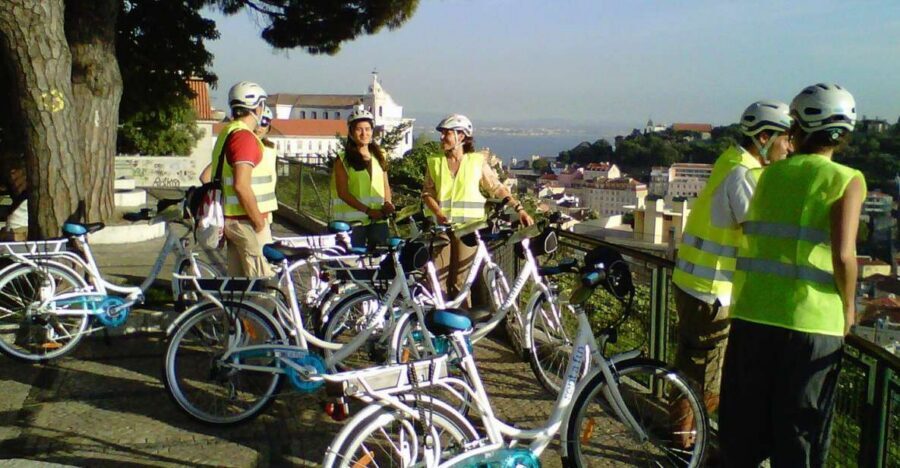
- St. George’s Castle views via Chiado and viewpoints
- Parque das Nações and Expo ’98: Lisbon by the Tejo
- Small-group size and guide style: up to 8, real questions welcome
- Transportation comfort: air-conditioned van, but you still do the walking
- Value check: what $103 gets you, and what you’ll pay for separately
- Who should book this tour (and who might not love it)
- Should you book this Lisbon guided tour?
- FAQ
- How long is the tour?
- Where does the tour meet?
- Is it half-day or full-day?
- What’s included in the price?
- Are monument entrances included?
- What languages are offered?
Key things I’d plan around
- A small group (up to 8) that keeps questions in-range and directions clear
- Belem’s must-sees in one run: Tower, Discovery Monument, and Jerónimos Monastery
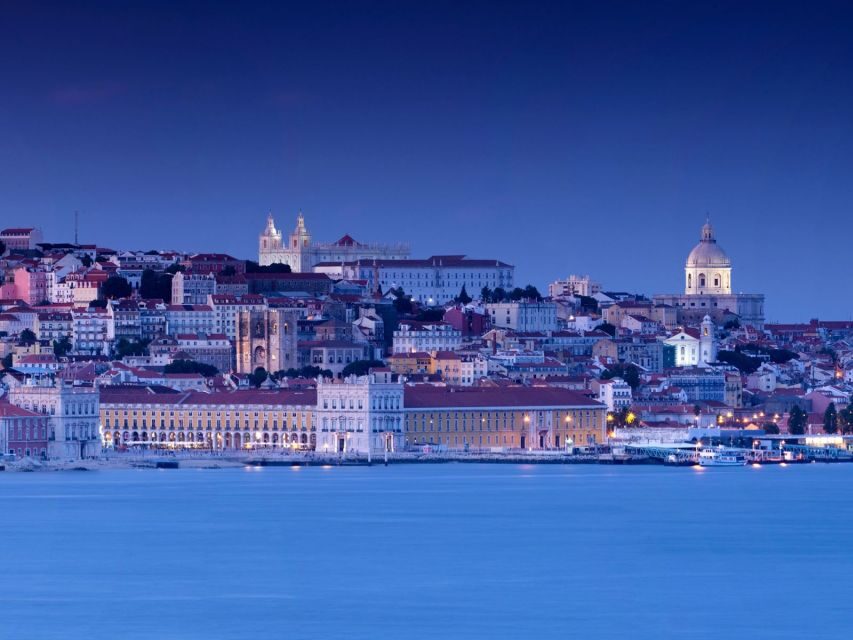
- Alfama’s narrow streets—the 13th-century neighborhood that still feels medieval
- Central squares with backstory: Rossio, Commerce, and the Portuguese Inquisition era
- Big contrast in one day: historic Lisbon plus Parque das Nações from Expo ’98
- Guides who trade facts for helpful tips, including restaurant and museum pointers like São Vicente de Fora
From Hard Rock Café to a full day of Lisbon flow
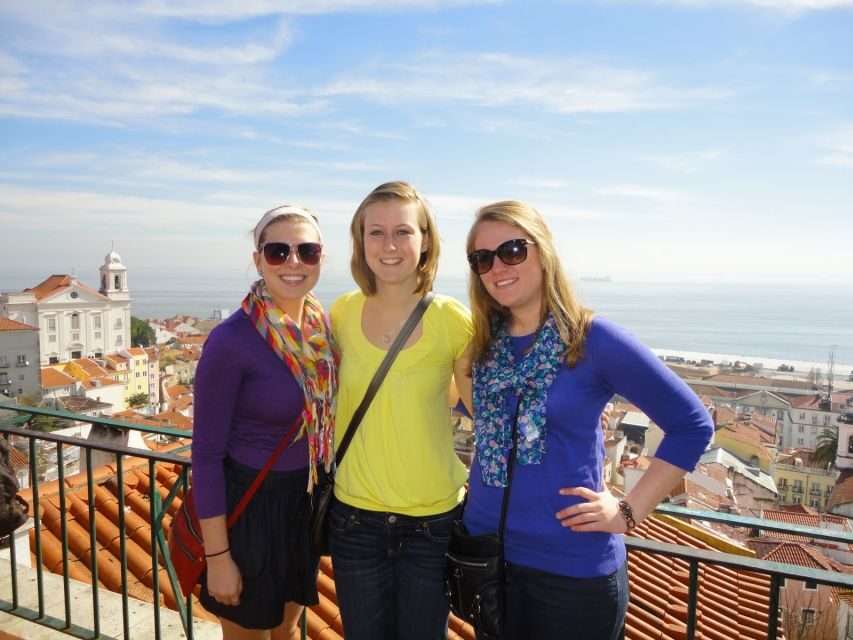
The day starts at Hard Rock Café at 09:30. That’s a nice, easy meeting point—no guessing where to stand—then you’re on the move in an air-conditioned van built for small-group comfort (8 passenger capacity). There’s also optional hotel pickup, if you’d rather not start your morning with transit logistics.
The itinerary is designed around moving time and viewpoint time. You cover major areas without the stress of figuring out bus routes or where the best angles are. It’s not a slow, sit-and-watch day; it’s a “get your bearings fast” day, with enough walking to make neighborhoods feel real.
You can also read our reviews of more guided tours in Lisbon



Belem monuments: Tower, Discovery Monument, and Jerónimos Monastery
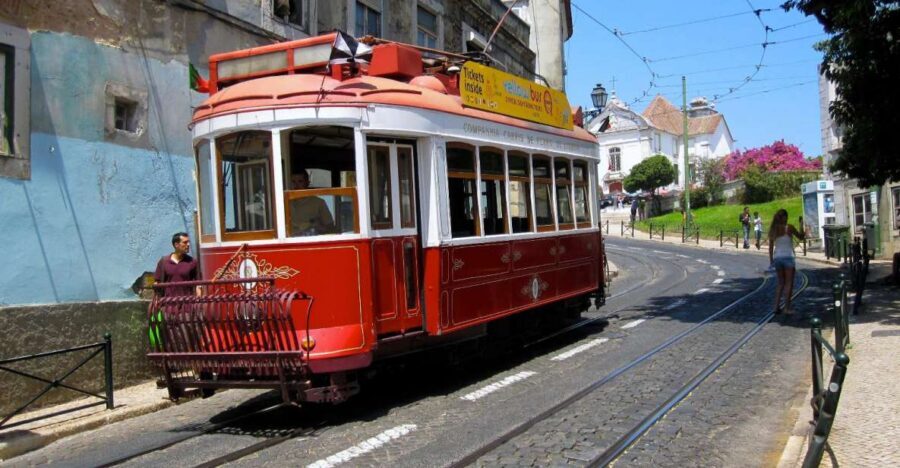
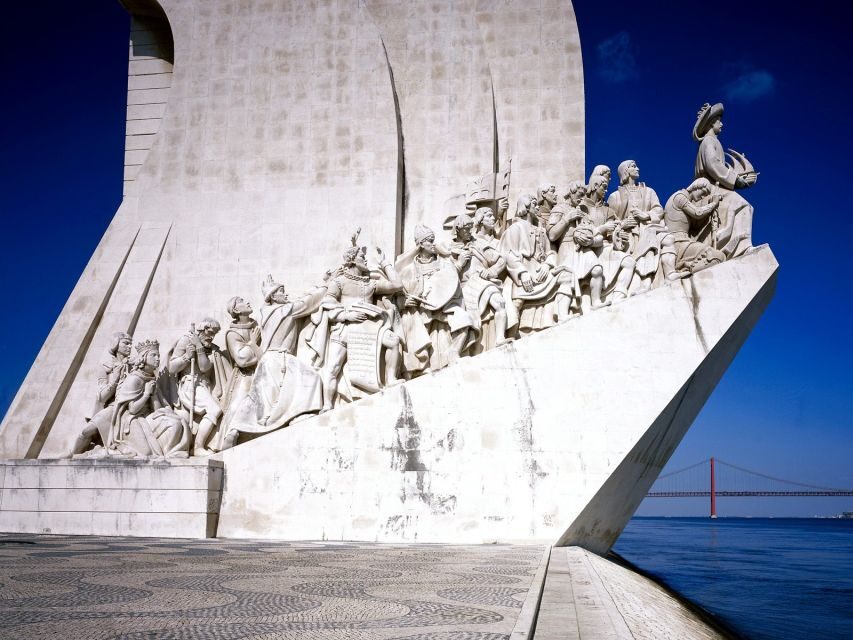
Belem is where Lisbon remembers its seafaring power. You’ll see the Belem Tower, then move to the Discovery Monument and the Jerónimos Monastery, with time and context around why these sites matter. Jerónimos Monastery is also the resting place of Vasco de Gama, which helps connect the architecture to a specific story instead of treating it like a generic landmark stop.
Here’s what I like about doing these together: they tell one continuous idea. The Tower signals the maritime frontier. The Discovery Monument points to the age of exploration. Jerónimos adds the human anchor—Vasco de Gama—so the whole Belem cluster clicks.
A practical note: since entrance tickets aren’t included, plan to decide on the fly what you’ll go inside. If you’re the type who loves interiors, budget for it. If you’re mainly into exteriors and views, you can still get a lot without paying for every ticket.
The famous pastry stop from 1837
Between monuments and downtown, you’ll stop at Portugal’s most famous pastry shop, founded in 1837. This is one of those Lisbon moments that’s both simple and meaningful. Yes, it’s food. But it’s also a living slice of old Lisbon—long enough to count as tradition, not just a trend.
This break also does something useful for the tour. It resets you. After walking the Belem area, a quick pastry stop keeps your energy up before the day turns more urban—squares, churches, viewpoints, and neighborhoods with steeper terrain.
If you have dietary needs, you’ll want to keep it in mind when you’re choosing what to order. The day runs on a schedule, and you may not have a second chance for a dedicated meal stop right then.
Rossio and Commerce Square, plus Portuguese Inquisition context

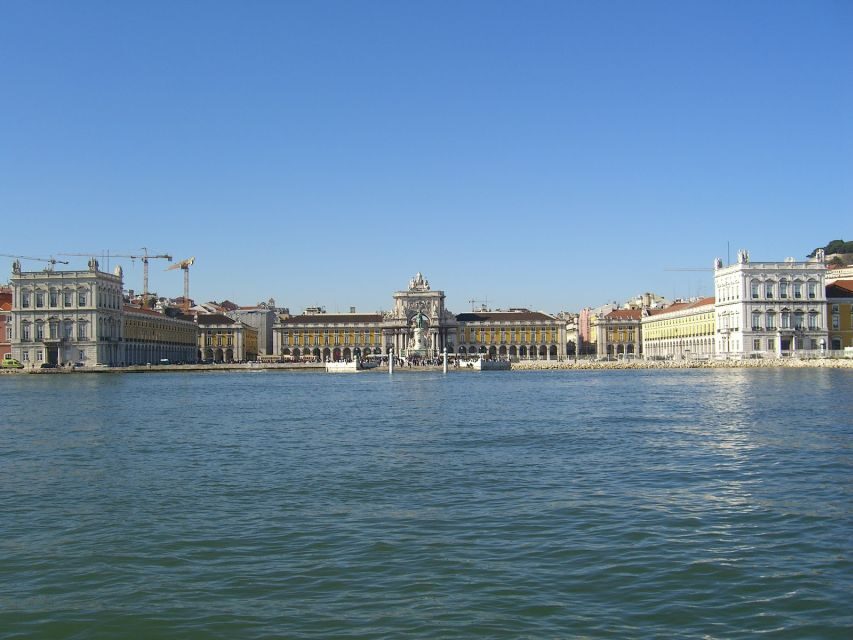
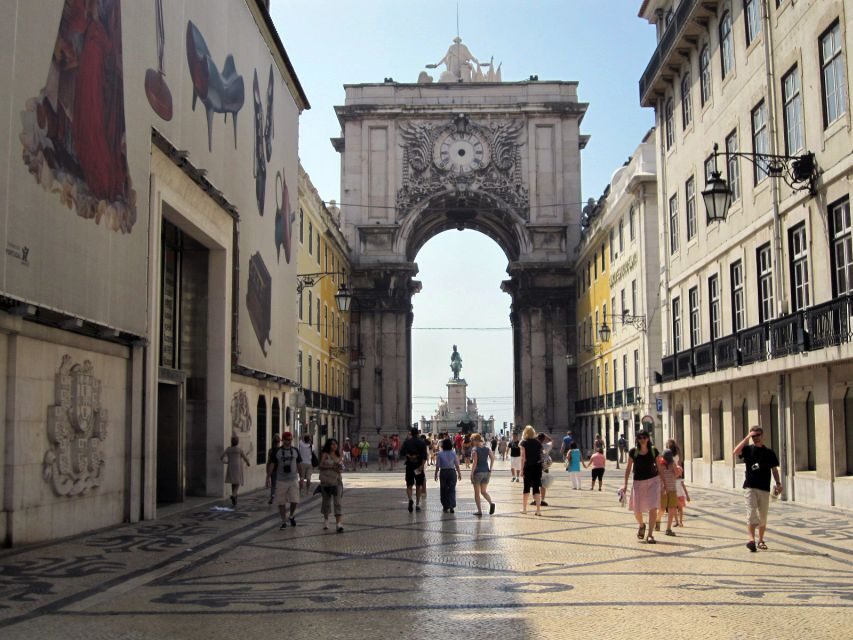
Once you head back toward central Lisbon, you’ll see the big squares that anchor the city’s street life. Stops include Rossio Square and Commerce Square, which give you a clear sense of Lisbon’s layout—where people gather, where the city opens up, and where it channels traffic and foot movement.
What makes this section more than just sightseeing is the history tied into the places. You’ll learn about the Portuguese Inquisition in the 16th century, and how that era shaped the kinds of power Lisbon was navigating at the time. The goal isn’t to turn this into a lecture. It’s to help you recognize why the city looks the way it does and why certain streets and institutions carried weight.
I find squares are great “orientation anchors.” If you get the geometry of Lisbon early—main avenues, open plazas, and sightlines—everything you do later feels easier. This tour sets that up.
After lunch: Restauradores Square and more downtown Lisbon
If you’re doing the full-day option, the day doesn’t simply repeat itself. After lunch, you continue at Restauradores Square, then you keep moving through more of downtown Lisbon. That matters because Lisbon changes by neighborhood. You can’t always feel that just by looking at a single street.
This part of the day also sets you up for the old-meets-new contrast that defines the city: you’ll head toward the more medieval-feeling streets next, then later finish in a modern riverside zone. That arc can make the afternoon feel less tiring, because you’re not just climbing and walking in the same pocket of terrain.
You can also read our reviews of more tours and experiences in Lisbon




Alfama’s 13th-century streets and Lisbon Cathedral

Then comes the heart-and-soul neighborhood stop: Alfama, Lisbon’s oldest area dating back to the 13th century. You’ll walk through the narrow streets, where the city’s layers feel close together. This is the kind of neighborhood where “how do I get there” doesn’t matter as much as “follow the turn you can’t see around.”
The tour also includes a stop at Lisbon Cathedral. Even if you’re not the type to obsess over architecture, a cathedral stop gives you a stable reference point—one place that ties the old neighborhood into the idea of Lisbon as a city with long continuity.
One reason I like adding Alfama and the cathedral in the same block: Alfama can feel like one long maze if you’re on your own. With a guide, you understand what you’re looking at—church placement, neighborhood logic, and why the streets feel the way they do.
St. George’s Castle views via Chiado and viewpoints
From Alfama, the tour works its way toward the classic viewpoint energy around St. George’s Castle. You’ll pass by Chiado, then stop at some amazing viewpoints, with scenery framed by the castle area.
This is the kind of stop where a guide helps in two ways. First, they point out what you’re seeing so it doesn’t just feel like a pretty panorama. Second, they often share how the viewpoints relate to the streets below, which helps you understand Lisbon’s geography—where the hills rise and where neighborhoods fold into each other.
St. George’s area is also ideal for photos, but it’s not just for photos. It’s where you finally see Lisbon as a city of slope and angles. That perspective makes the rest of your independent exploring easier later.
Parque das Nações and Expo ’98: Lisbon by the Tejo
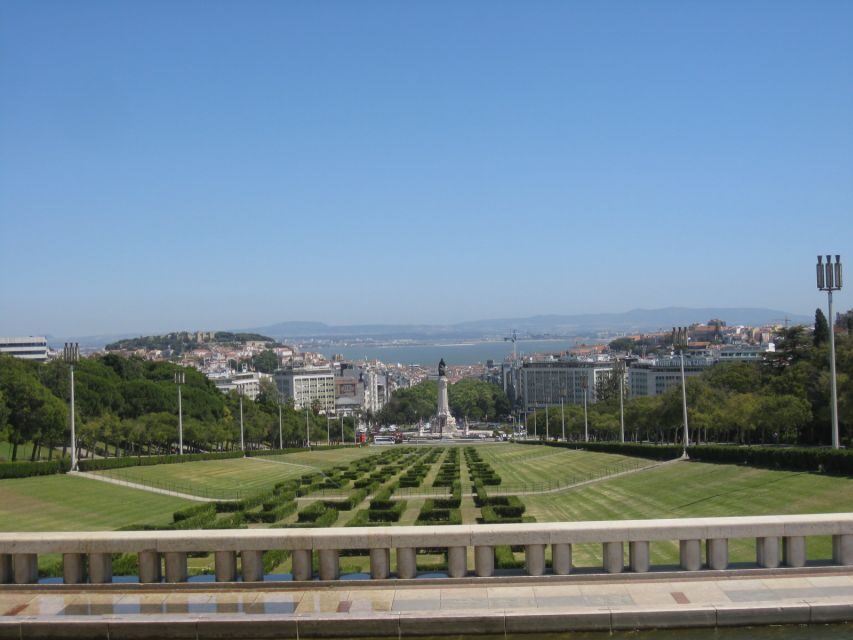
You end at Parque das Nações, the more modern part of Lisbon near the Tejo River. This is a smart closing move because it changes your mental picture of the city. You start with medieval and maritime Lisbon. You finish with a riverside zone shaped by 1990s-era planning.
You’ll also learn how Expo ’98 was built for the 500th anniversary of India’s discovery by Vasco da Gama. That detail ties the end of the day back to Belem’s seafaring story, so you don’t feel like you’re ending in a random modern district. It feels like the same narrative, just updated in time.
If you’re someone who likes seeing cities at different ages, this ending is worth it. It also gives you a helpful last stop if you’re planning where to go next—modern Lisbon around Parque das Nações can be easier to navigate after a day of hills and tight streets.
Small-group size and guide style: up to 8, real questions welcome
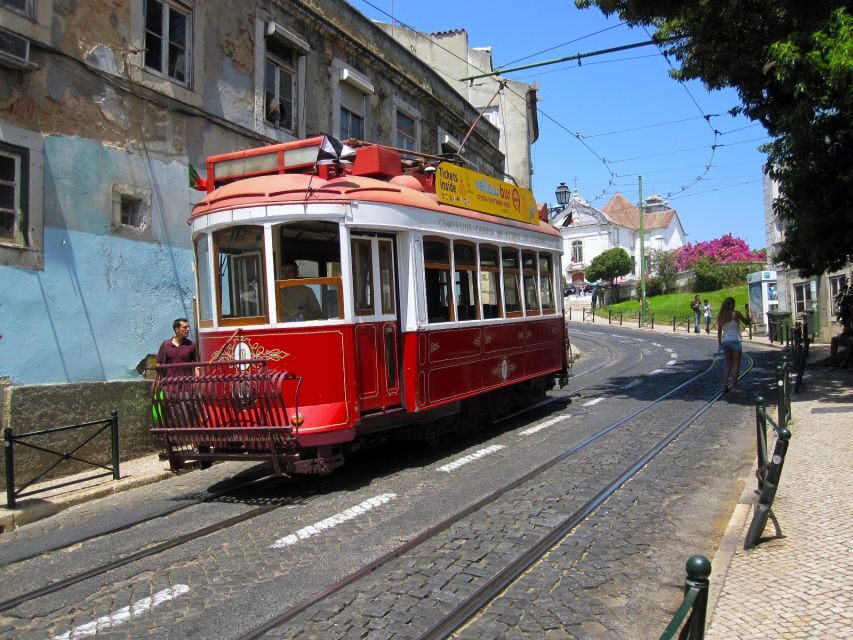
The small-group limit—8 participants—is the backbone of the experience. It keeps the day from turning into a bus tour where you can’t hear or ask anything. In a group this size, it’s more realistic to get direct answers and quick clarifications, whether it’s about Portuguese culture, a monument’s context, or where to spend your extra time afterward.
The guide experiences also show a clear pattern in how the day gets judged. Guides like Fliipa, João, and Nuno are praised for being energetic, attentive, and willing to answer questions. One guide even helped with follow-up ideas like a museum recommendation off the beaten track—São Vicente de Fora—which is the kind of tip that can help you build your own Lisbon day after the tour ends.
There’s one small consideration to keep in mind: the group may occasionally mix languages if different tour language bookings overlap. If that happens, you might hear key points repeated in more than one language. It’s usually not a big deal, but it’s good to know it can happen.
Transportation comfort: air-conditioned van, but you still do the walking
You travel by air-conditioned vehicle (8 passenger capacity), and you’ll be moving between several Lisbon districts in a day. That helps a lot during hotter months. It also keeps the pace manageable—shorter transfers mean less time stuck in transit.
Still, don’t book this expecting a purely sit-down experience. You’ll see narrow streets in Alfama and viewpoints where walking and positioning matter. If you’re dealing with mobility limitations, you may want to weigh how you handle stairs and uneven streets in older neighborhoods.
Value check: what $103 gets you, and what you’ll pay for separately
At $103 per person for an 8-hour day, you’re paying for three things: small-group routing, local guidance, and guided transitions between Lisbon’s major areas. The price doesn’t cover every expense—entrance to monuments and admission fees aren’t included, and meals and drinks are not included either.
So is it worth it? For me, the math works when:
- you want a plan that reduces decision fatigue,
- you’ll actually use the guide for context (not just photos),
- you value the small group size for questions and timing.
You’ll likely spend extra on entrances if you choose to go inside major monuments like Jerónimos Monastery. That’s normal. Just go in expecting that you’ll pay some add-ons if you want the full ticketed experience.
If you’re the type who prefers to wander without structured stops, you might find better value in building your own route. But if you want Lisbon to make sense quickly, the guided format is a time-saver.
Who should book this tour (and who might not love it)
This tour suits you if:
- you want major Lisbon sights without building a route from scratch,
- you like walking through old neighborhoods like Alfama instead of only seeing them from afar,
- you care about historical context, including moments like the Portuguese Inquisition era,
- you want a guide to point out viewpoints and practical follow-ups.
You might want to skip—or at least consider a different style—if:
- you hate fixed schedules and would rather roam slowly on your own,
- you’re not interested in monument interiors, since entrances aren’t included,
- you prefer a language-specific private experience, since mixed-language groups can happen.
Should you book this Lisbon guided tour?
I think you should book this if you’re aiming for a “first Lisbon day” that gives you direction. The blend of Belem, Alfama, central squares, viewpoint time near St. George’s, and the modern finish at Parque das Nações creates a full picture of the city in one day.
Book it especially if you want to understand what you’re seeing—whether that’s Vasco da Gama’s link to Jerónimos Monastery or why Lisbon’s squares and institutions matter historically. Just go prepared for extra costs for entrances and be ready for some walking on narrow, older streets.
If you want a structured day with a knowledgeable local guide and a group that stays small, this is a strong fit.
FAQ
How long is the tour?
The tour duration is listed as 8 hours.
Where does the tour meet?
The meeting point is Hard Rock Café at 09:30.
Is it half-day or full-day?
Both half-day and full-day small-group guided tour options are available.
What’s included in the price?
Transportation by an air-conditioned vehicle, an experienced local driver/guide, and optional hotel pickup are included.
Are monument entrances included?
No. Entrance to monuments and admission fees are not included.
What languages are offered?
The live tour guide is available in English, Spanish, French, and Portuguese.