REVIEW · LISBON
LISBON GRAND EXPERIENCE Tuktuk Tour in German
Book on GetYourGuide →Operated by TUKXI MADEIRA - TURISMO, UNIPESSOAL LDA · Bookable on GetYourGuide
Some cities need a map. Lisbon needs a guide.
This private tuk tuk tour is built for getting oriented fast, with a German-speaking guide helping you stitch together your own route across old neighborhoods and iconic landmarks. I like the freedom to choose the sights (instead of being herded), and I also like that you get the kind of on-the-spot context that turns photos into understanding. One drawback: the stops are short, so you’ll need to be okay with quick looks rather than long museum-style time.
What makes it especially appealing is how the route balances “wow” viewpoints with major sights. In the past, the guides have handled chaos well too—one guide (Sandra) managed heavy traffic during a marathon afternoon and still got the group to many highlights, while another (Ingo) brought strong historical know-how and even shared secret Lisbon tips like rooftop bars.
In This Review
- Key things you’ll love about this tuk tuk tour
- Your tuk tuk “get bearings fast” ride through Lisbon
- Graça and Alfama: viewpoint-hopping without the workout penalty
- Graça historic district and the Church of Our Lady of Grace
- Miradouro da Senhora do Monte and Portas do Sol Terrace
- Alfama and Lisbon Cathedral: the photo stops that actually teach
- Baixa, Rossio, and Santa Justa: commerce streets plus lookout payoffs
- Baixa de Lisboa and Miradouro de Santa Luzia
- Bairro Alto passes the vibe test
- Carmo Convent and São Vicente de Fora: history without an overload
- Estrela Basilica: a calmer pause before the big westward push
- Belém and the Age of Discoveries: UNESCO sights plus the Lisbon you came for
- Belém Tower, Jerónimos Monastery, and the monument stops
- Santa Justa Lift and Rossio: quick hits that keep momentum
- Praça Luís de Camões and the Pink Street pass-by
- Miradouros again: why the second Sao Pedro de Alcântara matters
- Pasteis de Belém: the sweet finish that feels earned
- How long is enough? Timing that keeps the day enjoyable
- German guide quality: the real value is the context
- Vehicle comfort and the logistics that make it feel easy
- Price and value for a private group up to four
- Who should book this tuk tuk tour
- Should you book this tour?
- FAQ
- FAQ
- What is the price for this tour?
- How long does the Lisbon Grand Experience tuk tuk tour last?
- Is this tour private or shared?
- What language is the guide?
- What is included in the price?
- What areas and landmarks does the tour cover?
- Can I choose which places to visit?
- What is the cancellation policy?
Key things you’ll love about this tuk tuk tour
- German-speaking guide who can explain what you’re seeing in plain language
- You pick the route, with options to add more central areas like Chiado or Bairro Alto
- Viewpoints by design, so you see Lisbon’s best angles in less time
- Belém included, with Jerónimos Monastery and Belém Tower plus the Age of Discoveries monuments
- Pasteis de Belém stop, built into the flow so you’re not hunting afterward
- Hotel pickup and drop-off, which makes the whole day feel smoother
Your tuk tuk “get bearings fast” ride through Lisbon

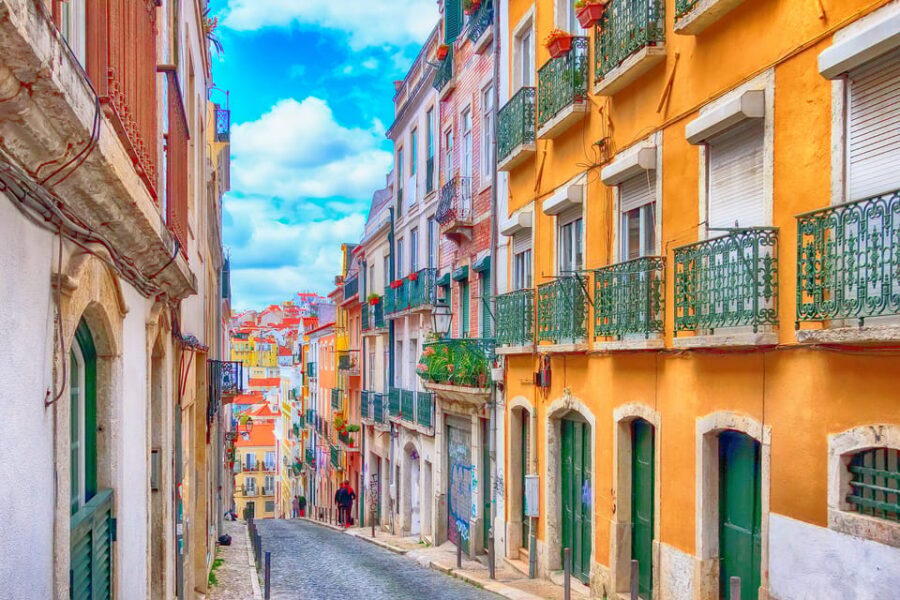
The best way to describe this tour is momentum. You’re not wandering endlessly trying to connect one hilltop to the next. Instead, you’re dropped into the neighborhoods that make Lisbon Lisbon—steep streets, tiled facades, and belvederes—while your guide keeps the route practical.
Because it’s a private group (up to 4 people based on the group price), it also feels less like a timetable and more like a plan you can shape. You can ask for more time in a place you love, or shift the emphasis toward other areas your guide knows well. That flexibility matters in Lisbon, where a single street can look totally different depending on the light and where you stand.
You can also read our reviews of more tours and experiences in Lisbon.


Graça and Alfama: viewpoint-hopping without the workout penalty
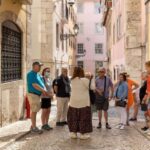
Your tour starts with pickup in Lisbon, then you move by tuk tuk into the older parts of town where the streets are narrow and full of character. You’ll get an early slice of the city’s “layers”—the way older quarters climb uphill and reveal postcard views from tiny turns.
Graça historic district and the Church of Our Lady of Grace
In Graça, you’re set up to understand Lisbon’s hillside logic: housing climbs, viewpoints appear, and the city feels made for looking outward. Expect a short visit to soak in the district, then a move to one of the first key lookouts—Miradouro da Senhora do Monte—for a wider view over rooftops and distant landmarks.
From there, you’ll spend time around the Church of Our Lady of Grace. Church stops can be hit-or-miss on tours, but in this kind of route they work because your guide can frame why the church matters to the neighborhood’s identity. If you like architecture and city history without drowning in details, this is a good use of time.
Miradouro da Senhora do Monte and Portas do Sol Terrace
Viewpoints are where Lisbon shows off. Senhora do Monte gives you a big panoramic feel, while later you’ll hit Portas do Sol Terrace, a classic perspective that makes Alfama feel especially scenic. The trick with viewpoints on short tours is knowing what you’re looking at—your guide’s job is to point you toward the right landmarks and explain the logic behind the layout.
Alfama and Lisbon Cathedral: the photo stops that actually teach
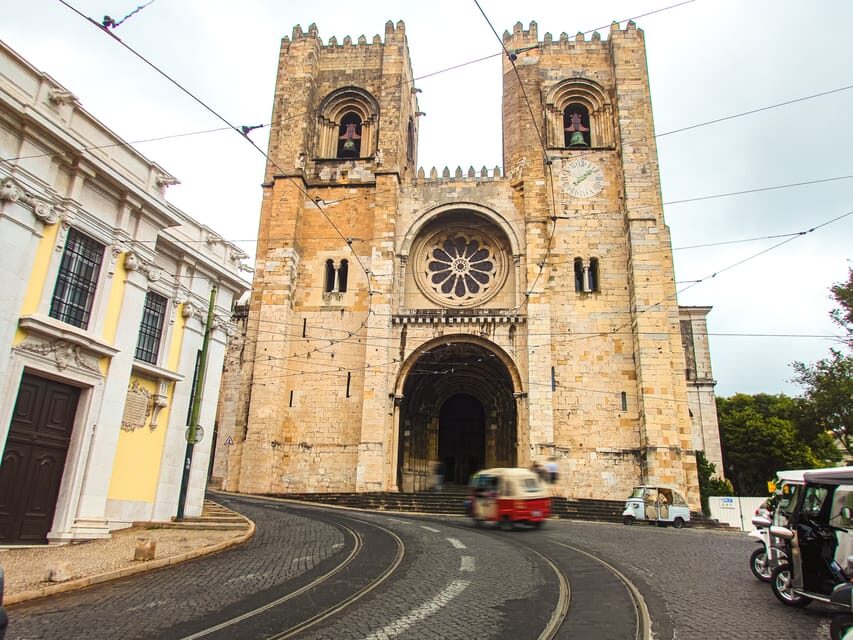
Alfama is the heart of the older Lisbon vibe. Here, you’ll have time to walk and sightsee in the lanes that feel unchanged in tone, even if the city around them has modernized. Then you’ll reach Lisbon Cathedral, where the stop is built for a guided look plus some break time for photos and quick browsing.
This is one of those moments where a guide can save you from the usual tourist confusion. The cathedral isn’t just an impressive building; it helps you place Lisbon’s long timeline into something you can recognize while you’re walking.
Practical tip for this stretch: wear shoes that work on cobbles and uneven stone. You won’t spend all day trudging, but these areas demand grip and comfort.

Baixa, Rossio, and Santa Justa: commerce streets plus lookout payoffs
After Alfama, the tour swings toward Baixa de Lisboa—Lisbon’s more structured, grander central area. This contrast is part of the value. You’re not only seeing the romance of old quarters; you’re also seeing how the city reorganized itself and why the downtown layout looks the way it does.
Baixa de Lisboa and Miradouro de Santa Luzia
You’ll get a stop with guided context and some time to move around and take pictures in Baixa. Then Miradouro de Santa Luzia adds another viewpoint angle—often a favorite because it shows the charm of Lisbon from a slightly different elevation and direction. If Lisbon’s hills are the “main character,” viewpoints are the camera cuts.
Bairro Alto passes the vibe test
Next comes Bairro Alto, where you’ll likely do a photo-oriented pass plus a guided visit. Bairro Alto tends to feel more “alive” in the city’s imagination, and even in a short stop you can understand why: the streets are lively, the views are practical, and the neighborhood sits at a junction point for moving between districts.
From here you’ll also pass by major landmarks on the route, including the National Pantheon of Santa Engracia, which works well as a “you’ll remember that building” moment without turning the day into a long museum visit.
Carmo Convent and São Vicente de Fora: history without an overload
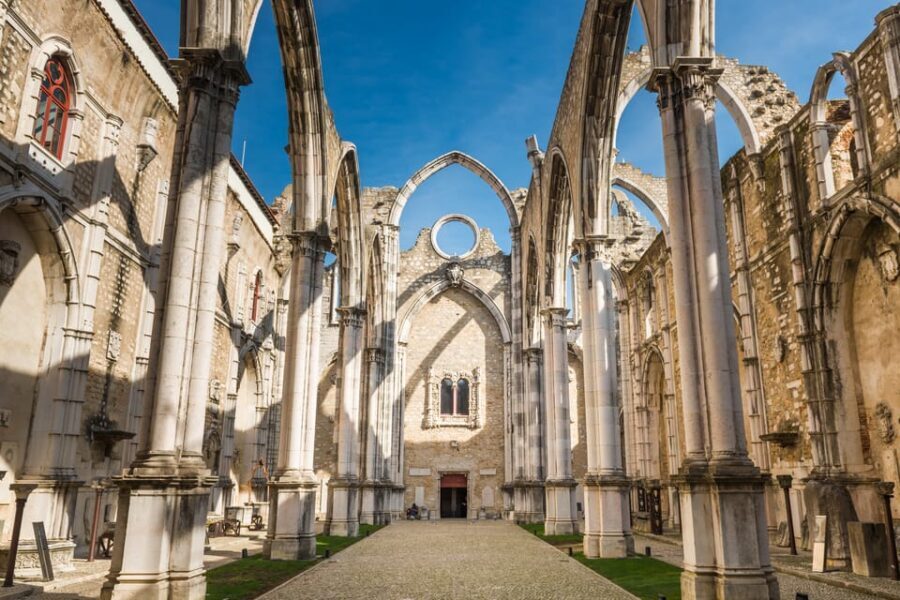
You’ll stop at Carmo Convent with break time plus guided time. Then you’ll pass by Monastery of São Vicente de Fora. These aren’t presented as endless “read-every-plaque” stops. Instead, they help you connect the dots: Lisbon’s religious architecture, the eras that shaped it, and why certain areas still feel anchored in identity.
Estrela Basilica: a calmer pause before the big westward push
After the viewpoints and denser sights, you’ll reach Estrela Basilica. This is a useful pivot point in a tour like this—partly because the guided time gives you structure, and partly because the area can feel less hectic compared with the most crowded central spots.
You’ll get break time plus a guided look and time for sightseeing. It’s a good moment to slow down, grab water, and reset your energy before heading toward Belém, where the pace shifts from hillside neighborhoods to monumental landmarks.
Why this stop matters: it prevents the route from becoming only hills and photos. You get a different architectural feel and a better rhythm for the day.
Belém and the Age of Discoveries: UNESCO sights plus the Lisbon you came for
Now for the big destination day. The route expands west toward Belém, the area tied to Portugal’s maritime story and the Age of Discoveries. This is where Lisbon stops being only charming and becomes historically significant in a very visible way.
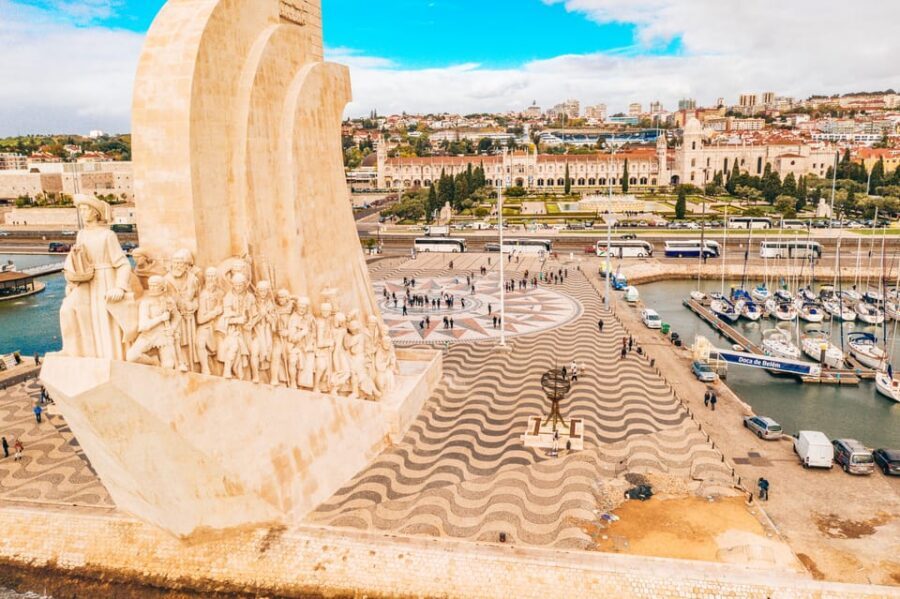
Belém Tower, Jerónimos Monastery, and the monument stops
You’ll see major UNESCO-linked sites in a tight sequence, including Belém Tower and Jerónimos Monastery. Both are the kind of landmarks where a short guided explanation helps you notice details you’d otherwise miss—style, purpose, and the broader historical context.
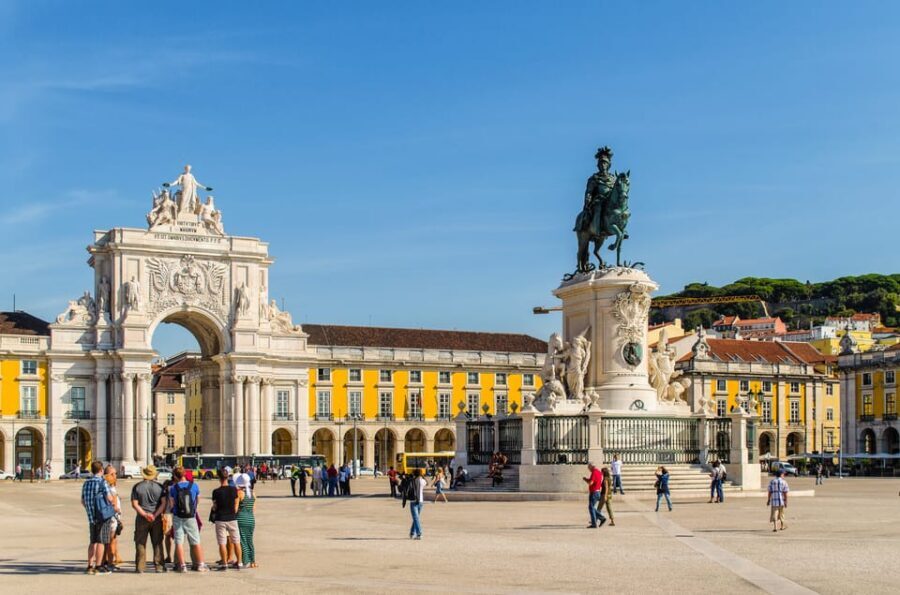
You’ll also have stops around the Padrão dos Descobrimentos monument, plus quick sightseeing time in central Belém areas like Praça Luís de Camões. Another photo-oriented stop in the mix is Praça do Comércio, which gives you a different sense of Lisbon’s layout—more open space, more “city in motion” feeling.
Santa Justa Lift and Rossio: quick hits that keep momentum
On the way west (and during the central transitions), you’ll pass or stop for brief sightseeing at landmarks like the Santa Justa Lift and the Rossio Square area. These short stops matter because they keep the city feeling connected. Instead of long gaps, you get continuous sight recognition.
Praça Luís de Camões and the Pink Street pass-by
You’ll also pass Pink Street. It’s the kind of stop that works on a short tour because it’s visually distinctive and low-effort. Even if you don’t spend much time there, it helps you experience how modern Lisbon branding and color live beside historic districts.
Miradouros again: why the second Sao Pedro de Alcântara matters
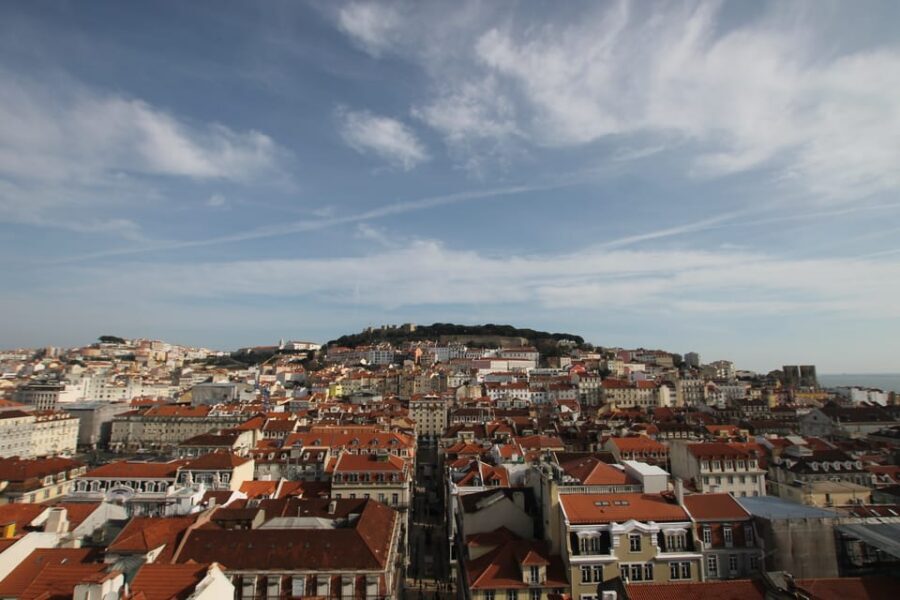
You’ll visit Miradouro de São Pedro de Alcântara in the latter part of the route as well. Doing a viewpoint twice (or returning to the same one with fresh timing) can be surprisingly helpful. The light and the crowd rhythm change, and a guide can also use the second visit to connect what you saw earlier to what you’re about to see later.
This is where you’ll likely appreciate why the route includes multiple viewpoints: Lisbon’s beauty isn’t one view. It’s the ability to compare angles and understand how neighborhoods stack across the hills.
Pasteis de Belém: the sweet finish that feels earned
You’ll end with Pastéis de Belém with a break time designed for food. This isn’t an afterthought dessert stop. It’s integrated as a payoff after the maritime and monumental sightseeing, so the day closes with something unmistakably Lisbon.
Short tours can sometimes pressure you into quick eating with no joy. Here, the break is built in, so you can actually taste rather than just collect a souvenir.
My advice: if you’re sensitive to sugar, go slow with the first one. If you’re not, you’ll quickly see why these are famous.
How long is enough? Timing that keeps the day enjoyable
The tour runs about 4 to 6 hours, and that range tells you what kind of experience it is: efficient, not exhausting. Many stops are in the 5–20 minute range, which means you’ll get a strong overview of major sights and viewpoints without spending the whole day walking.
The tradeoff is obvious: if you love a single place and want to linger, you may need to prioritize. This is where the customization really helps—tell your guide what you want more of, and they’ll adjust your route accordingly.
German guide quality: the real value is the context
The reviews you provided point to the same theme: the guides don’t just point. They explain.
One guide, Sandra, handled a tough traffic afternoon during a marathon and still managed to cover many sights. That’s important because Lisbon traffic can be unpredictable, and a short tour can get derailed if the guide can’t keep control of timing. Another guide, Ingo, is described as having huge history know-how and even sharing rooftop bar tips—exactly the kind of extra local angle that makes a guide feel like a resource, not just a translator.
If you care about background—why things look the way they do, what certain buildings represent—this tour format is a strong match. You get the “why” during the day, rather than reading it later on your phone.
Vehicle comfort and the logistics that make it feel easy
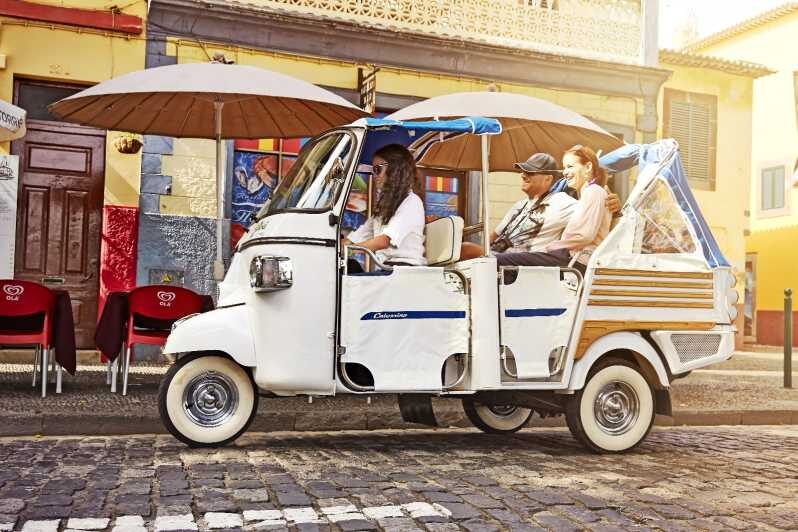
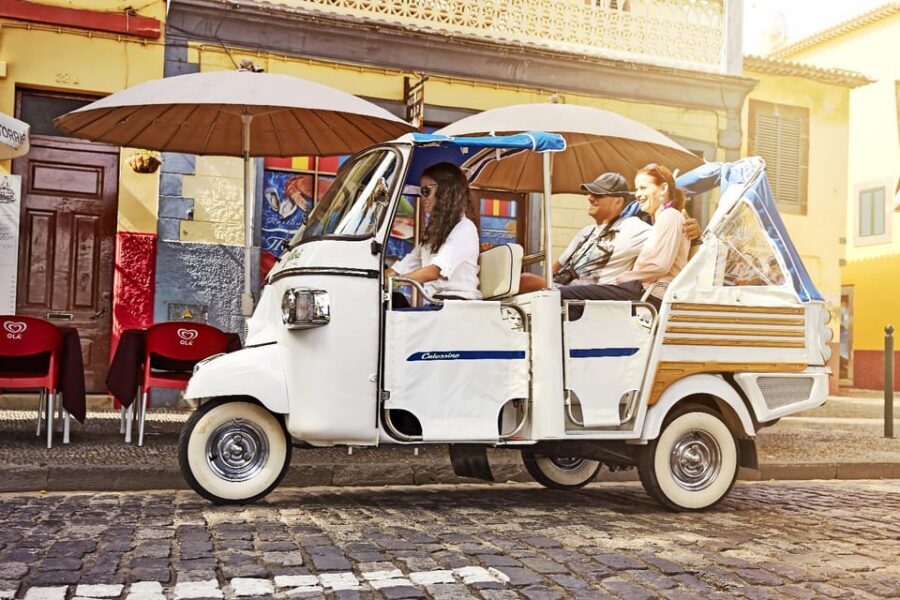
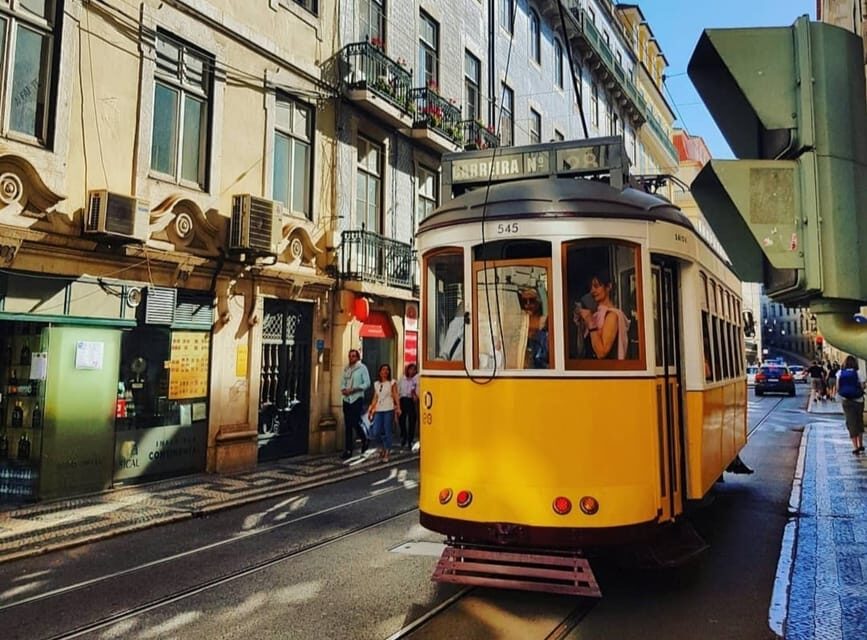
Since pickup and drop-off are included, you avoid the mental tax of figuring out how to connect neighborhoods. And using a tuk tuk is practical for Lisbon’s narrow streets and the stop-start nature of a viewpoint-heavy route.
In plain terms: you’ll see a lot more with less fatigue. That matters most if you’re doing other activities the same day, or if you’ve already been walking around before the tour.
Price and value for a private group up to four
The price is $318 per group (up to 4 people) for a 4–6 hour private experience with a German-speaking guide and pickup/drop-off.
Here’s how I’d evaluate value:
- You’re paying for time compression. Lisbon’s districts spread across hills; a vehicle plus a smart route saves effort and missed sight opportunities.
- You’re paying for human routing. Being able to personalize the itinerary changes what you get from the day. A fixed tour can be great, but the best day is the one that matches your interests.
- You’re paying for guided context at major landmarks, not just photos.
Is it the cheapest thing in Lisbon? No. But for the way the day is structured—viewpoints plus UNESCO sites plus local food—it’s one of the more efficient ways to get a strong overview without spending hours figuring it out yourself.
Who should book this tuk tuk tour
This tour is a great fit if:
- You want a curated route that still allows choices.
- You like viewpoints and historic districts more than long museum time.
- You’re traveling with up to 4 people and want a private guide rather than joining a bigger group.
- You prefer learning in the moment, with a German-speaking guide explaining what you’re seeing.
If you’re the type who needs 2–3 hours inside one major site, you might find the pacing short. But if you want the highlights plus meaning, it’s a strong format.
Should you book this tour?
Yes, if your goal is to understand Lisbon quickly and taste the highlights. This is one of those rare tours where the “short stops” don’t feel skimpy because the guide helps you read the city as you go—especially in neighborhoods like Graça and Alfama, and then again in Belém with Jerónimos Monastery and Belém Tower.
I’d book it now if you like the idea of a private German-led plan with flexibility. The feedback about guides handling real-world timing (like Sandra during the marathon) also makes me feel better about booking a route that depends on efficiency.
If you’re unsure, decide what matters most: long time in one place, or a smart sweep across many. This one is clearly built for the sweep.
FAQ
FAQ
What is the price for this tour?
The price is $318 per group, up to 4 people.
How long does the Lisbon Grand Experience tuk tuk tour last?
It lasts about 4 to 6 hours.
Is this tour private or shared?
It is a private group experience.
What language is the guide?
The live tour guide speaks German.
What is included in the price?
Hotel pickup and drop-off are included.
What areas and landmarks does the tour cover?
You’ll explore classic Lisbon districts like Alfama and Graça, plus viewpoints and major landmarks including Belém Tower and Jerónimos Monastery. The tour also includes Pastéis de Belém.
Can I choose which places to visit?
Yes. You can put together an individual route with your guide and select places you want to visit, including options to expand your tour to areas like Chiado, Bairro Alto, or Estrela.
What is the cancellation policy?
Free cancellation is available up to 24 hours in advance for a full refund.