REVIEW · LISBON
Lisbon: City Sightseeing Private Tour with Guide
Book on GetYourGuide →Operated by Hi Lisbon Walking Tours · Bookable on GetYourGuide
Lisbon in three hours is a useful reset. This private walk pairs iconic stops with real neighborhood streets, so you see more than postcards and you get context along the way. You start at Praça do Comércio and follow the uphill path toward Lisbon’s best angles and oldest corners.
I especially love two things: Sé Cathedral, including its XII-century story and details you’ll actually notice once someone points them out; and the planned viewpoint time, from Portas do Sol to São Pedro de Alcântara, where Lisbon finally makes sense as a city of hills. It’s the kind of tour where the guide helps you read the city like a book.
The main downside is simple: you’ll be walking a lot over uneven old streets and slopes, so bring comfortable shoes and expect to pace yourself.
In This Review
- Quick takeaways
- Starting at Praça do Comércio (and why that matters)
- Casa dos Bicos and Alfama’s narrow-lane intro
- Sé Cathedral: where the 12th century suddenly feels close
- Portas do Sol viewpoint: the city’s big picture, in one breath
- São Jorge Castle: stories that connect the view to the streets
- Down to Baixa: Rua Augusta, Rossio Square, and São Domingos
- Largo do Carmo: Carmo Square, the National Guard Museum, and Carmo Church
- Santa Justa Elevator area and São Pedro de Alcântara photos
- Bairro Alto finish near Praça Luís de Camões
- Price and value: is $88 per person worth it?
- Best for who: the kind of traveler this fits
- A real-life guide detail: Claudia’s kind, responsive style
- Should you book this Lisbon private walking tour?
- FAQ
- Where does the tour start?
- How long is the Lisbon private walking tour?
- Is this tour private?
- What languages is the guide available in?
- What should I bring?
- Is food included?
- Where does the tour end?
Quick takeaways
- Praça do Comércio to Alfama: you start flat-ish, then feel Lisbon’s climb for real as you move into the narrow lanes
- Sé Cathedral (12th century): more than a photo stop, with guided details that connect architecture to local history
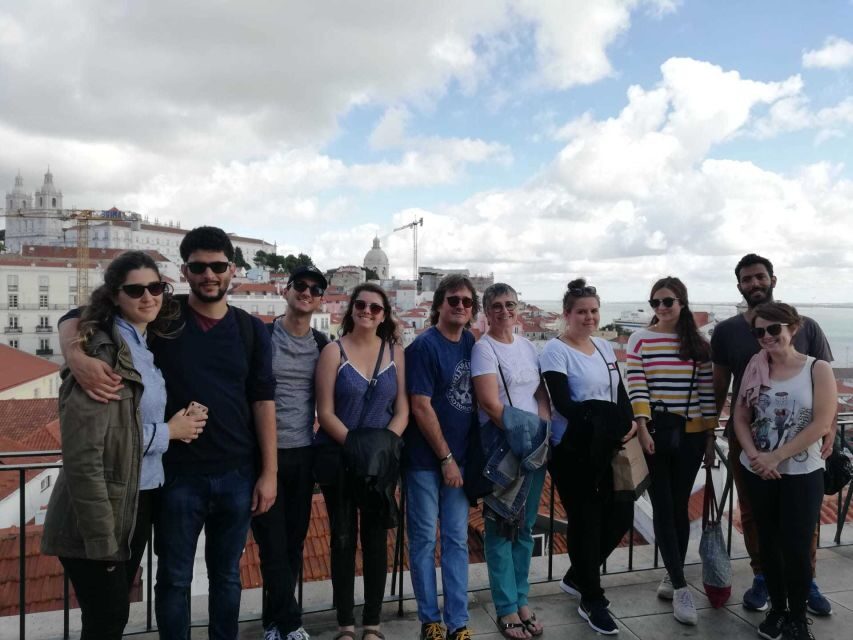
- Viewpoint rhythm: Portas do Sol plus São Pedro de Alcântara gives you multiple “wow, that’s Lisbon” moments
- São Jorge Castle time: you get castle views plus stories that make the city’s layout click
- Downtown highlights on foot: Rua Augusta, Rossio Square, and São Domingos Church without needing a map app
- Ginjinha taste: a classic Lisbon flavor moment built into the tour
Starting at Praça do Comércio (and why that matters)
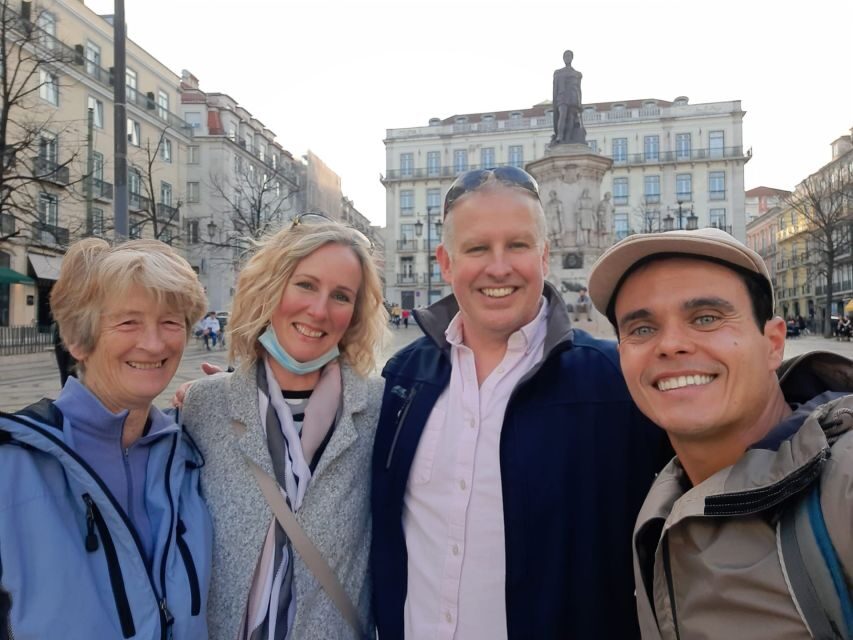
Most Lisbon tours jump straight to the hills. This one starts at Praça do Comércio, a wide, open square by the water that helps you orient yourself fast. Even if you only know Lisbon from photos, this is where you understand the basic geography: the city stretches back from the river and the neighborhoods climb from there.
Look for the orange umbrella in the middle of the square. Once you spot it, the rest feels smoother, because you’re not trying to rendezvous while your legs are already negotiating cobblestones. Also, starting here is smart because your guide can set expectations right away: what you’ll see, how the route flows, and what to watch for in the streets.
If you like clear structure, this is the kind of tour that gives it to you. You’re not wandering for hours hoping you’ll “stumble” into the right views.
You can also read our reviews of more guided tours in Lisbon



Casa dos Bicos and Alfama’s narrow-lane intro
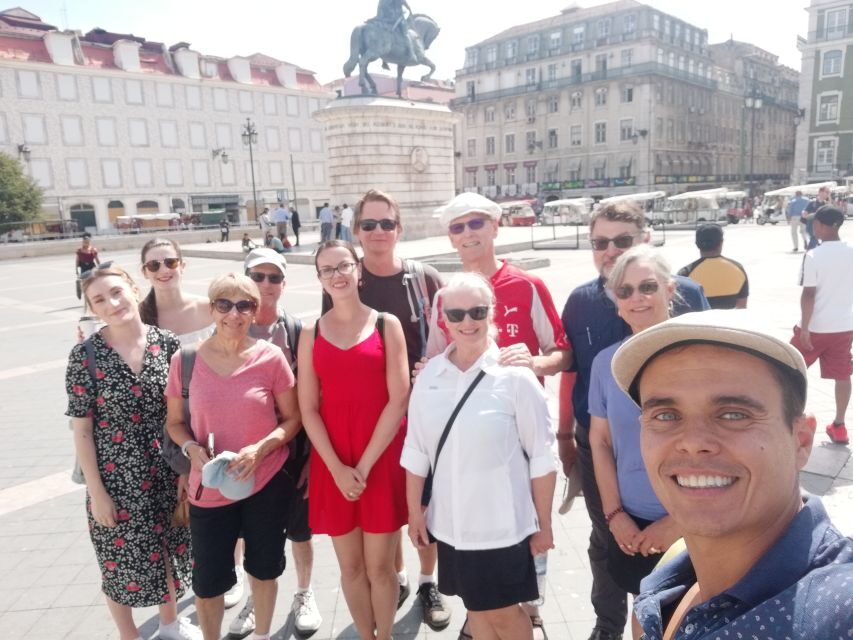
From Praça do Comércio, the walk slides into Alfama, one of Lisbon’s oldest areas. This is where Lisbon’s personality shows up: tight streets, small storefronts, and everyday bars and restaurants you pass on your way.
A quick stop near Casa dos Bicos helps you transition from the big open square to the intimate old-street feeling. You’ll spend only a short moment here, but it works like a warm-up. The idea is to get you looking at details rather than just moving forward. That matters because Alfama rewards slow attention.
In practical terms, this segment is also a gentle “wake up” for your footing. Even before you hit the famous viewpoints, you’ll already be on uneven paving. So this is a good time to settle into your walking pace, keep your water handy, and stop if you need a breather.
Sé Cathedral: where the 12th century suddenly feels close
Next comes Sé Cathedral, Lisbon’s oldest church, built in the XII century. This is one of those sights where people either race through it for a quick picture or they miss the details that make it meaningful. With a guide, you get the second option: you notice what you’re actually looking at.
What I like about this stop is the way it anchors the day. The cathedral isn’t just a landmark; it’s a reference point for how Lisbon evolved. Once you understand the cathedral’s “oldest of the old” status, the rest of your route starts to feel logical instead of random.
A solid rule for cathedral visits: look first at how the building sits in the neighborhood and how light moves across stone. Then listen to the guide’s story. The combination usually clicks better than either piece alone.
If you’re the kind of traveler who cares about how cities grew, Sé Cathedral is a highlight that pays off again and again later as you move from neighborhood to neighborhood.
Portas do Sol viewpoint: the city’s big picture, in one breath
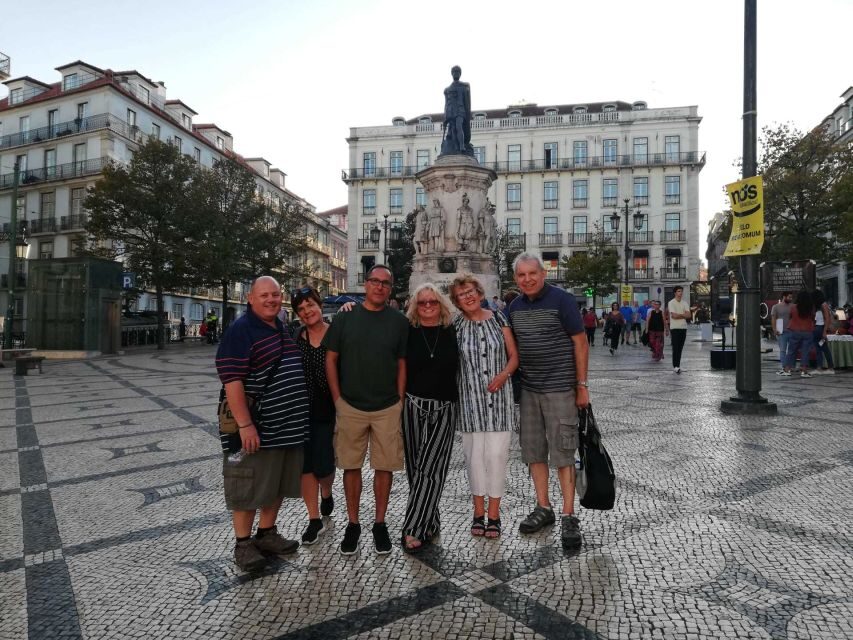
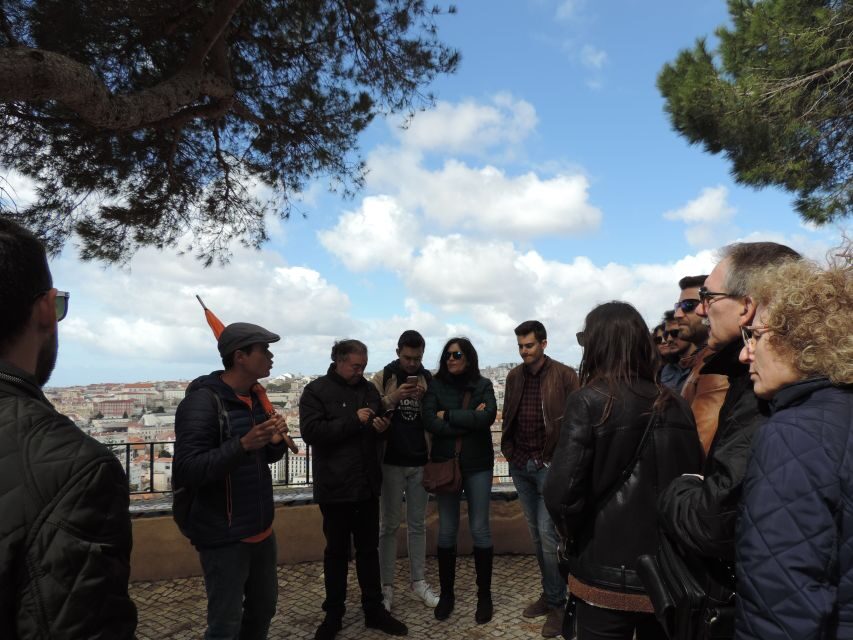
After Alfama, you head toward the Portas do Sol viewpoint. This is a short guided stop, but it’s timed well. By the time you reach it, you’ve already walked through narrow streets and you’ve started to feel Lisbon’s slope. So when you look out over the city, the views don’t feel disconnected. They feel earned.
This is also a great moment for photos, but not in the frantic way. You’ll have enough time to steady your shots, take a couple, and then look beyond the camera frame. That’s where the guide’s perspective helps, because they’ll point out what you’re seeing in relation to the neighborhoods you’ve just passed.
Tip: if you’re wearing layers, this is a good place to check the wind. Viewpoints can be breezy even on mild days, and a quick adjust makes the rest of the walk more comfortable.
São Jorge Castle: stories that connect the view to the streets
Then you move on to São Jorge Castle. This is where Lisbon turns into a geometry lesson, in the best way. The castle sits above the city, so it naturally gives you a “big-picture” view of how the different districts relate.
You’ll get guided storytelling while you explore, and that’s the point. Without guidance, castle visits can turn into, Well, it’s a castle. With guidance, you start understanding why this spot mattered and how it shaped what came next for Lisbon.
One practical note: castle areas usually mean more walking around walls, steps, and uneven surfaces. If you know you’re sensitive to stairs, plan to take your time and let the guide lead the pacing. You’ll enjoy the views more when you’re not rushing.
You can also read our reviews of more city tours in Lisbon





Down to Baixa: Rua Augusta, Rossio Square, and São Domingos
After the castle, the route transitions down toward Baixa, the downtown district. This part of the day is where Lisbon shifts from elevated stone and viewpoints to streets, squares, and famous pedestrian zones.
You’ll pass through a classic central stretch including Rua Augusta and Rossio Square, plus a stop at São Domingos Church. This combination matters because Baixa is where Lisbon looks most “tamed” compared to Alfama. The streets are more open, the rhythm is different, and it’s easier to understand the city’s layout once you’ve seen the hills.
Two things to do here:
First, slow down when you enter Rua Augusta. It’s visually dramatic, but it’s also easy to glide right through without noticing the details around you.
Second, keep an eye out for the Jewish Memorial during the Baixa portion. That stop adds depth to the story of Lisbon beyond kings, towers, and views.
If you’re wondering what makes a walking tour worthwhile, this is a good example. The downtown highlights are famous, but the guide helps you connect each stop to the broader picture of Lisbon.
Largo do Carmo: Carmo Square, the National Guard Museum, and Carmo Church
Next you’ll head to Carmo Square and see both the National Guard Museum area and Carmo Church. This is a quieter-feeling stop compared to the big viewpoint moments, which is exactly why it works.
Museums and churches here aren’t just “one more building.” They help you balance the day. After the dramatic castle views, you shift into Lisbon’s lived-in interior spaces—places where stories are preserved and details matter.
Carmo Church also tends to reward attentive looking. Even if you only have a short stop, it’s the kind of place where the guide’s explanations can make the architecture and setting feel much more personal than a quick look would.
Practical tip: if you’re sensitive to time in enclosed spaces, plan to use this part for a sit-down moment when the tour pacing allows. It’s a natural break in the walking rhythm.
Santa Justa Elevator area and São Pedro de Alcântara photos
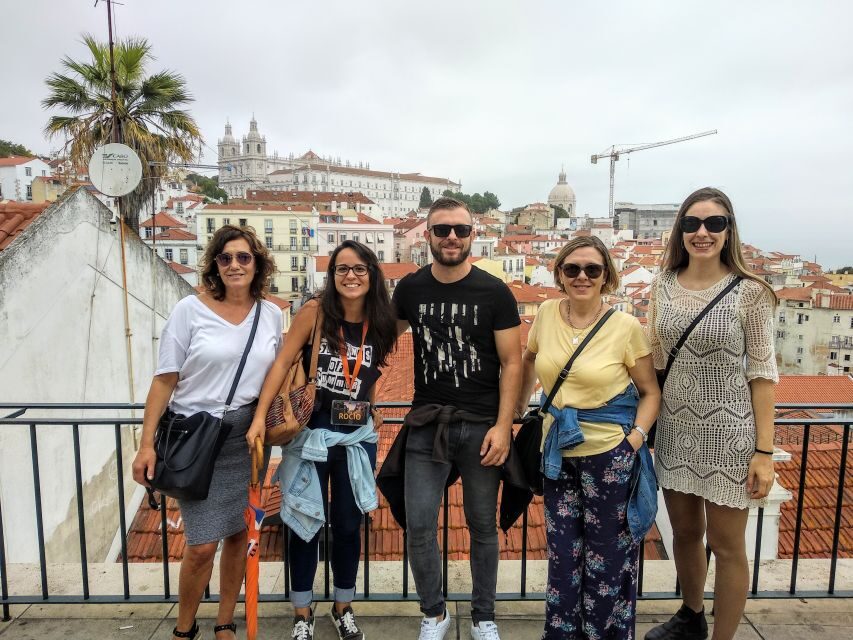
As the tour nears the end, you’ll visit the Santa Justa Elevator area and then head to São Pedro de Alcântara viewpoint. This is another chance for photos, but it also gives you a second “from above” perspective to compare with Portas do Sol.
What I like about the two-viewpoint structure is that it prevents the classic Lisbon problem: you take one great photo, then spend the rest of the day wondering if you missed your best view. Here, the itinerary spreads the wow moments out.
At this stage, you’ll probably feel your feet. That’s normal. Use the viewpoint time to reset—stand, breathe, take a few photos, then let the guide’s commentary bring the sights into focus again.
Bairro Alto finish near Praça Luís de Camões
The final stretch moves into Bairro Alto, known as the more bohemian side of Lisbon. You’ll finish at Praça Luís de Camões, which is a fitting closing point because it drops you back into a lively area without leaving you stranded on the outskirts.
This ending matters for two reasons. First, it’s a natural transition if you plan to grab dinner afterward on your own. Second, it helps you feel that Lisbon doesn’t stop at the viewpoint. The city keeps moving after the sightseeing.
If you have energy left, Bairro Alto is also a good place to wander at your own pace for a bit. The tour gives you context, and then you can choose what you want next.
Price and value: is $88 per person worth it?
$88 per person for a 3-hour private walking tour is not a bargain price, but it’s also not extreme for a guide-led route through several major areas.
Here’s where the value usually comes from:
- A professional guide who connects stops into one coherent story, instead of listing sights
- Private group format, which tends to make it easier to ask questions and adjust pace
- A route that includes multiple high-impact landmarks in one morning or afternoon, so you don’t have to piece together logistics yourself
The biggest cost saver is time. Lisbon involves hills and lots of walking. If you DIY with only a map, you’ll either miss context or spend extra time backtracking. Here, the guide keeps the flow tight.
One more note: food and drinks are not included. That’s why it’s smart that the experience includes a taste of ginjinha, one of Lisbon’s most famous liqueurs. You get a local flavor moment without turning the tour into a full meal plan.
Best for who: the kind of traveler this fits
This tour is a good fit if you:
- Want a guided route through Alfama, Baixa, and key viewpoints without worrying about where to go next
- Like history, but not dry lectures—think stories tied to buildings and street layout
- Prefer a private format where you can ask questions and get answers on the spot
It’s also a great option when you only have a short time in Lisbon and you want the city’s “shape” explained. Viewpoints alone can be impressive, but they don’t always tell you why the city looks the way it does. This route aims to connect that.
And yes, it’s also a solid choice if you enjoy little cultural stops, like the taste of ginjinha. It’s small, but it helps the day feel like Lisbon and not just a checklist.
A real-life guide detail: Claudia’s kind, responsive style
One standout detail from the experience is the way the guide communicates—professionally, kindly, and with lots of room for questions. In at least one account, the guide Claudia stood out for being gentle and ready to answer curiosity with a smile. That kind of responsiveness changes the feel of a walking tour. It turns the walk from silent sightseeing into a conversation where you learn what to look for next.
Should you book this Lisbon private walking tour?
If you want a compact, well-paced way to cover Lisbon’s most recognizable areas—Sé Cathedral, viewpoints like Portas do Sol and São Pedro de Alcântara, plus the downtown highlights—and you’re comfortable with a walking route over hills and old streets, then this is a strong yes.
I’d skip it only if you’re looking for a mostly seated experience or you’d rather not handle lots of uneven walking surfaces. Otherwise, the private guide, the mix of neighborhoods, and the built-in Lisbon moments like ginjinha tasting make it a good-value way to get your bearings fast.
FAQ
Where does the tour start?
It starts at Praça do Comércio. You’ll meet by looking out for the orange umbrella in the middle of the square.
How long is the Lisbon private walking tour?
The tour lasts 3 hours.
Is this tour private?
Yes. It’s listed as a private group tour.
What languages is the guide available in?
The live guide is available in English, Spanish, Portuguese, and Italian.
What should I bring?
Wear comfortable shoes and bring water.
Is food included?
Food and drinks are not included. The tour does include a taste of traditional ginjinha.
Where does the tour end?
It finishes at Praça Luís de Camões (1200-243 Lisboa, Portugal).