REVIEW · SETUBAL DISTRICT
Coasteering and Speedboat, Arrábida Setúbal, Sesimbra near Lisbon
Book on Viator →Operated by Wind Centro de Atividades de Montanha · Bookable on Viator
One small decision can turn into a Portugal story.
This coasteering and speedboat outing on the Arrábida coast is a fast, high-adrenaline way to see Sesimbra and Setúbal District up close. I love that you get all the coasteering gear and a guide-led route, so you’re not hunting for equipment. I also like the balance of options, where beginners can join and the group moves together with coaching. The main drawback to plan for is that you’ll be asked to handle water jumps and uneven rocks, so it helps to feel comfortable with swimming and moderate effort.
If you want an experience that feels hands-on and genuinely outdoors, this is it. It runs about 3 hours (starting at 10:30 am) with a max group size of 50, and it’s offered in English—a practical setup for a half-day adventure near Lisbon.
In This Review
- Key things I’d pay attention to
- Coasteering and speedboat in Arrábida: what makes this day special
- Value check: is $78.02 for 3 hours actually fair?
- Start at Parque Natural da Arrábida: gear, briefing, and your first choices
- Praia de Alpertuche: the opening stretch where confidence grows
- Lapa de Santa Margarida: caves, history talk, and the fun gets real
- How Arrábida Natural Park shapes the route (and your energy)
- The speedboat support: why it makes the day feel doable
- Safety in plain words: form checks, no shortcuts, and real coaching
- Who should book this coasteering and speedboat tour
- What to bring: simple choices that prevent problems
- When weather and tide change the plan, here’s what to expect
- Should you book this Arrábida coasteering and speedboat tour?
- FAQ
- How long is the coasteering and speedboat experience?
- What time does it start?
- Where do we meet, and where does it end?
- Is pickup included?
- What’s included in the price?
- Are snacks included?
- What fitness level do I need?
- Is it offered in English?
Key things I’d pay attention to
- Gear is included: you’re set up for the water without extra shopping
- Guides actively coach jumps: all abilities can participate, with different options
- Low tide can change the route: some jump points may be out, but caves can be reached
- Speedboat support is part of the day: you’re not doing every transfer on foot
- Safety is treated like a skill: form checks and consistent corrections show up in the experience
Coasteering and speedboat in Arrábida: what makes this day special
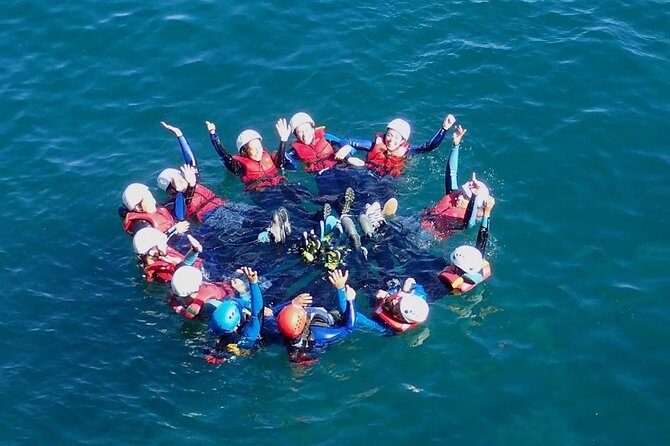
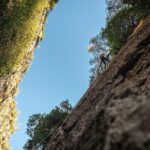
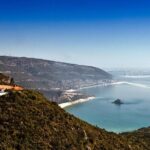
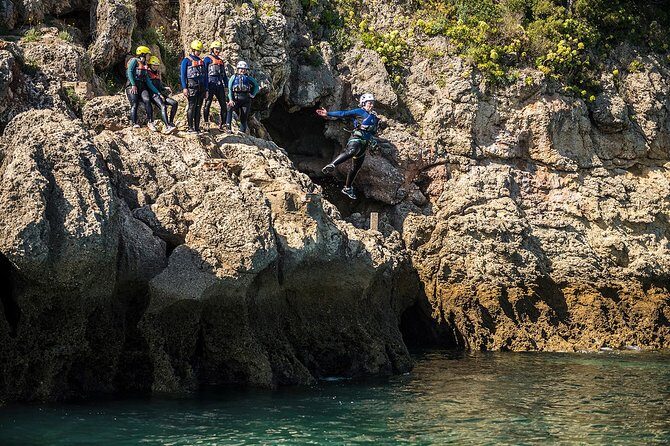
Arrábida Natural Park sits just south of Lisbon, and it’s the kind of place where the coastline looks dramatic from land. On this tour, you don’t just look—you move along the coast by foot and swimming, with cliff jumps thrown into the mix when conditions allow.
The speedboat component matters more than it sounds. It helps keep the day flowing and makes it easier to reach the best stretches without turning your morning into one long slog. If you’re short on time but still want a real adventure, the combo of coasteering plus speedboat support is a good match.
You’ll start in the Arrábida Natural Park area and return back to the same meeting point at the end. The flow is built around three named coastal stops: Praia de Alpertuche, Lapa de Santa Margarida, and then time in the Arrábida Natural Park zone again as the day progresses.
You can also read our reviews of more tours and experiences in Setubal District.

Value check: is $78.02 for 3 hours actually fair?
At $78.02 per person for about 3 hours, this doesn’t look cheap until you compare what’s included. You get coasteering equipment plus personal accident insurance and GST. That’s a lot of the hidden “extras” that adventure activities often forget to mention.
You’re also paying for experienced local leadership in a place where the rocks, tides, and water conditions matter. Reviews highlight guides who adjust the level of challenge for different people and maintain a serious safety rhythm. When the group stays under control (max 50), the coaching feels more focused rather than rushed.
One small budgeting note: snacks are not included. If you’re the type who gets hungry fast while you’re moving, plan to bring something small and easy.
Start at Parque Natural da Arrábida: gear, briefing, and your first choices
The day is scheduled to start at 10:30 am, and you meet at Parque Natural da Arrábida. If you want pickup, there’s an option—plus an extra transfer service you can request. The key practical point: your pickup/drop-off location can be arranged by request, but it may have an extra transfer price.
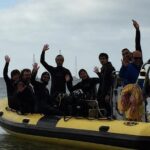
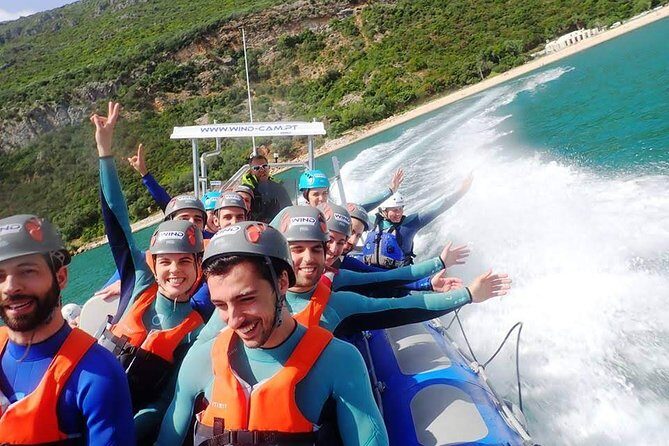
Once you arrive, your group gets set up with gear. A detail that came up in feedback: equipment can be organized in individual crates with your name on it, which helps the day feel smooth from the first minute. You’ll also get a briefing that prepares you for jumps, rock movement, and water handling.
Coasteering is physical. You need a moderate fitness level, and you should expect that the day includes swimming in gear. One review mentioned that the footwear and wetsuit setup can make swimming harder than you’d guess, which is exactly why coaching on technique matters so much.
Praia de Alpertuche: the opening stretch where confidence grows
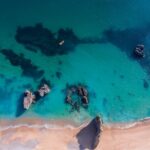
Praia de Alpertuche is your first stop, and it’s where you’ll get your rhythm. Think of this as the part of the day where guides help you find comfortable footing, learn how to move around rocks safely, and decide what jump option feels right.
This is also where the “coasteering for all abilities” promise becomes real. The best sign here is not that everyone jumps the same—it’s that the group can be guided so you feel safe trying. One family described how their child was encouraged to attempt higher jumps, but only at a pace that felt right.
You’ll feel the tide’s mood here too. Coastal conditions change minute to minute, and the guide’s job is to steer you toward routes that match the water and access available that day. If you’re feeling nervous, this opening segment is often where you’ll learn quickly that the guide system is built for confidence, not chaos.
Lapa de Santa Margarida: caves, history talk, and the fun gets real
The next stop is Lapa de Santa Margarida. Names like this aren’t just scenic labels—they hint at the kind of coastal features you’ll be navigating, including caves and sheltered passages.
This is a great point in the day for “learning while doing.” One guide described as a marine biologist, Eddie, reportedly shared information about marine life, along with history of the area. That kind of commentary can turn a tough moment—wet rocks, quick decisions—into something you actually remember beyond adrenaline.
Here’s the important practical thing: caves and passages can be reached or blocked depending on the tide. In one case, a tour ran during extremely low tide, which allowed access to caves and pathways that are normally harder to reach. The tradeoff was that the highest jump points weren’t usable—not a dealbreaker, but a reminder that nature controls the menu.
If you’re the type who loves being out in nature with a guide who explains what you’re seeing, this stop is where that payoff tends to show up.
How Arrábida Natural Park shapes the route (and your energy)
Arrábida Natural Park isn’t just a label on the map. It’s the reason the route has variety—different rock textures, different water edges, and different ways to move between coastal points.
You’ll spend part of the day in this park zone beyond the first two named stops. That usually means more time adjusting your movement skills: finding stable rock areas, timing your steps, and switching from walking to swimming safely when it’s appropriate.
Because the total time is about 3 hours, you’re not doing a multi-hour hike and then a separate swimming session. This tour mixes the two, so your energy should be managed in bursts. Expect that some legs will feel harder than others, especially if conditions are rougher or if you opt into higher jumps.
The park setting also helps explain why the guides talk about safety constantly. You don’t need to understand Portuguese or geology to benefit—you just need to follow instructions and stay aware.
The speedboat support: why it makes the day feel doable
The title includes speedboat, and you’ll see how that helps. A review mentioned Samuel as speedboat support, which suggests the boat role is real rather than ceremonial.
Practically, this means you’re not forced to do every transfer on land or in the water alone. When the route changes with tides and access, the speedboat support helps the team keep you moving and reduces the chances you end up stranded at a spot that’s temporarily off-limits.
Speedboat days also tend to create a different pacing than pure walking tours. You get the adrenaline moments where you want them, and the in-between moments are shorter and more controlled. That pacing is one reason a 3-hour coasteering outing can feel intense without consuming your entire day.
Safety in plain words: form checks, no shortcuts, and real coaching
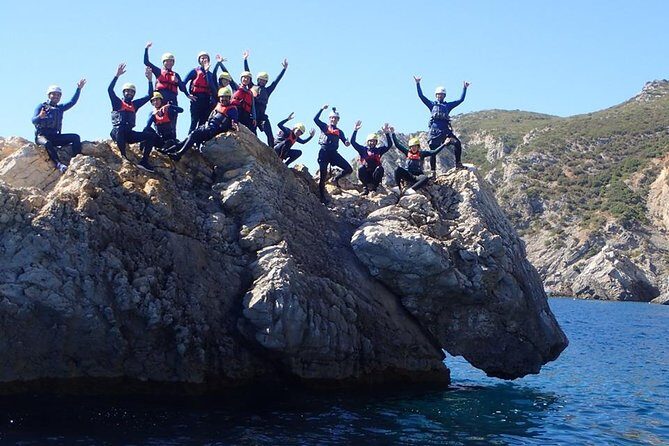
Safety here isn’t treated like a checklist. It’s treated like a skill you build in real time—watch, copy, adjust.
Multiple accounts highlight that guides made people feel safe and provided appropriate challenge levels. Names that come up: Rafael, Filipa, Simon, David, and the marine-focused Eddie. The pattern is consistent: guides keep an eye on your technique and correct your jump form if it needs work.
One important detail you should know before you go: a review mentioned there is no harness for the climbing part. That means you need to rely on proper hand and foot placement, and trust the guide about what’s safe to attempt.
Also, courage matters more than height sometimes. One person described taking time to force themselves off the rocks because the jumps look smaller from below but feel different up close. If you’re reading this and thinking you might freeze at the edge, that’s normal. The guide coaching is part of the value, because you’re not left alone with fear.
Who should book this coasteering and speedboat tour
This tour fits best if you want action, not just a view. It’s also good if you like the idea of learning from local guides while you do something physical in the water.
You should consider it if:
- You have moderate fitness and can handle short bursts of effort
- You’re comfortable being in the ocean environment while wearing gear
- You want a half-day adventure close to Lisbon
- You’d like a guided way to experience Arrábida’s coastline without planning everything yourself
It may be a harder fit if:
- You’re very nervous about cliff jumps and can’t follow the guide’s guidance on form and safe options
- You don’t want to get wet and swim, even briefly
- You dislike uneven rock movement and quick changes in footing
The good news is that beginners are welcome, and the day is built to match the challenge level to the participant.
What to bring: simple choices that prevent problems
The tour provides the coasteering equipment, so you don’t need to source that yourself. Still, you should plan on feeling hungry or thirsty because snacks are not included and you’ll be active for about 3 hours.
Bring some of your own energy if you think you’ll need it. Also plan to have water in your mindset, even if you don’t pack a full picnic. The day can involve waiting on turns, then sudden bursts of movement.
Since the provided gear can include heavy shoes and wetsuit protection, you’ll likely feel warmer than you expect at the start. That’s good, but you’ll still want to be comfortable with getting fully wet and staying focused through changing conditions.
When weather and tide change the plan, here’s what to expect
This experience requires good weather. If conditions aren’t right, the tour can be canceled and you’ll be offered a different date or a full refund. That’s not a technical detail to ignore—coasteering lives and dies by water and visibility.
Tide is the other big variable. One standout example: extremely low tide opened access to some caves and pathways that are usually unavailable, but it also meant the highest jump points weren’t usable. So even if you imagine a specific jump or cave sequence, you should think of it as a menu that the sea decides.
What doesn’t change is the guide’s responsibility to keep you safe and moving. The best part of that system is that the day adapts without feeling like a letdown. You still get the core experience: coasteering along the coast, with speedboat support as needed.
Should you book this Arrábida coasteering and speedboat tour?
Book it if you want a near-Lisbon adventure that feels real and physical in a short window. At $78.02 you’re not just paying for thrills—you’re paying for included equipment and accident insurance, plus guides who coach form and tailor difficulty.
Skip it if you’re chasing a relaxing, sit-and-sip day. Coasteering has jumps, wet gear, and rock movement. You’ll enjoy it most if you can trade perfection for participation: try the route the guide suggests, choose the jump that feels safe, and let the coastline do the rest.
If you’re the type who loves asking questions, you’ll likely appreciate the guide storytelling too. Names like Eddie (marine life focus) and Rafael or Filipa (patient coaching) show that the human factor matters here—not just the scenery.
FAQ
How long is the coasteering and speedboat experience?
It lasts about 3 hours.
What time does it start?
The start time is 10:30 am.
Where do we meet, and where does it end?
You meet at Parque Natural da Arrábida and the activity ends back at the same meeting point.
Is pickup included?
Pickup is offered, and there’s also an extra transfer service available on request. You can define the pickup and drop-off location, and the transfer price is on request.
What’s included in the price?
The price includes coasteering equipment, GST, and personal accident insurance.
Are snacks included?
No, snacks are not included.
What fitness level do I need?
You should have a moderate physical fitness level.
Is it offered in English?
Yes, the experience is offered in English.