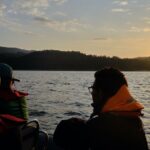
First time underwater, but zero guesswork. This eco Try Scuba session in Sesimbra pairs hands-on training with a seabed cleanup, then hands you the Mission Deep Blue certificate in the Arrábida area near the Luíz Saldanha Marine reserve (with 1500+ species). It’s a smart way to see what’s down there without committing to a longer certification path.
I really like the safety setup: they keep the group small (max 15) and use an instructor-to-water ratio of 1 instructor for every 2 people. I also love the eco mission angle, where your training time doubles as help for the seabed, and the center clearly teaches you how to be a careful visitor in a protected marine area.
The main thing to consider is the weather-dependent schedule. If conditions aren’t good, the activity can be canceled and you’ll be offered a different date or a full refund, and lunch isn’t included, so plan to eat before or after.
In This Review
- Key takeaways before you book
- Sesimbra’s eco mission: try scuba with a seabed cleanup
- The 4-hour plan starting 2:30 pm (what usually happens in order)
- Safety first: why the small group and instructor ratio matter
- Mission Deep Blue and the Arrábida / Luíz Saldanha setting
- Price and value: what you’re really paying for
- Logistics that make the day easier: mobile ticket, transport, group size
- Weather reality: the only thing that can derail your plan
- Who this Try Scuba eco session fits best
- Tips to get the best experience without overthinking it
- Should you book this eco Try Scuba experience?
Key takeaways before you book
- Eco cleanup built into your first scuba experience, not tacked on at the end
- Instructor ratio of 1:2 in the water, which helps first-timers feel calm
- Mission Deep Blue certificate after your session
- 4 hours starting at 2:30 pm, so you can still do morning sightseeing
- Gear is included, and you’re in a small group (up to 15)
Sesimbra’s eco mission: try scuba with a seabed cleanup
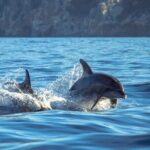
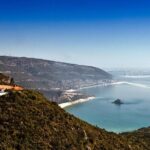
Sesimbra sits in a stretch of coastline that feels both wild and manageable. For this experience, that balance matters. You’re not just getting a basic underwater taste; you’re doing it with an eco focus in mind, because the program is tied to the Arrábida region and the Luíz Saldanha Marine reserve, known for more than 1500 species. That gives the whole day a sense of purpose.
The eco component is practical. Your session includes helping clean up the bottom of the sea. Think of it like a “learn to be safe underwater” lesson where your actions also support the health of the seabed. You’re not being asked to do anything reckless or heroic. You’re guided, and the day’s structure is designed so beginners can participate.
This is also the kind of activity that works well if you’re curious but cautious. The program is meant to introduce you to the underwater world in confined or open water settings, without requiring a deeper certification commitment. So you can aim for a confident first step rather than a full-scale course.
You can also read our reviews of more tours and experiences in Setubal District.

The 4-hour plan starting 2:30 pm (what usually happens in order)
The session runs about 4 hours, starting at 2:30 pm, and returns you to the meeting point. That afternoon timing is handy: you can keep your mornings for beaches, viewpoints, or wandering Sesimbra’s waterfront, then head to the shop in Porto de Abrigo.
Here’s the typical flow you should expect:
- Arrival and check-in at the Anthia center in Porto de Abrigo (Loja 1).
- Scuba equipment setup. The cost includes the use of the scuba gear, so you’re not juggling rental math or extra fees.
- Training briefing for the Try Scuba baptism format. The goal is to get you understanding how to move, breathe, and follow safety instructions before you’re out there.
- Confined or open water experience, depending on conditions and how the group is progressing.
- Eco cleanup time, where your first underwater learning and the seabed help happen together.
- Wrap-up and return back to the meeting point.
Because the exact water setting can vary, treat this as an adaptable program. The value isn’t in a promise of a specific kind of water, it’s in being taught the right basics safely, then applying them during the eco mission.
Safety first: why the small group and instructor ratio matter
The phrase I’d use here is: calm control. The program emphasizes ongoing safety training for the staff and a very specific instructor coverage approach: one instructor for every 2 people in the water. For first-timers, that ratio makes a difference because you’re not relying on a general talk-through. You can get quick corrections and reassurance.
That safety focus shows up in the way people describe their experience: professional, kind, and very safe. And even when there are language differences, the instructors and staff still worked to keep the experience understandable and supportive. That’s a big deal in an activity like this, where feeling comfortable matters as much as the technical steps.
What this means for you:
- You can expect clear briefing and a steady pace rather than a “good luck, swimmer” vibe.
- You should feel confident asking questions before you get in.
- You’ll likely get hands-on guidance during the underwater portion because the instructor-to-water coverage is tight.
For me, the best sign is the combination: safety culture plus a setup designed for beginners. If you’re new, you don’t want a production line. You want attention.
Mission Deep Blue and the Arrábida / Luíz Saldanha setting
The eco piece isn’t just marketing language here. The program includes a path to receive the Mission Deep Blue certificate, and it’s linked to the Arrábida region and the Luíz Saldanha Marine reserve, where they mention 1500+ species.
Here’s why that matters beyond the paper:
- Knowing you’re operating in a marine reserve context can change how you move underwater. You’re more likely to stay controlled and avoid accidental contact with the seabed.
- The eco cleanup gives you a concrete action you can point to afterward, rather than a vague “we saw some fish” memory.
- The certificate makes the experience feel like a real step in learning, not just a one-off thrill.
Also, it’s worth noting that the program is designed as an introduction. That means you’re not expected to already be competent. You’re trained first, then asked to apply those skills responsibly during the eco part.
Price and value: what you’re really paying for
At $103.18 per person, this is positioned as a short, first-timer program. The key value drivers are:
- Equipment included (that alone can be a deal-maker versus paying rentals separately)
- Instruction and safety coverage, including the 1:2 instructor ratio in the water
- Eco cleanup mission tied to the marine reserve context
- Mission Deep Blue certificate
The main cost you’ll likely add is what isn’t included: lunch. So if you’re budgeting, think of the $103.18 as covering instruction + gear + the structured experience, and then plan food around it.
Timing also adds value. It starts at 2:30 pm and runs about 4 hours. If you’re on a day trip, you can still fit other activities in the morning without rushing.
And since it’s booked on average 12 days in advance, it’s not usually a “wait until the last minute” plan—especially if you’re traveling during high season. If this is a priority, book earlier rather than later.

Logistics that make the day easier: mobile ticket, transport, group size
A few small details make a trip like this smoother:
- You get a mobile ticket, which is convenient when you’re bouncing between viewpoints and the harbor.
- The meeting point is near public transportation, so you’re less dependent on a car.
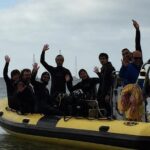
- The group max is 15 travelers, which usually helps keep the experience personal and manageable.
You should also plan around the physical side. The activity asks for moderate physical fitness. That doesn’t mean “train like an athlete,” but it does mean you should be comfortable with the demands of being in water, wearing gear, and following instructions.
One more practical note: service animals are allowed. If that’s relevant for you, this is good to see.
Weather reality: the only thing that can derail your plan
This experience requires good weather. If conditions aren’t right, they’ll cancel and offer a different date or a full refund. That’s standard for water activities, but it’s especially important here because the program uses either confined or open water settings, and safety comes first.
So how should you plan?
- Pick dates when you have flexibility.
- If your schedule is tight, keep a backup plan for the same afternoon block (or be ready to shift plans if they reschedule).
Who this Try Scuba eco session fits best
This program is a strong fit if:
- You’re a beginner who wants real instruction, not just a spectacle
- You care about how your actions affect the marine environment
- You want a structured first step that can lead to a certificate (Mission Deep Blue)
It also seems to work well for younger first-timers. One family booked it for a 12- and 15-year-old, and the key theme was a good balance of fun and serious safety. If you’re bringing kids or teens, you’ll still want to judge based on comfort with following instructions and being in the water, but the program’s attention to safety and clarity is a good sign.
If you’re someone who hates uncertainty, be aware the water type (confined vs open) can vary. You’re still getting training and an eco mission, but the exact conditions are weather and group dependent.
Tips to get the best experience without overthinking it
You don’t need a lot of extra prep for this kind of first scuba session, but you can make it go smoother by focusing on the basics:
- Arrive early enough to settle in and get suited up without stress.
- Listen carefully during the briefing. Ask questions right away if anything feels unclear.
- Treat the eco cleanup as part of the lesson. Move carefully and follow instructor guidance.
- Since lunch isn’t included, plan to eat before you go (or have a plan after). You don’t want hunger messing with your focus.
And if you’re worried about nerves: that safety ratio is there for a reason. The program is built for first-timers who need reassurance and guidance.
Should you book this eco Try Scuba experience?
If your goal is a safe, guided first scuba experience with a real eco purpose, I think this is a smart pick. The standout strengths are professional, kind instruction and a very clear safety structure (1 instructor for every 2 people in the water). Add the seabed cleanup and Mission Deep Blue certificate, and you end up with more than a photo moment.
I’d skip it only if you have no flexibility for weather or you’re not comfortable meeting the moderate physical fitness requirement. Also, remember lunch isn’t included, so build that into your schedule.
If you book with realistic expectations—short intro training, eco cleanup, and a safety-first setup—you’ll likely leave feeling both proud and satisfied. And if it’s your first time underwater, having calm coaching is the difference between a scary story and a fun one.