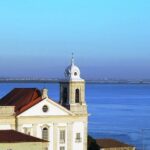
Lisbon tastes better on your feet. This 1-day, 3-hour private food tour strings together key squares and older neighborhoods so you can eat your way through Portuguese favorites while learning how the city’s geography shaped its food. You’ll start at Campo das Cebolas and work your way toward landmarks in Alfama and Mouraria, with a guide who keeps the pace friendly and the story clear.
Two things I really like: you get a built-in sample menu (so you’re not guessing what to order), and the route is planned around specific squares and neighborhoods instead of random restaurant stops. One consideration: it’s best when the weather is good, since it’s a walking tour and the experience may be rescheduled if conditions are poor.
In This Review
- Key highlights
- Why This Lisbon Food Tour Works at 2pm
- The Route Starts at Campo das Cebolas (and Ends There)
- Praça Dom Pedro IV: A Square Start That Sets the Mood
- Praça da Figueira: Where Food and Foot Traffic Meet
- Castelo, Alfama & Mouraria: Old Streets, Big Flavor Stops
- The Sample Menu: What You’ll Actually Eat
- Porto wine tasting
- Pork sandwich (Bifana)
- Sardines in special sauce
- Alheira sausage
- Cod or octopus (main)
- Fruit and sour cherry liquor (dessert)
- Custard tart with coffee
- What Makes the Food Stops Feel Like Lisbon (Not Just Tasting)
- Price and Value: Is $83.08 a Fair Deal?
- Guide Style: Energy, Humor, and Clear Explanations
- Who This Tour Fits Best (and Who Might Skip It)
- Tips to Get More Out of Your 2pm Food Tour
- Should You Book This Lisbon Indie Food Tour?
- FAQ
- How long is the Indie Food Tour in Lisbon?
- Where do you meet for the tour, and where does it end?
- Is this tour private?
- What language is the tour offered in?
- Is the tour weather-dependent?
- Is the tour suitable for everyone, and are service animals allowed?
Key highlights
- Porto wine tasting plus classic Portuguese bites
- Bifana (Portuguese pork sandwich) as a true street-food stop
- Seafood and sausage variety, including sardines and alheira
- Alfama and Mouraria route, with history and viewpoint talk along the way
- Small-group feel with only your group participating
- 2pm start, perfect for a late lunch schedule
Why This Lisbon Food Tour Works at 2pm
This tour is built for the time of day when Lisbon really starts to wake up for food. With a 2:00 pm start, you’re not rushing breakfast, and you’re likely hungry enough to enjoy the sequence of tastings instead of just nibbling. The whole thing runs about 3 hours, and it ends back at the meeting point, which keeps logistics simple.
I also like the way it’s structured around places, not just plates. You move from square to square and into older neighborhoods, so the food feels tied to the city itself. That matters in Lisbon because different areas have different rhythms, street layouts, and local habits. When your guide points out why certain dishes fit certain places, suddenly what you’re eating makes more sense.
Another practical plus: it’s listed as a private tour/activity, meaning only your group participates. Even if you’re traveling as a couple, you’re not stuck in a big group shuffle.
You can also read our reviews of more food & drink experiences in Lisbon
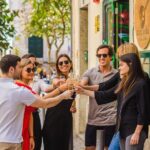

The Route Starts at Campo das Cebolas (and Ends There)
Your meeting point is Campo das Cebolas, 1100 Lisboa, Portugal. It’s an easy launch pad because it’s within the city’s core and is described as near public transportation. You’ll also use a mobile ticket, which is handy for staying on schedule.
Since the tour ends back at the meeting point, you can keep the rest of your afternoon fairly open. In plain terms: you can do a post-tour plan without trekking across town again later. Lisbon’s trams and metros help here, but returning to the start is still a nice way to reduce stress.
The duration is “about 1 day 3 hours,” so expect a half-afternoon plan. Wear shoes that handle uneven pavement and occasional slopes. You’ll be walking through neighborhoods like Alfama and Mouraria, which are famous for hills and old street patterns.
Praça Dom Pedro IV: A Square Start That Sets the Mood
Stop 1 is Praca Dom Pedro IV. This is a smart opening because squares are where Lisbon’s social life shows up fast: people meet, grab a drink, and settle into the day’s pace. Starting here also gives you a broad sense of where you are in the city before the route tightens into older streets.
What to look for at this stage: how your guide connects the setting to Portuguese eating habits. Even without restaurant names, you can usually tell that square-side life favors quick, shareable food. That becomes part of the logic for why later stops focus on classic handheld bites and small plates.
A small drawback to keep in mind: because it’s a busy central area, you may share space with regular foot traffic. That’s not a problem, just something to expect for an outdoor walking tour.
Praça da Figueira: Where Food and Foot Traffic Meet
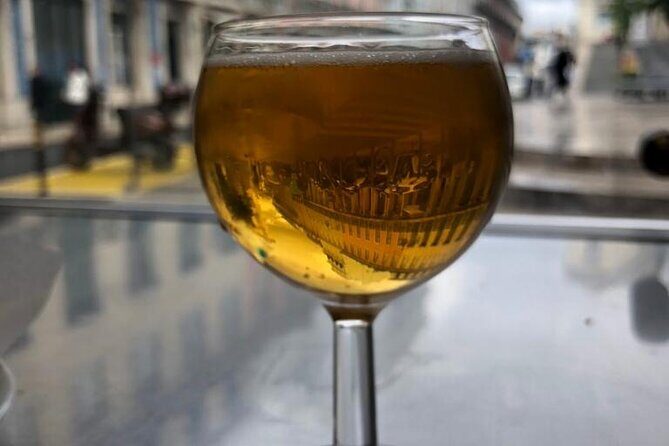
Stop 2 is Praca Da Figueira. This second square stop keeps the momentum going and helps you build appetite in stages. It’s the kind of place where food culture shows up in motion: quick decisions, quick snacks, then back to walking.
This part of the tour is often where the tastings start to feel like a real meal track. You’ll be sampling Portuguese flavors that are common in the daily life of the city, not only rare dishes meant for tourists.
If you’re the type who likes to see how a destination works at street level, squares like this are exactly the kind of contrast that makes Lisbon feel less like a checklist and more like a place you could live in for a week.
Castelo, Alfama & Mouraria: Old Streets, Big Flavor Stops
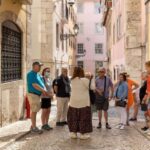
Stop 3 covers Castelo, Alfama & Mouraria. This is where the tour earns its keep, because these neighborhoods are the heart of Lisbon’s older urban character. You’re walking through areas where the city’s history is visible in the street shapes and the way people move through tight spaces.
This is also the segment where a guide’s delivery matters. In the experiences I’ve seen described, guides such as Marta and Rui bring history and food together in a way that feels conversational. You get stories tied to geography, and you’re not just hearing dates—you’re hearing why the city developed the way it did and how that shaped what ends up on plates.
One moment that stands out from a described tour start: the route includes pointing out an oldest building in Portugal still standing as you begin working through the historic layers. Even if you don’t obsess over landmarks, that kind of specific moment helps you feel oriented and gives meaning to the neighborhoods you’re actually in.
Practical note: this portion likely involves more uphill walking and tighter lanes. Plan for that, and take your cues from the guide if you need to slow down. One host has adapted stops when someone needed accommodation during the tour, which is a good sign for flexible pacing.
You can also read our reviews of more tours and experiences in Lisbon
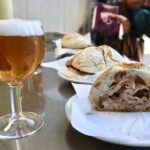


The Sample Menu: What You’ll Actually Eat
Here’s the sample menu sequence you can expect on this Indie Food Tour:
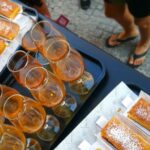
Porto wine tasting
The tour begins with Porto wine tasting. This is a good first move because it introduces Portuguese flavor with something rooted in the country’s regional identity. Even if you’re not a big wine drinker, tasting sizes let you try without turning the tour into a solo wine evening.
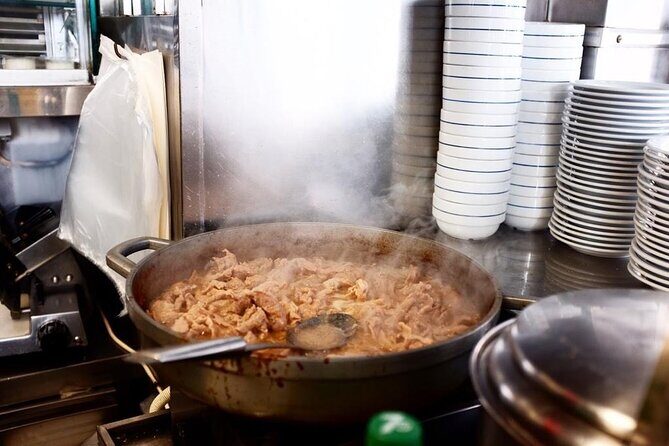
Pork sandwich (Bifana)
Next up: Portuguese pork sandwich, known as Bifana. This is one of those dishes that shows up everywhere for a reason. It’s straightforward, salty, satisfying, and built for street life. It also helps you learn how Lisbon treats comfort food—simple, bold, and meant to be eaten quickly.
Sardines in special sauce
Then you’ll try sardines in special sauce. Sardines are a Portuguese staple, and the idea of sauce matters because it signals that Portuguese cooking often balances strong flavors with something tangy or savory to keep the bite lively.
Alheira sausage
After that: Alheira sausage. This is the kind of item that helps you go beyond the generic “fish and chips” idea of what people expect from Portugal. Alheira is distinct enough that you’ll likely remember it even after the tour ends.
Cod or octopus (main)
For the main, you’ll get cod or octopus. Either way, the tour gives you a chance to compare how Portugal handles seafood across different preparations. Cod is classic and widely recognized; octopus brings a different texture and cooking style.
Fruit and sour cherry liquor (dessert)
Then comes fruit and sour cherry liquor. This is a nice break after savory bites because it leans into Portugal’s tradition of using fruit-forward flavors and digestifs to round out a meal.
Custard tart with coffee
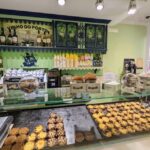
Finally: custard tart with coffee. This is an easy-to-like finish and a familiar Portuguese comfort note. It also pairs well with the end of a walking tour because coffee helps you keep moving while the custard sweetens the whole experience.
What Makes the Food Stops Feel Like Lisbon (Not Just Tasting)
This tour’s value is in how it mixes food variety with a route that makes sense. You’re not only eating seafood or only doing sweets. Instead, you get a balance: wine, pork street food, fish, a distinctive sausage, a main seafood choice, then fruit-and-sour-cherry and custard.
That mix matters because Portuguese cuisine isn’t one-note. It changes by region, by neighborhood habits, and by what’s practical in daily life. When your guide ties those dishes to the places you’re standing in, your meal starts to feel like a story you can taste.
Also, having a set sample menu keeps you from spending your mental energy on ordering decisions. You get to focus on taste, texture, and the small surprises—like alheira—rather than scanning menus and guessing portions.
Price and Value: Is $83.08 a Fair Deal?
At $83.08 per person for about 3 hours, the price is best understood as paying for three things:
- Guided route + curated stops across major areas like Praca Dom Pedro IV, Praca da Figueira, and the Alfama/Mouraria zone.
- Multiple tastings that include drinks, savory bites, and a dessert-and-coffee finish.
- A private format where your group stays together instead of blending into a larger crowd.
If you were to build this yourself, you’d likely pay a similar amount for wine tastings plus several separate meals or snack purchases, but without the guided context. The extra value here is that you’re guided to choices that connect to Lisbon’s culinary habits, not just whatever looks busiest.
One consideration: since it’s described as requiring good weather, you’ll want to plan flexibility. If conditions are poor, the tour may be canceled and you’ll be offered a different date or a full refund, so it’s wise to keep another half-day option nearby in your schedule.
Guide Style: Energy, Humor, and Clear Explanations
A theme in the descriptions is guide energy—particularly with Marta and Rui—and a knack for making history practical. The guide isn’t just listing facts; they’re connecting geography and culture to what you’re eating, and they keep the mood light with a sense of humor.
That matters because Lisbon history can feel big and overwhelming if you’re reading it on your own while also trying to find a place to eat. Here, you get a pacing structure: taste, walk, story, repeat. You end up with better context and fewer “where do we go next” moments.
It also sounds like the host is good at making it personal. One described experience mentions the host tailoring the stops to accommodate a pregnant wife. I can’t guarantee that for every departure, but it suggests the guide treats your comfort as part of the plan, not an afterthought.
Who This Tour Fits Best (and Who Might Skip It)
This tour is a great match if you:
- want a walk-focused way to see central Lisbon neighborhoods
- like Portuguese classics like bifana, sardines, and custard tart
- enjoy stories tied to streets and squares, not just restaurant chatter
- prefer a private group format so the experience feels more personal
You might skip it if you:
- dislike walking or know you’ll struggle with hills, since the route includes Alfama and Mouraria
- need a fully indoor plan no matter the weather, since the tour is weather-dependent
- prefer total freedom to choose every dish on your own, since the menu is set as a sample sequence
Tips to Get More Out of Your 2pm Food Tour
A few simple moves help you enjoy the tour even more:
- Arrive a little early so you can settle in near the meeting spot and avoid rushing.
- Bring water. Tastings are part of the day, but the walk still uses energy.
- Wear comfortable shoes. Lisbon streets look charming because they’re uneven.
- Go in hungry but not stuffed. The menu has multiple savory stops and desserts, so light meals earlier work best.
- If you have mobility needs, it’s smart to mention it ahead of time when possible, since the host has adjusted pacing for at least one situation.
Should You Book This Lisbon Indie Food Tour?
Yes—if you want a structured way to taste Lisbon and understand why these dishes belong here. The set menu gives you a smooth path through classics like bifana, plus more distinctive items like alheira and sardines in special sauce. Add the walk through Praca Dom Pedro IV, Praca da Figueira, and the historic Castelo/Alfama/Mouraria zone, and you get a tour that feels tied to the city instead of parked inside a restaurant.
Skip it only if your priority is maximum flexibility or you need an itinerary that avoids walking and weather risk. Otherwise, this is a strong pick for a half-afternoon food plan that hits both flavor and place.
FAQ
How long is the Indie Food Tour in Lisbon?
The tour lasts about 3 hours.
Where do you meet for the tour, and where does it end?
You meet at Campo das Cebolas, 1100 Lisboa, Portugal. The tour ends back at the meeting point.
Is this tour private?
Yes. It’s a private tour/activity, so only your group will participate.
What language is the tour offered in?
The tour is offered in English.
Is the tour weather-dependent?
Yes. It requires good weather. If it’s canceled due to poor weather, you’ll be offered a different date or a full refund.
Is the tour suitable for everyone, and are service animals allowed?
Most travelers can participate, and service animals are allowed. The meeting point is near public transportation.