REVIEW · LISBON
Stadium of Benfica Experience and Museum Visiting
Book on Viator →Operated by PORTAexpresso Lisbon Private Tour and Experiences · Bookable on Viator
Benfica’s stadium feels like a time capsule. You’ll step into Estádio do Sport Lisboa e Benfica, opened in 2003, and pair it with the Benfica Museum Cosme Damião. The visit moves with a small group (max 8), and the storytelling is typically led by passionate Benfica guides, including Guilherme.
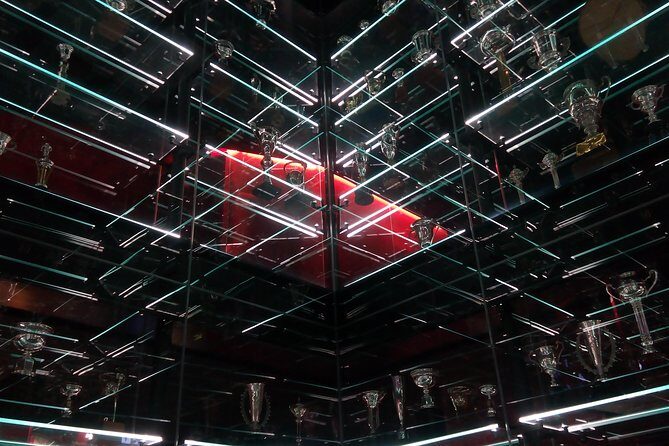
I especially like the scale and engineering details—65,000 covered seats, two giant screens you can see from around the ground, and a VIP ring with more than 7,000 special seats. I also like how the museum explains the club’s identity through trophies and donations tied to Benfica’s 1904 roots.
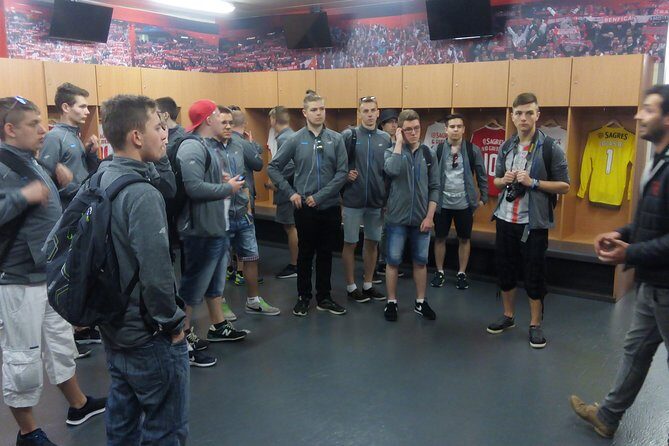
One possible drawback: access to the home players’ locker room area isn’t included, so don’t expect full behind-the-scenes access.
In This Review
- Key things to know before you go
- Why Estádio da Luz Works as a Lisbon Football Stop
- The 9:30am Schedule and How the 4-Hour Pace Feels
- Inside the Stadium: Screens, Seats, and the Parts You Can Actually See
- A quick reality check on access
- Benfica Museum Cosme Damião: What the Club Keeps—and Why
- Who will enjoy this museum most
- The Guide Makes It Better: Passion, Names, and a Few Smart Questions
- Price and Value: What $173.47 Buys (and How to Judge It)
- Who Should Book This Benfica Stadium and Museum Experience
- Should You Book This Stadium and Museum Visit?
- FAQ
- How long is the Benfica stadium and museum experience?
- What time does the tour start?
- What’s included in the price?
- Is this a small group tour?
- Are mobile tickets used?
- Is it refundable if plans change?
Key things to know before you go
- Small group size (max 8) keeps the pace friendly and question-friendly
- Hotel pickup and drop-off by air-conditioned minivan saves time in Lisbon
- Stadium design is the star: 65,000 covered seats, 156 cabins, 3 underground floors
- Museum focus is identity: trophies across club sports, plus gifts and donations
- Audio support may be included via app to help you follow the story as you walk
- Bottled water is included, so you start hydrated and worry less
Why Estádio da Luz Works as a Lisbon Football Stop
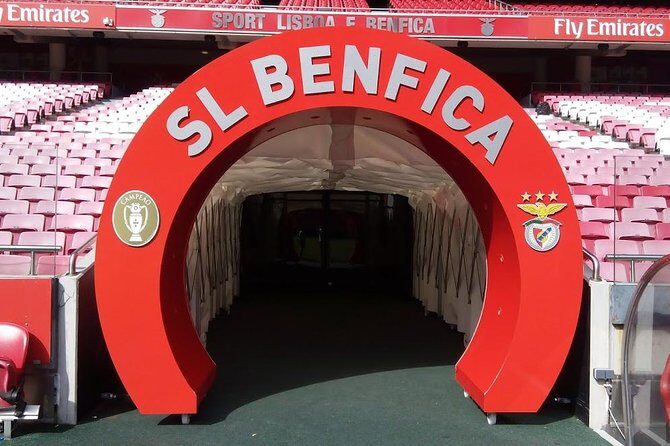
If you’re even loosely into Portuguese football, Estádio da Luz has a strong “see it once” factor. It’s not an old, worn-out venue. This one opened on October 25, 2003, and it was built with modern stadium principles and safety standards aligned with FIFA and UEFA requirements.
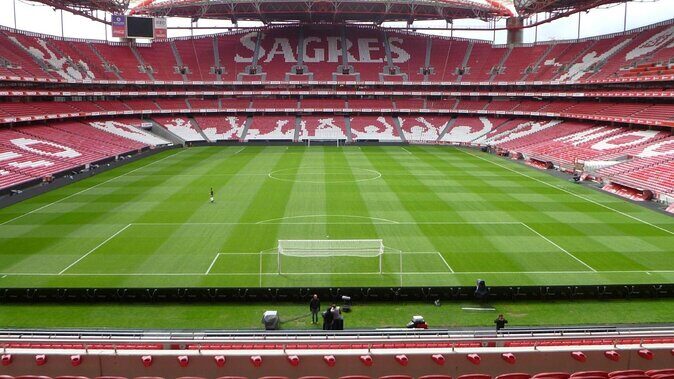
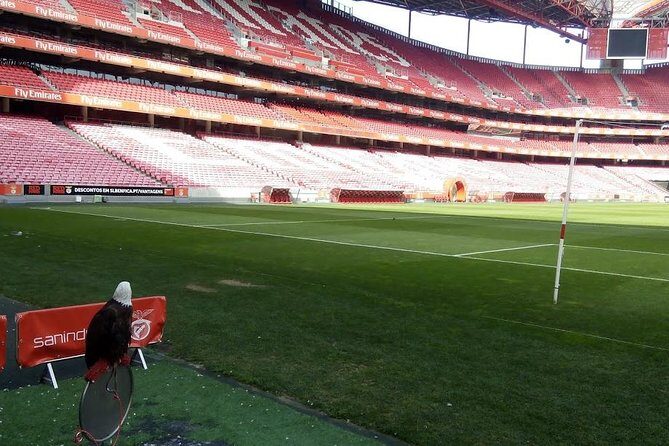
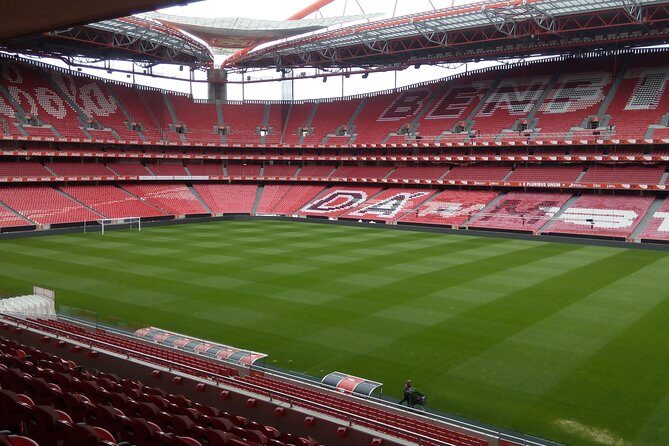
What impresses me most is how the stadium layout is designed to be experienced from every angle. The venue holds 65,000 seats and the major stands are covered. There are 156 cabins (useful if you’re the type who likes to spot how big venues are organized). And those two giant screens are built to be visible from anywhere inside—so even if you’re in the back rows, you won’t feel disconnected.
Then there’s the “wow” tier: a VIP ring featuring more than 7,000 special seats for comfort and location. It’s the kind of detail that makes a stadium feel like a whole world, not just a place where matches happen.
You can also read our reviews of more museum experiences in Lisbon


The 9:30am Schedule and How the 4-Hour Pace Feels
This experience runs about 4 hours, starting at 9:30am. You get hotel pickup and drop-off included, plus transport by air-conditioned minivan. That matters in Lisbon because getting across town at the wrong time can turn a simple visit into a mini project.
In practice, you’ll have a smooth, low-stress start: you’re collected, driven to the stadium area, and then guided through the stadium visit with admission included. The museum time is folded into the same overall experience, so you don’t have to make separate plans.
Most people will find the timing works best as a morning activity. You’ll get the stadium in daylight (great for photos of the architecture and screens), and you’ll still have the rest of the day free for nearby sights, lunch, or an easy stroll around the stadium area.
Inside the Stadium: Screens, Seats, and the Parts You Can Actually See
Your stadium visit is built around the idea that modern architecture and match-day systems are part of the story. You’ll move through spaces that show you how a big club venue is laid out, not just where the grass sits.
Here are the stadium specifics that make the tour feel worth the ticket:
- 65,000 covered seats give it that full-venue feeling, even during a non-match visit
- Two giant screens help you orient yourself inside the bowl
- 3 underground floors explain why big venues aren’t just “one level of stands”
- 156 cabins hint at the scale of hospitality, media, and operations
One review mentioned using an app while inside the stadium to move around and listen to text. That’s the kind of add-on that helps you connect the physical spaces to what they’re for, especially if you’re not fluent in the guide’s language or you just like information that you can control at your own pace.
Also, the tour approach isn’t trying to sell you a generic route. It’s framed as a Benfica story. You may see areas connected to match operations (like guest-facing areas and media spaces). One visitor noted that the walkthrough can include sections such as the guest changing area, the press area, and viewpoints connected to the pitch—though it’s still not a full access pass to the home players’ locker room.
And yes, you’ll get a good sense of the “home” atmosphere without waiting for a match day. You also have stadium-area retail nearby, including boutiques like Adidas, so you can grab Benfica gear if that’s your thing.
A quick reality check on access
If you’re hoping to walk into every restricted space, adjust expectations. Home dressing-room access isn’t part of what’s provided. That doesn’t ruin the visit, but it does shape what “behind the scenes” means here.
Benfica Museum Cosme Damião: What the Club Keeps—and Why
If the stadium is the machine, the Benfica Museum Cosme Damião is the memory. The museum is built to explain how Sport Lisboa e Benfica preserved its heritage and why it matters to the club’s identity.
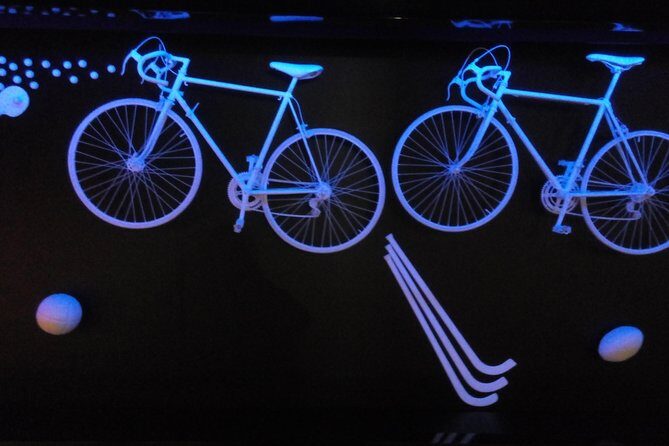
Here’s the core of what you’ll learn: Benfica’s museum collection is made up largely of items connected to the club’s history across sports, not just football alone. That includes trophies from multiple competitions Benfica competed in, plus gifts or items from other clubs and institutions. You’ll also find donations linked to members, former athletes, and directors.
What I like about this museum focus is that it’s not stuck in one era. It links preservation to identity. The message is basically: if you protect the collection, you protect what the club is. It turns the museum from a room of objects into a structured explanation of what Benfica chose to keep and pass forward.
The way the tour connects museum content to stadium spaces also works well. You’re not bouncing between unrelated stops. Instead, the stadium gives you the modern stage, and the museum explains the club’s logic for building that stage—and maintaining continuity.




Who will enjoy this museum most
- Benfica fans who want more than a photo and a quick lap around the stands
- People who like sports museums that explain culture, not just famous names
- Anyone who prefers “how a club thinks” over “just where the trophies are”
The Guide Makes It Better: Passion, Names, and a Few Smart Questions

A good football tour lives or dies by the guide, and this one has a strong reputation for that. One visitor described being welcomed by young Benfica fans who were clearly passionate. Another credited a guide named Guilherme, and said the visit was handled by someone who knew the topic well.
That passion matters because it changes the pacing. Instead of you reading plaques like a museum robot, you hear the meaning behind what you’re looking at. You’ll also get the chance to ask follow-up questions—especially useful if you want to know which parts of the stadium are purely architectural and which parts were designed for specific football logistics.
If you want to get the most out of your visit, ask things like:
- What makes this stadium different from older venues?
- How do the museum items connect to Benfica’s identity today?
- Which areas in the stadium are most important for match operations?
Even if you’re not a die-hard football historian, these questions pull the tour away from “facts only” and toward “why it matters.”
Price and Value: What $173.47 Buys (and How to Judge It)
The listed price for this experience is $173.47 per person, and it includes hotel pickup and drop-off, transport in an air-conditioned minivan, bottled water, and an admission ticket for the stadium visit (with the museum portion tied into the same experience). You also get a mobile ticket.
So how do you judge value? Don’t just compare it to other “stadium tours” online. Compare it to what’s included:
- transport + pickup saves time and hassle
- guided access to the stadium plus the museum content
- a small group (max 8) can mean more attention and less waiting
There’s also a useful reality check from price comparisons mentioned by visitors. Some people referenced separate ticket pricing around €12 for a stadium-only visit, and around €15 to €17.50 when adding museum access. Your total cost for this guided package may look higher if you’re comparing it to stadium-only entry. But the guidance, the included transport, and the museum storytelling are typically where the money turns into value.
One more practical note: this is a non-refundable experience and can’t be changed for any reason. If your schedule is tight or you’re juggling weather-dependent plans, book only when you’re confident you can keep the morning open.
Who Should Book This Benfica Stadium and Museum Experience
This is best for people who actually want the context. If you love the idea of a football club as a long-running cultural project, you’ll enjoy it.
You’ll likely get the most out of the tour if you:
- support Benfica or enjoy Portuguese club culture
- like museums that connect items to identity and meaning
- prefer guided access instead of self-guided navigation
It may be less satisfying if you’re hoping for total access to every restricted football space. Since the home locker room area isn’t part of the included visit, you’ll want to treat this as a stadium + museum experience rather than a full backstage pass.
Also, because it’s a small group with a guided flow, it’s a good fit for families (children must be accompanied by an adult). For solo visitors, it can feel more personal than big coach tours.
Should You Book This Stadium and Museum Visit?
Book it if you want a guided Benfica experience that combines modern stadium scale with the museum’s club-identity focus. The standout strengths here are the stadium design details (screens, seating scale, and the multi-level layout) plus museum content grounded in trophies, gifts, and donations that trace Benfica’s roots back to 1904.
Skip it or rethink expectations if your main goal is locker-room access or a purely exterior photo stop. This tour isn’t sold as full backstage access, and you won’t get into the home players’ locker room.
If you can handle a morning start and you’re happy paying for guided storytelling and included transport, this is a strong Lisbon activity—one that feels like more than just “walk around a stadium.”
FAQ
How long is the Benfica stadium and museum experience?
It’s approximately 4 hours in total.
What time does the tour start?
The start time is 9:30am.
What’s included in the price?
Hotel pickup and drop-off, transport by air-conditioned minivan, bottled water, and an admission ticket are included.
Is this a small group tour?
Yes. The maximum group size is 8 people.
Are mobile tickets used?
Yes, you’ll have a mobile ticket.
Is it refundable if plans change?
No. This experience is non-refundable and cannot be changed for any reason.