REVIEW · LISBON
Private, Historical Route: Óbidos, Nazaré, Alcobaça and Batalha.
Book on Viator →Operated by Outing Portugal · Bookable on Viator
Four icons of Portugal in one tight loop. This private route strings together Óbidos’ medieval streets, Nazaré’s Atlantic cliff views, and two famous monastery stops tied to kings and wars. I love how the Óbidos castle walk makes medieval stone feel close and manageable, even on a short visit. I also love the way Nazaré turns a beach viewpoint into a real story about the Atlantic, especially looking toward Praia do Norte.
You’ll also want to plan for a brisk schedule. Each main town gets about an hour, and the monastery entries at Alcobaça and Batalha are not included, so you’ll likely pay more than you expect once you’re there. If you’re the type who wants to linger, the pace may feel a bit tight—just be ready.
In This Review
- Key Highlights You’ll Actually Use
- Óbidos Castle Walk: Medieval Streets With a Clear Goal
- Nazaré Clifftop Views and the Praia do Norte Connection
- Alcobaça Monastery: Gothic Style and the Pedro–Inês Story
- Batalha Monastery of Santa Maria da Vitória: A Victory Built in Stone
- How the Private Format Makes the Day Feel Easier
- Price and Value: What $650.91 Per Group Really Buys
- Guide Matters: Diogo Sampaio’s Storytelling and Food Tips
- What to Expect From Each Time Slot (and How to Pace Yourself)
- Should You Book This Óbidos–Nazaré–Alcobaça–Batalha Private Tour?
- FAQ
- What is the duration of this private tour?
- How much does the tour cost?
- Is the tour private?
- Do I get pickup from Lisbon?
- What language is the tour offered in?
- Are tickets included for all stops?
- How long do we spend at each main stop?
- Is the tour suitable for people with limited mobility?
- Does this tour require good weather?
- Can I cancel for a refund?
Key Highlights You’ll Actually Use
- Private group up to 6 means you can move faster and ask questions without fighting for attention.
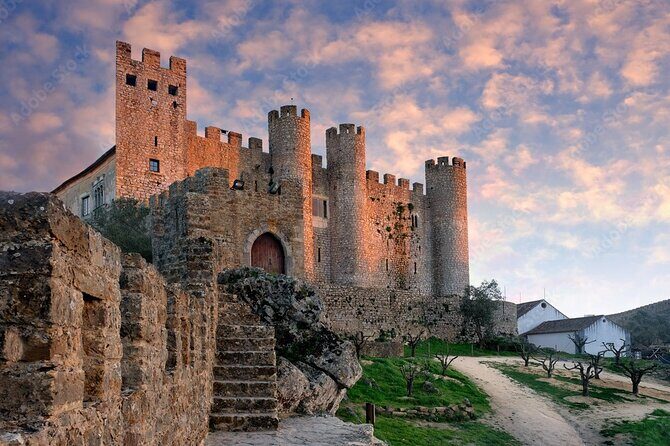
- Óbidos route to the castle takes you through the medieval lanes and up to a strong 12th-century landmark.
- Nazaré viewpoints with Praia do Norte bring the Atlantic front and center, with the giant-wave world championship setting nearby.
- Alcobaça’s Cistercian-Gothic monastery (founded 1153) adds a major art-and-legend stop in one place.
- Batalha’s Santa Maria da Vitória connects the visit to the Battle of Aljubarrota and the Portuguese victory.
- Guide energy (Diogo Sampaio) makes dates and names easier to remember, plus he’ll point you toward tasty local breaks like liqueurs and chocolates.
Óbidos Castle Walk: Medieval Streets With a Clear Goal

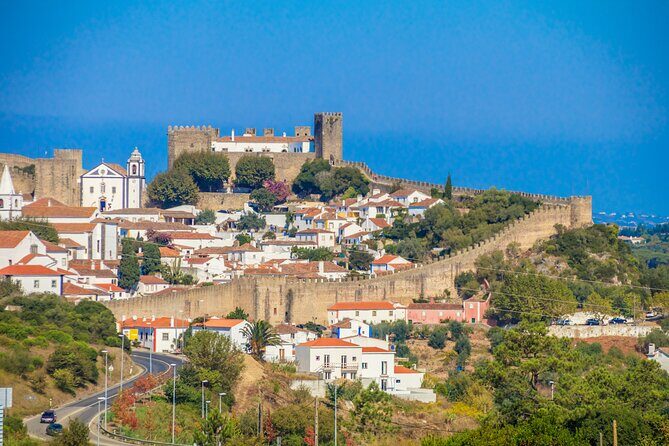
Óbidos is one of those places where the stones do most of the talking. You start with arrival via the side access of the Villa, which immediately keeps things smooth—no wandering around trying to figure out where to begin.
Once you’re in, the experience stays focused: you’ll walk the medieval streets and sidewalks, then your route continues until you reach the Castle. The castle dates back to the 12th century, which helps you feel the scale of time here. Even if you don’t obsess over dates, it’s the kind of site that makes your brain stop rushing and just notice details like how the lanes guide you.
One more thing I like about Óbidos on this tour: it’s a simple, contained walking plan. You’re not juggling a long list of separate attractions inside the town; you’re moving toward the castle as the anchor point, with the medieval setting along the way.
If you’re thinking about photos, this stop is built for it. Tight corners, stone textures, and the way the route naturally rises as you approach the castle are excellent for quick snapshots. Just know that medieval towns can get busy, and with four stops in a day, the overall flow can feel a bit “go-go-go.”
You can also read our reviews of more private tours in Lisbon



Nazaré Clifftop Views and the Praia do Norte Connection
From Óbidos’ stone streets to Nazaré’s ocean edge, the tone shifts fast. Nazaré is known for a beach viewpoint over the Atlantic Ocean, and the tour uses that dramatic setting in a practical way.
Your time here focuses on the Sanctuary at the top of the cliff. From that height, the direction toward Praia do Norte matters. That’s where the giant wave world championship is held, so you’re not just looking at scenery—you’re looking at the setting that turns these waves into a global event.
This is a good stop if you like your sightseeing with context. The Atlantic looks big in photos, but having the sanctuary viewpoint tied to Praia do Norte makes the whole place feel connected. It’s also the kind of location where you can slow down for a few minutes without losing time, because the view holds your attention.
Potential drawback to keep in mind: you’ll likely want to balance standing at the viewpoints with moving back down. One-hour stops are short, and Nazaré rewards staying at the best vantage points. So if you get motion-sick on stairs or uneven ground, plan your pacing and take breaks when you need them.
Alcobaça Monastery: Gothic Style and the Pedro–Inês Story
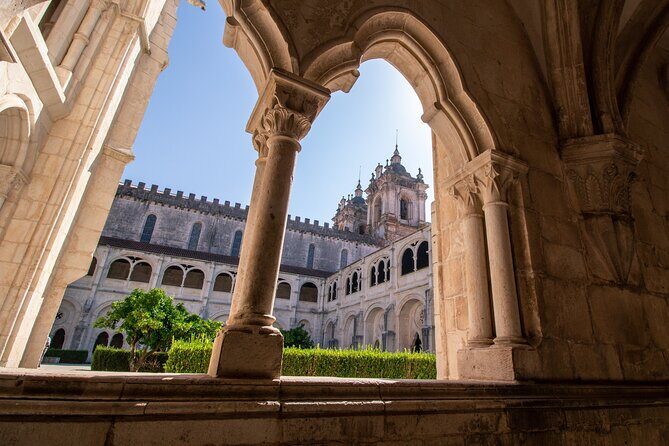
Alcobaça is where the tour gets more emotionally specific. The Monastery of Alcobaça was created by Cistercian monks in 1153, and it carries a strong Gothic presence. That mix is exactly why this stop matters: it’s not only about beauty, it’s about the moment when religious communities shaped the architecture and the political memory of Portugal.
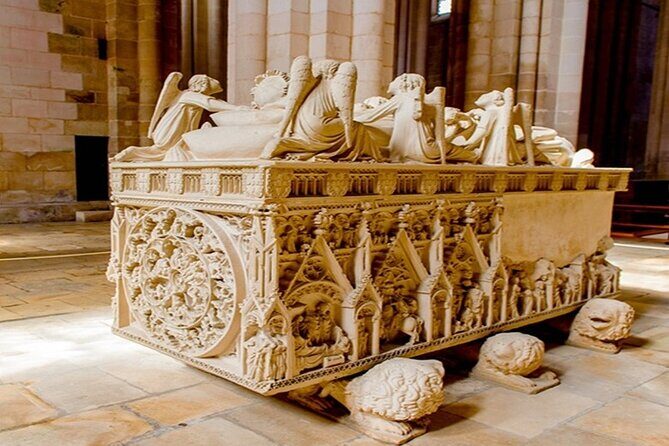
Inside, the key highlight is in the kings’ room. This is where you’ll find the tombs of Inês de Castro and Pedro I. Their story gives the monument a human thread, so you’re not walking through a building that feels like a museum display. You’re standing in a space tied to names you might have heard before, but here you get the setting that makes the story stick.
One practical note: the monastery admission ticket is not included. That doesn’t ruin the value, but it does change the math. When you plan a day like this, you’ll get some free admission time earlier (Óbidos and Nazaré) and then pay for the two big monastery stops later. If you hate surprises, set a little budget aside so you can focus on the sites instead of the checkout line.
Also, consider how you move through your day. A one-hour slot can be enough for a first look, but only if you choose your focus quickly. Aim for the tomb area and the main Gothic sections first. If you drift too long, it’s easy to feel like you ran out of time right when you were starting to connect the architecture to the story.
Batalha Monastery of Santa Maria da Vitória: A Victory Built in Stone
Batalha’s centerpiece is the Monastery of Santa Maria da Vitória. It was built after the important victory of King D. João I over the Castilians in the Battle of Aljubarrota. That battle connection is more than trivia. It explains why the monastery feels like a statement, not just a religious site.
If you’re the kind of traveler who likes to understand why a building exists, this stop gives you a clear reason. You’re not only seeing an impressive structure—you’re seeing a monument tied to a national turning point. That makes your time here more meaningful, because the place isn’t floating in time. It’s anchored to a specific moment of conflict and outcome.
The same practical caveat applies: admission is not included for this monastery. Plan for that cost, and it’ll feel like part of the day rather than an extra stress.
This stop is also a good reminder of what this tour is good at. It compresses major Portuguese landmarks into a single route. But because the itinerary is built on concentration, the quality of your guide matters a lot—and this tour is well-liked for exactly that.
How the Private Format Makes the Day Feel Easier
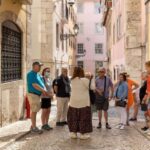
A private tour is not just about comfort—it’s about control. With a group size limited to up to 6, the pace stays sensible and the guide can adjust. If you want a quick extra minute at a viewpoint or need a bathroom break, you’re not stuck waiting for a large group with different interests.
Pickup is offered, too. You’ll meet your driver at your starting place in Lisbon, which is especially helpful when you’re trying to stack day trips without burning time on transit logistics.
Another practical detail: you get a mobile ticket. That’s one less thing to scramble for on the day, and it makes the meeting points and entry flow feel calmer.
The tour runs about 8 hours. That’s a lot to fit in, but it’s also a sweet spot for seeing several high-value sites without turning your trip into an all-day slog that eats your evenings.
Still, there’s a reality check worth saying out loud: four main stops with about an hour each means you should travel light and keep your pace efficient. This is not the kind of day for slow wandering. It’s for smart walking, a couple of photo pauses, and then moving on.
You can also read our reviews of more historical tours in Lisbon





Price and Value: What $650.91 Per Group Really Buys
The price is $650.91 per group (up to 6). On paper, that looks like a lot. In practice, the value comes from what’s included: private guiding, pickup, and an itinerary designed to hit major sights in a single day.
Here’s how the value works for you:
- Two stops with free admission (Óbidos and Nazaré) help offset the overall cost.
- Two monastery entries not included (Alcobaça and Batalha) mean you’ll still spend on-site, but you’re choosing to focus your day on the biggest payoff attractions.
- Private transport and a guide save you time and decision fatigue. Instead of stitching together multiple buses/trains and trying to manage opening hours, you get a planned route.
For families or small groups, the per-group pricing can feel fair fast, especially when you compare it to paying for separate tickets and paying your own time cost to coordinate. If you’re traveling solo, it can still be worthwhile when you want a structured day with less guesswork.
One more thing: this tour is offered in English. That sounds basic, but it matters when you’re dealing with medieval dates and monastery stories. A good explanation turns stone and names into something you can actually remember later.
Guide Matters: Diogo Sampaio’s Storytelling and Food Tips
The guide is a major reason this route earns praise. In particular, Diogo Sampaio is singled out for being both didactic and spontaneous, with a welcoming mood that keeps the day from feeling scripted.
You can feel the difference when a guide doesn’t just list facts. Diogo’s approach helps you connect the medieval streets of Óbidos to the larger Portuguese story. The result is that you leave with more than photos—you leave with a mental timeline.
And yes, the food and sweet stops get attention. You’ll get pointers on where to find good eats, and in Óbidos it’s easy to end up sampling local liqueurs and chocolates. Even if you don’t plan on buying anything, having guidance on where to go saves time and avoids the generic stuff.
This matters for value, too. A structured route can be good on its own, but a great guide makes the whole day feel like it has a pulse.
What to Expect From Each Time Slot (and How to Pace Yourself)
This tour is built around short, high-impact visits. Each of the four main stops gets about an hour. That structure is great if you want variety—medieval walls, ocean views, and monastery grandeur—but you’ll need to manage your energy.
Here’s a realistic way to pace yourself:
- At Óbidos, focus on getting from the lanes to the castle area without over-spending time in every side street.
- At Nazaré, start with the sanctuary viewpoint and then use the remaining minutes for the cliff and Atlantic photo moments.
- At Alcobaça, go straight toward the kings’ room tombs for Inês de Castro and Pedro I, then look at Gothic elements around that key area.
- At Batalha, center your visit on Santa Maria da Vitória and the battle connection, then let the building details fill in the rest.
Moderate physical fitness is recommended. That doesn’t mean you need to be an athlete, but expect walking on stone sidewalks and moving between viewpoints and entrances. If stairs are a concern for you, take it slow at Nazaré’s cliff areas and wear comfortable shoes.
Also, the experience requires good weather. If rain or poor conditions roll in, you’ll be offered another date or a full refund, so don’t worry about getting stuck in bad conditions.
Should You Book This Óbidos–Nazaré–Alcobaça–Batalha Private Tour?
Book it if you want a guided, private day that hits the big historical beats without you doing the planning math. This route is especially strong for pairing medieval streets at Óbidos with the Atlantic drama of Nazaré, then finishing with the monastery sites that tie Portugal’s legends and victories to real architecture.
I’d think twice if you hate time limits or you’re the type who needs lots of unstructured exploring time. With one-hour stops and two monastery admissions not included, it’s a focused itinerary, not a slow museum day.
If you want an efficient day that balances views and monuments, and you like learning stories while you walk, this is a smart choice.
FAQ
What is the duration of this private tour?
It runs for about 8 hours.
How much does the tour cost?
The price is $650.91 per group, for up to 6 people.
Is the tour private?
Yes. It’s a private tour/activity, and only your group participates.
Do I get pickup from Lisbon?
Pickup is offered. You indicate your starting place and the team meets you there.
What language is the tour offered in?
The tour is offered in English.
Are tickets included for all stops?
Admission is free for Óbidos and Nazaré. Admission for the Monastery of Alcobaça and the Batalha Monastery is not included.
How long do we spend at each main stop?
Each stop is listed as about 1 hour.
Is the tour suitable for people with limited mobility?
It’s recommended for travelers with moderate physical fitness. The itinerary includes walking through historic areas and viewpoints.
Does this tour require good weather?
Yes. It requires good weather. If it’s canceled due to poor weather, you’ll be offered a different date or a full refund.
Can I cancel for a refund?
You can cancel for a full refund up to 24 hours in advance of the experience’s start time.