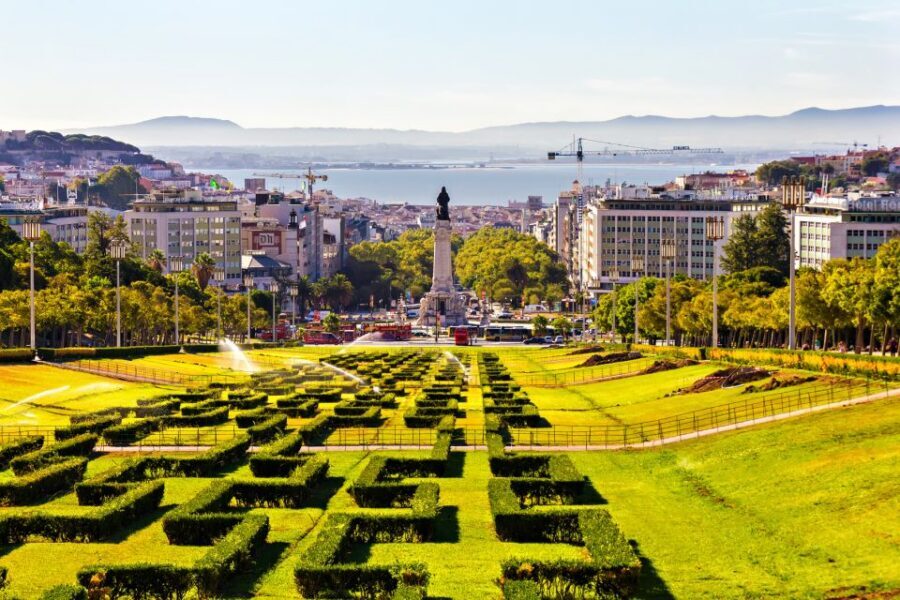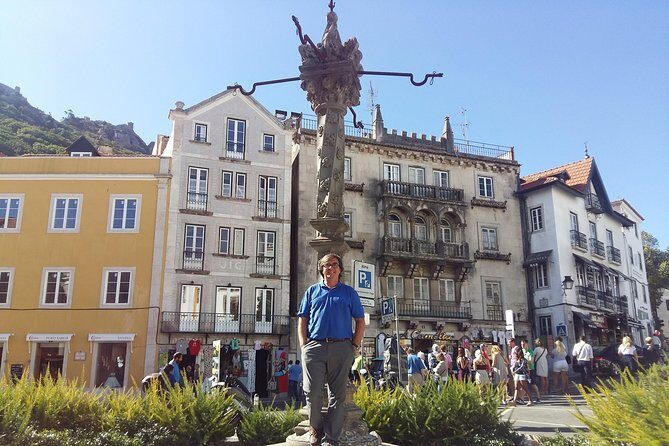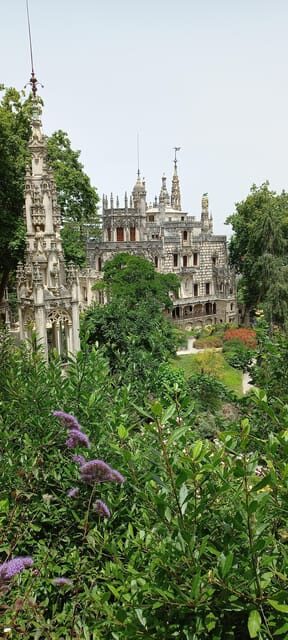
Lisbon’s hills beg for wheels. This private electric tuk-tuk glides through old Alfama, with real context on the 1755 earthquake and why parts of the city look the way they do. I love that the electric tuk-tuk stays quiet enough to hear your guide clearly, and I love the included ginjinha stop.
The only catch is the timing: you’re bouncing between viewpoints and landmarks, so you won’t get hours of slow wandering like you might on foot.
In This Review
- Key things you’ll notice on this Old Town Tuk Tuk Tour
- Why an electric tuk-tuk is smart for Alfama
- Private pacing: why you’ll feel less rushed
- Where the tour starts (and how the loop works)
- Miradouro da Senhora do Monte: your first big Lisbon view
- Passing by the Cathedral: a quick landmark moment
- Miradouro das Portas do Sol: a shorter stop that still hits
- Flea market pass: a day-of-week detail worth planning
- Mosteiro de São Vicente de Fora: calm stops in a moving day
- Alfama: where the ginjinha actually makes sense
- The 1755 earthquake story: why it changes how you see Lisbon
- What you gain vs walking the same streets
- Price and value: is $57.84 worth it?
- Who should book this Old Town Tuk Tuk Tour
- A quick heads-up before you go
- Should you book? My practical take
- FAQ
- How long is the Old Town Tuk Tuk Tour?
- Where does the tour start and end?
- Is this tour private?
- What’s included in the tour?
- Does the tour visit Lisbon viewpoints?
- What vehicle is used?
- Is there a minimum age to join?
- Is a mobile ticket provided?
- Is free cancellation available?
- Does the tour operate in any weather?
Key things you’ll notice on this Old Town Tuk Tuk Tour
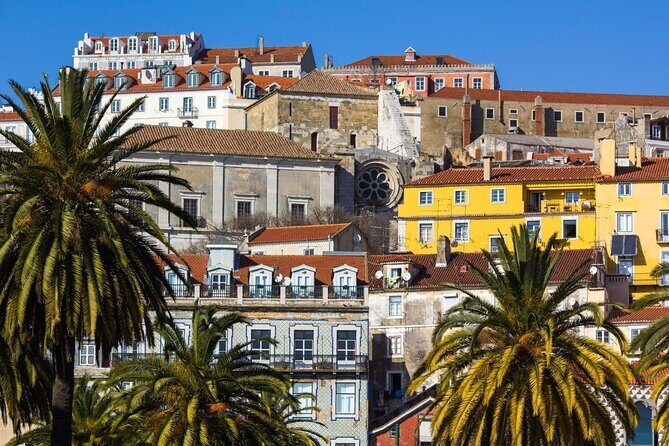
- Electric tuk-tuk comfort: easier hearing and less stress on Lisbon’s steep streets
- Miradouros with real payoff: stop at top viewpoints for sweeping views
- 1755 earthquake context: you’ll understand what shaped the city you’re seeing
- Alfama stop + ginjinha: a small food moment that feels local, not touristy
- Route variety in ~1 hour: multiple landmarks without the uphill grind
- Tuesdays and Saturdays flea market pass: you might catch activity depending on your day
Why an electric tuk-tuk is smart for Alfama

Lisbon isn’t hard because it’s confusing. It’s hard because it’s steep. Alfama, in particular, is all twisty lanes and sudden climbs. A tuk-tuk solves the “one step up, two steps down” problem and gets you to the viewpoints faster, with less huffing and more seeing.
What makes this version stand out is the electric setup. The streets are busy, but you’re not fighting the engine noise to understand your guide. That matters, because this tour is built around short stops where the story behind the place is the point, not just the picture.
You can also read our reviews of more tours and experiences in Lisbon.


Private pacing: why you’ll feel less rushed
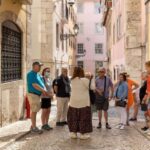
This is a private tour, meaning it’s just your group. In practice, that changes how the guide handles timing. You can usually move at a human pace—stop to look, ask one more question, and then roll on—without being packed into a fixed rhythm with strangers.
The route is also designed to give you variety in a short window. You’ll get scenic lookout time, monastery time, and then a proper Alfama moment with a ginjinha tasting. In a city where walking can eat up energy fast, that balance feels like good planning.
Where the tour starts (and how the loop works)
You’ll meet at Praça da Figueira (1100-241 Lisboa). The tour ends back at the meeting point too, which is a big quality-of-life detail. You don’t have to figure out your next transport step right away.
The total time runs about 1 hour to 1 hour 15 minutes, so think of it as a “get your bearings fast” tour. You’ll cover several key points of the old town area, then be dropped right back where you started.
Also, there’s a mobile ticket included, and the tour notes group discounts. If you’re booking as a small group, that can make the per-person cost feel more reasonable.
Miradouro da Senhora do Monte: your first big Lisbon view
The tour kicks off at Miradouro da Senhora do Monte, which is the highest spot on the route. You get about 20 minutes here, and that length is on purpose. It’s enough time to actually take in the view, not just glance and leave.
What I like about this kind of start is the orientation effect. From a high viewpoint, the city’s shape makes sense. Streets that looked random on a map start to look connected, and you can mentally place the rest of the tour as you go. If you’re new to Lisbon, this is where you start building a simple mental picture.
Passing by the Cathedral: a quick landmark moment
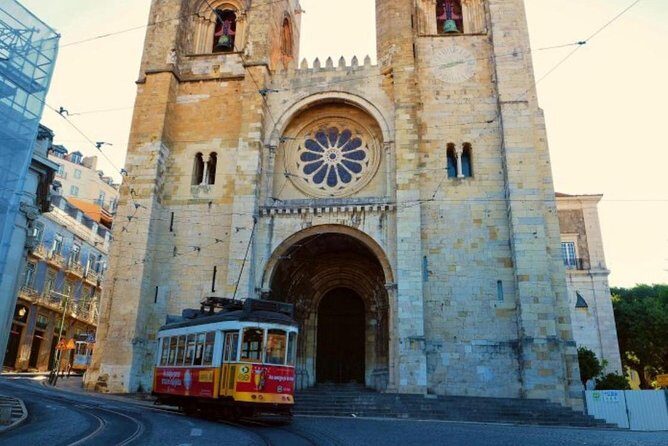
Between viewpoints, the route includes a pass by the Cathedral of Lisbon. You won’t have a long stop there, but you will see enough to lock it into your day. It’s the kind of “brief but useful” stop that helps you connect what you’re hearing with what you’re seeing outside the vehicle.
It also keeps the tour moving. Lisbon’s streets don’t reward delays, especially when you’re trying to fit four stops into about an hour.

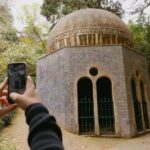
Miradouro das Portas do Sol: a shorter stop that still hits
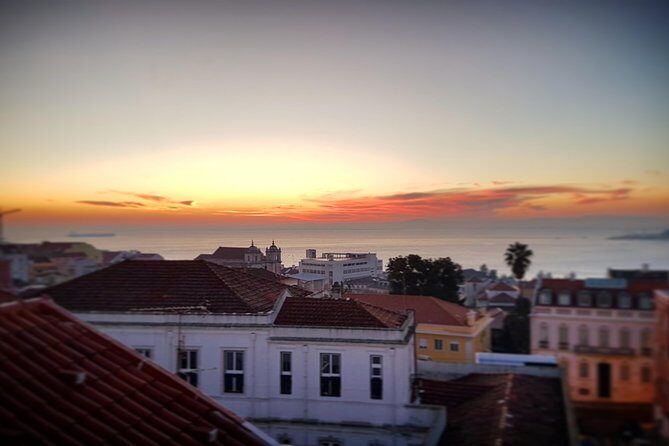
Next up is Miradouro das Portas do Sol, with about 10 minutes. This is a quick hit viewpoint, which works well because you’ve already gotten the high overview from Senhora do Monte.
Portas do Sol is all about angle and layers—an in-between viewpoint that complements the first. If you’re the kind of person who likes to compare views, you’ll enjoy this contrast: one stop for altitude, the next for perspective.
And since the tour is short, that 10-minute window is a good reminder to “look, snap a photo if you want, and move.” You’ll see more by keeping momentum than by getting stuck on one frame.
Flea market pass: a day-of-week detail worth planning
There’s a pass by the flea market, but only Tuesdays and Saturdays. This is the kind of small schedule detail that can turn a sightseeing stop into something with extra local texture.
If you’re there on one of those days, keep your eyes open as you pass through. Even a quick glimpse helps you understand how people actually use these streets beyond the postcard stops.
If you’re on another day, don’t worry. The tour still covers the core landmarks and viewpoints. But knowing the day-of-week rule can make the experience feel a little more personal.
Mosteiro de São Vicente de Fora: calm stops in a moving day
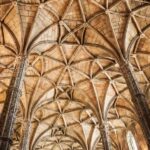
At Mosteiro de São Vicente de Fora, you get about 10 minutes. This monastery stop works as a breath between viewpoints, and it gives the day a more grounded feel. Lisbon isn’t only about sights you photograph from above; it’s also about spiritual and architectural landmarks that shaped daily life.
You’ll also be passing by the National Pantheon of Portugal. Like the cathedral pass, it’s brief, but it adds depth. You start to notice the city isn’t just a collection of miradouros—it has institutions and monuments that anchor the old neighborhoods.
Alfama: where the ginjinha actually makes sense
The main “old neighborhood” moment is Alfama, with about 25 minutes on-site. This is the longest stop, and it’s where the tour shifts from “seeing” to “feeling.”
The highlight here is tasting ginjinha, the famous cherry liqueur. It’s not just a random sip. It fits the area because Alfama is the kind of place where small food and drink details help you connect the dots between culture and street life.
I also like that this portion gives you time to wander a little in the neighborhood environment without needing to commit to a long walking loop. You’ll get the charm of being in Alfama—then you’re back on the vehicle before you over-exhaust yourself.
The 1755 earthquake story: why it changes how you see Lisbon
A big part of the tour is learning about the earthquake of 1755, which almost completely destroyed the city. That’s the kind of fact that can sound dramatic but become useful only when tied to what you’re seeing right now.
As you move between viewpoints and monuments, that story gives you a lens. You start to interpret the city as something shaped by rebuilding, movement, and survival. Even if you don’t memorize dates, you’ll walk away with a clearer sense of why Lisbon’s layers feel so physical.
That’s also where a strong guide makes a difference. One of the most praised elements of this tour is the host’s ability to explain what you’re passing in plain language, including the significance of the spots along the route.
What you gain vs walking the same streets
If you’re comparing this to a walking tour, here’s the real difference: this tour helps you cover distance without paying the full uphill cost. In 60–75 minutes, you’ll see multiple viewpoints and several major landmarks without doing the marathon legs.
A walking tour can be great for stopping longer and digging deeper. But on a steep day—or if you’re traveling with kids or just don’t want to start your day sweaty—this tuk-tuk version is a practical win.
You’ll also avoid a common Lisbon problem: planning. With a fixed loop, you’re not trying to guess which miradouro comes next or how to weave together landmarks on hilly streets.
Price and value: is $57.84 worth it?
At $57.84 per person, this isn’t a budget “grab-and-go” activity. It is a paid experience with a vehicle, a local guide, and a structured route that stacks several highlights into a short timeframe.
So where does the value come from?
- You’re buying convenience on steep streets (and comfort from an electric vehicle).
- You’re paying for time-saving access to several viewpoints and landmarks in one loop.
- You’re getting a included taste of ginjinha, which adds a real local touch rather than only sightseeing.
If you’re traveling as a couple or a small group that makes a private tour feel more reasonable, this price starts to look like a smart trade: less walking effort, more seeing within one concentrated hour.
Who should book this Old Town Tuk Tuk Tour
I think this tour is a strong match if you:
- Want Alfama basics without committing to a long walking plan
- Prefer a short, guided loop over self-guided wandering
- Like viewpoints but don’t want to earn them with nonstop uphill stairs
- Are traveling with someone who needs a more comfortable pace (the tour notes most people can participate, with a minimum age of 8)
It also works well for first-time Lisbon visitors who want a quick orientation. The route gives you multiple anchor points so you can explore more confidently afterward.
A quick heads-up before you go
This experience requires good weather. If conditions are poor, it may be rescheduled or refunded. That’s normal for Lisbon—lookouts and outdoor streets depend on visibility.
Also, because the tour is short, you’ll need to accept a trade-off: it’s not a slow, lingering day. The value comes from coverage, not extended time at each stop.
Should you book? My practical take
Book this if you want a structured, comfortable way to experience Alfama and Lisbon’s famous miradouros in about an hour. The electric vehicle helps you actually hear the guide, and the included ginjinha stop gives you a satisfying local moment.
Skip it if you already know you want long museum-style time at monuments or you prefer a full day on foot with fewer stops and more wandering. This is a “best-of in a short window” tour, and it does that job well.
If you’re deciding between conserving energy and chasing scenery, this one usually wins.
FAQ
How long is the Old Town Tuk Tuk Tour?
It runs about 1 hour to 1 hour 15 minutes.
Where does the tour start and end?
The meeting point is Praça da Figueira (1100-241 Lisboa, Portugal), and the tour ends back at the same meeting point.
Is this tour private?
Yes. It’s a private tour/activity, and only your group participates.
What’s included in the tour?
A local guide is included, and the route includes a ginjinha tasting in Alfama.
Does the tour visit Lisbon viewpoints?
Yes. It includes stops at Miradouro da Senhora do Monte and Miradouro das Portas do Sol.
What vehicle is used?
The tour uses an electric tuk-tuk.
Is there a minimum age to join?
Yes. The minimum age is 8.
Is a mobile ticket provided?
Yes. The tour includes a mobile ticket.
Is free cancellation available?
Yes. You can cancel up to 24 hours in advance for a full refund.
Does the tour operate in any weather?
It requires good weather. If it’s canceled due to poor weather, you’ll be offered a different date or a full refund.