REVIEW · LISBON
Mysteries of Alfama: Lisbon Exploration Game and Tour
Book on Viator →Operated by Questo · Bookable on Viator
Alfama gets more interesting with puzzles. This self-guided game turns the old-town streets into a sequence of clue-based stops, with quick culture notes that touch Lisbon traditions and even fado. I like that it’s offline-friendly and that you can start when you want, rather than lining up at a set hour.
Two things stand out as practical wins: no fixed schedule (you can pause and resume later) and admission tickets for most stops. One drawback to keep in mind: the experience depends on a mobile app, and some players have reported glitches with geo location and answer checking that can turn fun into frustration.
In This Review
- Key Points Before You Go
- Alfama by Puzzle, Not by Pushy Schedule
- Price, Value, and What You Trade for Flexibility
- Start at Rua da Alfândega: Your Quest’s First Clue
- Stop by Stop: What You’ll Do at Each Landmark
- Lisbon Cathedral: Fast Entry, Puzzle-First Learning
- Miradouro das Portas do Sol: The View Break
- Igreja do Menino de Deus: Small Stop, Clear Purpose
- Church of Santa Engrácia: The One That Costs Extra
- Largo do Chafariz de Dentro: Quick Hit, Good Energy
- Cais das Colunas: End on the Waterfront Mood
- The Unnamed Clue Stops: The Game Keeps You Honest
- When the App Works: Why This Game Style Feels Better
- App Glitches and Translation Snags: What to Watch For
- Who This Is Best For (and Who Might Prefer Another Plan)
- Should You Book Mysteries of Alfama?
- FAQ
- Can I start this game at any time?
- Do I need internet access to play?
- Is there a physical guide walking with me?
- How long does the experience take?
- What are the main stops on the route?
- Are admission tickets included?
- What language is the experience offered in?
- Where do I start and end?
- What’s the cancellation policy?
Key Points Before You Go

- Start anytime within the day: you can begin at your pace and take breaks
- Offline gameplay: no internet connection needed for the city game
- Private, no human contact: you avoid the crowd-control vibe
- Puzzle flow between real landmarks: Lisbon Cathedral, Portas do Sol, and more
- Mostly free admissions: several stops list free entry, with one exception
- Smart for families and groups: a kid can feel like the hero with each stop
Alfama by Puzzle, Not by Pushy Schedule

This is Alfama the way a lot of people secretly want it: on your terms. Instead of a group tour with a human voice herding you down the hill, you follow clues, solve puzzles, and get the next instruction on your phone. It’s a simple idea, but it changes the mood—less sightseeing march, more slow discovery.
I also like that the experience is flexible in a real way. You can start at any hour during the operating window, pause when your legs (or patience) need a break, then jump back in later. That matters in Alfama, where walking can feel constant even if the route is only around two hours on paper.
One more benefit: the format is set up to keep you away from crowds. It’s a private activity and there’s no human contact, which can make a difference if you’re trying to avoid peak-time chaos. And because the game is designed to function without an internet connection, you can focus on the street—not on your data plan.
You can also read our reviews of more tours and experiences in Lisbon


Price, Value, and What You Trade for Flexibility

At $7.20 per person for about two hours, this is priced like an activity, not a premium guided tour. The value comes from two places. First, you’re paying for the game format—clues, puzzles, and on-screen direction. Second, many listed stops include free admission tickets, which can offset the usual cost of paying at churches and viewpoints.
There is one clear consideration: Church of Santa Engrácia lists admission as not included. That doesn’t kill the value, but it does mean you should be mentally ready for a possible extra entry cost if you want to go in.
So here’s the trade-off. You’re saving money and avoiding crowds, but you’re relying on your phone and the app experience. If your device battery is low or the app acts weird with location, you won’t have a guide standing there to fix it on the spot.
Start at Rua da Alfândega: Your Quest’s First Clue
You begin at Rua da Alfândega 108, 1100-016 Lisboa, and you end in Praça do Comércio, 1100-148. That start-to-finish framing helps because you’re not just wandering indefinitely—you’re moving through a loop of Alfama highlights.
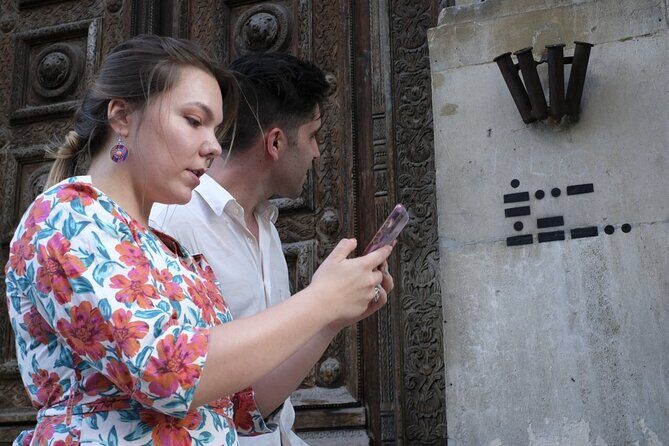
The game starts with a clue that leads you to the first stop. After you solve the puzzle, you get directions on where to go next while learning about the place you just reached. Think of it like a self-guided tour, but with a “next step” built in so you don’t spend your whole time deciding what to do.
This is also where you’ll feel the biggest difference between people who enjoy app-guided walking and people who don’t. If you like puzzles, the early uncertainty fades quickly. If you hate getting stuck on tech steps, this is where you’ll want everything working smoothly.
Stop by Stop: What You’ll Do at Each Landmark
The experience runs on short visits. Each named stop is roughly 5–10 minutes, and the pattern is the same: clue → puzzle → arrive → quick learning moment → next instruction. Don’t plan on lingering long. Plan on moving, reading, and playing.
Lisbon Cathedral: Fast Entry, Puzzle-First Learning
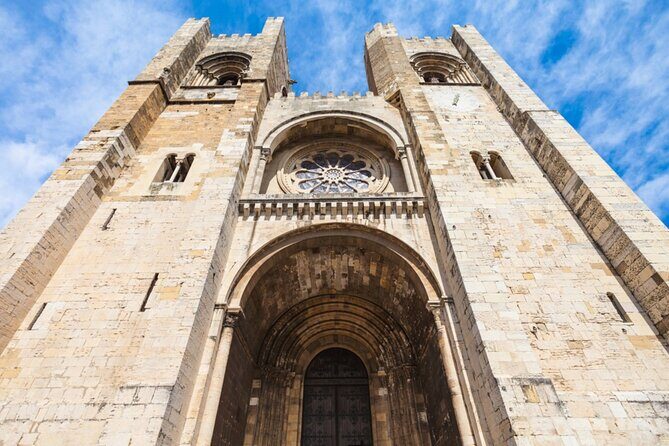
Lisbon Cathedral is listed as your first major stop. You’ll get there by following a clue and solving a puzzle, then you’ll spend about 5 minutes there. Admission is marked as free, so you shouldn’t have to add extra entry cost for this one.
This stop is a good “set the rhythm” moment. When the game is working well, it teaches you how to think like the app: follow the clue, don’t overthink the question, then move on. It’s also a solid cultural anchor since churches tend to shape how Alfama’s stories get told.
A practical note: five minutes is short. If you want photos, aim for quick shots and save longer viewing for another trip.




Miradouro das Portas do Sol: The View Break
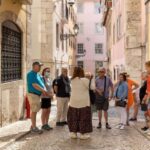
Next comes Miradouro Das Portas Do Sol, with about 10 minutes on the clock. Admission is listed as free. This is the kind of stop where a little extra time helps, since viewpoints are where you naturally pause, look around, and let the neighborhood spread out in front of you.
Even though the game is puzzle-led, the miradouro setup gives you breathing room. You’ll be outside, so it’s a good moment to reset, regroup with your group, and decide whether you want a quick snack break.
If you’re traveling with kids or slower walkers, this is one of the more forgiving stops because you can take in the scenery without needing to keep moving every second.
Igreja do Menino de Deus: Small Stop, Clear Purpose
Igreja do Menino de Deus is listed for about 5 minutes, and admission is marked as free. Like the other stops, you’ll arrive by solving the clue chain and then get the next instructions after a brief learning segment.
Church stops can blur together on a typical walking day, but the game keeps each one distinct. You’re not just standing and looking; you’re answering questions and connecting the place to the larger story of Alfama.
If you’re the type who likes to move fast, this short stop will feel efficient. If you prefer slow wandering and reading everything, you might wish this were longer.
Church of Santa Engrácia: The One That Costs Extra
Church of Santa Engrácia is listed for about 10 minutes, but admission is marked as not included. That’s the main logistical difference in the whole route.
I’d treat Santa Engrácia as optional in the way the game presents it. If you’re trying to stay on a tight budget, you can still enjoy the puzzle moment, then decide whether entry is worth paying on the day. If you’re okay adding the entrance cost, this becomes one of the longer, more structured stops.
Either way, this is the spot where you’ll want to double-check what you’re actually planning to do before you arrive. The game won’t necessarily slow down for ticket decisions, so keep your head clear.
Largo do Chafariz de Dentro: Quick Hit, Good Energy
Largo do Chafariz de Dentro is a 5-minute stop with free admission listed. After you work through the clue and puzzle, you’ll get directions forward while learning something short and place-specific.
This kind of square stop is useful because it breaks the vertical feeling of Alfama’s streets. You’re not always climbing; sometimes you’re just reaching a point and catching your breath. Even when the visit is short, the “open space” stops can keep the walk from feeling relentless.
Cais das Colunas: End on the Waterfront Mood
Cais das Colunas is listed for about 5 minutes, and free admission is marked. By the time you reach this stop, you’re moving toward the end of the route in Praça do Comércio.
This is a nice finishing flavor. Even if the game never turns into a big production, river-and-dock areas naturally make it feel like you’re arriving at something, not just walking in circles.
If you want a clean wrap-up, linger a bit after you complete the final instruction. You’ll still feel like you finished a mission, but you get to enjoy the atmosphere without puzzles.
The Unnamed Clue Stops: The Game Keeps You Honest
The route includes a couple of additional “Stop” entries that aren’t spelled out by name in the information you provided. The pattern is the same at those points: you follow a clue, solve a puzzle, get directions, and learn a bit about what you found.
These mystery stops can be fun because they keep you alert. They also help break the route into manageable chunks without requiring you to memorize a long list of landmarks.
If the app is acting up, though, unnamed stops are harder because you can’t fall back on a landmark you recognize instantly. That’s one reason keeping your phone fully charged helps.
When the App Works: Why This Game Style Feels Better

When everything is smooth, this format is genuinely enjoyable. The clue system gives you momentum. The short stops keep you from getting bored mid-walk. And the offline mode is a big deal because it removes one more reason to get irritated.
I also like that the experience feels built for different travel styles:
- Couples who want a fun challenge without a lecture
- Families who want a reason for a kid to walk one more block
- Small groups looking for a shared task
One theme that comes through clearly is that people appreciate discovering the lesser-marked corners of old Lisbon, not just the obvious postcard points. The puzzles nudge you into those spaces.
App Glitches and Translation Snags: What to Watch For
This is where you should go in with eyes open. Some people found the app clunky—especially when it came to geo location. When the location check fails, you can end up retracing steps and starting over, which is exactly the opposite of what you want during a two-hour walking game.
Answer checking can also be picky. There have been issues around how answers are accepted depending on language choices—like word variants for religious terms—and even small typing variations. One person described that the same answer can be accepted in one form and rejected in another.
Help features may not save you quickly. If the in-app chat bot doesn’t resolve your problem fast, you’re stuck working it out yourself.
So here’s my practical advice:
- Take a moment at the start to confirm the tour is actually ready to play.
- Expect that you may need to re-check your input if something gets rejected.
- If your phone GPS is temperamental, plan a calm mindset and give yourself a little extra patience.
Who This Is Best For (and Who Might Prefer Another Plan)
This works best if you like the idea of learning by doing. You’ll enjoy it more if you don’t mind reading directions on a phone while you walk, and if you’re the type who likes solving a question rather than just listening to a guide.
It also fits families reasonably well. One account described playing together with a young child, taking breaks, using benches for rests, and even finding a playground near one of the stops. That kind of built-in “pause and reset” works when kids get restless fast.
Where it may not fit as well is if you hate app dependence. If you know your phone struggles with GPS or you’re traveling with a low-tech crowd, you might find the frustration outweighs the reward. In that case, a normal self-guided wander with printed maps could be less stressful.
Should You Book Mysteries of Alfama?
Book it if you want a low-cost, flexible way to explore Alfama and you’re happy to rely on your mobile for clues. The offline play, the private format, and the mostly free stop admissions make it a strong value for people who want to avoid crowds and keep control of their pacing.
Skip it (or pick a different plan) if you already know you dislike app-guided walking, or if you rely heavily on staff help to fix tech problems on the spot. The best version of this experience is when the game keeps moving and your location checks behave.
FAQ
Can I start this game at any time?
Yes. You can start at any hour, and the experience runs within the stated daily opening hours from 5:00 AM to 9:30 PM.
Do I need internet access to play?
No. The game can be played offline, so you don’t need an internet connection.
Is there a physical guide walking with me?
No. This is a self-guided, private activity with no human contact.
How long does the experience take?
It’s listed as about 2 hours.
What are the main stops on the route?
The named stops include Lisbon Cathedral, Miradouro Das Portas do Sol, Igreja do Menino de Deus, Church of Santa Engrácia, Largo do Chafariz de Dentro, and Cais das Colunas, plus a couple of additional clue-led stops.
Are admission tickets included?
Admission tickets are listed as free for some stops. Church of Santa Engrácia is marked as admission not included.
What language is the experience offered in?
It’s offered in English.
Where do I start and end?
You start at Rua da Alfândega 108, 1100-016 Lisboa, and end at Praça do Comércio, 1100-148, Portugal.
What’s the cancellation policy?
Free cancellation is allowed up to 24 hours in advance for a full refund.