REVIEW · LISBON
Lisbon: Street Art and Historical Walking Tour
Book on GetYourGuide →Operated by My Lisbon Tours · Bookable on GetYourGuide
Street art here has real stories.
This Lisbon walk links urban artwork to place and politics, using top viewpoints and working-class neighborhoods. I like that you start with big city views at Miradouro da Graça, then shift into the Graça–Mouraria–Alfama street-art lanes where the walls feel like public bulletin boards. One thing to plan for: you’re doing a proper walk on uneven streets, so comfortable shoes matter, and it isn’t suitable for people with mobility impairments.
I also like the human side of the tour—guides such as Rui and Andriy (and others like Andre and Ciara in past runs) focus on why artists make the work, not just what you’re looking at. The tour leans into safety and sensible pacing, which helps when you’re crossing traffic, stepping over cracks, and moving through tight corners. The only real drawback is simple: there’s no hotel pickup and no meals, so you’ll want to show up ready to walk and handle your own food before or after.
In This Review
- Key highlights you’ll actually care about
- Where the tour starts: Miradouro da Graça, on foot and in the right mood
- What I’d do to enjoy this more
- Graça to the street art walls: local and international names you can track
- Why this is good value for the $35 price
- The lookouts on the east side: Miradouro Portas do Sol and the Lisbon skyline rhythm
- Practical tip
- São Jorge Castle context: heritage without the museum vibe
- Alfama and Mouraria: walking off the main path (and reading the city’s everyday life)
- The best part, based on what people highlight most
- What the guides do differently: interpretation, safety, and political context
- How long it really feels: 3 hours, mostly built around views and downhill energy
- Getting your money’s worth: what’s included and what you should plan
- Who this is best for
- Who should skip it
- Tips to make it easier on your body and your photos
- Should you book Lisbon: Street Art and Historical Walking Tour?
- FAQ
- How long is the Lisbon street art walking tour?
- What’s the group size for this tour?
- What language is the tour guide?
- Where do I meet the tour?
- What should I wear or bring?
- Is hotel pickup and drop-off included?
- Are meals and drinks included?
- What neighborhoods and sights does the tour include?
- Which street artists might I see referenced during the tour?
- Is the tour suitable for people with mobility impairments?
- Is free cancellation available?
Key highlights you’ll actually care about
- Miradouro da Graça viewpoint first: get your bearings fast, then let the art make sense.
- Street art trail through Graça, Mouraria, and Alfama: a change of scenery every 10 minutes.
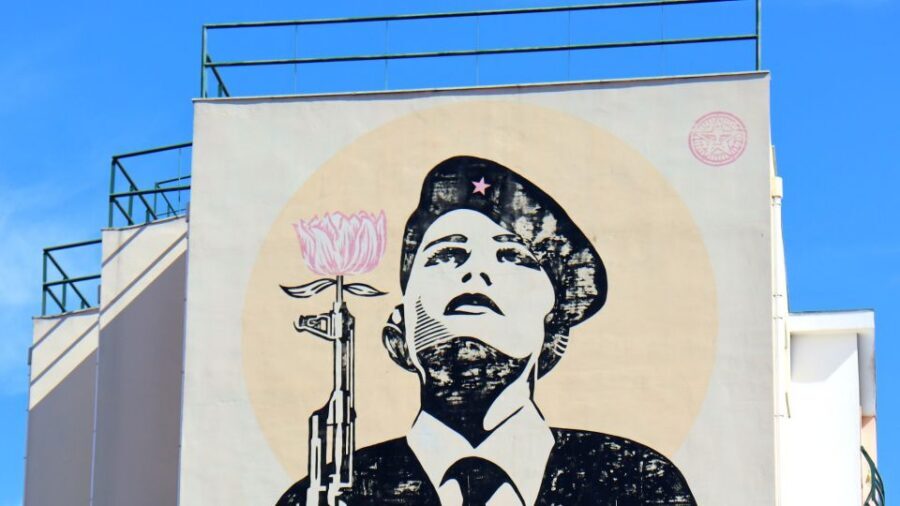
- Known artists on the walls: you’ll spot works tied to Vhils, Nomen, Odeith, and Gonçalo Mar.
- East-side lookouts for Lisbon skyline photos: including Miradouro Portas do Sol.
- São Jorge Castle context: heritage and city history woven into what you see.
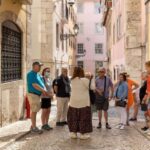
- Small group (up to 8): easier questions, better pace, tighter focus.
Where the tour starts: Miradouro da Graça, on foot and in the right mood

The meeting point is by the church at Miradouro Sophia de Mello Breyner Andresen, also known as Miradouro da Graça (Calçada da Graça, 1100-265 Lisboa). That location isn’t random. It’s a classic Lisbon “first look” spot, and starting there lets you understand the city’s shape before you start hunting walls.
You’ll begin with one of the best payoff moments: wide views over the rooftops and the layers of Lisbon. It also sets a theme for the whole walk. Street art in Lisbon isn’t stuck in a vacuum. It shows up in places people actually live, work, and argue about—so first you get the geography, then you get the culture.
You can also read our reviews of more walking tours in Lisbon


What I’d do to enjoy this more
You’ll be walking right away from the start point. I’d wear shoes you don’t mind getting a little dusty or scuffed. Lisbon streets can be rough, and the tour includes safety-conscious navigation, but you still want a solid sole.
Graça to the street art walls: local and international names you can track
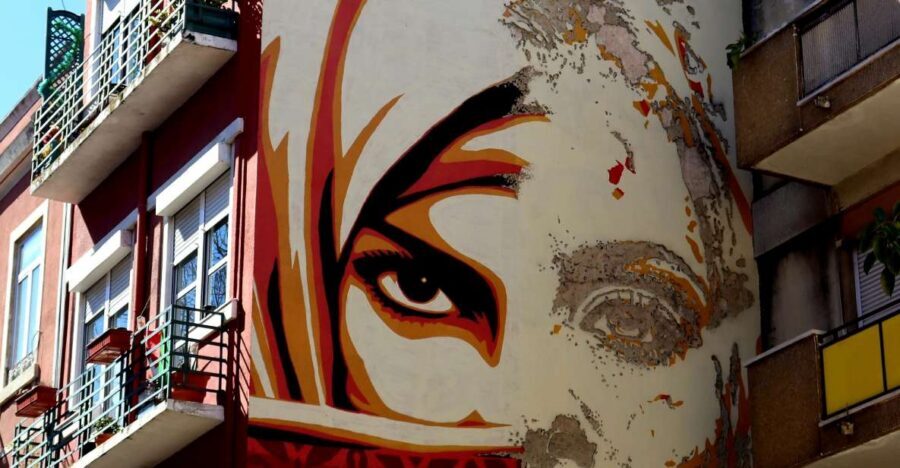
Once you’ve got the lay of the land, you move into the street art portion of the tour. This is where the experience becomes more than “look at murals.” The guide ties each stop to the bigger picture: what the artists are trying to say, and how the city’s history and everyday life shape the messages.
The work you’ll see includes artists and styles associated with Vhils, Nomen, Odeith, and Gonçalo Mar. Even if you’re not an expert in graffiti or urban art, you’ll get the context to read the pieces like clues. That matters, because street art can feel random until someone gives you the why behind the what.
Why this is good value for the $35 price
At $35 per person for about 3 hours with a live local guide, you’re paying for interpretation, not just photos. The included guide and local taxes/fees are part of the package. And since the group is capped at 8 people, you’re less likely to get the “walk fast, read nothing” treatment.
Also, this is a walking tour, not a bus tour. You’re spending your money on time with the guide and time in the neighborhoods where the art is actually happening.
The lookouts on the east side: Miradouro Portas do Sol and the Lisbon skyline rhythm
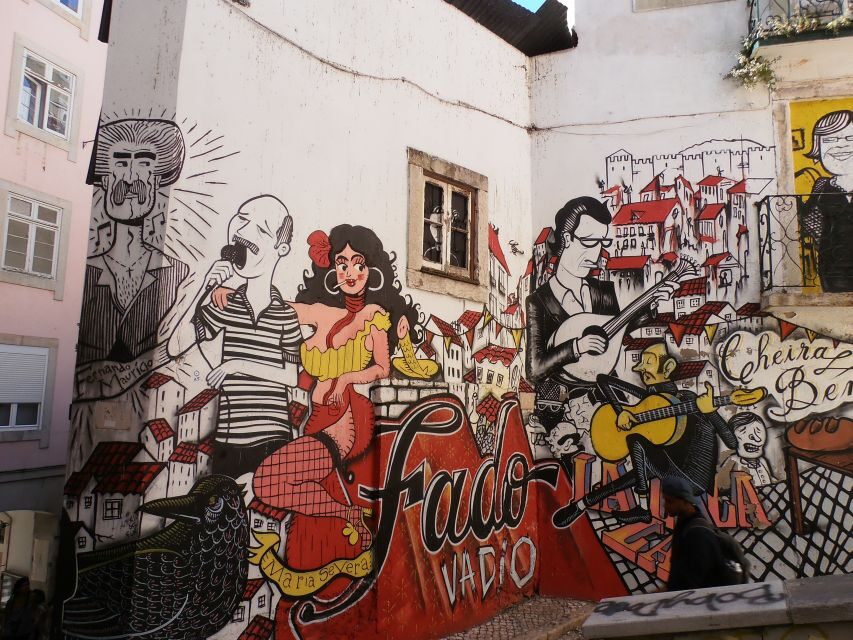
After the initial wall-hunting, you head toward the east side of Lisbon to chase some of the best viewpoints. One named stop is Miradouro Portas do Sol. If you’ve ever wondered why Lisbon feels so scenic even between attractions, this is the answer: the city is built for looking outward.
These stops do two jobs at once:
- They break the walking into manageable chunks with a clear payoff.
- They help you “place” what you’re seeing as you move through different districts.
You’ll also get the fun of a guided rhythm—art, then vista, then more art—so the tour never feels like one long hunt for the next wall.
You can also read our reviews of more historical tours in Lisbon





Practical tip
Since there are no meals or drinks included, you might want to think about snacks and water on your own schedule. The tour keeps moving, and your best breaks will come from the viewpoints.
São Jorge Castle context: heritage without the museum vibe
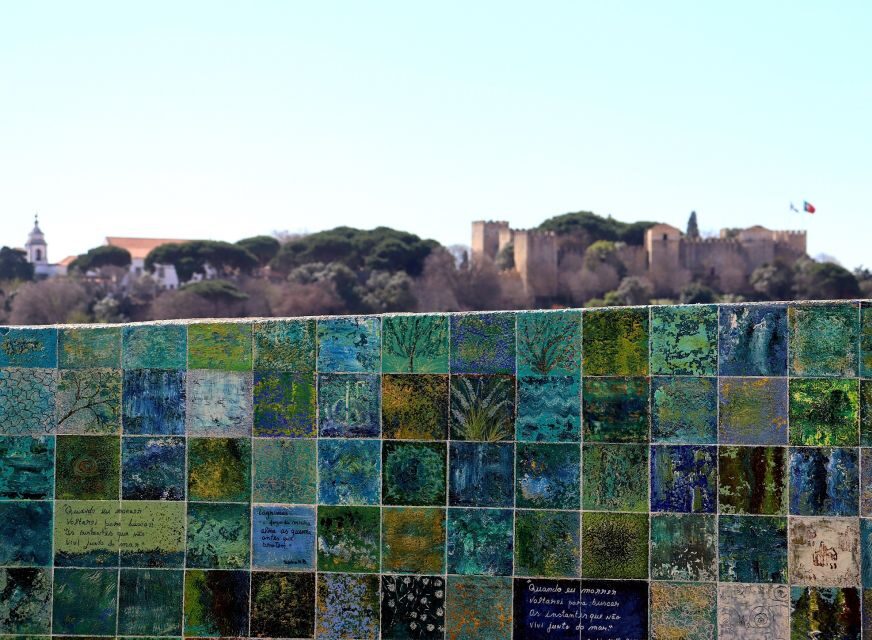
The tour doesn’t stop at street art. You’ll also spend time around the cultural heritage of Lisbon, including an area visit linked to São Jorge Castle.
For me, this is where the tour becomes more balanced. Street art can be trendy; history can be dry. Here, the guide connects them. You learn how the city’s past shapes its present identity, and how urban artists borrow from that same language—symbols, locations, and public meaning.
Even if you’re primarily there for the street art, the castle piece helps you understand why some walls feel like commentary rather than decoration. Lisbon’s story is layered, and the guide keeps that layering clear.
Alfama and Mouraria: walking off the main path (and reading the city’s everyday life)
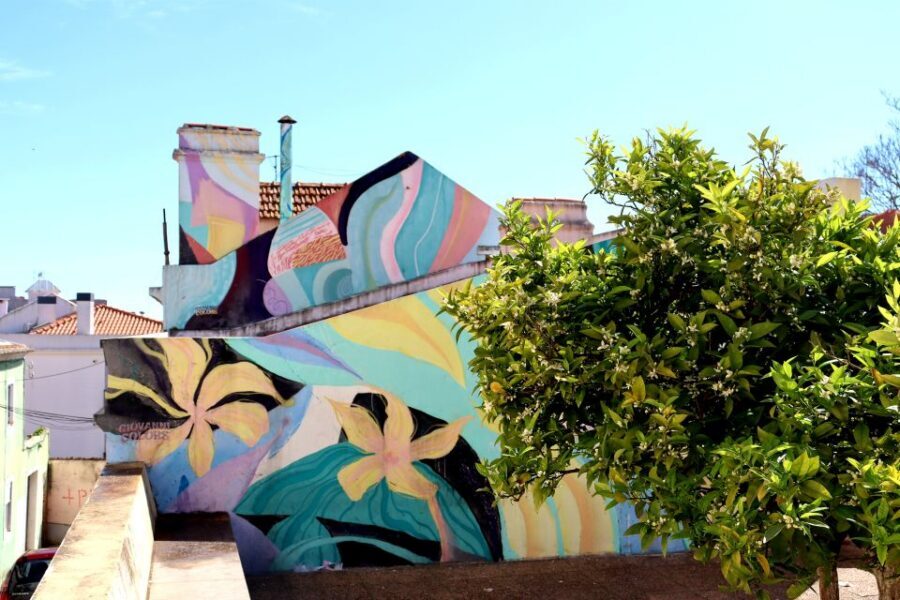
From the lookout-and-heritage moments, you move into districts where the vibe feels more like daily life than sightseeing. Alfama and Mouraria are specifically named, and that’s a big part of the value: you’re not sticking to the most obvious tourist corridors.
This is where the tour leans into “what to see and do” as a local would. You learn the logic of the streets—why certain areas feel like they do, and what to watch for as you walk. The guide’s role is important here: without the commentary, street-level neighborhoods can feel like just… streets. With it, they become a map of culture.
The best part, based on what people highlight most
Many people rate this tour extremely highly because the guide pays attention to detail: not just art facts, but also street navigation and what the city is like on the ground. There’s a strong emphasis on safety while walking through uneven surfaces and crossing traffic.
That’s not a small thing. When you’re spending 3 hours outside, trust in the guide’s pacing makes the walk smoother and more enjoyable.
What the guides do differently: interpretation, safety, and political context
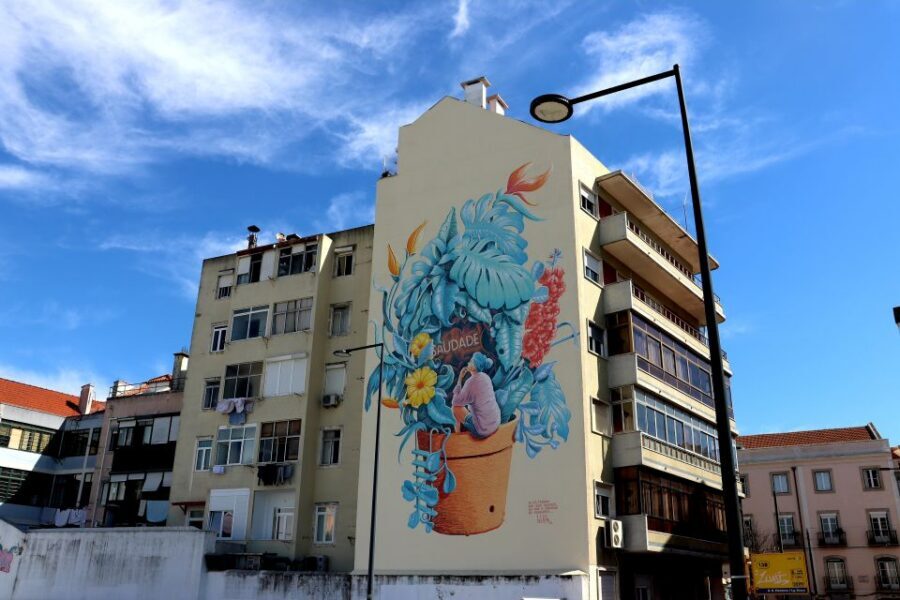
A big theme in the strongest feedback is how much the guides teach. Names that come up include Rui and Andriy (and also Andre and Ciara in other runs). People clearly like the way the guides turn street art into a conversation about life, history, and even politics.
This is not only “spot the artist.” It’s more like:
- Why did the artist choose this spot?
- What’s the message and who’s it aimed at?
- How does Lisbon history echo in today’s street visuals?
One more detail that shows up strongly: guides are attentive to safety while walking the streets. That means pacing, awareness, and practical navigation—so you don’t end up thinking about your footing every minute.
How long it really feels: 3 hours, mostly built around views and downhill energy
The tour duration is 3 hours. In practice, that’s a sweet spot. You’re getting enough time to cover multiple neighborhoods and lookouts without feeling like you’re signing up for a half-day hike.
Also, several people mention the walk includes a lot of downhill. That doesn’t mean it’s effortless—Lisbon is still Lisbon—but it’s usually a relief for your legs after you’ve started high near the viewpoints.
If you’re the type who likes walking tours, this timing makes sense. If you only like short strolls, you may find 3 hours is still a stretch. But the small group size helps keep the experience comfortable.
Getting your money’s worth: what’s included and what you should plan
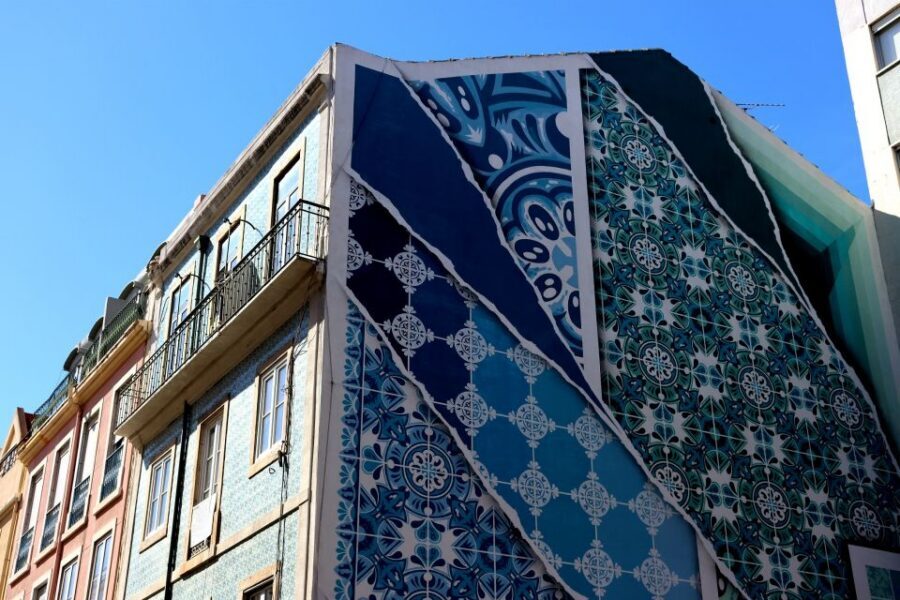
Here’s the practical breakdown:
Included:
- Guide
- Local taxes and fees
Not included:
- Meals and drinks
- Hotel pickup and drop-off
So, you’re responsible for getting to the meeting point at Miradouro da Graça. That’s normal for walking tours, but it’s worth planning. The upside is you start where the best views begin, without losing time in transit.
Who this is best for
This is ideal if you:
- Like street art and want more than just a photo stop
- Enjoy city history and want it tied to real locations
- Prefer small-group tours (up to 8)
- Want Lisbon neighborhoods beyond the most obvious highlights
It also works for people who aren’t “art people” in the usual sense, because the guide’s storytelling connects art to what’s happening in everyday life.
Who should skip it
It’s not suitable for people with mobility impairments, since it involves walking through hilly, uneven streets and viewpoint areas.
Tips to make it easier on your body and your photos
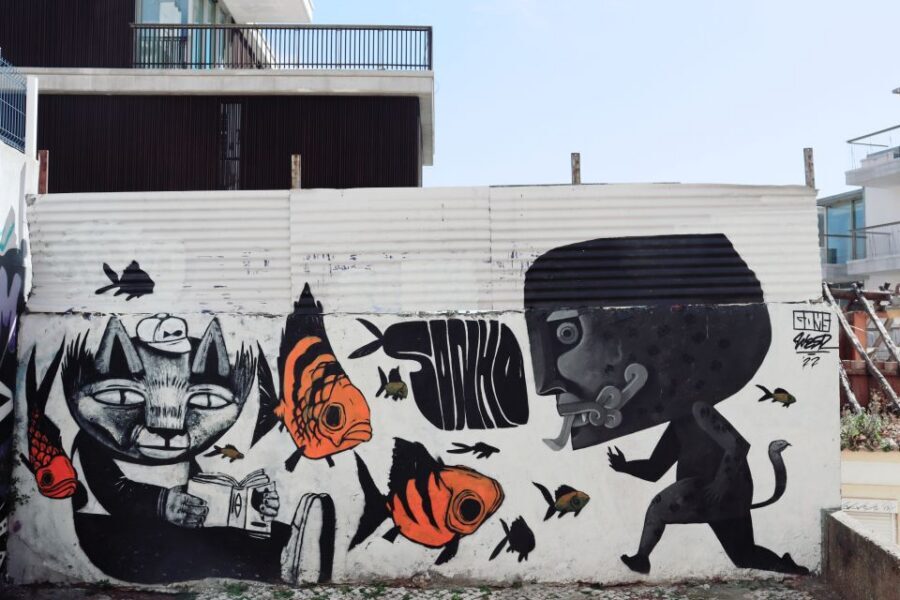
- Wear comfortable shoes. The route includes uneven streets and cobbles.
- Bring a camera, but also bring patience. Some of the best moments aren’t the ones you can frame instantly.
- Expect crowds at major lookouts. You’ll still get the payoff, but plan for a bit of sharing space.
Also, since meals aren’t included, eat before you start or plan for something afterward. A 3-hour walk plus sightseeing can quietly turn into a hungry one.
Should you book Lisbon: Street Art and Historical Walking Tour?
If you want Lisbon in layers—views, neighborhoods, street art, and history—this is an excellent match. The price is reasonable for a small-group, guided 3-hour walk that includes interpretation and multiple districts. The most praised parts are the guides’ depth in explaining the art and the extra care with safety and pacing, which is exactly what you want when you’re wandering through real streets.
I’d book it if you enjoy walking tours and you like your Lisbon slightly off the main track. Skip it if you need easy mobility access or you’re only looking for short, low-effort sightseeing.
FAQ
How long is the Lisbon street art walking tour?
It lasts 3 hours.
What’s the group size for this tour?
The group is limited to 8 participants.
What language is the tour guide?
The tour includes a live guide in English.
Where do I meet the tour?
Meet by the church at Miradouro Sophia de Mello Breyner Andresen, also known as Miradouro da Graça (Calçada da Graça, 1100-265 Lisboa, Portugal).
What should I wear or bring?
Wear comfortable walking shoes.
Is hotel pickup and drop-off included?
No, hotel pickup and drop-off are not included.
Are meals and drinks included?
No, meals and drinks are not included.
What neighborhoods and sights does the tour include?
You’ll cover Graça, Mouraria, and Alfama, plus lookouts such as Miradouro da Graça and Miradouro Portas do Sol, and you’ll also see São Jorge Castle area context.
Which street artists might I see referenced during the tour?
The tour highlights works associated with Vhils, Nomen, Odeith, and Gonçalo Mar.
Is the tour suitable for people with mobility impairments?
No, it is not suitable for people with mobility impairments.
Is free cancellation available?
Yes, you can cancel up to 24 hours in advance for a full refund.