REVIEW · LISBON
Lisbon: Portuguese street food cooking class with Drinks
Book on GetYourGuide →Operated by Compadre Cooking School · Bookable on GetYourGuide
That’s not just a cooking class.
It’s a hands-on, English-taught evening (2 hours) where you make classic Portuguese street snacks and then eat them together with wine and a sweet finish of ginja. I especially like the lineup: you don’t get stuck in pastry-tour territory—you work on dishes like bifana and caldo verde, plus peixinhos da horta, the dish that inspired tempura. One thing to keep in mind: this is an active kitchen, so if you prefer lots of slow, detailed lecturing before you touch food, the pace may feel a bit fast.
The best part is how practical it all feels. You cook side by side with others, with expert chefs guiding the process, and you leave with recipes simple enough to recreate at home. I also like that you’re not only learning technique—you hear the stories behind each dish and why it shows up in everyday Portuguese life. The possible drawback is that the experience is designed for standing and working at your station; it isn’t set up for wheelchair users.
In This Review
- Key Highlights You’ll Feel Immediately
- Entering Compadre Cooking School Kitchen: What the Setting Means
- The Two-Hour Game Plan: From Stories to Shared Meal
- Bifana: The Pork Sandwich You’ll Want to Recreate
- Caldo Verde: Comfort Food With Collard Greens Soup Energy
- Peixinhos da Horta: The Tempura Origin Story You Actually Hear
- How the Chef Guidance Works (and Why You’ll Learn Faster)
- Wine, Ginja, and the Ending That Makes It Feel Like Lisbon
- Price and Value: Does $55 Make Sense for 2 Hours?
- Practical Tips That Keep the Experience Smooth
- Who This Class Is Best For (and Who Might Skip It)
- Should You Book This Lisbon Street Food Cooking Class?
- FAQ
- How long is the cooking class?
- Where do I meet for the class?
- Is the instruction offered in English?
- Do I need prior cooking experience?
- What’s included in the price?
- Can the class adapt recipes for dietary restrictions?
- Is there free cancellation?
Key Highlights You’ll Feel Immediately
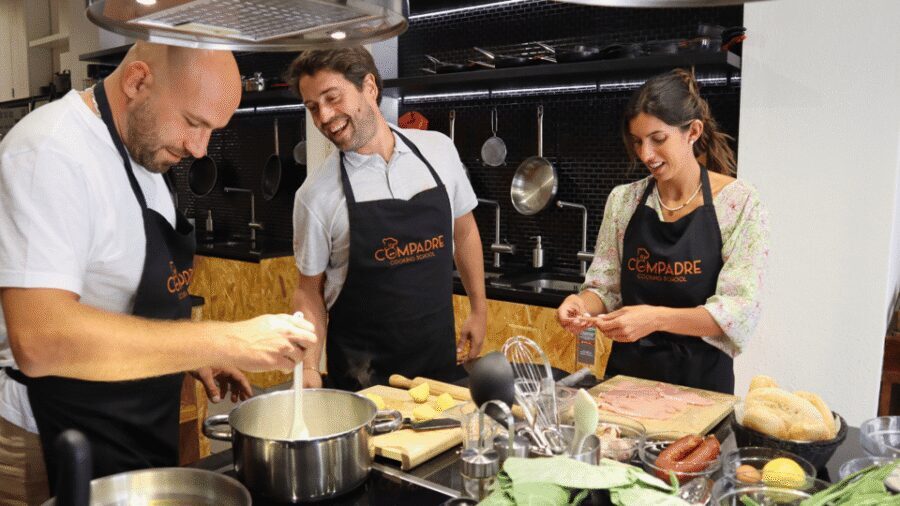
- Bifana + Caldo Verde + Peixinhos da Horta: street food classics with real cultural context
- Hands-on cooking at shared stations with an English-speaking chef team
- History you can use, not trivia dumps: where these dishes fit in Portuguese daily life
- Meal included: you eat what you cook as a group
- Wine and ginja: the class ends like a proper Lisbon snack stop
Entering Compadre Cooking School Kitchen: What the Setting Means
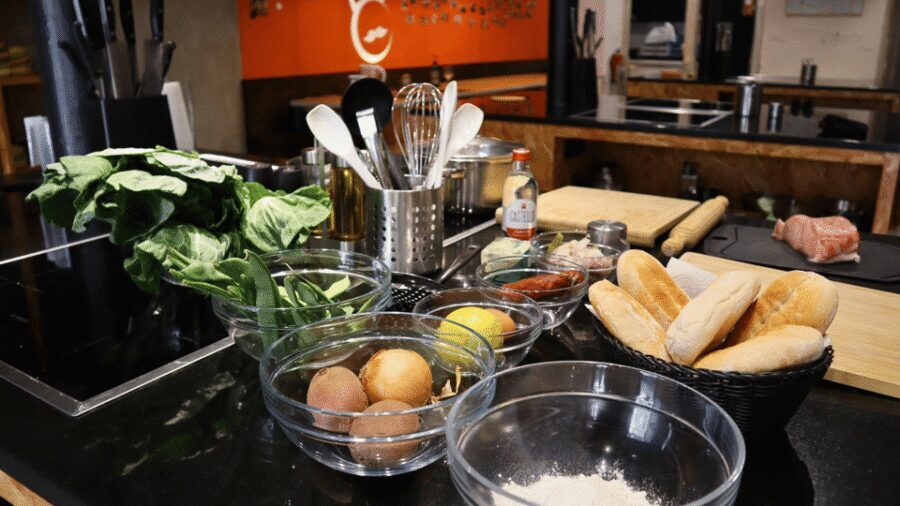
This class takes place at the Compadre Cooking School kitchen, and that matters more than you might think. A kitchen studio setup usually means you can cook comfortably—clean work areas, clear station flow, and enough space to actually participate. You’ll want comfortable shoes because you’ll be on your feet and moving around while you prep, cook, and assemble.
The tone is also very welcoming. You’re not expected to have any prior experience—no need to already know your way around a cutting board or stovetop. Still, arrive about 5 minutes early so you can settle in without rushing the first steps.
You can also read our reviews of more food & drink experiences in Lisbon



The Two-Hour Game Plan: From Stories to Shared Meal
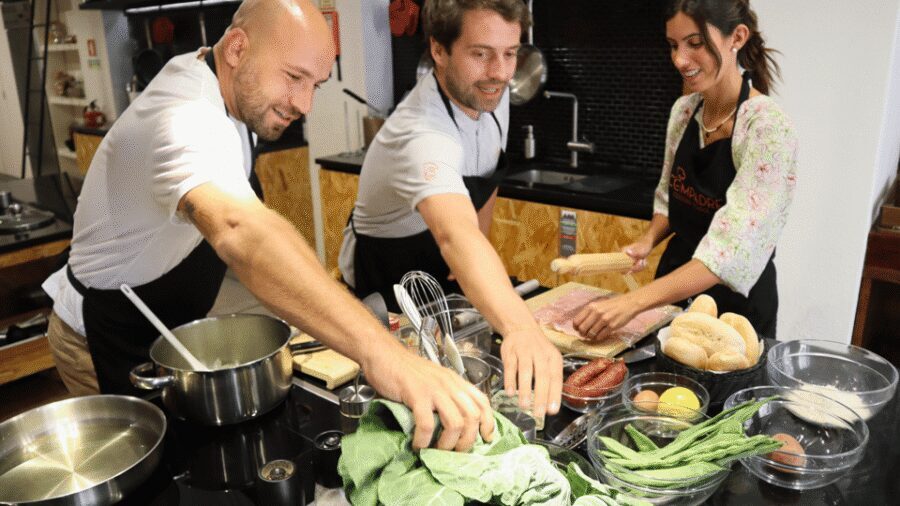
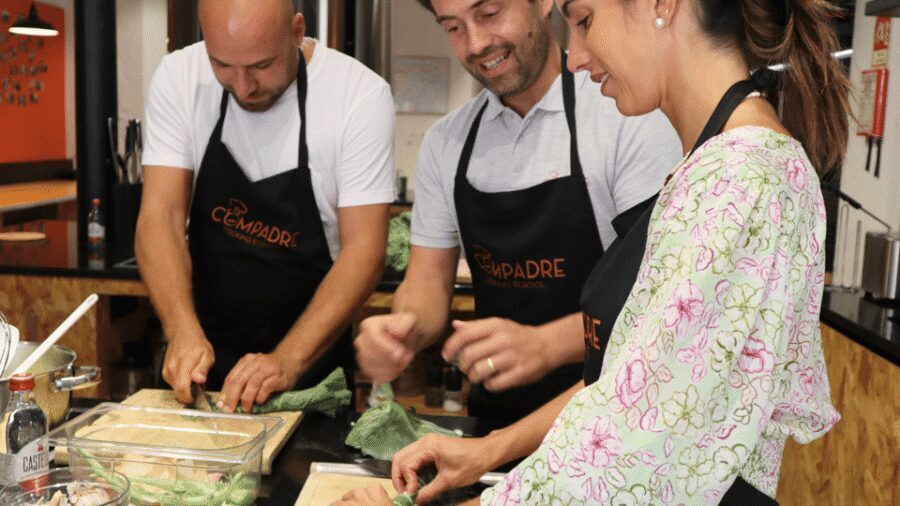
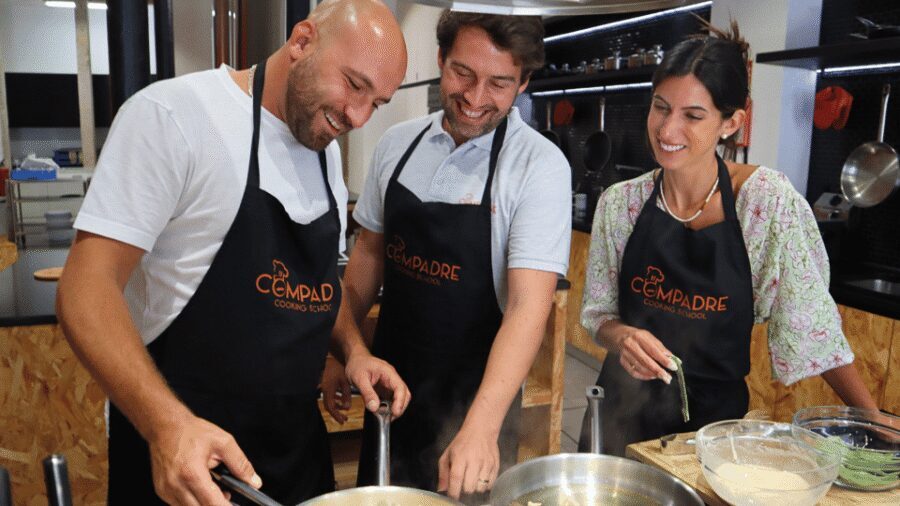
The schedule is built around two moods: learning and doing. First, you get a short intro to the dishes—where they come from, why they matter locally, and how they show up in snack culture and festivals across Portugal. Then you switch gears into cooking, working with other participants under chef guidance.
After that, you sit down and eat. This isn’t a “cook and watch” format. You’ll gather at the table to enjoy the dishes you prepared together—an important part of the value because it turns skills into a real meal, not just practice.
Bifana: The Pork Sandwich You’ll Want to Recreate
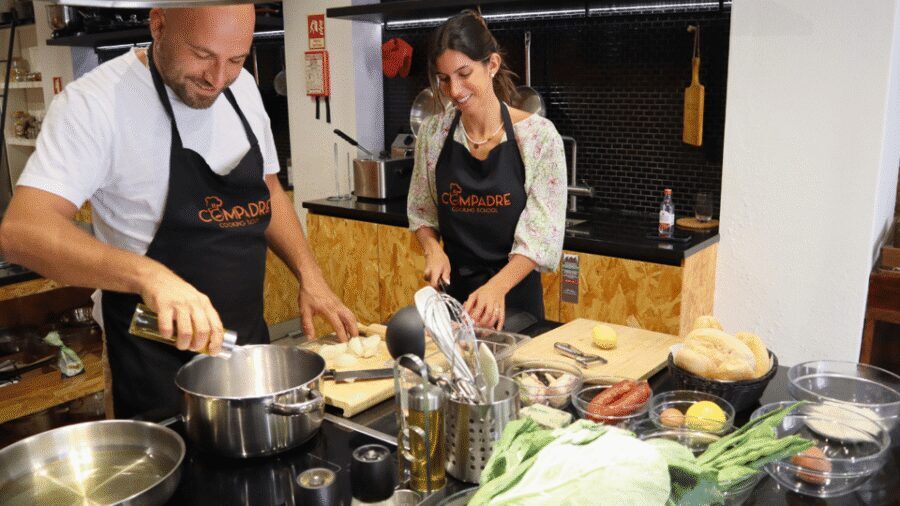
Bifana is one of those Portuguese foods that feels both everyday and special at the same time. In this class, you learn how to prepare the famous pork sandwich, guided by the chef while you work at your station alongside the group. That matters for confidence: you’re not just sampling it—you’re learning the steps that let you make something similar at home.
What I like most about including bifana in a street food class is how it teaches the idea of quick, flavorful convenience. You’ll also get the story side of the equation, so the sandwich isn’t treated like random “street food”—it’s framed as part of daily life and local tradition.
Caldo Verde: Comfort Food With Collard Greens Soup Energy
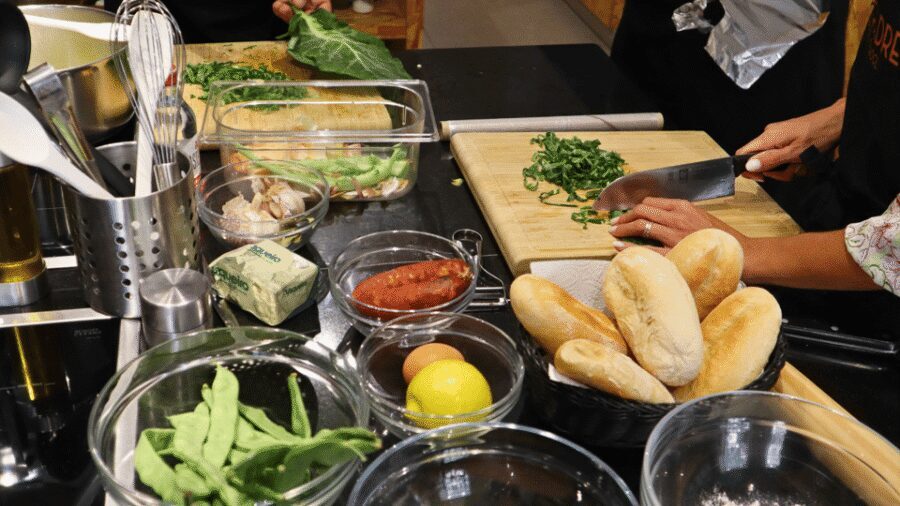
Next up is caldo verde, the traditional collard greens soup that shows up across Portugal. You’ll learn how to make it in the same hands-on way—chef support, ingredients provided, and you participating in the process rather than standing off to the side.
Caldo verde is also a great dish for understanding Portuguese cooking logic: simple parts, clear flavors, and something that feels right whether you’re eating it for comfort or for a shared meal. In a class like this, it’s a useful skill because it’s both approachable and deeply representative. You’ll taste your work at the end, which is where you learn whether the small details click for you.
Peixinhos da Horta: The Tempura Origin Story You Actually Hear
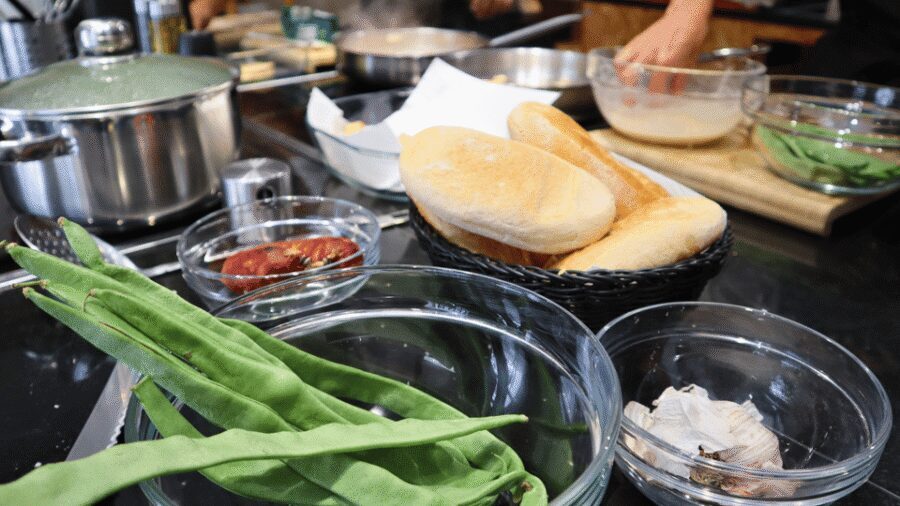
One of the coolest choices in the menu is peixinhos da horta. You’re not just making a Portuguese snack—you’re learning about its connection to the world-famous tempura style. The class treats this dish as a story with reach, showing how local tradition can influence food far beyond Portugal.
It also helps you broaden your “street food” picture. If your mental model of Portuguese food is only a handful of famous items, this is the moment that expands it. You’ll cook it with the group, then share it as part of the final meal.
You can also read our reviews of more tours and experiences in Lisbon





How the Chef Guidance Works (and Why You’ll Learn Faster)
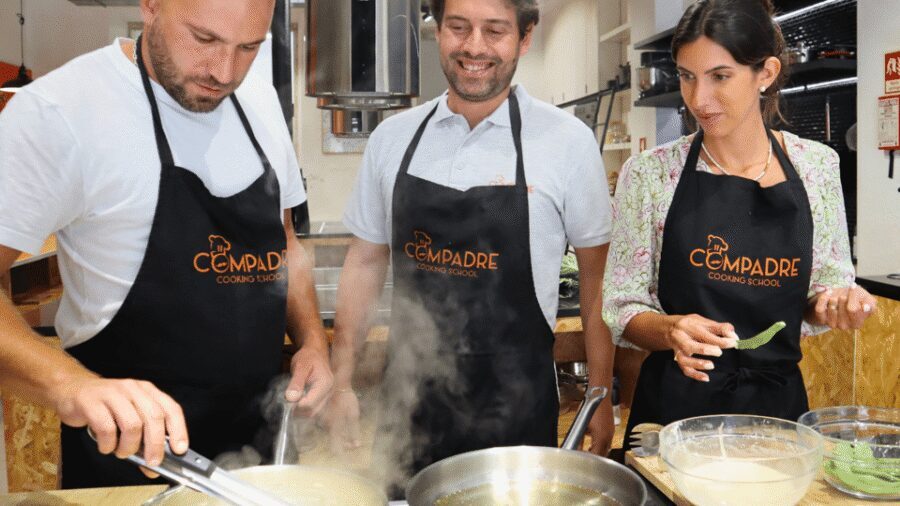
The class is led by expert chefs, and the structure is designed so you keep moving. You’re working in stations, cooking alongside fellow participants, and getting guidance as you go. That’s usually the fastest path to actually learning a recipe: you see the reason behind the step, then you do it yourself immediately.
The instructor team is English-speaking, which helps if your Portuguese is limited. Based on past classes at this school, you may work with instructors such as Marta and Anna, and in some sessions Roy or Martha are listed among the teaching staff. Regardless of which chef is leading your group, you should expect clear direction and a practical approach focused on getting you to finish strong—not just to start.
Wine, Ginja, and the Ending That Makes It Feel Like Lisbon
Food classes often end with a snack. This one ends like a proper Lisbon stop. You’ll get a glass of wine—red or white—during the meal portion, and the experience finishes with a taste of ginja, a traditional Portuguese cherry liqueur.
This is more than “extra.” Wine and ginja turn the cooking outcome into a complete evening. You’re sharing dishes you made, tasting them together, and then finishing with a local favorite that fits the street-food vibe of casual, social eating.
Price and Value: Does $55 Make Sense for 2 Hours?
At $55 per person for 2 hours, the value depends on what you want from the experience. If you’re looking for a quick tasting, this might feel like a stretch. But if you want to leave with hands-on skills and a full meal, this pricing is more reasonable.
Here’s why it feels like a fair deal: the class includes chef guidance, all cooking ingredients, the wine glass, the shared meal of the prepared dishes, and the ginja tasting. You’re not paying just for instruction—you’re paying for a complete food experience where you actually cook and then sit down to eat.
Also, the recipes are presented as simple enough to recreate at home. Even if you only successfully repeat one dish later, that’s still a win for your money.
Practical Tips That Keep the Experience Smooth
Keep it simple. Wear comfortable clothing and comfortable shoes suitable for cooking, and don’t plan to show up right at the start time. You’ll be more relaxed if you arrive about 5 minutes early to get settled.
Also note the rules: smoking is not allowed, and the class prohibits alcohol and drugs beyond what’s provided (so don’t plan to bring extra drinks). If you have dietary needs, contact the operator ahead of time—the recipes can be adapted for specific diets.
Finally, plan on an active format. You’ll be hands-on through most of the class, which is great for learning. If you’re someone who gets stressed when multitasking at a stove, take a deep breath and let the chef guide you step by step.
Who This Class Is Best For (and Who Might Skip It)
This is a strong fit if you love Portuguese food and want more than a museum-style lesson. You’ll enjoy it if you’re the type who likes to eat what you learn, and if you’re curious about street dishes with clear cultural stories. The fact that you don’t need prior cooking experience makes it especially approachable.
It’s also a good social option because the shared meal gives you an instant reason to chat. You’ll work side by side with others, then sit together and enjoy the results.
Two groups should be cautious. If you rely on wheelchair access, this class is not suitable. And if you prefer slower, more lecture-heavy learning, remember it’s built for cooking, not just watching.
Should You Book This Lisbon Street Food Cooking Class?
I’d book this if you want a genuinely practical taste of Portuguese cooking culture in just two hours. The combination of bifana, caldo verde, and peixinhos da horta gives you variety, and the ending with wine plus ginja makes it feel complete. The class also gives you a better chance of cooking something later at home because it focuses on dishes you can realistically recreate.
Skip it if you only want a light snack experience, or if you need full wheelchair accessibility, since the format isn’t set up for that. If you fall somewhere in the middle—curious, hungry, and open to getting your hands a little dirty—this is a solid use of your time in Lisbon.
FAQ
How long is the cooking class?
It lasts 2 hours.
Where do I meet for the class?
You meet at the Compadre Cooking School kitchen.
Is the instruction offered in English?
Yes, the instructor speaks English.
Do I need prior cooking experience?
No prior cooking experience is needed.
What’s included in the price?
The price includes expert chef guidance, all cooking ingredients, a glass of wine (red or white), ginja tasting, and a shared meal of the dishes you prepare.
Can the class adapt recipes for dietary restrictions?
If you have specific dietary needs, you can contact the operator and they can adapt the recipes.
Is there free cancellation?
Yes—free cancellation is available up to 24 hours in advance for a full refund.