REVIEW · LISBON
Lisbon Market and Food Tour with Cooking Class and Lunch
Book on Viator →Operated by Cooking Lisbon · Bookable on Viator
Fresh fish, hot pans, fast friends.
This Lisbon food tour pairs a market visit with a hands-on Portuguese cooking class, ending in a proper lunch you eat right away. It runs in English with a small group cap of 12, so you’re not stuck watching from the edge.
I love the shopping-first approach because you’re choosing ingredients at the market right before you cook. I also love the payoff: you sit down to eat what you made with Portuguese wines and snacks along the way.
One thing to consider: the cooking is built around fish and meat as well as dessert, so plan ahead if you avoid seafood or meat. If you have allergies, you can tell the team so they can adapt the class.
In This Review
- Key points before you go
- From Rua Bernardim Ribeiro to a working kitchen in Lisbon
- Market walk: where Lisbon food starts
- A quick reality check
- Hands-on Portuguese cooking: technique over guessing
- Wine and snacks keep the energy up
- What you’ll cook: a sample menu and what it teaches
- The fish dish, meat dish, dessert reality
- Lunch at the end: you earn it
- Guides and chefs: the human ingredient
- Price and value in plain terms
- Who this fits best (and who should think twice)
- Practical tips so your day feels smooth
- Should you book the Lisbon market and cooking class with lunch?
- FAQ
- What time does the tour start?
- Where do I meet the group?
- How long is the experience?
- How big is the group?
- Is it offered in English?
- What will I eat during the lunch?
- Are drinks included?
- Can the class be adapted for food allergies?
- Is the meeting point near public transportation?
- What is the cancellation policy?
Key points before you go
- Small-group size (up to 12) means real hands-on time in the kitchen
- Market shopping for fresh fish and shellfish is the secret sauce here
- Traditional fish course, meat course, and dessert teaches more than one dish
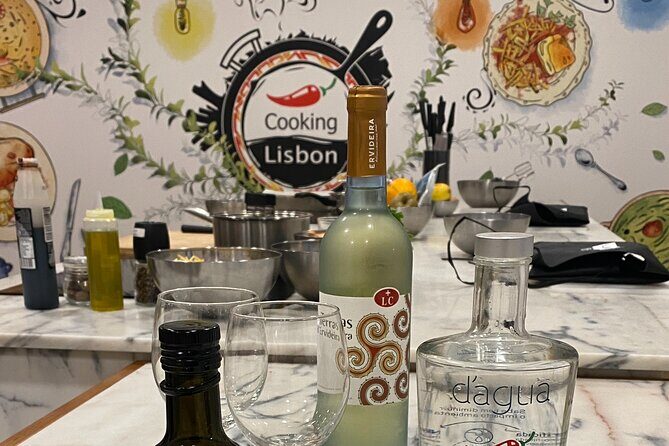
- Wine and drinks are part of the experience as you cook and eat
- Tasting stops at the market make the tour feel like more than just ingredients
From Rua Bernardim Ribeiro to a working kitchen in Lisbon
The day starts at R. Bernardim Ribeiro 9 at 9:30 am, and you end back near the same spot. It’s set up like a smooth half-day plan: meet your chef/instructor, do a short walk to the market, then return to cook and eat. For a city day, it’s also a nice change of pace from wandering hills and waiting in lines.
The small group size (max 12 travelers) is a big deal. In a cooking class, that number affects everything: how much chopping you actually do, how often you get help, and whether you feel comfortable asking questions. You’ll be cooking, not just sampling.
In my view, the best part is the flow from buying to cooking. Markets can be loud and crowded, but you’re there with a mission. Then you get to translate what you see and smell into real technique—filleting, shucking, seasoning, and assembling dishes.
You can also read our reviews of more food & drink experiences in Lisbon


Market walk: where Lisbon food starts
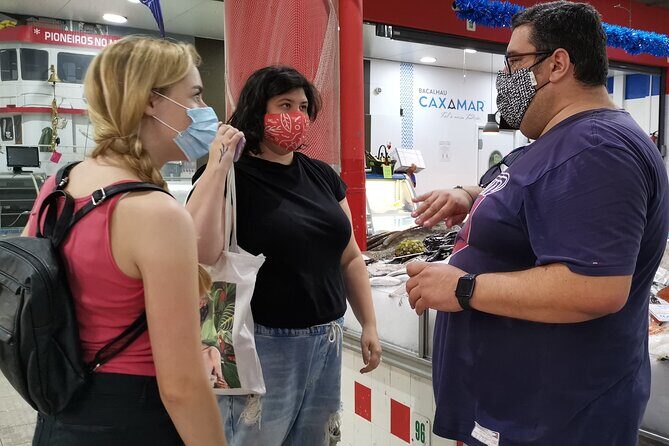
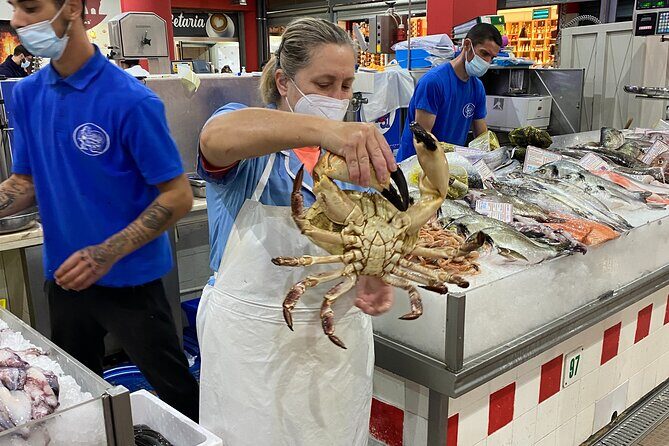
You head into the market with your chef/instructor, and you’ll spend real time looking at color, freshness, and variety. This is especially true for fish and shellfish, which is a huge part of Portuguese eating. You can expect to see a lot of seafood options and fresh produce, and that’s what sets this tour apart from the typical quick photo-stop food tour.
What makes the market time useful for you is that you’re not just browsing. You’re learning how Portuguese cooks think about ingredients: what looks best, how different cuts work in a dish, and how the day’s selection affects the menu. If you’ve ever wondered why a great meal tastes so good, this is the first clue.
A few extra touches can show up during the market portion. Some classes include bread and cheese tasting, and you may also try things like oysters or other seafood samples depending on the day’s menu. Even if you only taste a little, it helps your palate understand what you’ll cook later.
A quick reality check
Markets mean walking on uneven surfaces and being close to stalls. If you hate crowds, you might feel a little squeezed. But the upside is that the market part stays short enough to keep the day moving, and it’s guided so you don’t feel lost.
Hands-on Portuguese cooking: technique over guessing
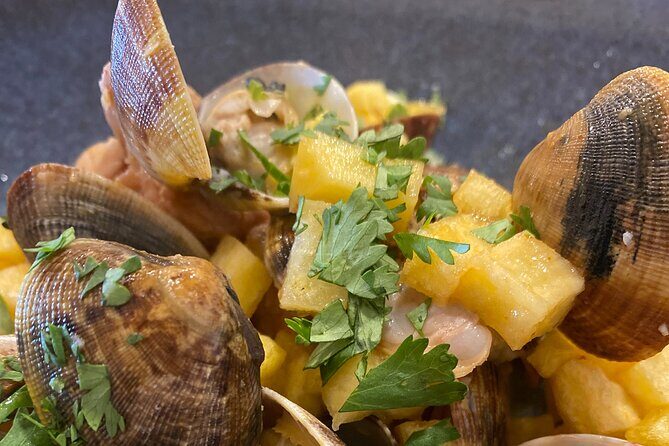
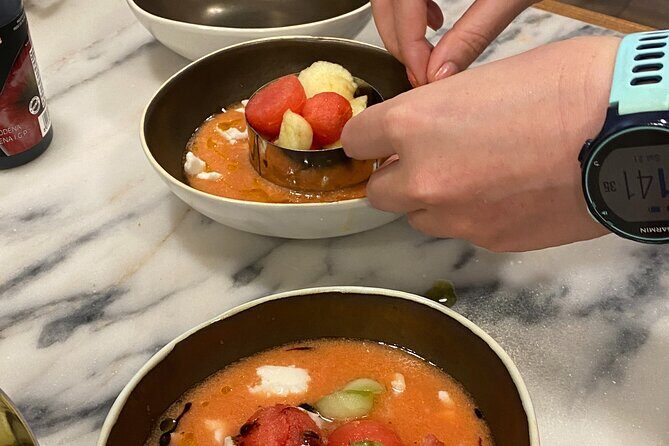
Back at the cooking facility, you switch from shopping mode to work mode. This part is hands-on, and the kitchen setup is described as a fully equipped working space. That matters because the class isn’t just a demo. You’ll be chopping, mixing, and cooking in a kitchen built for real food prep.
Portuguese cooking is built on technique and timing, not complicated gadgetry. In classes like this, the instruction often includes skills such as filleting fish and even shucking oysters. Even if you’re not a natural at knives, you’ll get guidance step-by-step.
You’ll also learn how multiple dishes come together in one meal. The format is designed around a traditional Portuguese set: a fish dish, a meat dish, and a dessert. That structure gives you more than a single recipe. It helps you understand how flavors and textures change from course to course.
One more practical benefit: you’re usually not dealing with the chaos of a home kitchen while learning. Commercial kitchens have the tools where you need them, so you can focus on what the instructor is teaching rather than improvising equipment.
Wine and snacks keep the energy up
Cooking takes longer than you think when you’re learning new steps. The class typically includes Portuguese wines, plus drinks like water and juice. That keeps the mood relaxed while you cook, and it also makes it easier to enjoy the moment instead of rushing to finish.
You can also read our reviews of more tours and experiences in Lisbon






What you’ll cook: a sample menu and what it teaches
The sample menu gives a clear picture of the style of food. You might start with Peixinhos da Horta, Portuguese tempura-style fritters. These are perfect for learning how batter and frying work—because the end result depends on heat control and texture.
For the main, the sample menu highlights Seafood Cataplana. Cataplana is a Portuguese signature method and flavor profile—think aromatic seafood cooked with a closed vessel style, where steam and seasoning stay locked in. This is a great dish for understanding why Portuguese seafood meals taste so rounded and not flat.
Dessert in the sample is an Orange roll from the Algarve. Even if citrus desserts aren’t your thing, this course helps you understand how Portugal balances seafood-heavy meals with something bright and sweet.
The fish dish, meat dish, dessert reality
Even though the sample leans seafood-forward, the overall format is described as including a meat course too. Your exact menu can vary by day, ingredient availability, and the chef running the class. That flexibility is a real advantage in a market-based experience because you’re cooking what’s fresh.
Lunch at the end: you earn it
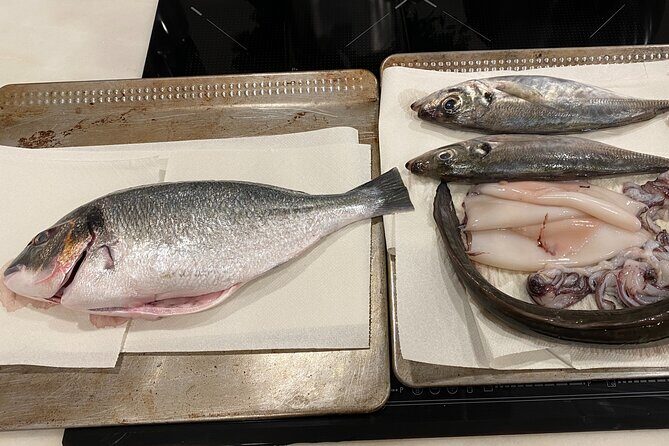
The best food-tour moment is when the cooking work turns into a table full of plates. In this experience, you finish by eating together with your foodie group and your instructor, which turns the class into a full meal experience rather than a quick snack.
Portuguese wines are part of the lunch. You’ll taste what you cooked while the flavors are still connected to the learning steps you just did. It’s also a social payoff: small groups make it easier to chat, laugh, and share questions with the chef rather than feeling like you’re intruding.
If you want to take Lisbon flavor home, this is where it sticks. When you taste a dish and remember the exact technique—heat, seasoning, timing—it becomes easier to repeat later.
Guides and chefs: the human ingredient
One of the reasons this tour scores so highly is the energy from the kitchen lead. The instructors can vary by day, and names you might encounter include Renata, Philipa, Pedro, Paulo, Pablo, Roberta, Carina, and others. Regardless of the name, the common thread is clear: they guide you through steps with patience, and they make the room feel friendly instead of stiff.
That matters for you if you’re a nervous cook. The class format supports beginners, because the goal is learning and eating, not proving skills. You’ll still work, but you won’t be left to figure it out alone.
Price and value in plain terms
At $141.50 per person for about 4 hours, this isn’t a cheap add-on—and that’s exactly why it feels worth it. You’re paying for three things at once: guided market shopping, a hands-on cooking lesson, and a sit-down lunch with wine and drinks.
For me, the value hinges on whether you want more than a tasting. If you want to actually cook—chop, fry, assemble, and learn techniques—this price can make sense. If you just want to eat casually and move on, you might get more satisfaction from a pure tasting tour.
You also get a small-group cap of 12 travelers, which helps justify the cost. In a larger group, people often don’t get much hands-on time. Here, you’re more likely to stay involved.
Who this fits best (and who should think twice)
This is a strong choice if:
- you’re a food-first traveler who wants real recipes rather than just samples
- you want to learn techniques like fish prep and seafood cooking
- you like group dining and don’t mind spending a chunk of your morning on cooking
Think twice if:
- you avoid seafood and meat, since the course structure includes both
- you don’t like walking through markets or you’re very sensitive to crowds
- you’re short on time and need a quick, low-effort activity
If you have food allergies, tell the team. The class is set up to adapt based on allergy information, which is a big practical advantage when you book ahead.
Practical tips so your day feels smooth
- Arrive hungry. You’ll do market walking and cooking, and the lunch is the payoff.
- Wear comfy shoes. Market surfaces can be uneven, and you’ll be on your feet.
- Go in with curiosity. Ask why the chef chooses certain ingredients; that’s where the learning happens.
- Share allergies early. If you need adaptations, it’s best to be clear before cooking starts.
- Plan for half a day. It’s listed at about 4 hours, but cooking takes time when you’re learning.
One more tip: Portugal is big on markets, and seafood is a huge part of Lisbon eating. Even if you don’t eat seafood at home, the skills you learn here can translate into other dishes and ingredients.
Should you book the Lisbon market and cooking class with lunch?
Yes, if you want an experience that turns Lisbon food culture into something you can taste and reproduce. The market-to-kitchen setup is the key strength, and the small group size helps you learn instead of just watch.
Book it especially if you care about fresh ingredients, hands-on technique, and a real lunch with Portuguese wine. The only real reason not to is diet: if seafood and meat are off-limits for you, this class may not match what you can or want to cook.
If you do book, treat it like a serious fun morning. Bring your appetite, wear good shoes, and let the chef lead you through Lisbon’s flavors one course at a time.
FAQ
What time does the tour start?
It starts at 9:30 am.
Where do I meet the group?
The meeting point is R. Bernardim Ribeiro 9, 1150-068 Lisboa, Portugal.
How long is the experience?
It lasts about 4 hours.
How big is the group?
This experience has a maximum of 12 travelers.
Is it offered in English?
Yes, it is offered in English.
What will I eat during the lunch?
You’ll eat what you prepare in a Portuguese-style meal that includes a fish dish, a meat dish, and dessert. A sample menu includes Peixinhos da Horta, Seafood Cataplana, and Orange roll from the Algarve.
Are drinks included?
The experience includes Portuguese wines with the meal, and drinks like water and juice are available during the experience.
Can the class be adapted for food allergies?
Yes. You can tell the operator your food allergies so the class can be adapted.
Is the meeting point near public transportation?
Yes, it is listed as near public transportation.
What is the cancellation policy?
Cancellation is free up to 24 hours before the experience start time for a full refund.