REVIEW · LISBON
Lisbon Jewish Heritage and History – Private Tour Van
Book on Viator →Operated by Essência da Latitude Turismo Lda · Bookable on Viator
Lisbon tells its Jewish story in stone. This private 4-hour van-and-walk tour strings together Sephardic Renaissance ideas, crypto-Judaism, and Inquisition-era memory to streets you can still see today. I love the undivided attention from a private guide who can tailor explanations as you go, and I love that the mix of viewpoints and museum stops makes the whole timeline easier to grasp. One catch: the tour does not include synagogue visits, so if that’s a priority, you’ll need to plan that separately.
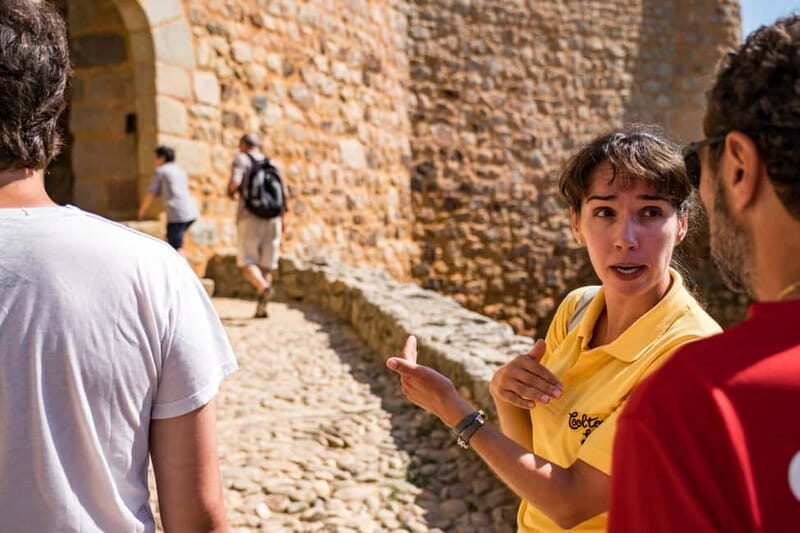
What makes this feel practical is the setup. Pickup is offered from central Lisbon hotels, the Lisbon cruise terminal, or Lisbon Airport, and you ride in an air-conditioned mini van with a full-time driver/guide—helpful when Lisbon roads turn steep and curvy fast. Guides such as Daniel, Diogo, and Vasco come up often for teaching-style storytelling, clear answers in English, and calm confidence driving the hills.
Do plan on some walking, especially in Alfama, where the floor can be uneven. Also note the museum timing: Carmo Archaeological Museum is closed on Sundays, and the Money Museum is closed on Mondays and Tuesdays. If you’re traveling on those days, ask what can be substituted.
In This Review
- Key highlights you’ll care about
- How the private van tour works across Lisbon’s Jewish footprints
- Miradouro Da Senhora Do Monte: starting high for the big picture
- Alfama’s UNESCO streets and the visible traces of Jewish presence
- Baixa de Lisboa: Small Jerusalem, the 1755 earthquake, and centuries of secrecy
- Money Museum walls, medieval clues, and the “smallest quarter” walk
- Chiado to Rossio Square: families, the Inquisition, and a Jewish Memorial
- Carmo Archaeological Museum: seeing Jewish artifacts from the 14th–15th centuries
- Price and value: what $187.53 per person buys in Lisbon time
- Who this Lisbon Jewish Heritage private tour fits best
- Should you book? My take on the yes/no decision
- FAQ
- How long is the Lisbon Jewish Heritage and History private van tour?
- Is pickup included, and where does it happen?
- Is this a private tour or a shared group tour?
- What language is the tour offered in?
- Does the tour include synagogue visits?
- Which museums are included, and are they always open?
- Is food included during the tour?
- What if I’m late to the start time?
Key highlights you’ll care about
- Private guide pacing: undivided attention as you move from hilltop views down into older quarters
- Alfama UNESCO focus: narrow streets and physical traces of Jewish presence in one of Lisbon’s oldest districts
- “Small Jerusalem” aftermath: downtown clues tied to the 1755 earthquake and the layout of earlier ghetto life
- Inquisition + memorial context: Rossio Square and Largo de Sao Domingos are part of the story, not a side note
- Museum value: Carmo Archaeological Museum includes admission, and Money Museum adds a themed stop about medieval wall history
- Comfort on the move: air-conditioned mini van, fresh water, and luggage transport (up to 4 medium suitcases)
How the private van tour works across Lisbon’s Jewish footprints
This is a true private tour, meaning your group is the only group in the vehicle. You’ll meet your guide at your hotel (or at the appropriate pickup point if you’re arriving by cruise or flight), then start moving right away. Expect a set start time tied to your voucher, and if you’re delayed more than 30 minutes, it counts as a no-show—so treat the pickup like an appointment, not a suggestion.
The route is designed to do two things at once: cover big-picture history and still let you “see” it on the ground. You’ll bounce between viewpoints, street-level neighborhoods, and two museum stops. That’s a smart format in Lisbon, because getting between old districts by public transit can be slow and hilly.
Comfort details matter here. You’ll be in an air-conditioned mini van with a full-time driver/guide, and the tour includes fresh water plus limited luggage transport (up to four medium suitcases). Dress smart casual, and wear comfortable shoes—because Alfama’s streets can be uneven.
You can also read our reviews of more private tours in Lisbon



Miradouro Da Senhora Do Monte: starting high for the big picture
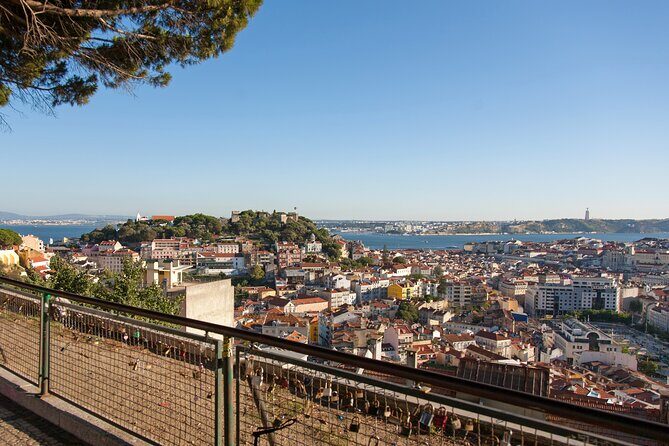
You begin at Miradouro Da Senhora Do Monte, a hilltop viewpoint that helps you get your bearings fast. From up here, you can look over older neighborhoods, monuments, and the colored walls and rooftops that make Lisbon instantly recognizable. The key is that the view isn’t just for photos—it’s used to explain how Lisbon changed over time and where Jewish quarters fit into that evolution.
This stop is tied to the long Sephardic influence described on the tour: Jews in Lisbon developed a distinct identity, and during the Renaissance the community is presented as part of a sophisticated society that included intellectuals, mathematicians, and cabalists. Even if you don’t know those terms yet, the guide’s job at this point is to give you a mental map before you start walking the older streets below.
Time-wise, it’s about 20 minutes, and there’s no admission ticket for this viewpoint. My practical tip: keep your camera ready, but also listen first. If you start snapping photos immediately, you’ll miss the guide’s orientation clues that make the later stops click.
Alfama’s UNESCO streets and the visible traces of Jewish presence
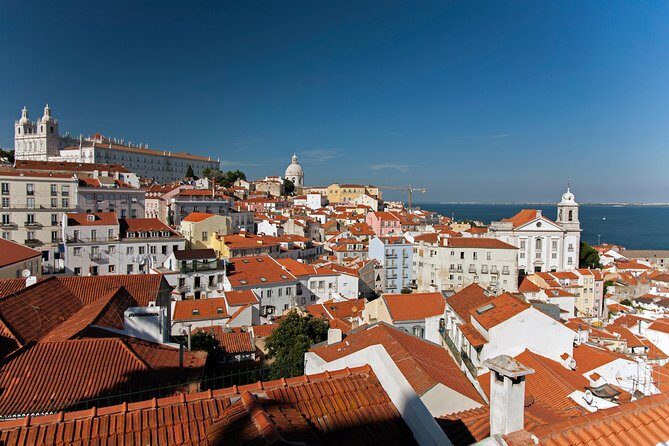
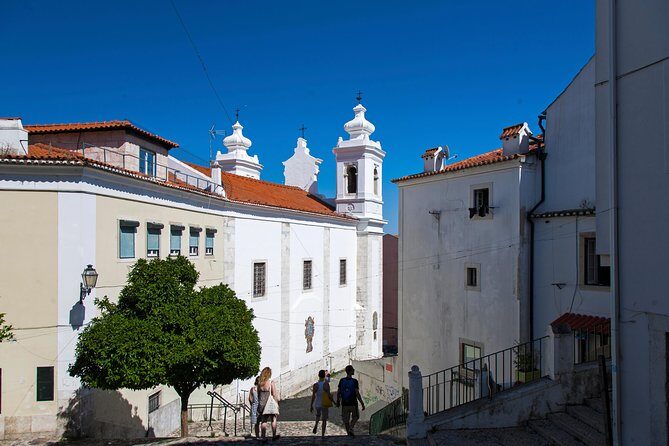
After the hilltop start, you move into Alfama—described as Lisbon’s oldest district and also UNESCO-listed in the tour’s framing. Alfama is where the tone shifts from “history lesson” to “history you can trip over.” Narrow streets, old buildings, and street corners shaped by centuries of daily life make the past feel less abstract.
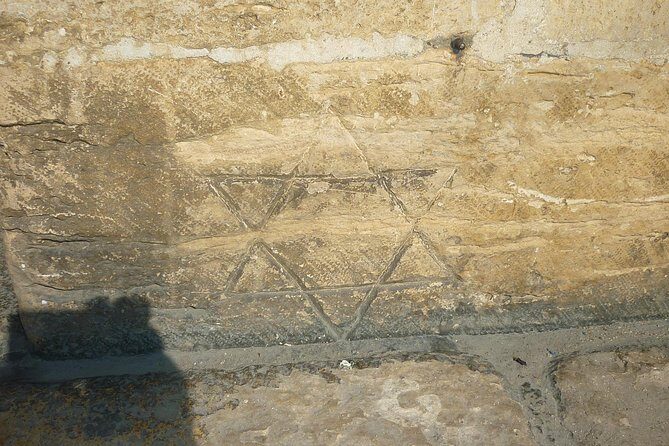
The focus here is that physical signs of Jewish presence can still be found. That doesn’t mean you’ll spot one obvious marker on every corner. Instead, the guide uses the neighborhood itself—its layout, age, and feel—to explain how Jewish culture “blossomed for centuries” and helped shape Lisbon’s development.
Expect walking time of about 45 minutes. The tour notes that the floor can be uneven in Alfama, and that it’s not recommended for travelers with mobility issues. If you have balance limits, bring supportive shoes and go slowly—this is not a sprint between stops.
If you love history but hate getting lost, Alfama is the reason this tour works. The private van helps you reposition, and the guide helps you read what you’re seeing instead of guessing.
Baixa de Lisboa: Small Jerusalem, the 1755 earthquake, and centuries of secrecy
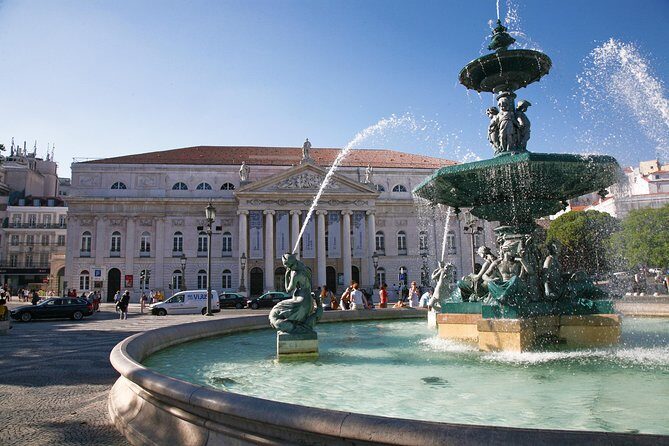
Next comes downtown, in the area tied to what the tour calls Small Jerusalem. This is the part of Lisbon’s story where the scale becomes harder to imagine unless someone points it out for you. The tour frames this quarter as the largest Jewish quarter in Europe before the 1755 earthquake devastated it, leaving remnants you can still follow today.
You’ll walk and learn in a way that keeps the timeline moving. The guide ties Lisbon’s Jewish presence to major turning points: forced destruction by the earthquake, then centuries that included crypto-Judaism becoming part of Portuguese identity. The tour describes Jews practicing their faith in secret for centuries, and you’ll hear how that secrecy shaped daily life.
There’s also a 20th-century thread. The tour includes Lisbon’s role during World War II, when it served as a sanctuary for European Jews trying to escape the Holocaust. That part is important because it stops the story from feeling stuck in medieval times. Lisbon’s past doesn’t stay politely in the past.
Time on this stop is around 30 minutes. Admission isn’t the point here—the street-level clues are. My advice: slow down and let the guide connect the dots. In Baixa, it’s easy to walk through and miss the story unless someone is narrating the timeline as you go.
Money Museum walls, medieval clues, and the “smallest quarter” walk
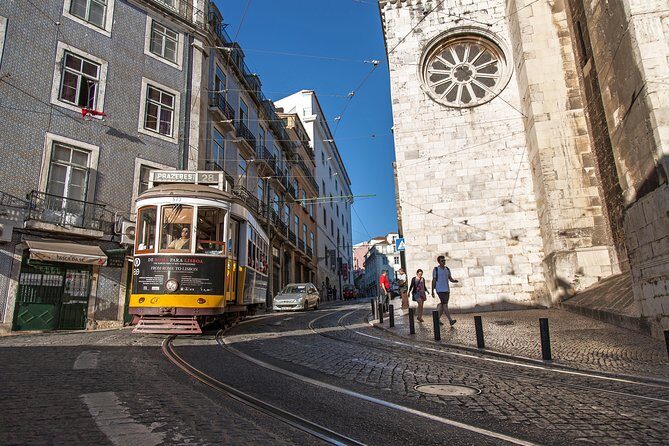
Lisbon’s Jewish story isn’t only about streets and synagogues. One of the more unusual stops is Museu do Dinheiro, the Money Museum, which is built around a medieval wall described as holding 1000 years of secrets.
That’s the magic here: money and architecture become historical evidence. Your guide uses the museum setting to explain how the community’s presence connects to the physical city—walls, boundaries, and what those leftover structures can tell you about earlier life.
This stop runs about 30 minutes. After the museum time, you’ll walk through the area that once housed the smallest Jewish quarter, turning the stop into a bridge between objects in a museum room and the idea of daily life nearby.
If you prefer your history in artifacts and building blocks, this stop is a strong payoff. If you only want grand monuments, it may feel smaller in scale—but it’s still meaningful because it brings the story down to concrete details.
One practical note: the Money Museum is closed on Mondays and Tuesdays, so if your dates land there, your itinerary could need to shift.
You can also read our reviews of more historical tours in Lisbon





Chiado to Rossio Square: families, the Inquisition, and a Jewish Memorial
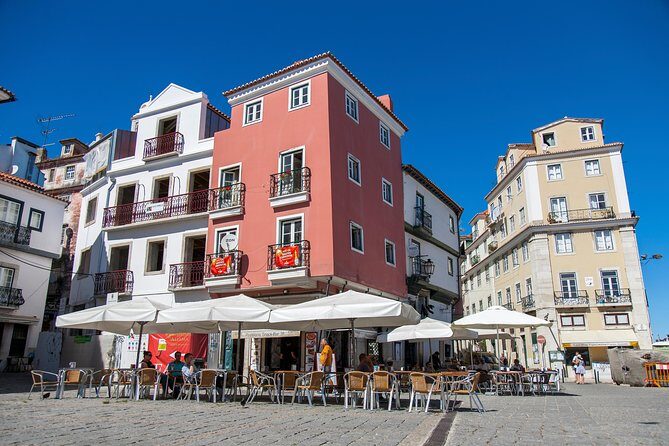
Chiado is the next stop, with about 30 minutes allotted. Here, the tour focuses on influential Jewish families connected to the Portuguese Kingdom. Chiado is a district that mixes old and modern in a way that can make history feel layered rather than linear. The guide’s job is to anchor you, so the stories of prominent families don’t turn into name-dropping.
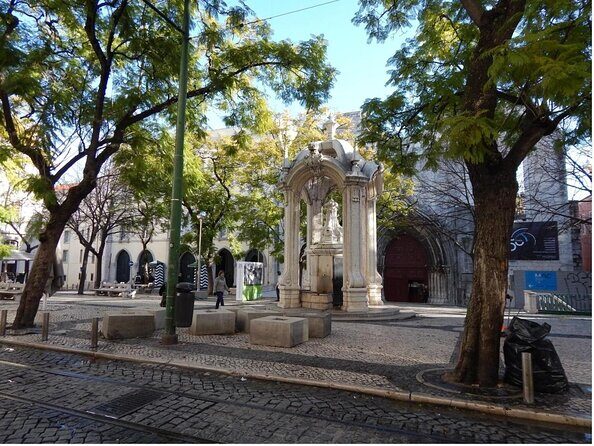
Then you head to Largo de Sao Domingos at Rossio Square, again around 30 minutes. This is where the emotional temperature changes. The tour highlights the dark history of the Portuguese Inquisition and explains the events that led to the establishment of a Jewish Memorial in this area.
This is one of the best places on the route for learning how Lisbon remembers. You’re not just hearing dates—you’re standing near a memorial created because of what happened. The private guide helps connect the Inquisition context back to the earlier parts of the day, including why secrecy and survival mattered in later centuries.
For me, this segment is a reminder that place-based history works best when it includes discomfort. That’s not a complaint—it’s the point. Lisbon’s Jewish heritage includes both creativity and coercion, and this part of the tour doesn’t pretend otherwise.
Carmo Archaeological Museum: seeing Jewish artifacts from the 14th–15th centuries
The final stop is Museu Arqueologico do Carmo, part 14th–15th century museum time and part archaeological connection to earlier Jewish life. You’ll see old Jewish archaeological finds, and the guide uses the museum to explain everyday life and spiritual practices.
This is included in the tour with admission, and it’s about 40 minutes. Compared with the street stops, this is where the narrative becomes more tangible. If you’ve been walking and listening all afternoon, museum time can feel like a slowdown—until you see how the guide uses artifacts to tie back to what you learned earlier.
Carmo Museum is closed on Sundays, so on a Sunday trip this stop may be unavailable. If you’re traveling on a Sunday, check alternatives ahead of time so you don’t end up with a day that feels incomplete.
Price and value: what $187.53 per person buys in Lisbon time
At $187.53 per person for about 4 hours, this isn’t a “grab-and-go” cheap add-on. But in Lisbon, the cost can make sense if you look at what’s bundled:
- Private van transportation with a full-time driver/guide
- Pickup from central Lisbon hotels, the cruise terminal, or Lisbon Airport
- Entrance fees to two museums
- Luggage transport for up to four medium suitcases
- Fresh water during the tour
That set of inclusions can offset the hidden costs of doing this alone—taxis between districts, the mental load of figuring out where the key street-level clues are, and buying separate museum admissions on top of it all.
Also, there’s a practical timing advantage. The tour is often booked about 63 days in advance, which suggests people plan it as a “day one or day two” anchor experience. I’d do the same. If you book early, you have more choice on start times, and you can build the rest of your Lisbon schedule around what you learn here.
Finally, there are group discounts available, so if you’re traveling with people you trust (family or friends), you’ll likely feel better about the per-person price when you split up the value of a private guide.
Who this Lisbon Jewish Heritage private tour fits best
This tour fits you well if:
- You want a private guide to explain Jewish Lisbon across many centuries, not just point at buildings
- You like the mix of viewpoints, old quarters, and museum artifacts
- You care about the full story, including crypto-Judaism and the Inquisition era
- You want transport handled for you while you still do the walking that makes Lisbon real
You might want to rethink it if:
- You strongly want a synagogue visit as part of the official tour
- Mobility is an issue due to walking around Alfama’s uneven streets
- Your dates include museum closures (Carmo on Sundays, Money Museum on Mondays and Tuesdays)
A detail worth knowing: the tour does not include any synagogue visit. There are two synagogues in Lisbon, one Sephardic with limited visit options and another Reform community with regular visits that have become unfeasible. So you can still experience synagogue culture in Lisbon, just not through this specific program’s stops.
Should you book? My take on the yes/no decision
I’d book this tour if you want a guided path through Lisbon’s Jewish heritage that connects streets, political pressures, and everyday life—without the hassle of planning a route across steep neighborhoods. The private van format plus the mix of Alfama, downtown traces tied to Small Jerusalem, and the museum artifacts at Carmo make it a strong “story day.”
Skip booking only if synagogues are a non-negotiable part of your ideal day, or if uneven walking would be a problem for you. Otherwise, the structure is exactly what Lisbon needs: you get orientation from a hilltop, then you walk the older streets while a guide explains what you’re looking at.
If you can, schedule it earlier in your trip so you know what to look for later. Also, remember that in Portugal from October to March it starts to get dark from 6pm onward—so afternoon time slots matter.
FAQ
How long is the Lisbon Jewish Heritage and History private van tour?
It runs for about 4 hours.
Is pickup included, and where does it happen?
Yes. Pickup is included from central Lisbon hotels, the Lisbon Cruise Terminal, and Lisbon Airport.
Is this a private tour or a shared group tour?
This is a private tour/activity, and only your group participates.
What language is the tour offered in?
The tour is offered in English.
Does the tour include synagogue visits?
No. The tour does not include any visit to a synagogue.
Which museums are included, and are they always open?
Carmo Archaeological Museum admission is included, and the Money Museum is also part of the route. Carmo Museum is closed on Sundays, and the Money Museum is closed on Mondays and Tuesdays.
Is food included during the tour?
No. Food and drinks are not included.
What if I’m late to the start time?
The tour has a set start time. If you delay by more than 30 minutes, it’s considered a no-show.