REVIEW · FATIMA
Lisbon: Fátima & The Shepherd Children Home Self-Guided Tour
Book on GetYourGuide →Operated by Gray Line Portugal · Bookable on GetYourGuide
Fátima feels different when you slow down. This Lisbon-to-Fátima trip lets you explore Aljustrel and the Sanctuary of Our Lady at your own pace, guided by an interactive folder and an audio guide as you move between the main spiritual stops. You get structured time—enough to see the big sights without feeling rushed—while still having freedom to linger where it matters to you.
I especially like two things: first, the way the route connects the shepherds’ lives in Aljustrel to the major sanctuary locations, so the day makes sense. Second, the experience is built around clear, contextual audio in multiple languages, which helps you understand what you’re looking at as you go. One possible drawback is that this is not a live, language-specific guide walking beside you the whole time; you mainly rely on the audio guide, and that can be a mismatch if you were expecting someone to speak your language in person.
You’ll be spending a good chunk of the day outdoors walking between sites, and you should plan for that. Also, the tour is not suitable for wheelchair users, and there’s a clear dress code in place, so check what you’re wearing before you head out.
In This Review
- Key highlights you’ll actually use
- A Self-Guided Fátima Day Trip From Lisbon That Keeps Moving
- Aljustrel: Where the Shepherds’ Homes Feel Close (Even With Only 45 Minutes)
- Sanctuary of Fátima: Your Route Through the Main Sites
- The Chapel of the Apparitions
- The Monument of the Sacred Heart of Jesus
- Basilica of Our Lady of the Rosary of Fátima
- The pilgrim path on your route
- Free time to attend Mass
- Inside the Most Holy Trinity Church and Beyond to the Tall Cross
- How the Audio Guide and Interactive Folder Work (and the Language Reality)
- Transportation and Timing: Why the 6.5 Hours Feels Just Right
- Price and Value: Is $56 Worth It?
- Good Fit for You If You Want Meaning, Not a Marathon Lecture
- Who Should Skip It (or Pick Something Else)
- Should You Book This Lisbon to Fátima Tour?
- FAQ
- Where do I meet for the tour?
- How long is the tour, and how is the time split?
- What’s included in the tour price?
- Do they pick you up from your hotel?
- What languages are available for the audio guide?
- What should I bring and what is not allowed?
- Is the tour wheelchair accessible, and does it run on major holidays?
Key highlights you’ll actually use

- Interactive folder + map that keeps you moving logically through the shrine areas
- Aljustrel houses and the angel’s appearance site, with time to absorb it on your own
- Chapel of the Apparitions and the Monument of the Sacred Heart as major visual stops
- Basilica of Our Lady of the Rosary, including the burial site linked to the seers
- Time to attend Mass (if you want a more reflective stop, this is your chance)
- Audio guide in Spanish, Chinese, English, French, German, Italian, Portuguese
A Self-Guided Fátima Day Trip From Lisbon That Keeps Moving
This is a 6.5-hour, coach-based day trip from central Lisbon to the Fátima area, with a simple rhythm: get transported, explore in self-guided mode, then head back. The transfer takes about 1.5 hours each way, and your on-site time is split between Aljustrel (45 minutes) and the Sanctuary of Fátima (about 2 hours).
What “self-guided” means here is you’re not stuck listening to someone talk the entire time. Instead, you get an interactive folder and audio support so you can look, walk, pause, and understand what you’re seeing in the moment. If you prefer to follow your own curiosity—more quiet moments, fewer lectures—this works well.
The meeting point is Marques de Pombal Square, at the bottom of Park Eduardo VII, for the Cityrama Gray Line. Hotel pickup and drop-off aren’t included, so plan to get yourself to the square on time.
You can also read our reviews of more guided tours in Fatima
Aljustrel: Where the Shepherds’ Homes Feel Close (Even With Only 45 Minutes)
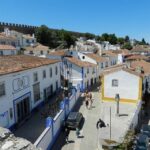
Aljustrel is the part of the story that feels most personal. This is where you visit the houses connected to Francisco and Jacinta Marto, as well as the home of Lúcia de Jesus, plus the place associated with the Angel’s appearance to the shepherd children. The route here is built for you to connect locations to the narrative you hear through the audio and interactive guide.
You get 45 minutes of free time, which sounds short, but it’s enough to see the key spots if you don’t over-plan. My advice: decide your “must-see” first (the houses and the angel-appearance location), then use the rest of your time for wandering and quiet looking. If you try to do everything at the maximum pace, you’ll feel the time pressure.
Dress and comfort matter here because you’ll be walking and standing in an outdoor setting. Bring comfortable shoes and a sun hat, and use your camera if you want photos that capture the mood—not just the buildings.
One extra practical note: on the day, you might come across places selling religious items near the start of the route. I’d handle it with a little common sense—if you’re browsing, compare prices once you’re in the area. One traveler’s takeaway was that prices could vary a lot between stops, so rushing to buy right away isn’t always the best deal.
Sanctuary of Fátima: Your Route Through the Main Sites
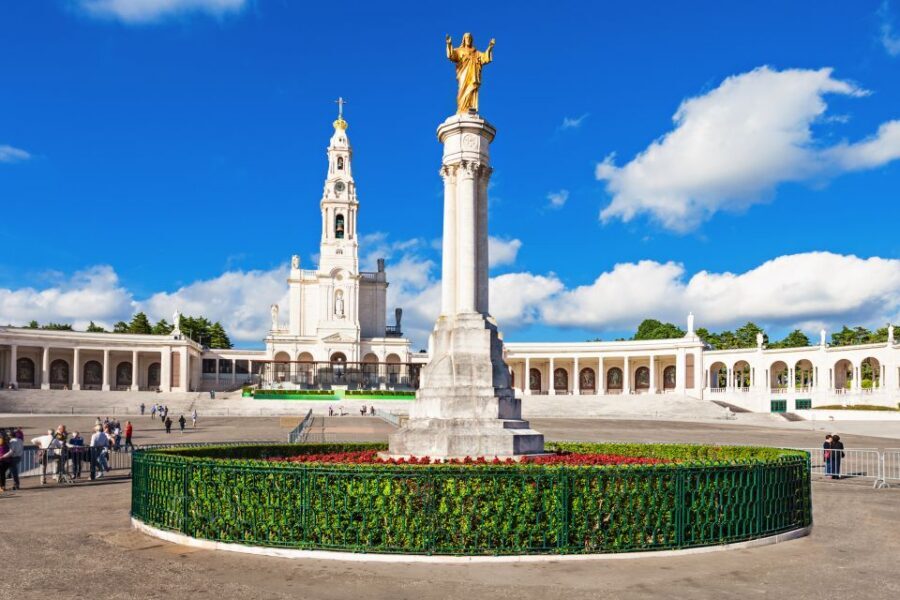
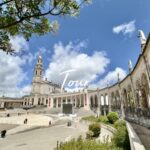
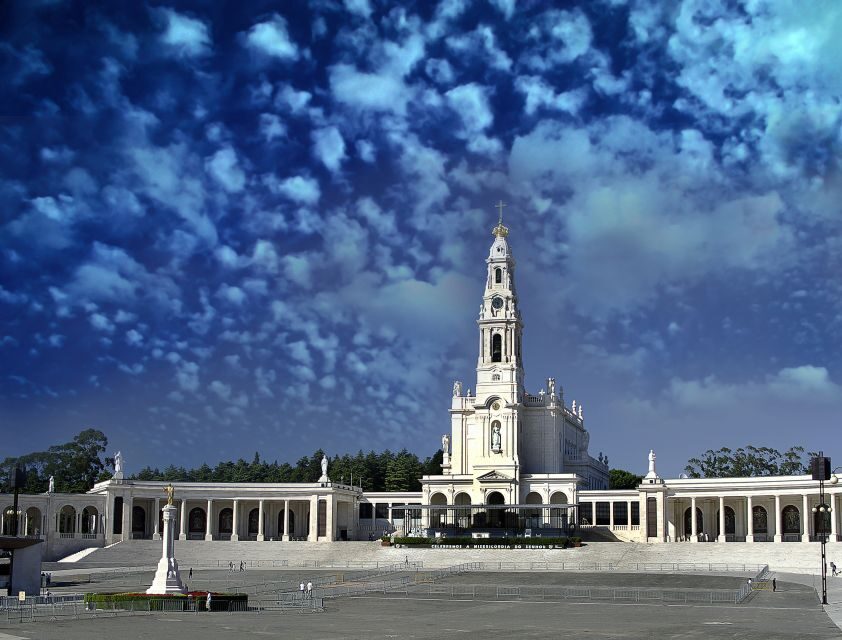
After Aljustrel, you head to the Sanctuary of Fátima for about 2 hours of sightseeing. This is where the day becomes more monumental: wide spaces, major basilicas, and several sites that pilgrims link directly to the events of May 1917.
The Chapel of the Apparitions
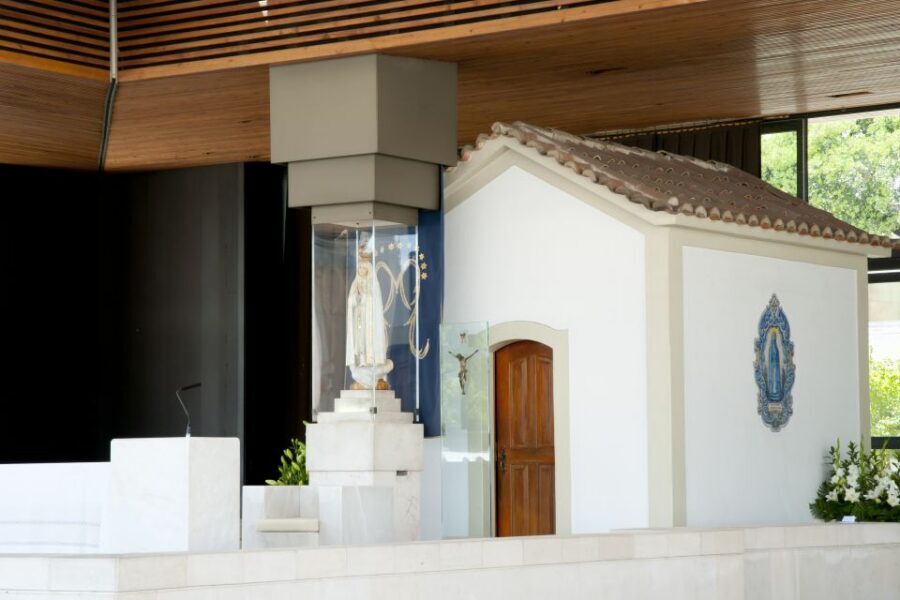
Your first big anchor stop is the Chapel of the Apparitions, built where Our Lady appeared to the three shepherd children in May 1917. This is one of those places where your understanding gets stronger the more you connect the dots from earlier locations. If you came for the story, this is where the story “locks in.”
The Monument of the Sacred Heart of Jesus
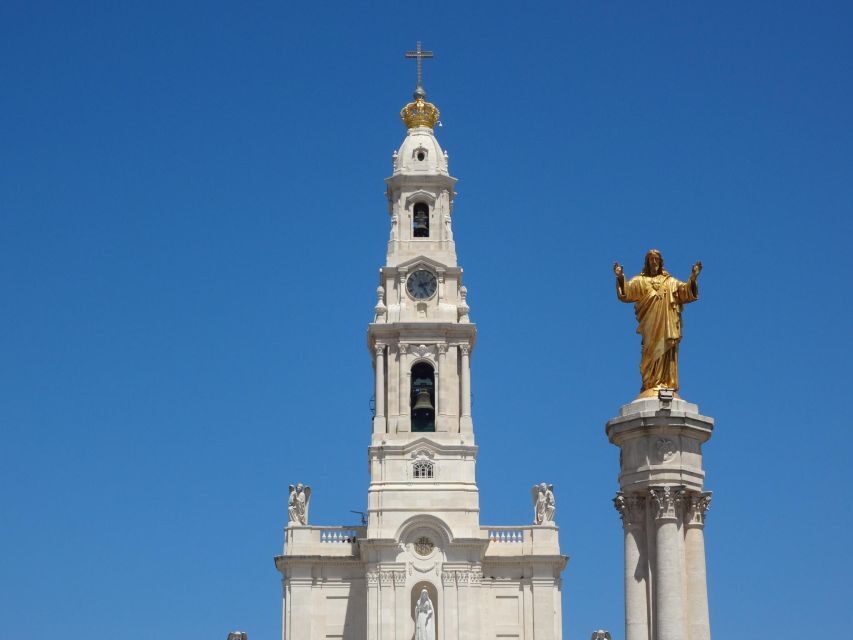
Next, you’ll see the Monument of the Sacred Heart of Jesus in the center of the sanctuary. It’s designed to represent the central position Jesus plays in the message. Even if you’re not deep into symbolism, the placement helps you understand why it sits where it does.


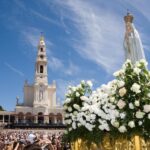
Basilica of Our Lady of the Rosary of Fátima
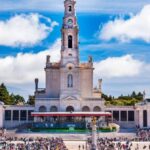
Then it’s on to the Basilica of Our Lady of the Rosary of Fátima. Here, the mortal remains of the seers are buried at the site where the shepherd children were playing before Our Lady appeared. That detail matters because it turns the location from a general viewpoint into something personal and specific.
The pilgrim path on your route
You’ll also be able to see the path that pilgrims take on their knees to pay for their promises. If you’re not participating, at least watch how people approach it—this isn’t just architecture and signage; it’s built for repeated ritual movement. Even a quick look can help you understand why the sanctuary draws visitors year after year.
Free time to attend Mass
You also have free time to attend Mass. If you want a quieter, more spiritual rhythm, this is a smart way to use the limited time at the sanctuary. It’s also a good option if you want something other than walking photos and audio explanations.
Inside the Most Holy Trinity Church and Beyond to the Tall Cross
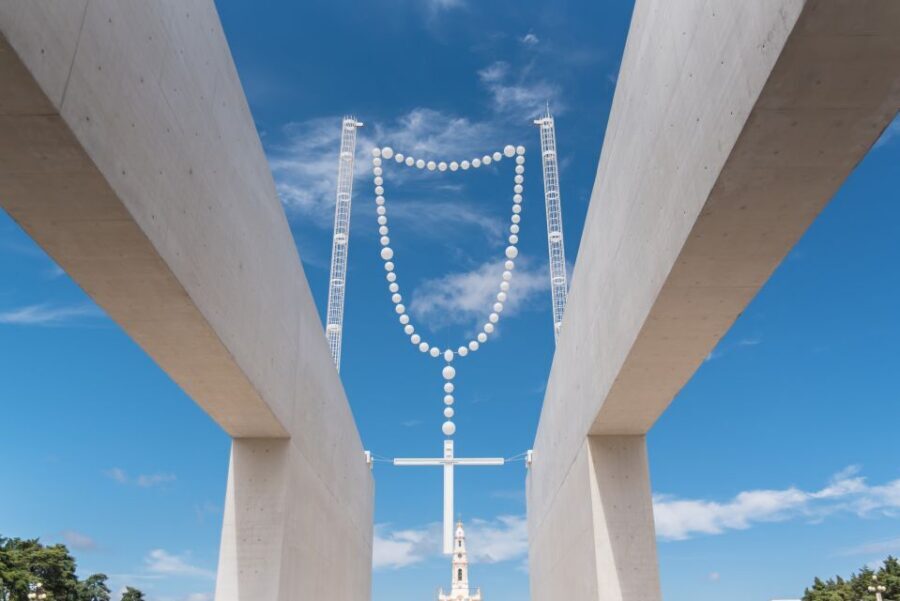
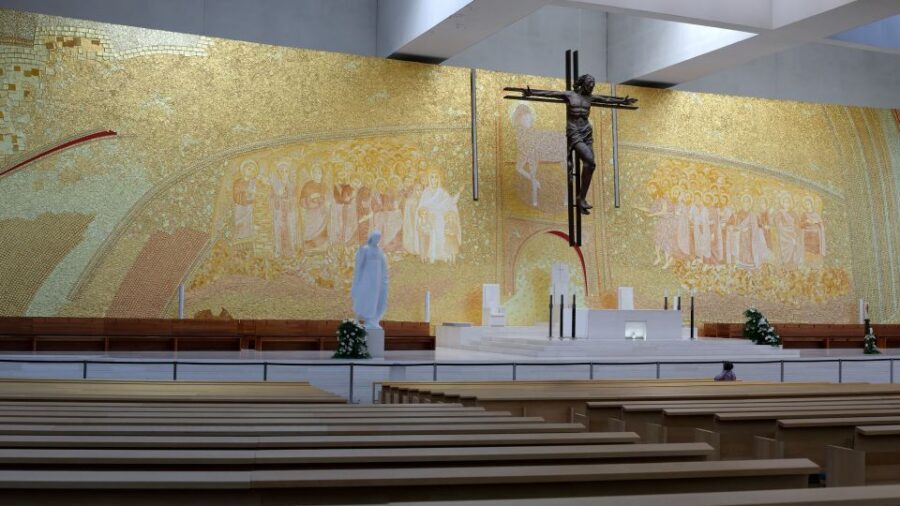
You don’t just stop at the biggest outdoor areas. Part of the sanctuary visit includes the Church of the Most Holy Trinity, designed by the architect Alexandros Tombazis to celebrate the 90th anniversary of the apparitions. This kind of anniversary-focused design gives you a sense that the story didn’t fade after the initial events—it kept shaping the place over time.
Finally, you’ll see the Tall Cross, erected in 2007 in the grounds of the Santissima Trindade Church. It’s the sort of landmark that helps you orient yourself and also gives the day a modern, visible punctuation point.
Because you’re in the sanctuary for about 2 hours, it helps to move with intention: enjoy the inside moments, but don’t let one photo stop you from reaching every key site.
How the Audio Guide and Interactive Folder Work (and the Language Reality)
This tour includes an audio guide in Spanish, Chinese, English, French, German, Italian, Portuguese, plus an interactive folder, plus a map. The goal is straightforward: give you enough context to understand what you’re seeing without needing a live lecturer.
In practice, this approach works best when you’re comfortable with audio-based touring. It’s great for you if you like to control the pace—pause when something catches your eye, walk on when you’re ready, and keep moving without waiting for a group explanation.
Here’s the balance to keep in mind: some travelers expected an in-person, language-specific guide but found they were mostly receiving audio and basic timing help. In at least one case, Italian wasn’t handled by staff in person, and the audio guide content was judged as limited by the traveler. That doesn’t mean it will happen to you, but it is worth knowing the format: you’re primarily touring with audio, not a full guided narration throughout.
If you pick a language, make sure it’s the one you’ll actually listen to. If you need live interpretation, this isn’t the best match.
Transportation and Timing: Why the 6.5 Hours Feels Just Right

You’re on a coach for about 1.5 hours to get from Lisbon to the Fátima region, then about 1.5 hours back. That leaves your day with a clear “window” for exploration: 45 minutes in Aljustrel and roughly 2 hours at the sanctuary.
That pacing is useful because it keeps you from burning the whole day in transit. It also means you’re unlikely to feel stuck at one stop for so long that the others blur together.
The main thing to watch is physical tempo. With 45 minutes at Aljustrel, you’ll want to walk with purpose. With around 2 hours at the sanctuary, you can slow down more, especially if you plan your inside/outside stops.
Also, you should expect a day with rules. Short skirts, sleeveless shirts, and pets are not allowed, so pack what fits the place. Think modest and comfortable rather than outfit-first.
Price and Value: Is $56 Worth It?
At about $56 per person, the value depends on what you want from the day.
You’re paying for more than transportation. The included items are meaningful: transportation by coach, an interactive guide, a map, an information folder, and an audio guide in multiple languages. So even though you’re not getting a live guide for every minute, you are getting structured interpretation and a route plan that helps you use your time well.
Where the price can feel less fair is if you were hoping for a fully guided experience in your language and not just audio support. If you end up treating it mainly as a transfer day with minimal narration, you might feel like you could do something cheaper or more flexible.
One traveler summed up the day’s tempo as feeling properly timed for each location—exactly what you want for a short trip that has spiritual stops but limited hours.
Good Fit for You If You Want Meaning, Not a Marathon Lecture
This tour suits you if you like the idea of connecting sites in order and understanding the story as you walk. It’s a strong fit if you want:
- A self-guided pace with an audio layer you can rely on
- Time at key shrine sites without planning every turn yourself
- The option for Mass during the sanctuary visit
- A day trip that stays focused on Fátima, not a “see everything” Portugal sprint
It’s also a good match if you’re traveling with someone who wants different paces. One person can pause longer for reflection while the other keeps moving and uses the audio guide to catch up.
And yes, the staff experience can matter. People have mentioned guides like Dorita and Elsa being friendly and helpful, with staff providing the info you need to move around smoothly. Add that to a reliable driver, and the day runs calmer.
Who Should Skip It (or Pick Something Else)
Skip this trip if you need wheelchair accessibility—it’s listed as not suitable for wheelchair users.
Also consider skipping if you need true in-person, language-specific interpretation. Because the tour relies on an audio guide and an interactive folder, it may not meet your expectations if your priority is a live conversation in your language.
Finally, if you dislike walking and standing outdoors for extended stretches, you might find the time limits frustrating. Bring the basics—comfortable shoes and a sun hat—because the day asks you to move.
Should You Book This Lisbon to Fátima Tour?
I think this is a good booking if you want a structured day with freedom inside the structure. The combination of coach transport, an interactive folder, and an audio guide makes it easy to follow the route and understand the main sites without hiring a private guide.
Book it if you:
- Want to visit Aljustrel and the big sanctuary landmarks in a single day
- Are okay with an audio-guided format
- Can follow a modest dress code and handle steady walking
Consider a different option if you:
- Expect a live, in-person guide speaking your language the whole time
- Need wheelchair access
- Want a long, slow visit to just one place
If you’re traveling for the story and the sites—not just the bus ride—this is a solid, focused way to do Fátima.
FAQ
Where do I meet for the tour?
You meet at Marques de Pombal Square, at the bottom of Park Eduardo VII, for Cityrama Gray Line.
How long is the tour, and how is the time split?
The tour lasts about 6.5 hours. You spend about 1.5 hours traveling each way by coach, have 45 minutes in Aljustrel, and about 2 hours sightseeing in Fátima.
What’s included in the tour price?
It includes transportation, an interactive guide, an information folder, a map, and an audio guide.
Do they pick you up from your hotel?
No. Hotel pick-up and drop-off aren’t included.
What languages are available for the audio guide?
The audio guide is available in Spanish, Chinese, English, French, German, Italian, and Portuguese.
What should I bring and what is not allowed?
Bring comfortable shoes, a sun hat, and a camera. Pets aren’t allowed, and short skirts and sleeveless shirts are not allowed.
Is the tour wheelchair accessible, and does it run on major holidays?
The tour is not suitable for wheelchair users. It also does not operate on December 25th and January 1st.