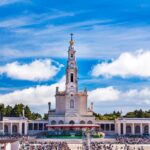
REVIEW · FATIMA
Fátima Private Walking Tour
Book on GetYourGuide →Operated by Travmonde OÜ · Bookable on GetYourGuide
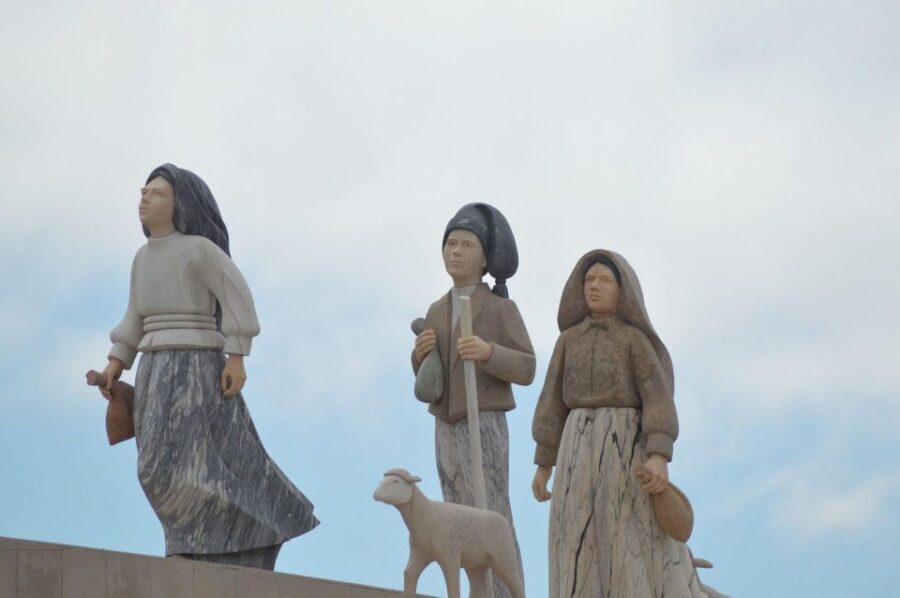
Fátima can feel personal fast. This private walking tour brings you right to the Chapel of the Apparitions and ties the 1917 story to what you see today. I love that you get a local pro guide for just your group, and I also love that the tour focuses on the human side of the accounts through the shepherd children: Lúcia dos Santos, Francisco Marto, and Jacinta.
The main drawback to consider: it’s a short 2-hour walk, so if you want to linger for long prayer time or explore at your own pace without interpretation, you may feel a bit rushed.
In This Review
- Key Points Worth Marking on Your Map
- Why Fátima Feels Different From Other Religious Stops
- Starting at the Sanctuary of Our Lady of Fátima (Your “Now vs. Then” Anchor)
- Chapel of the Apparitions: Where the Story Becomes Concrete
- The 1917 Apparitions and the Three Shepherd Children
- The Miracle of the Sun: What You’re Actually Being Asked to Consider
- Two Basilicas, One Big Sanctuary Mood
- Learning How to Pray at Fátima (Without Pretending Everyone Thinks the Same)
- Private Group Value: What $279 Buys You
- What Makes a 2-Hour Walk Work (and When You Might Need More Time)
- Who This Tour Suits Best
- Should You Book This Fátima Private Walking Tour?
- FAQ
- What is the duration of the Fátima Private Walking Tour?
- Where does the tour meet?
- How many people can be in a private group?
- What language is the live guide?
- What is included in the tour price?
- Are entrance fees included?
- Can the tour be customized?
- Is the tour private?
- What’s the cancellation policy?
- Can I reserve without paying right away?
Key Points Worth Marking on Your Map
- Chapel of the Apparitions is the focal stop, built where the story says the apparitions began.
- 1917 dates and names are handled clearly, including Lúcia dos Santos, Francisco Marto, and Jacinta.
- The Miracle of the Sun is explained as a reported phenomenon from Oct 13, 1917.
- Two big basilicas sit on opposite ends of the sanctuary area, framing the modern site.
- Private group experience (up to 15) with a local guide who stays with you the whole time.
- On-the-spot customization is possible, so your guide can adjust the emphasis.
Why Fátima Feels Different From Other Religious Stops
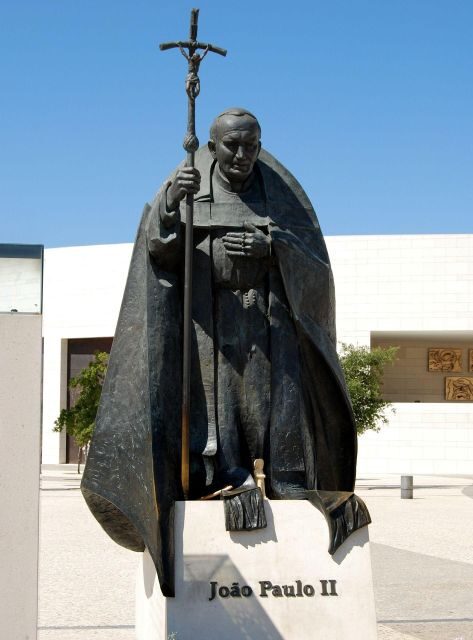
Fátima isn’t just another church-and-castle day. It’s a place that millions visit looking for meaning, healing, and a reset—often with a level of commitment you rarely see anywhere else in Europe. In Portugal, many devotees travel yearly on foot, even for long distances, and some do it on their knees. That kind of devotion shapes the atmosphere around the sanctuary, even if you’re not buying any religious argument.
What makes this tour interesting is that it doesn’t treat Fátima like a museum exhibit. You’re in the exact area connected to the story: the reported place of the apparition and the sanctuary that came later. Even if you’re skeptical, it’s hard not to notice how carefully the site answers one big question: what does faith look like when it becomes a global destination?
I also like that the tour gives you a way to hold the story without forcing a conclusion. The accounts—and the reported miracle—are part of what divides and intrigues people even today, so your guide’s job is to explain the narrative and help you understand why it matters to so many.
You can also read our reviews of more tours and experiences in Fatima.
Starting at the Sanctuary of Our Lady of Fátima (Your “Now vs. Then” Anchor)
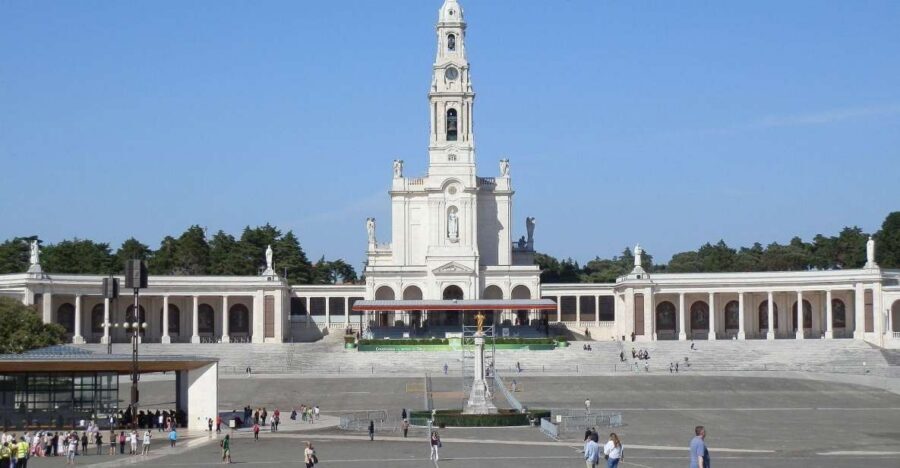
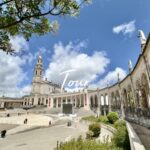
Your tour meets at the Sanctuary of Our Lady of Fátima, at 2495-401 Fátima, Portugal. That matters because the sanctuary complex is the physical anchor for the entire experience. From the start, you’re not guessing where things happened in a general area. You’re standing in the place that locals and visitors treat as the spiritual center.
A private guide is a big value here because you can ask questions in real time. And the tour is designed to orient you quickly to the site’s layout—especially helpful if it’s your first time in Fátima. Instead of wandering, you get a guided thread: what happened in 1917, what was built where that story says it began, and why this spot became such a defining destination for Portuguese religious belief.
Practical note: since entrance fees are not included, you’ll want to plan around any paid areas you might want to add on later. A guided walk like this can help you decide fast which extra stops are worth your time.
Chapel of the Apparitions: Where the Story Becomes Concrete
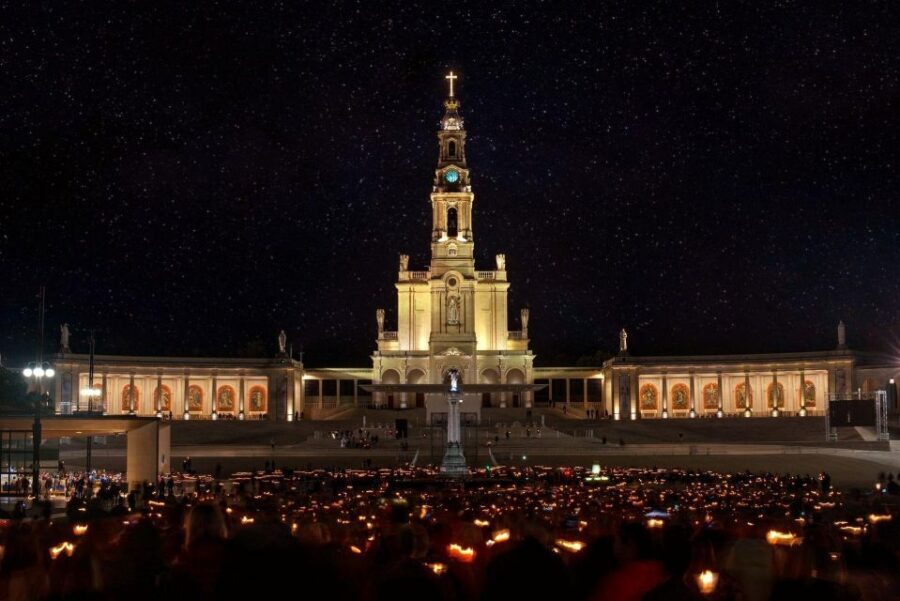
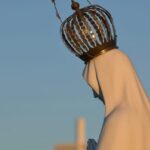
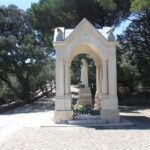
The Chapel of the Apparitions is the headline stop, and it earns that spotlight. According to the tradition, the exact place of the apparition is where this chapel was built. That means you’re not just hearing about history—you’re looking at a structure that claims continuity with the original moment.
This is a great stop even for skeptical minds, because it shows how architecture and devotion collaborate. The site marks the reported location and then organizes everything around it. You’ll see how the sanctuary grew from a single claimed point into a much larger spiritual complex, with visitors flowing through the area year after year.
One thing I appreciate: this isn’t presented like a vague legend. The tour ties the chapel’s importance to the 1917 events and then connects that to how the sanctuary looks today. If you’re the type who wants your faith-story with coordinates—literal and narrative—this stop is your payoff.
The 1917 Apparitions and the Three Shepherd Children
The heart of the story centers on three shepherd children and a date that’s repeated for a reason: 1917, and specifically the reported events tied to Oct 13, 1917. You’ll hear how the Virgin Mary, in the account, appeared to Lúcia dos Santos (10 years old), Francisco Marto (9 years old), and Jacinta (also closely associated with Francisco through the family of events).
Why this part matters: it makes the story feel human-scale. You’re not talking about remote saints or distant empires. You’re talking about children in a specific moment of time, which is exactly why the accounts spread so widely once people started gathering and listening.
A private guide can also help you notice what the story highlights: dreams and warnings, the role of faith, and the reported “secrets” given to the children. Even if you don’t accept supernatural claims, the narrative explains why people became determined to come back here, generation after generation.
And if you’re curious about the details, this tour is built to cover the essentials without losing you in name-and-date overload. The point is to understand what happened, why it circulated, and how it created a destination powerful enough to attract pilgrims from near and far.
The Miracle of the Sun: What You’re Actually Being Asked to Consider
On Oct 13, 1917, thousands reportedly gathered to witness a phenomenon described as the sun “dancing”—often called the Miracle of the Sun. This is the part that makes Fátima unforgettable, and also the part that splits people into different camps.
Here’s how I suggest you approach it while on the walk: treat it like a question with two layers. First, what was reported and why did people react intensely enough to talk about it for decades. Second, what does that reaction mean socially—why would a community rally around a shared moment and then build a sanctuary to keep repeating that meaning?
Your guide should help you understand both layers: the story itself and the reason it became a defining trace of Portuguese religious belief. That balance is where the tour earns its worth. You’re not forced into a single worldview. Instead, you leave with the context that makes either belief or skepticism easier to handle.
Also, keep in mind the tour is only 2 hours. The guide will give you the key account and interpretive points, but you should leave yourself a little extra time after the walk if you want to sit with what you heard.
You can also read our reviews of more private tours in Fatima

Two Basilicas, One Big Sanctuary Mood
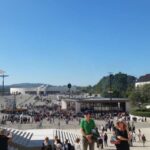
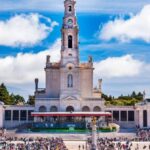
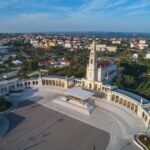
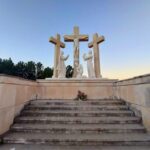
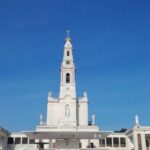
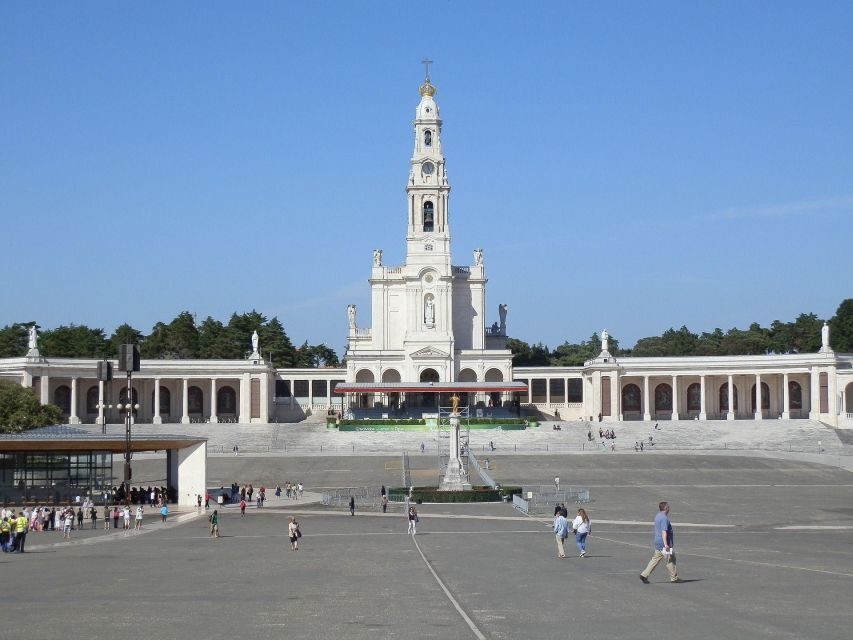
When you shift from the story points to the modern layout, you get a visual explanation for why Fátima is so powerful. The tour highlights how, where sheep used to graze, you now find two huge basilicas at opposite ends of the sanctuary area.
That contrast is more than scenery. It’s a timeline you can see. The sanctuary grew around the reported locations, and the basilicas show how a story can expand into a global ritual space. For believers, that’s proof and fulfillment. For skeptics, it’s an argument about how belief builds cities and traditions.
You’ll likely spend time understanding how to read the sanctuary as a whole: where the chapel connects to the story, how the modern structures frame the atmosphere, and how pilgrims move through the complex. This is a good tour for people who like spatial clarity—who want to stop feeling lost in big religious sites.
Learning How to Pray at Fátima (Without Pretending Everyone Thinks the Same)
One of the most praised parts of this tour is how the guide helps with orientation and prayer. A guide named Arminda is specifically noted for being kind and sharing great information, including ways to pray and how to exist at Fátima.
That matters because Fátima can feel intense if you don’t know the “rhythm” of the place. Even if you don’t pray the same way others do, it helps to understand what people are doing and why. You’re not just moving through space—you’re moving through a shared practice.
The guide’s friendliness and explanation style seem to be a theme: people come away saying they learned a lot, and that the sanctuary story was clear. That’s exactly what you want in a private tour here. You can ask questions, and the guide can adjust emphasis without turning the experience into a lecture.
Private Group Value: What $279 Buys You
At $279 per group up to 15 people, this tour is priced for a private group experience rather than a solo or couple-only add-on. The big value piece is not just that it’s private. It’s that the guide stays with your group only, for the full 2 hours, so you get a direct human conversation instead of a rushed bus-style stop.
Is it expensive? It depends on your group size and how much you care about interpretation. If you’re traveling as a small group and you’re the type who wants context—why the story spread, what the key events are, what the sanctuary represents—then the cost can feel fair because you’re buying clarity and time, not just a walk.
If you’re traveling solo, you may prefer to compare the cost to doing a self-guided visit and paying for only what you want to enter. But if you’re with friends or family, the per-group model can make sense.
One more practical point: entrance fees are not included. That doesn’t make the tour worse—it just means you should budget for any paid access you want to add separately.
What Makes a 2-Hour Walk Work (and When You Might Need More Time)
Two hours is long enough to cover the core story and the main sanctuary touchpoints, but short enough that you won’t get stuck in slow pacing. This tour is built for momentum: get oriented fast, learn the 1917 narrative clearly, see the central religious structures, and then be ready to reflect or explore further on your own.
The possible drawback is time pressure. If you want quiet moments, longer prayer, or deep reading of displays, you might want extra free time afterward. Think of the tour like a guided key to the place, not the entire experience in one package.
That timing also makes it easier to fit into a day that includes other stops in the wider Santarém District region—though this specific review is about the Fátima walking component.
Who This Tour Suits Best
I’d point this tour toward three kinds of travelers:
- You care about understanding the story behind Fátima, not just taking photos of the sanctuary.
- You want a guide who can explain the accounts in a balanced way, including why the site intrigues skeptical people and deeply matters to believers.
- You prefer private guiding so you can ask questions and get focused attention, especially with the child-centered details like Lúcia dos Santos, Francisco Marto, and Jacinta.
It may be less ideal if you already know the basic history and you’d rather spend your time praying or wandering without interpretation. In that case, you might feel like you’re paying for direction when you really want silence.
Should You Book This Fátima Private Walking Tour?
If you want the fastest route to understanding why Fátima is such a global destination, this tour is a smart bet. The tour combines the key locations—especially the Chapel of the Apparitions—with the backbone story from 1917, including the shepherd children and the Miracle of the Sun. The private format also makes a difference: you’re not just consuming information; you can ask, clarify, and learn how the faithful approach prayer there.
Book it if you like guided context and you’re comfortable with a religious site that will feel emotionally charged, even when you’re skeptical. Skip or modify if you need lots of unstructured time for personal reflection, or if you’re only interested in sightseeing with minimal explanation.
FAQ
What is the duration of the Fátima Private Walking Tour?
The tour lasts 2 hours.
Where does the tour meet?
The meeting point is the Sanctuary of Our Lady of Fátima, 2495-401 Fátima, Portugal.
How many people can be in a private group?
The price is per group up to 15 people.
What language is the live guide?
The live tour guide is available in English.
What is included in the tour price?
A local professional guide is included, and the guide will be with your group only.
Are entrance fees included?
No. Entrance fees are not included.
Can the tour be customized?
Yes, there may be possible customizing on the spot with your local guide.
Is the tour private?
Yes, this is a private group experience.
What’s the cancellation policy?
You can cancel up to 24 hours in advance for a full refund.
Can I reserve without paying right away?
Yes. You can reserve now and pay later, keeping your travel plans flexible.