REVIEW · FATIMA
Fátima: Sanctuary and Aljustrel Village, Private Guided Tour
Book on GetYourGuide →Operated by Windland tours · Bookable on GetYourGuide
If you want meaning, go with structure. This private tour links the big moments of Fátima to the places where the story unfolded, in a calm, human pace. You’ll see the Chapel of the Apparitions, then the major basilicas, and you’ll also step into Aljustrel to get a feel for everyday life in the early 1900s Portugal. The tour’s best perk is a local guide who can explain what you’re seeing without turning it into a lecture.
I especially like the mix of spiritual stops and real-world context. The Aljustrel visit (where the shepherds lived) makes the sanctuary feel less like a theme park and more like a living memory. I also love that guides like Vera, Goncarlo, and sometimes Caio are praised for being patient—one guide even paced the route to match an 85-year-old’s slower walking—and for making room for quiet reflection.
One drawback to plan around: this route involves walking and is not suitable for wheelchair users. If mobility is an issue, you’ll want to rethink the format and ask what can be adjusted.
In This Review
- Key highlights you’ll actually feel
- Entering The Sanctuary at Your Own Pace
- Chapel of the Apparitions: Where the 1917 Story Hits
- Basilica of the Rosary and Basilica of the Holy Trinity: More Than Grand Buildings
- Aljustrel Village: Shepherd Life That Makes the Story Feel Real
- Stations of the Cross at Valinhos: A Quiet Finish With Meaning
- Timing and Pace in a 3-Hour Private Format
- Price and Value: Why $90 Makes Sense for the Right Travelers
- Who Should Book This Fátima and Aljustrel Tour
- Quick Practical Tips Before You Go
- Should You Book This Private Guided Tour?
- FAQ
- How long is the Fátima: Sanctuary and Aljustrel Village private guided tour?
- Where do I meet my guide?
- What sites are included in this tour?
- Is this a private tour and what languages are offered?
- Are photos allowed during the tour?
- Is the tour suitable for wheelchair users or mobility impairments?
- What’s the flexibility if my plans change?
Key highlights you’ll actually feel
- Small, private-group pacing that can slow down for prayer stops and long-view moments
- The Chapel of the Apparitions as the emotional core of the whole experience
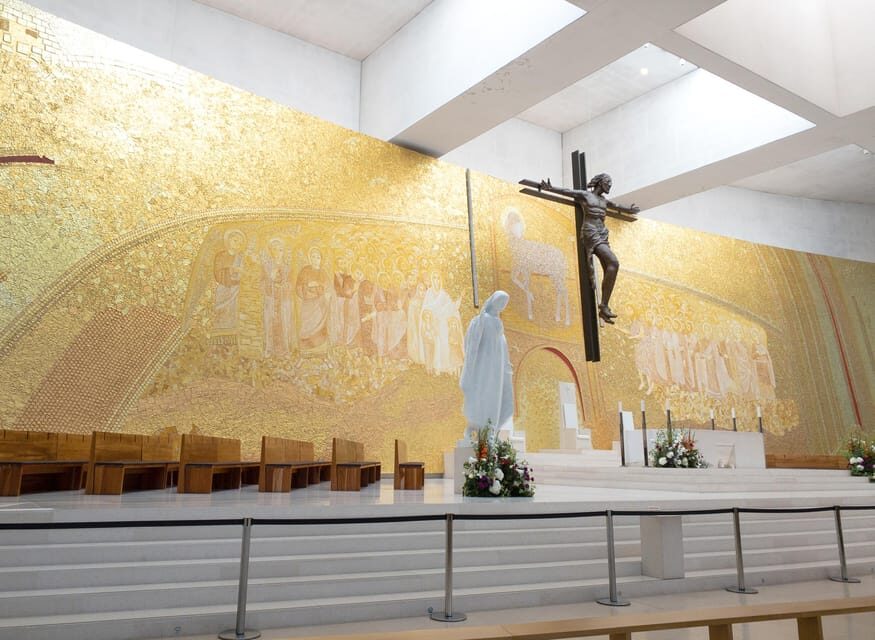
- Basilica time that’s more than photos, with help reading the architecture and symbolism
- Aljustrel village for the human scale: homes, shepherd life, and early-20th-century context
- Valinhos Stations of the Cross at an easy walking pace, including the Angel of Peace focus
Entering The Sanctuary at Your Own Pace
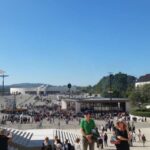
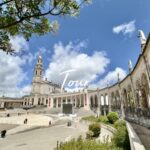
Meeting up inside the Sanctuary area is part of why this tour feels smooth. You start at the base of the tall metal cross, close to the circular basilica, so you’re oriented right away instead of wandering.
You’re also not stuck with a rigid group rhythm. Because it’s private, your guide can match the pace to your group, including taking short breaks when needed. This matters in Fátima, where you’ll be moving between sacred spaces that invite both viewing and reflection.
If you’re sensitive to crowds or you like a more personal setting, this is a strong fit. The sanctuary is busy at many hours, but a guide-led route helps you stay focused on what you came for.
You can also read our reviews of more guided tours in Fatima

Chapel of the Apparitions: Where the 1917 Story Hits
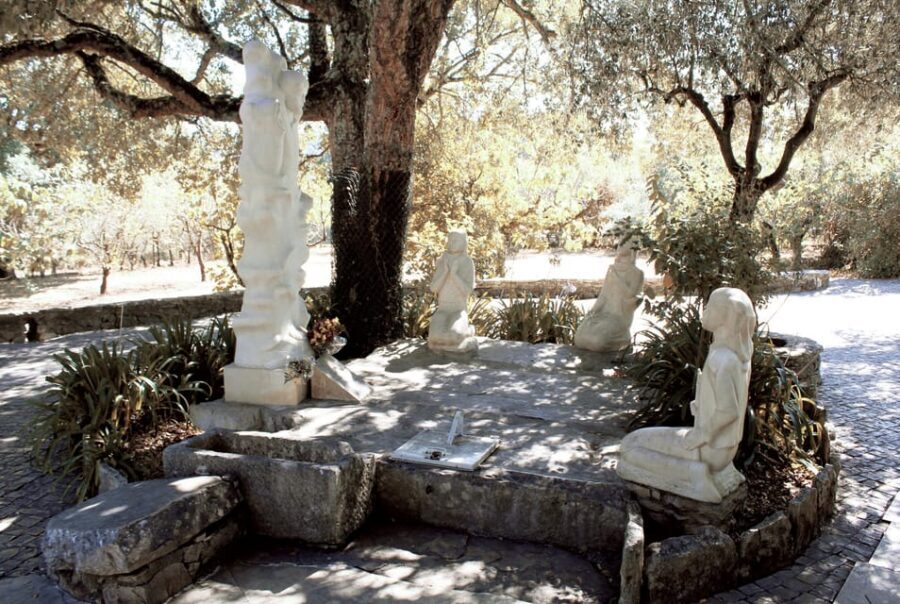
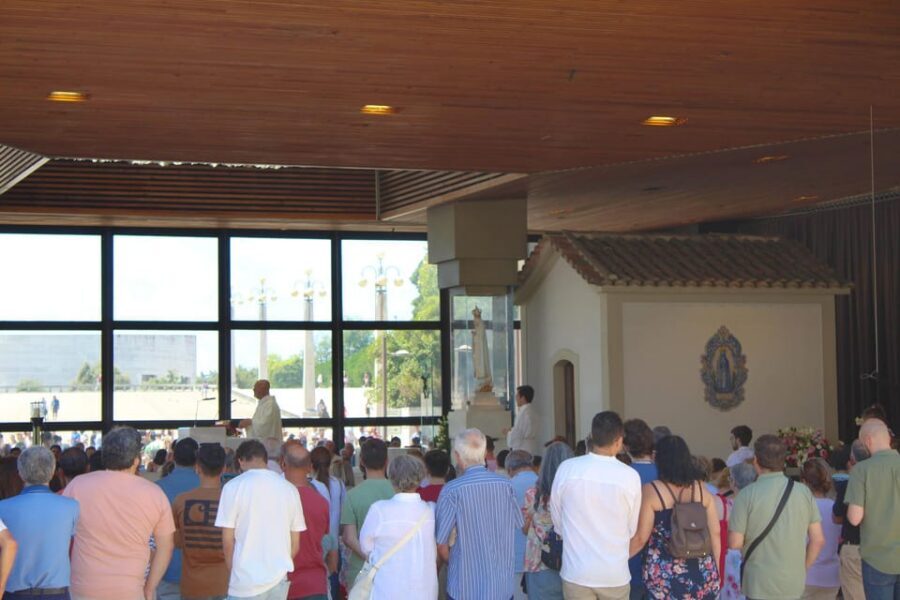
The tour begins with the place most people picture when they think of Fátima. The Chapel of the Apparitions is the spiritual center, tied to the 1917 apparitions, and your guide will frame what you’re looking at before you rush to the next stop.
What I like about this stop is the balance between explanation and silence. Many guides on these tours (including Vera in multiple accounts) are praised for giving people time and space to pray and reflect. You don’t feel pushed to “move on” faster than your heart wants to move.
You’ll likely walk through key viewpoints with an eye for the story’s meaning, not just the scenery. And yes—photography is allowed, but you should plan to keep your flash off inside the chapels.
Practical consideration: chapels involve indoor rules and respectful behavior. Wear comfortable shoes and expect the space to feel solemn and crowded depending on the day.
Basilica of the Rosary and Basilica of the Holy Trinity: More Than Grand Buildings
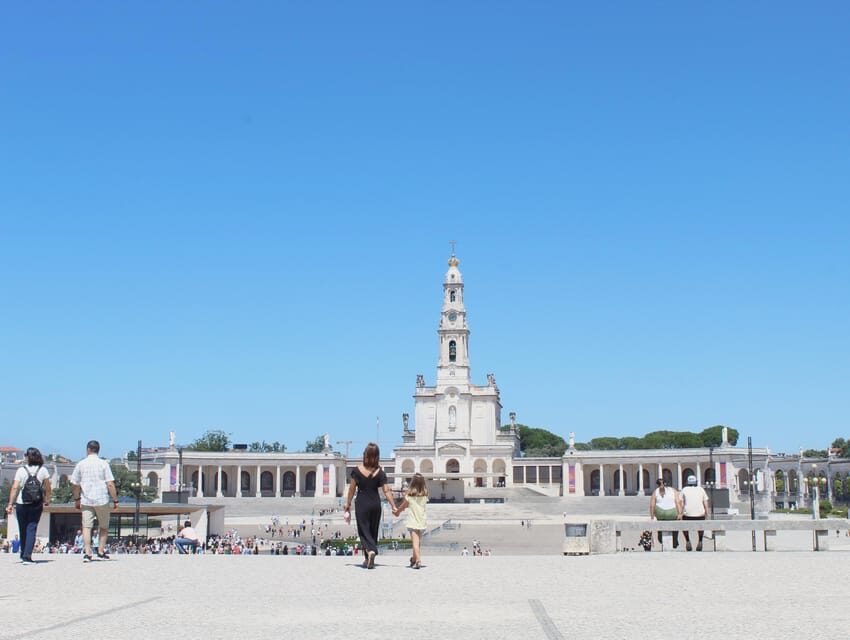
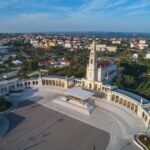
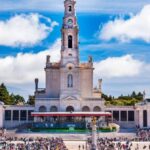
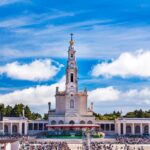
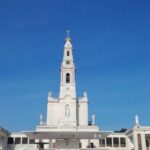
Next up, you’ll see two major basilicas that shape how Fátima feels overall. The Basilica of the Rosary and the Basilica of the Holy Trinity are both big, impressive, and built with detail that’s easier to appreciate with a guide.
Here’s why I think this pair works well in a 3-hour format. The chapel is the emotional core. Then the basilicas broaden the story into something communal—architecture that carries the themes of devotion and prayer through space.
Your guide’s job is to help you “read” the basilicas while you’re standing in them. In reviews, Vera is singled out for history that connects religion with Portuguese life and even church-and-state relationships. That kind of context can turn a quick look at stone and glass into a real understanding of why these buildings were made.
A simple tip: give yourself a few minutes at each stop to slow your breathing. You’ll get more from the symbolism when you’re not trying to sprint for the next highlight.
Aljustrel Village: Shepherd Life That Makes the Story Feel Real
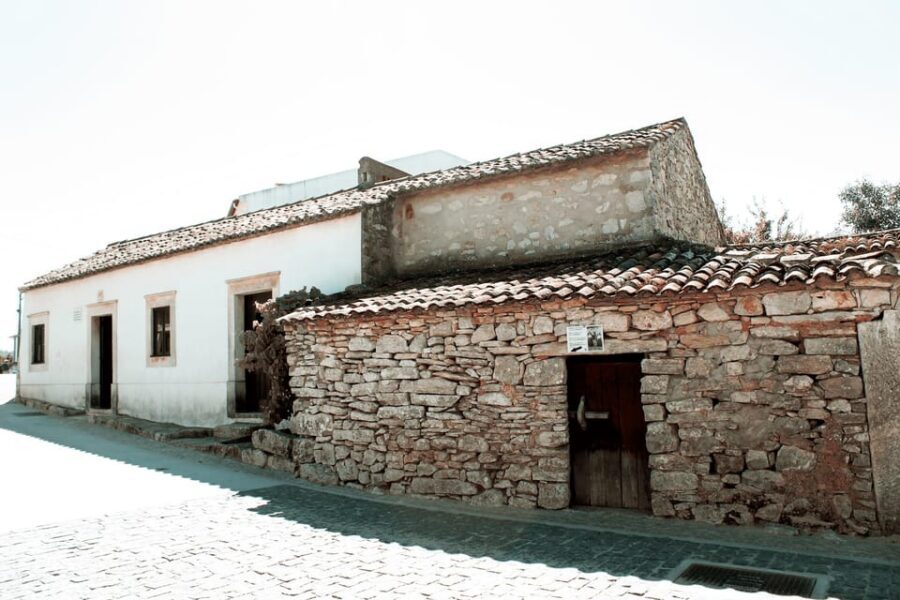
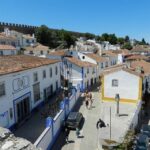
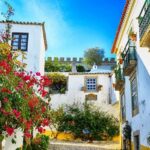
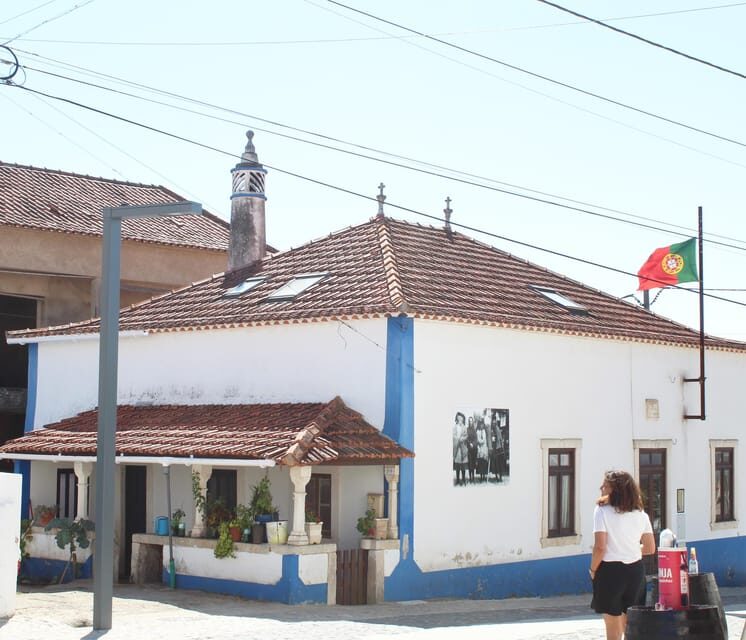
After a short transfer, you’ll head to Aljustrel, the village where the shepherds lived: Jacinta, Francisco, and Lúcia. This is the part that changes the tone the most, because it shifts from sanctuary drama to family life.
I love this stop because it adds scale. The sanctuary is monumental; Aljustrel makes the story human—homes, daily routines, and a very early-20th-century Portugal setting. You’re essentially watching the same narrative from two angles: the sacred vision and the ordinary world around it.
Your guide will walk you through what you’re seeing in a way that helps you picture the children not as symbols, but as kids who grew up with chores, community, and family. Reviews also mention that adding Aljustrel and the apparition sites felt like a “bonus” because it makes the whole outing more complete than just checking off religious landmarks.
If you’re traveling with mixed interests—someone deeply religious and someone more secular—Aljustrel often wins the day. It’s not about belief arguments. It’s about understanding people and place.
Watch-for note: this portion still involves walking through village areas. It’s not a museum floor experience, so comfort footwear matters.
Stations of the Cross at Valinhos: A Quiet Finish With Meaning
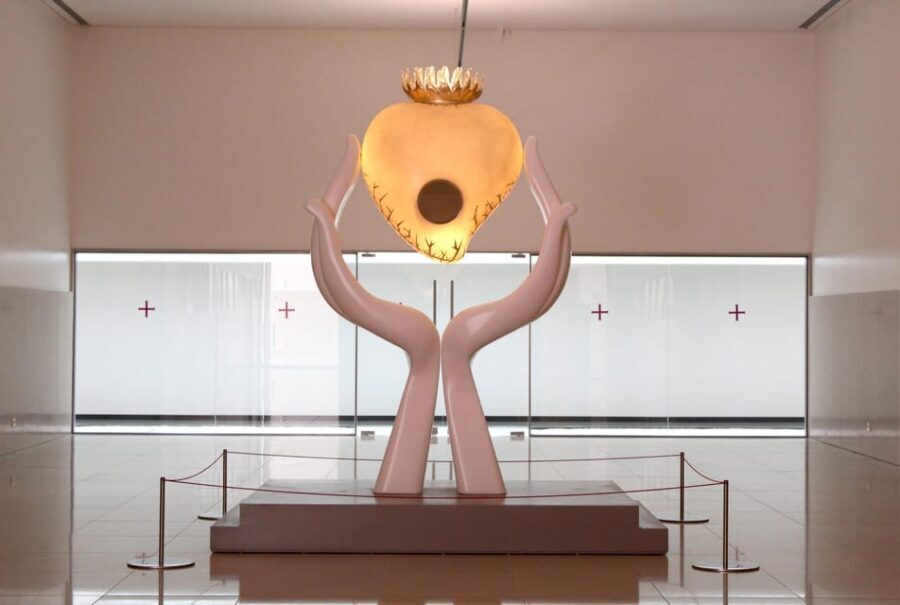
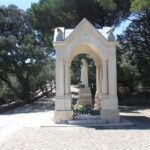
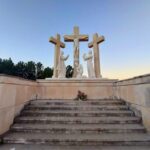
You’ll finish with an easy stroll through the Stations of the Cross in Valinhos, at the Monument of Our Lady area. This segment matters because it ties the story to a physical route, letting you follow the events as an experience rather than a concept.
The children’s vision includes the Angel of Peace, and the focus at these stations helps you connect the spiritual message with the movement of walking from point to point. Guides often handle this part thoughtfully—especially when they sense the group wants prayer time as much as information.
This last stop can feel like a “settle” moment. After seeing basilicas and village context, you get a slower, reflective pace that helps you leave with the sense that something personal just happened—not just a stamp in the passport.
If you’re the type who likes to take photos, remember the flash rule inside chapels. Outdoors is usually different, but follow your guide’s cues and local signage.
You can also read our reviews of more private tours in Fatima

Timing and Pace in a 3-Hour Private Format
This is a 3-hour experience built to be efficient without feeling rushed. In that window, you’ll cover the chapel area, both basilicas, Aljustrel, and Valinhos stations, with short transit between zones.
That timeline is ideal if:
- you have limited time in Fátima,
- you want more than a quick self-guided loop,
- you enjoy explanation paired with time to look and feel.
It’s less ideal if your priority is hanging around for long private moments at every site without moving on. The tour is structured, so you’ll still have to accept a plan.
One more pacing detail I value: multiple reviews praise guides for adapting to the group’s needs. That’s rare. It can mean the difference between “we saw everything” and “we actually experienced it.”
Price and Value: Why $90 Makes Sense for the Right Travelers
At $90 per person for a private guided tour lasting about 3 hours, the value comes from what you’re buying: context plus pacing. This isn’t just transportation and entry fees. It’s interpretation—help understanding what you’re seeing and why it matters.
When you price tours, think about the two costs that don’t show up on the receipt. Time and emotional friction. A guide can cut both. You waste less time guessing where to focus, and you spend more time where it counts.
In several reviews, guides are praised for warmth, humor, and tailoring the tone based on the group—everything from deeply religious to less religious. That flexibility can make a big difference if your party includes different levels of interest.
Also, because it’s private, the “per-person” cost usually translates into a calmer experience. You’re not competing for attention with a larger group, and you’re more likely to get questions answered in real time.
Who Should Book This Fátima and Aljustrel Tour
I think this works best for:
- couples, families, or small groups who want a calmer, guided flow,
- travelers who want both spiritual context and Portuguese history,
- anyone who prefers respectful pacing over a hurry-through tour,
- people who want to add Aljustrel and Valinhos without planning the route themselves.
It may not fit if anyone in your group needs wheelchair access. The tour is specifically marked as not suitable for wheelchair users, and it does include walking between stops.
If you’re traveling with an elderly relative, it can be a smart choice because guides are noted for being patient and making breaks at a family’s pace. Still, confirm what the guide can adjust based on your group’s mobility.
Quick Practical Tips Before You Go
- Wear comfortable walking shoes. You’re walking between multiple sacred sites and village areas.
- Bring weather-appropriate clothing. Fátima can be hot, cool, or breezy depending on the season.
- Plan your photography expectations. Photos are allowed, but flash photography isn’t permitted inside the chapels.
- Decide what you want most: story, architecture, village context, or prayer time. A good guide will help shape the balance.
Should You Book This Private Guided Tour?
If you want Fátima to feel personal—not scripted—this tour is an easy yes. The strongest reasons to book are the pairing of the apparition core with Aljustrel’s everyday context, and the way guides like Vera and Goncarlo are described as patient, respectful, and able to tailor the experience to your group.
Book it if you have about half a day and you want a guided route that covers the major must-sees plus the places that make the story land in your mind. I’d skip it only if mobility is limited for someone in your group or if you want zero structure and hours of open-ended wandering.
FAQ
How long is the Fátima: Sanctuary and Aljustrel Village private guided tour?
The tour lasts 3 hours.
Where do I meet my guide?
You meet at the base of the tall metal cross inside the Sanctuary, close to the circular basilica.
What sites are included in this tour?
You’ll visit the Chapel of the Apparitions, the Basilica of the Rosary, the Basilica of the Holy Trinity, Aljustrel village, and the Stations of the Cross in Valinhos (at the Monument of Our Lady).
Is this a private tour and what languages are offered?
Yes, it’s a private group tour. The guide can speak English, Portuguese, or Spanish.
Are photos allowed during the tour?
Photography is allowed, but flash photography is not permitted inside the chapels.
Is the tour suitable for wheelchair users or mobility impairments?
No. It is not suitable for people with mobility impairments and wheelchair users.
What’s the flexibility if my plans change?
There’s free cancellation up to 24 hours in advance for a full refund, and you can reserve now and pay later.
If you want, tell me your travel dates and whether you’re traveling with seniors or mixed-interest adults, and I’ll help you pick the best timing for the route.