REVIEW · FATIMA
Fátima: Sanctuary and Apparition Sites Guided Tour
Book on GetYourGuide →Operated by Open Roads Portugal · Bookable on GetYourGuide
Faith turns into walking shoes here. This guided loop through the Fátima Sanctuary makes the big, famous stories easier to follow, from the apparition locations to the major basilicas. I like that the tour doesn’t treat Fátima as just postcard religion. It gives you a clear sense of what each place meant to the shepherd children and why the site became such a major Catholic pilgrimage.
Two things I really appreciate: the focus on the Capelinha das Aparições and the tomb area connected with the shepherd children, and the chance to see the Basilica of the Holy Trinity with its major artworks and mosaics. You’re also guided through the Miracle of the Sun and the Secrets of Fátima, with enough context to make sense of it without feeling rushed.
One possible drawback: you’re in church spaces for part of the tour, and food and drinks aren’t allowed inside the basilicas. If you hate carrying water, plan for a quick break outside the buildings and keep snacks out of your daypack.
In This Review
- Quick takeaways before you go
- Meeting at the High Cross and getting oriented
- A Christianity primer before the Fátima stories
- The Apparition Sites: the Capelinha das Aparições
- Basilica of Our Lady of the Rosary: neo-Baroque and the shepherd children’s tombs
- Basilica of the Holy Trinity: mosaics, scale, and Vatican II connections
- Miracle of the Sun: what happened on October 13, 1917
- The Secrets of Fátima: Sister Lúcia, hell, consecration, and predictions
- The guides make the difference: Ana Carolina and Ana’s teaching style
- Timing, comfort, and rules inside the basilicas
- Price and value: is $68 worth 1.5 hours?
- Who this tour fits best (and who should rethink it)
- Should you book this Fátima guided tour?
- FAQ
- How long is the Fátima Sanctuary guided tour?
- Where is the meeting point?
- What languages is the live guide available in?
- What places will the tour include?
- Are entry tickets to the basilicas included?
- Can I bring food and drinks into the basilicas?
Quick takeaways before you go
- Meet at the High Cross so you get oriented quickly in a huge sanctuary area
- Start with a Christianity primer tailored to your comfort level, so the stories land better
- Capelinha das Aparições gives you the arrival point of the 1917 events in a concrete way
- Basilica of Our Lady of the Rosary shows the neo-Baroque design and the shepherd children’s tombs
- Basilica of the Holy Trinity mixes major scale with striking mosaic artwork, including Christ Glorified
- Miracle of the Sun + Secrets of Fátima are explained clearly, including Sister Lúcia’s role
Meeting at the High Cross and getting oriented
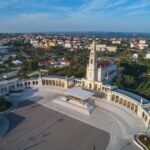
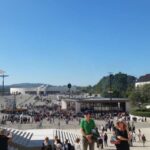
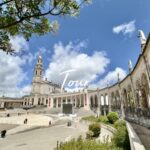
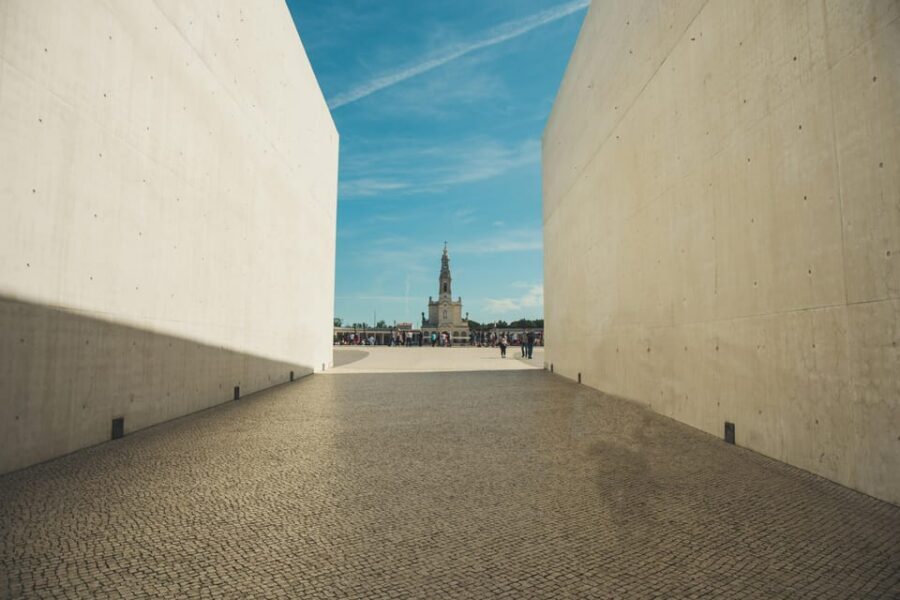
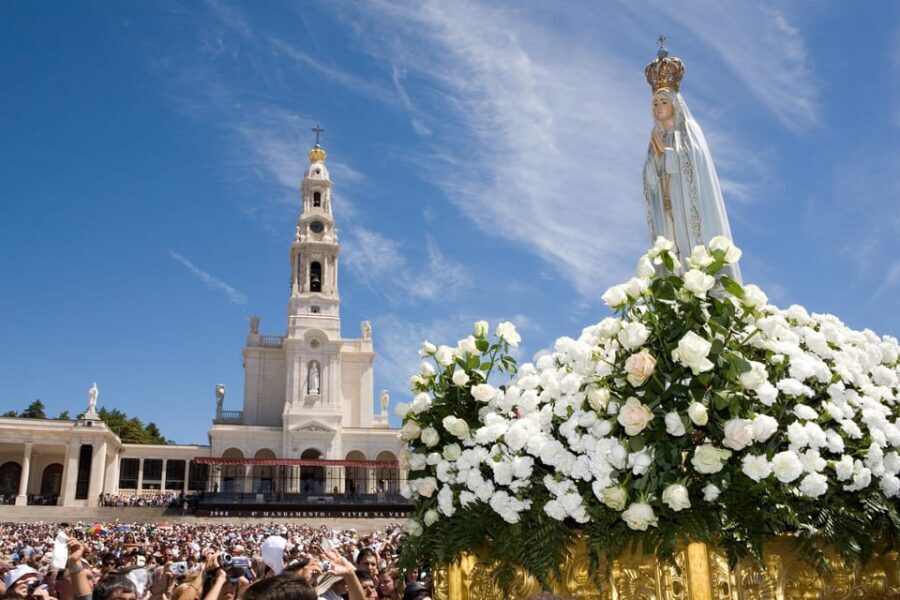
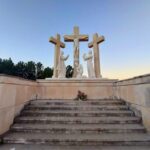
You start at the High Cross, the tall cross in the middle of the sanctuary. It’s a smart meeting spot. In a place this important (and busy on pilgrimage days), a clear landmark saves you from wandering around like a confused extra in a religious drama.
Your guide will be in front of the cross. That matters because Fátima isn’t just one building. It’s a whole sacred campus, with multiple stops that can blur together if you’re going solo. With a guide, you can keep your bearings fast and focus on what you’re actually seeing.
The tour runs about 1.5 hours, and it’s designed like a tight “greatest hits” route: apparition area, then major basilicas, then the stories that connect them all. If you want a short, meaningful sampler rather than an all-day marathon, this format is a good fit.
You can also read our reviews of more guided tours in Fatima
A Christianity primer before the Fátima stories
Before you go deep into the events of 1917, the tour includes a personalized introduction to Christianity. The idea is simple: your guide adjusts the background to your level of knowledge. That’s helpful, because Fátima touches on themes—Jesus, prayer, penance, faith—that may feel familiar or totally new depending on where you’re coming from.
I especially like this approach because it changes the tone. Instead of hearing names and terms thrown at you, you get the “why” first. You’ll understand what Catholics mean when they talk about prayer and penance, and why Mary’s messages matter in the context of Catholic belief.
And if you already know your way around basic Christian concepts, you’ll still get value. You can treat this as a quick map, not a lecture.
The Apparition Sites: the Capelinha das Aparições
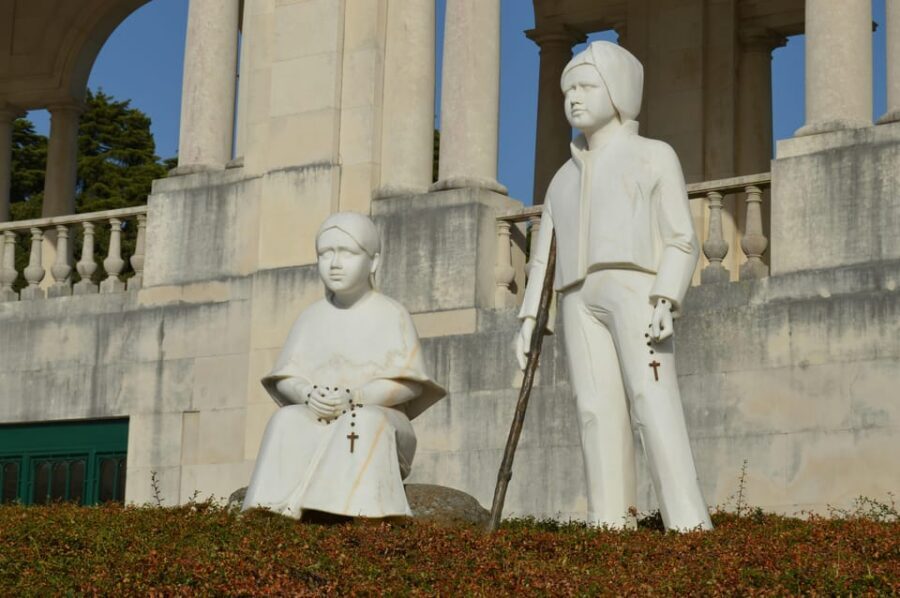
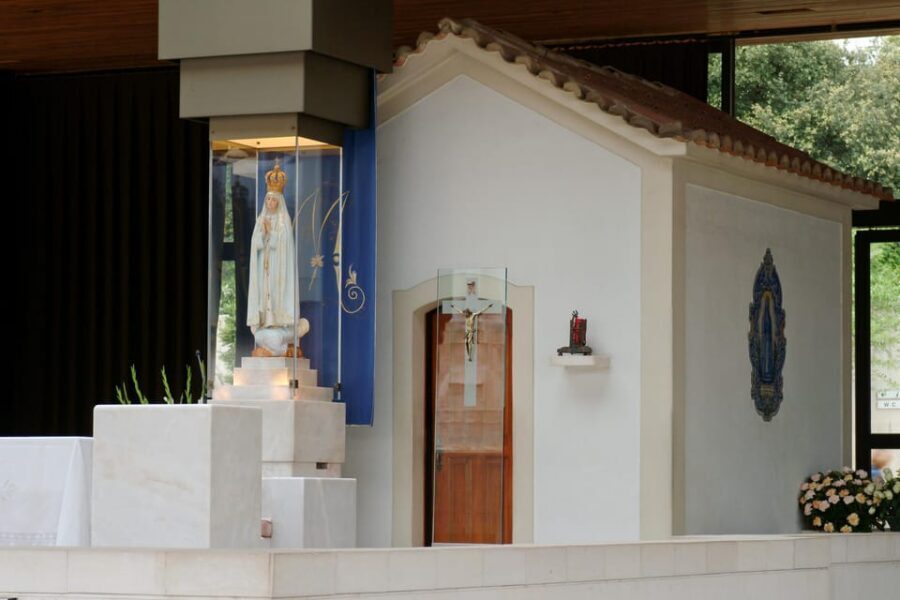
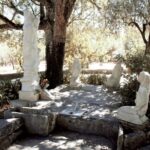
This is where the tour becomes more than architecture and famous dates. You visit the sacred places tied to the Virgin Mary’s apparitions to the three shepherd children in 1917—the moment that put Fátima on the global religious map.
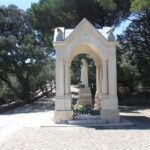
You’ll also visit the Capelinha das Aparições (the Chapel of the Apparitions). Think of it as the emotional starting point of the sanctuary experience. You’re not just looking at a building. You’re standing where the tour explains the story began for the children.
What your guide focuses on here isn’t only the location. It’s the message: faith, prayer, and penance. Those themes show up again and again in how Catholics interpret Fátima, so having them explained right at the beginning helps you connect later stops without feeling like you’re starting over.
Practical note: comfortable shoes are a must. Even in a short tour, you’re doing enough walking that you’ll notice if your footwear is wrong.
Basilica of Our Lady of the Rosary: neo-Baroque and the shepherd children’s tombs
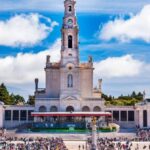
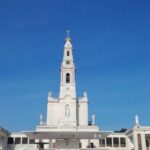
Next comes the Basilica of Our Lady of the Rosary, known for its neo-Baroque architecture. This is one of those places where the design does part of the storytelling. The guide points out details that make the space feel intentional rather than random.
But the biggest draw here is the human link. This basilica is where the tombs of the shepherd children are located. Your guide shares stories of their lives and explains their role in the apparitions, including how they became recognized as saints.
That’s what makes this stop feel powerful in a grounded way. You’re not just hearing about a miracle on a distant timeline. You’re seeing how the Church remembers the children in a physical space—something you can point to and return to later in your own thoughts after the tour ends.
If you care about the intersection of faith and art, you’ll enjoy the contrast too: the architectural style is dramatic, while the story is rooted in a small group of kids in 1917.
Basilica of the Holy Trinity: mosaics, scale, and Vatican II connections
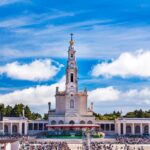
Then you head to the modern centerpiece: the Basilica of the Holy Trinity. It’s described as one of the world’s largest Catholic churches, and the scale is part of the message. This isn’t a “small chapel vibe.” It’s a major statement building.
Your guide walks you through the highlights, including the stunning mosaics and artwork. One specific piece the tour calls out is the panel known as Christ Glorified. Even if you’re not a religious art expert, you’ll get enough direction to look at the artwork intentionally instead of just taking quick photos.
The tour also connects this basilica to the Second Vatican Council. That link gives the modern design context. In other words: you learn why something built in a later era still fits into the Fátima story, rather than feeling like an unrelated add-on.
This stop is also where you can feel the pilgrimage mindset. The basilica works like a gathering place for devotion, but the guide helps you see it as architecture plus meaning—modern form serving an older set of beliefs.
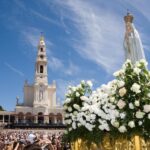
Miracle of the Sun: what happened on October 13, 1917
Now you get to the headline event: the Miracle of the Sun. Your guide revisits October 13, 1917, when thousands reportedly witnessed something extraordinary in the sky.
The tour explains how this phenomenon became one of the strongest validations linked to the Fátima apparitions. That wording matters. The guide isn’t just listing claims. You’ll hear how people interpret the event within Catholic belief and why it continues to be central to discussions around Fátima.
This is one of those moments where the tour format helps. If you try to read everything on your own, it can be hard to keep what happened, where it happened, and why it mattered straight. With a guide and the prior stops already setting the stage, the Miracle of the Sun feels like the story’s turning point.
If you’re skeptical, you can still get value. The tour doesn’t demand a verdict from you. It shows why the event holds weight for believers and why it’s remembered as part of the Fátima narrative.
The Secrets of Fátima: Sister Lúcia, hell, consecration, and predictions
The tour then moves to the Secrets of Fátima, revealed by Sister Lúcia. This section ranges across several themes, so it’s worth paying attention rather than treating it like a trivia stop.
You’ll learn about the visions of hell described in the secrets, and the messages tied to consecration. The tour also covers predictions of global events, as included in the secrets.
What you’ll likely find most useful is how your guide organizes it into a story arc. Instead of throwing separate items at you, the guide helps you understand how the messages connect to Catholic ideas about prayer, penance, and choosing faith in difficult times.
And because you saw the apparition locations and the basilicas first, the secrets don’t feel random. They feel like part of the same system of meaning—messages tied to sites, and sites tied to messages.
The guides make the difference: Ana Carolina and Ana’s teaching style
The tour stands or falls on the guide, and the standout pattern here is how personal the explaining feels. One guide named Ana Carolina was praised for empathy and accurate information that made the visit special. Another guide named Ana was noted for being personable, explaining details patiently, and taking time to answer questions.
That kind of guide attitude matters. Fátima can feel heavy if you’re trying to absorb everything silently. A guide who slows down enough to clarify helps you stay engaged without feeling overwhelmed.
So if you’re the type who likes to ask what something means (or you want time to understand before moving on), this tour’s format should work well.
Timing, comfort, and rules inside the basilicas
The whole tour is about 1.5 hours, so it’s not the time to wear shoes that need breaking in. Bring comfortable walking shoes. The sanctuary route includes multiple stops, and you’ll be on your feet enough that discomfort becomes distracting.
Also remember the rule: food and drinks are not allowed inside the basilicas. That’s common in many sacred spaces, but it’s especially relevant here because you’ll have indoor time at more than one church. If you need to eat or sip water, plan for it outside the basilicas.
Weather matters too. Portugal can shift fast, and you’ll walk between points. Wear weather-appropriate clothing so you don’t spend the tour thinking about sweat, wind, or chills.
Price and value: is $68 worth 1.5 hours?
At $68 per person, this isn’t the cheapest way to see Fátima. But it’s also not overpriced if you think about what’s included.
You’re getting:
- a guided walk focused on the key apparition sites
- entry to the Basilica of Our Lady of the Rosary and the Basilica of the Holy Trinity
- guided explanations of the Miracle of the Sun and the Secrets of Fátima
- a basic Christianity introduction tailored to your level
For many visitors, the “value” isn’t just access. It’s interpretation. Fátima is famous, but without context it can become a list of stops. With the guide, each place has a purpose in the narrative—apparition locations lead into basilicas, which lead into the big events and messages.
If you’re on a tight schedule and want the essentials without researching for hours, $68 can feel reasonable. If you already know the history deeply and you’re comfortable building your own route, you might not need a guided format.
The sweet spot? You’ll likely feel happiest if you want meaning, not just sightseeing.
Who this tour fits best (and who should rethink it)
This tour is ideal if you:
- want a short, structured way to understand Fátima
- appreciate stories that connect places to beliefs
- care about the major basilicas, especially the mosaic and artwork focus in the Holy Trinity basilica
- want clear explanations of the Miracle of the Sun and Secrets of Fátima without doing a separate deep research project
It may be less ideal if you:
- dislike guided tours and prefer self-paced wandering
- hate any time in churches with strict rules about food and drinks
- want a longer, slower visit that includes extra side areas beyond the main route
Good news: the tour is offered in English and Portuguese, and it’s listed as wheelchair accessible, which makes it workable for a wide range of visitors.
Should you book this Fátima guided tour?
I’d book it if you want to leave Fátima with a clear mental map. The High Cross start helps you orient, the Capelinha das Aparições visit gives the story a real anchor, and the two basilicas add both art and meaning. Then the guide ties everything together with the Miracle of the Sun and the Secrets of Fátima, including Sister Lúcia’s role.
Skip it (or consider a different style of visit) if you prefer long independent exploring, or if you’re the type who hates being guided through places with indoor rules. In that case, you might prefer a self-guided plan so you can set your own pace.
If your goal is understanding in 1.5 hours—and you like guides who explain patiently—this one is a solid choice.
FAQ
How long is the Fátima Sanctuary guided tour?
The tour lasts 1.5 hours.
Where is the meeting point?
The meeting point is the High Cross in the middle of the sanctuary. The guide stands in front of the cross.
What languages is the live guide available in?
The tour is available with a live guide in English and Portuguese.
What places will the tour include?
You’ll visit the sanctuary areas tied to the apparition story, the Capelinha das Aparições, the Basilica of Our Lady of the Rosary, and the Basilica of the Holy Trinity.
Are entry tickets to the basilicas included?
Yes. Entry to the Basilica of Our Lady of the Rosary and the Basilica of the Holy Trinity is included.
Can I bring food and drinks into the basilicas?
No. Food and drinks are not allowed inside the basilicas.