REVIEW · FATIMA
FATIMA FULL DAY PRIVATE TOUR FROM LISBOA
Book on GetYourGuide →Operated by Triple V Tours - Veni Vidi Vacations · Bookable on GetYourGuide
Fátima is a quiet story that hits hard. This private day trip turns a far-sounding pilgrimage stop into a real place you can walk through, guided by trained local experts. I especially like the full-day private format, so you’re not rushing with strangers, and the comfort of a pickup that keeps the travel part easy.
You’ll also get two kinds of learning in one go: the Sanctuary setting that frames the 1917 apparitions, and the hands-on museum experience in Fátima Luz e Paz, where sacred objects and personal offerings give the story a human scale. One potential drawback to keep in mind: this is a pilgrimage site with big crowds at peak times, so expect a bit of standing and walking (and plan your energy accordingly).
In This Review
- Key things I’d watch for on this Fátima private day
- From Lisbon to Fátima: a smooth private start
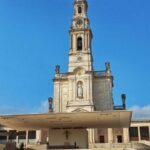
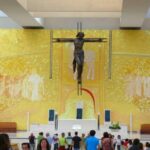
- The Sanctuary of Our Lady of Fátima: more than a landmark
- Fátima Luz e Paz: the museum that explains with emotion
- Aljustrel and Valinhos: meeting the story at ground level
- Lunch in Fátima: fuel without losing the rhythm
- The local olive oil museum: a practical ending
- Price and value: what you’re really paying for
- Who this Fátima private day is best for
- Practical tips for a respectful, comfortable visit
- Should you book this Fátima full day private tour from Lisbon?
- FAQ
- How long is the Fátima full day private tour from Lisbon?
- What does the tour include?
- Is this a private tour or a shared group?
- Where does the tour visit in Fátima?
- Is lunch included?
- What languages are the live guides available in?
- Can the tour start from Porto instead of Lisbon?
- Are museum and attraction tickets included?
- What is the meeting setup for pickup in Lisbon?
- Is free cancellation available?
Key things I’d watch for on this Fátima private day
- Private, door-to-door pickup from Lisbon (or Porto) keeps your schedule calm and simple.
- Guided time in the Sanctuary gives you context for what you’re seeing and why people come from so far away.
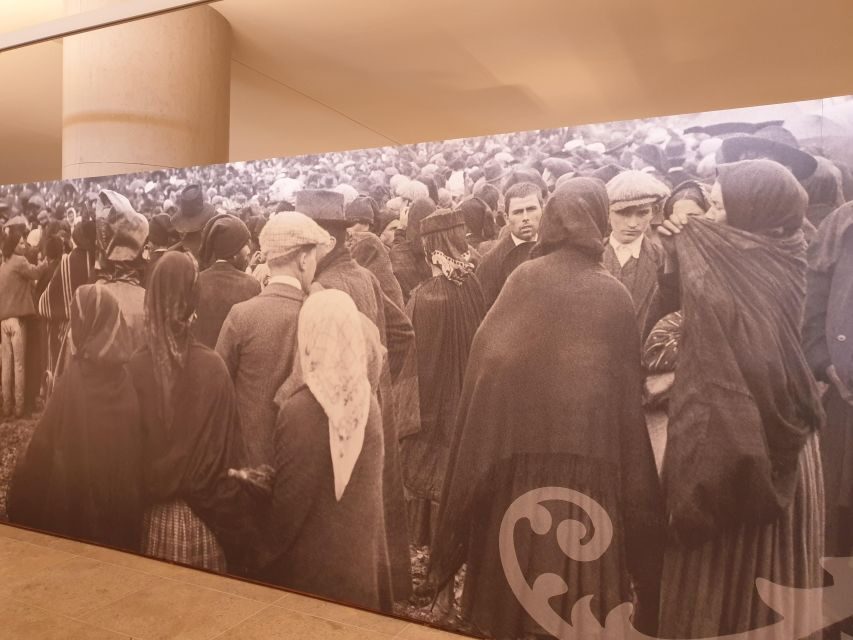
- Fátima Luz e Paz museum uses a dark tunnel, a film with Sister Lúcia’s recorded voice, and meaningful artifacts to make the story readable.
- Aljustrel and Valinhos bring you to the children’s homes, not just a monument view.
- Lunch at a local restaurant breaks up the day in a Portuguese way before the quieter village stop.
- Olive oil museum visit adds a local, everyday-flavor ending instead of a straight return to Lisbon.
From Lisbon to Fátima: a smooth private start
This is designed as an 8-hour day where the logistics don’t eat your enthusiasm. You get a private car with pickup and drop-off from wherever you want in Lisbon (and the tour can also start from Porto). That matters, because Fátima is not “next door.” With private transport, you spend your energy on the places, not on figuring out trains, transfers, or parking.
You’ll also have a comfort stop on the way. That sounds small, but it’s the difference between arriving mentally ready versus arriving already tired. And there’s an extra practical moment before the Sanctuary: the welcome center gives you a chance to pick up items you’d like to have blessed later. If you’re traveling with something meaningful—a small object, a souvenir you want treated like a keepsake—this is a straightforward way to handle it without scrambling.
If your day needs to feel structured—especially if you’re traveling with people who prefer clear timing—this private format is a good fit.
You can also read our reviews of more private tours in Fatima
The Sanctuary of Our Lady of Fátima: more than a landmark
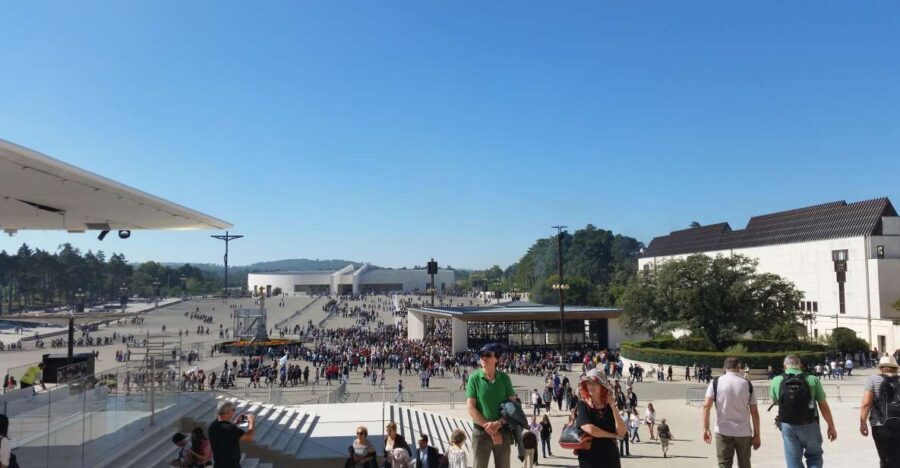
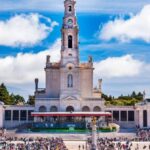
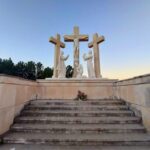
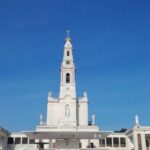
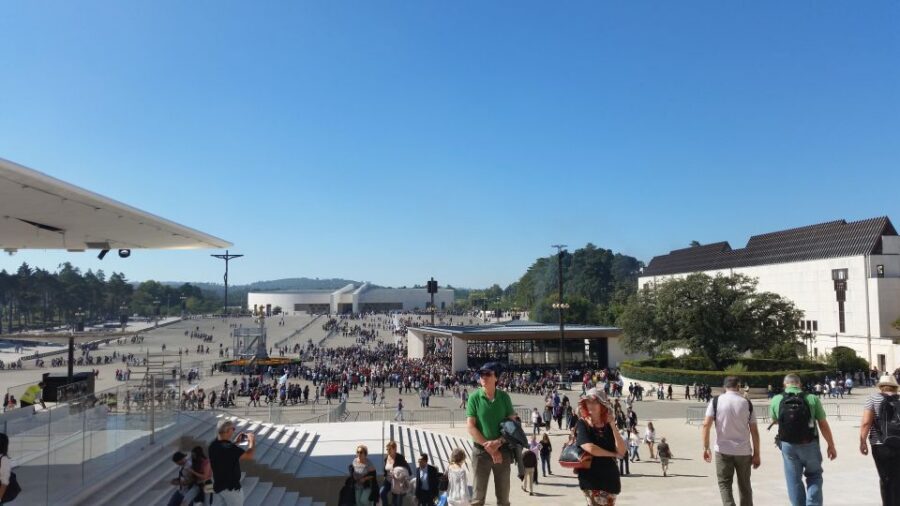
The Sanctuary of Our Lady of Fátima sits in what can feel like a “middle of nowhere” corner of central Portugal. That’s part of the power. The story began May 13, 1917, when three children were tending their sheep. A woman appeared, described as Mary, mother of Christ, and the message centered on peace, repeating over the next months. Even if you don’t consider yourself religious, the setting gives the event a physical reality.
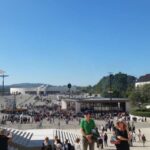
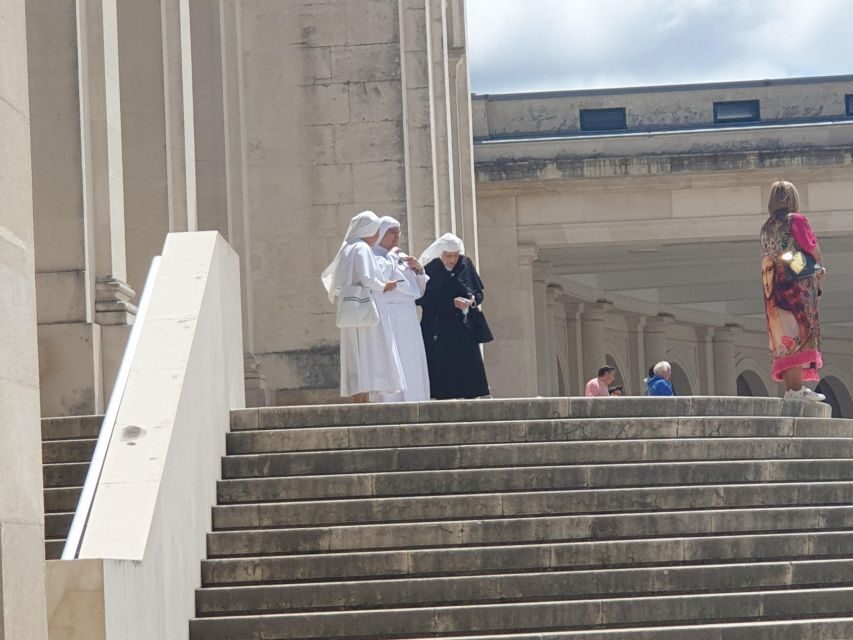
What I like about having a guide here is that you don’t just see architecture. You learn how the place works like a modern pilgrimage town. The Sanctuary complex includes two large churches enclosing a big square—about 72,000 square meters—built to hold enormous gatherings. When crowds swell, especially around the 12th and 13th of each month from May to October, the site functions like a hub: spaces for walking, waiting, eating, buying devotional items, and receiving blessings.
You’ll have about two guided hours in the Sanctuary area. That’s long enough to get your bearings and short enough to avoid feeling trapped in one spot. A guide also helps you read the layers: the medieval feel in how people gather and process, and the 21st-century conveniences that keep thousands moving through the same roads and plazas.
One respectful note: this is an active sacred site. Keep your voice down, follow any guidance from staff, and dress in a way that works for a religious space. Even if you’re there as a curious visitor, treating the atmosphere right makes the day better for everyone.
Fátima Luz e Paz: the museum that explains with emotion
After lunch, the tour shifts from open-air pilgrimage space to a museum experience: Fátima Luz e Paz (Light and Peace) in the Rectory building area. This part is often what turns “I saw the place” into “I understand why people are moved by it.”
The museum starts with a walk through a dark tunnel, meant to symbolize the darkness of 1917. Then you watch a film that explains the phenomenon, and you can hear Sister Lúcia’s recorded voice. Hearing her words—then seeing how the museum frames her role—adds something you can’t get from a quick read on a signboard.
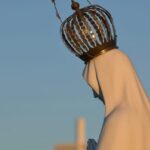
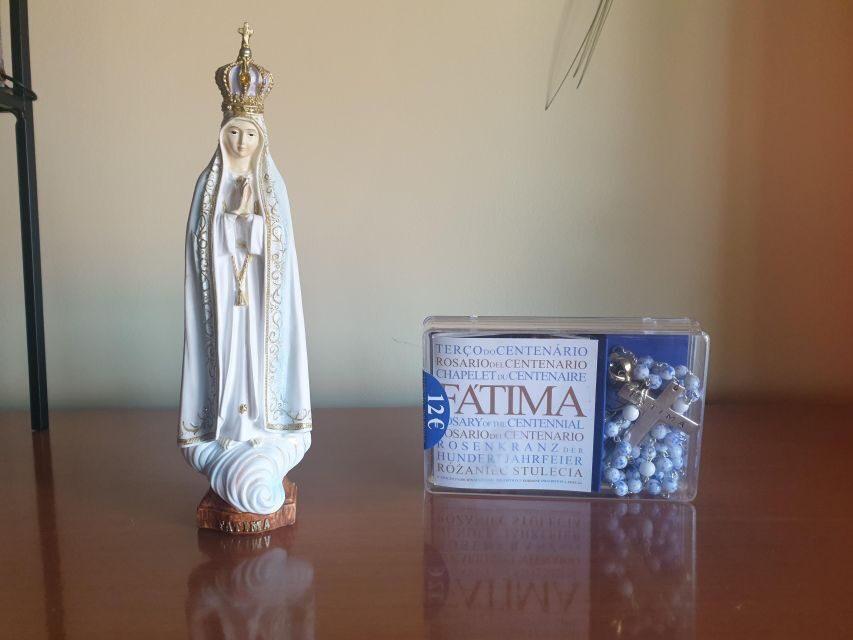
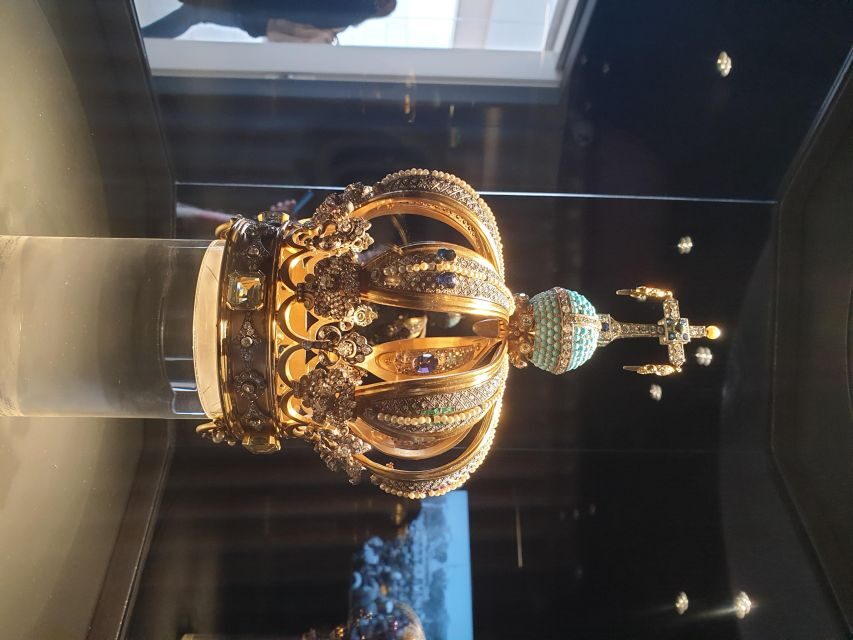
In the museum galleries, you’ll see vestments and gifts associated with different Popes who visited the Sanctuary. You’ll also encounter major symbolic items tied to events later in Catholic history, including the crown of Our Lady of Fátima, where the bullet that almost killed John Paul II in 1981 is housed.
What makes this valuable is not just the materials. The private offerings scattered through the exhibit—things like gold pieces, clothing items, gifts, and personal objects—show how devotion traveled from all corners of the world. It’s striking to see objects tied to real lives and moments: a wedding dress, a shawl by Amália Rodrigues, a sweater connected to Joaquim Agostinho. Even when you don’t share the belief, you can still respect what the objects represent: hope, gratitude, promises, and endurance.
The biggest practical upside here: museum time gives you a structured break from crowds and outdoor walking. You leave with the story clearly organized in your head.
Aljustrel and Valinhos: meeting the story at ground level
Next up is the small village area connected to the 1917 children: Aljustrel and then Valinhos. This is where the day becomes less about crowds and more about place.
You visit the House-Museum of Aljustrel, including a guided stop around the homes of the children who witnessed the apparitions. The idea is simple: you’re not only hearing about sheep-tending and the olive-tree setting in a distant way. You’re seeing the domestic spaces that frame the children’s world.
Then you continue to Valinhos to visit the homes of Saint Jacinta, Saint Francis, and the Venerable Sister Lúcia in their abodes. Even if you’re not religious, this kind of site visit changes the tone. A guide helps you connect the dots—how a belief becomes a geography, and how a 1917 event created a lasting pilgrimage route.
The time in these village stops is shorter—around half an hour plus another guided segment—so you keep momentum without feeling rushed through something intimate. Expect quiet streets and a more human scale than the Sanctuary’s big plazas.
This is also a good moment to slow down and think about what you personally came for. If you’re here because you’re curious about faith traditions, this area gives you the setting behind the devotion. If you’re visiting with believers, it often feels more personal than the larger church spaces.
Lunch in Fátima: fuel without losing the rhythm
Lunch is included at a local restaurant, and it’s about one hour. That timing matters. It keeps the day from stretching too long while still giving you a real meal, not just a quick snack.
Portuguese food here supports the “real trip, not just sightseeing” feel. After being in a sacred setting and a museum environment, you’ll appreciate a traditional meal that’s not overly complicated. This lunch also helps reset your pace before the final museum stop.
If you have dietary needs, you’ll want to plan ahead, since the included terms aren’t detailed here. Still, the fact that lunch is built into the day is a big value: you don’t have to hunt for a restaurant in a place that gets busy during pilgrimage season.
You can also read our reviews of more tours and experiences in Fatima




The local olive oil museum: a practical ending
The tour finishes with a visit to a local olive oil museum. That’s a nice choice for a couple reasons.
First, it returns you to something everyday. Portugal’s olive-growing culture is part of the rural background that surrounds Fátima. Second, it gives you an easy final “local angle” before you head back to Lisbon.
Instead of ending with only religious sites, you end with a topic that fits the region’s lifestyle. You’ll have a calmer last leg into the car—less crowd pressure, more a gentle shift back to normal.
Price and value: what you’re really paying for
The price listed is $412 per person for an 8-hour full private tour. That’s not cheap, so the question isn’t just whether it’s expensive. It’s whether it saves you time, stress, and confusion.
Here, you’re paying for:
- Private transportation with pickup and drop-off in Lisbon (or Porto)
- Certified guides in multiple languages (English, French, Portuguese, Spanish)
- All tickets for paid entrances
- A guided museum plan instead of wandering the Sanctuary and guessing what matters
The value is strongest if you want explanations while you walk. Fátima is full of symbolic details—Sister Lúcia’s role, the meaning of the museum design, the significance of specific artifacts. Without a guide, you can still see the sights, but you’ll likely miss connections that make the day feel coherent.
It also pays off if you’re traveling with family or friends who don’t want to split up or wait for other people. Private tours are often worth it for groups who value time and comfort more than budget.
Also, guide quality matters. One guide named Maria is described as excellent and attentive, while Alfredo is highlighted as an ambassador for Portugal—exactly the type of local professionalism that helps visitors understand what they’re seeing without turning the day into a rushed checklist.
Who this Fátima private day is best for
This is a great match if you want Fátima to feel meaningful but still manageable in one day.
You’ll especially enjoy it if:
- You want a guided approach that makes sense of symbols and artifacts
- You’re short on time and still want the key areas: Sanctuary, Luz e Paz museum, and the children’s homes
- You’re traveling with people who appreciate structure and a relaxed pace
- You’re curious even without religious practice, because the experience is designed to be understood from multiple angles
It may feel less ideal if:
- You want a fully self-paced day with lots of free time and no scheduled museum segments
- You’re arriving during peak pilgrimage surges and you hate crowds (the Sanctuary can be very busy, even with good planning)
Practical tips for a respectful, comfortable visit
A few small habits can make your day smoother at a place where thousands gather for faith and reflection:
- Wear comfortable shoes. You’ll do a lot of walking across church areas and museum spaces.
- Dress respectfully for a sacred site, even if you’re only visiting for cultural curiosity.
- Bring layers. Indoor museum spaces and outdoor plazas can feel different temperature-wise.
- If you have an item you’d like blessed, use the welcome center opportunity so you don’t scramble later.
- In the museum, give yourself time to watch the film fully. The museum is designed around that sequence, including the voice recording and the way the tunnel sets mood.
And remember: you don’t need to be a believer to appreciate the human intensity here. People come from far away, including pilgrims who travel long distances on foot. Treat that with respect, and the day tends to feel more honest.
Should you book this Fátima full day private tour from Lisbon?
I’d book this tour if you want Fátima to feel guided, readable, and unhurried—without the stress of transport or ticket handling. The mix of Sanctuary + Fátima Luz e Paz museum + Aljustrel/Valinhos + lunch + olive oil museum is a smart one-day balance. It turns a single destination into a full story you can walk through.
If you’re budget-tight and happy to DIY, you could spend less by traveling on your own. But if you value explanations, time efficiency, and a comfortable private plan with certified guides, this price starts to make sense.
My rule of thumb: if you’re going to spend most of a day in Fátima, you might as well understand it while you’re there. This private tour is built for that.
FAQ
How long is the Fátima full day private tour from Lisbon?
It lasts about 8 hours.
What does the tour include?
You get pickup and drop-off from Lisbon or Porto, private car transportation, all tickets for paid entrances, lunch (terms apply), and a full private guided tour.
Is this a private tour or a shared group?
It’s a full private tour, meaning it’s only your party.
Where does the tour visit in Fátima?
You visit the Sanctuary of Our Lady of Fátima, the Permanent exhibition Fátima Luz e Paz, and the House-Museum of Aljustrel, plus the homes in Valinhos.
Is lunch included?
Yes, lunch is included, with terms that apply.
What languages are the live guides available in?
The guide offers live interpretation in English, French, Portuguese, and Spanish.
Can the tour start from Porto instead of Lisbon?
Yes, it can start in Lisbon or Porto.
Are museum and attraction tickets included?
Yes. All tickets for paid entrances are included.
What is the meeting setup for pickup in Lisbon?
Pickup is included at any address in Lisbon.
Is free cancellation available?
Yes. You can cancel up to 24 hours in advance for a full refund.