REVIEW · FATIMA
Tomar, Batalha and Alcobaca Private Tour
Book on GetYourGuide →Operated by Windland tours · Bookable on GetYourGuide
Temples, tombs, and big stone stories. This private day links Tomar, Batalha, and Alcobaça in a way that makes the architecture feel like a set of clues, especially around the Templar and Christ orders.
I love the way the guide shapes the visits into a real narrative, not a checklist. You’ll get a strong dose of Batalha’s gothic impact—Portugal’s biggest gothic monument—and the maritime connections tied to Henry the Navigator. One thing to consider: entrance fees and meals are not included, and you may find time inside the Convent of Christ is a bit tight if you’re a slow, take-it-all-in reader.
In This Review
- Why This 8-Hour Private Circuit Feels Better Than “Just Touring”
- Key Points You’ll Actually Care About
- Starting Smooth: Pickup and the “Use Your Time” Advantage
- Tomar’s Convent of Christ and Castle: Where Orders Become Architecture
- A practical consideration at Tomar
- Batalha’s Monastery of Santa Maria da Vitória: Gothic, Manueline, and the Sea Story
- What to do if you love photos and details
- Alcobaça Royal Abbey: Cistercians, UNESCO Scale, and a Love Story With Real Weight
- Tip for the tomb-telling moment
- Lunch, Snacks, and Souvenirs: Keeping the Day Yours
- Guides Make the Difference: What Vera and Gonçalo Represent
- Value Check: Is This $190 Private Tour Worth It?
- Should You Book This Tomar–Batalha–Alcobaça Private Tour?
- FAQ
- FAQ
- How long is the Tomar, Batalha and Alcobaca Private Tour?
- How much does the tour cost?
- What’s included in the price?
- Are meals and drinks included?
- Are entrance fees included?
- What languages are available for the live guide?
- Where can I be picked up?
- Is it wheelchair accessible?
Why This 8-Hour Private Circuit Feels Better Than “Just Touring”
This tour is designed for the sweet spot between distance and depth. You cover three major UNESCO-level stops without feeling like you’re sprinting from one ticket desk to another.
The biggest difference is the private guide. I’m not talking about someone reading dates off a wall. You’ll be guided through the symbols you see in the stones and how those clues connect to the secret Orders and the Kingdom of Portugal’s rise.
And because it’s private, the pace stays yours. You’ll still move along as a schedule day, but you can slow down where something grabs your attention—photos, a specific chapel, a detail you want to read again.
Key Points You’ll Actually Care About
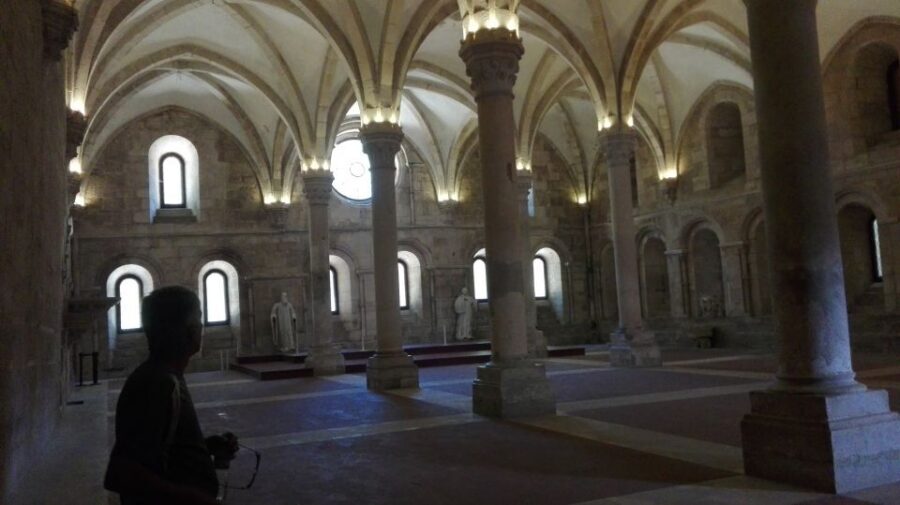
- Templar and Christ Order symbolism explained through stone details, not just dates
- Batalha’s gothic scale plus the Manueline story, including the first Portuguese stained glass
- Alcobaça’s Cistercian influence tied directly to Portugal’s formation
- Pedro I and Inês de Castro told right in front of their tombs, where the drama lands
- Pickup in several towns plus air-conditioned transport for a smoother day
- Skip-the-ticket-line access helps you spend more time looking, less time waiting
You can also read our reviews of more private tours in Fatima

Starting Smooth: Pickup and the “Use Your Time” Advantage
You start with pickup at your hotel (or bus station/train station) in the towns served: Fátima, Batalha, Leiria, Alvados, Alcobaça, Nazaré, Ourém, and Tomar. That matters more than it sounds. It means you don’t burn half a day figuring out connections or parking.
Your transport is by air-conditioned vehicle, and the tour is a private group. Depending on where you get picked up, the sequence of visits can change to minimize travel time. So you’re less likely to feel like you’re always moving in the least efficient direction.
You also get drop-off back where you started. If you’re doing this as part of a longer Portugal itinerary, that simplicity is gold.
Tomar’s Convent of Christ and Castle: Where Orders Become Architecture
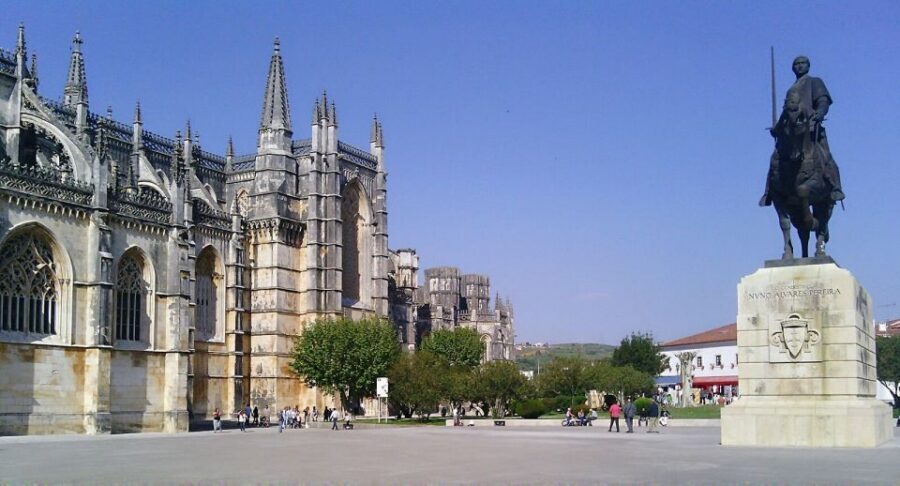
Tomar is where the day first gets interesting in a very specific way. The focus is not only the buildings themselves, but what the buildings were for and how the Orders influenced Portugal.
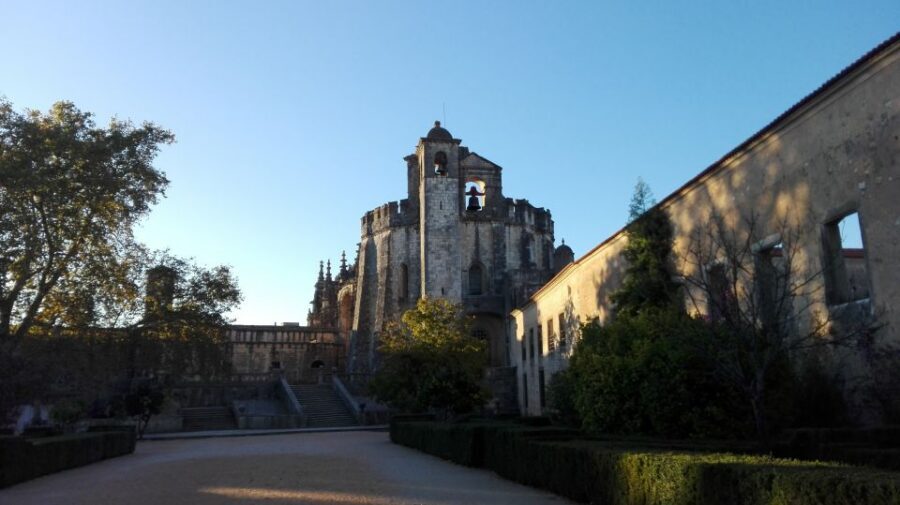
At the Castle and the Convent of Christ, you’ll appreciate multiple architectural styles: Romanic, Gothic, Manueline, and Renaissance. Seeing those layers in one place is impressive on its own. But the guide adds the bigger point: these styles aren’t random decoration. They’re part of how power, belief, and identity show up over time.
What I really like about this stop is the way it turns mystery into something you can track. You’ll hear the legends tied to the Templar Order and the Christ Order, and you’ll learn how these groups relate to the Kingdom of Portugal and the maritime discoveries that followed. It’s the kind of story that makes you look twice at stonework you’d otherwise speed past.
You’ll also be pointed to symbols in the stones, which is where the tour name-checks mysticism in a grounded way. Instead of vague “magic vibes,” you’re given practical prompts for what to look for and what it likely meant in context.
A practical consideration at Tomar
This is a big site, and time is finite in an 8-hour day. One review noted there wasn’t much time in the Convento. That can happen depending on day flow and group pace. If you’re the type who reads every plaque, plan to prioritize the areas that catch your eye first and let the guide steer you there.
Batalha’s Monastery of Santa Maria da Vitória: Gothic, Manueline, and the Sea Story
Then you head to Batalha, often called the Monastery of Holy Mary of Victory—and here the tour shines because it connects art to real historical momentum.
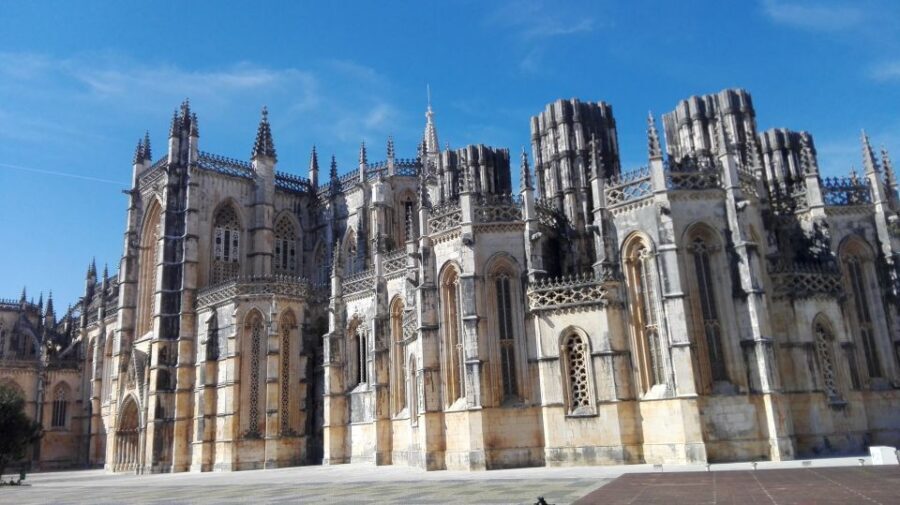
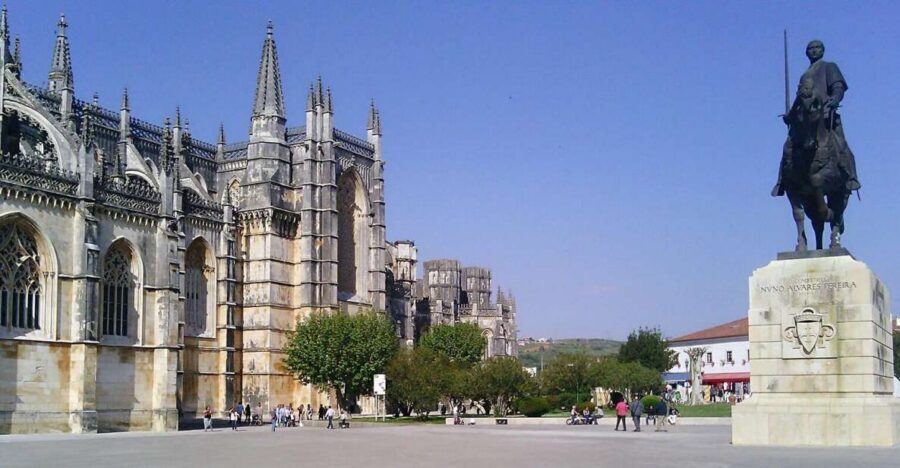
Batalha is described as Portugal’s biggest gothic monument, and it’s also where the Manueline style was born. That’s a strong reason to go even if you’re not a religious-architecture nerd. Manueline is a distinctly Portuguese visual language, and this monastery is one of its starting points.
One of the details I’d pay attention to is that the first Portuguese stained glasses were made here. That’s the kind of fact that makes the architecture feel less like background and more like technology—people were experimenting with light, color, and craftsmanship in a way that mattered.
And then there’s the maritime link. You’ll learn the history and legends of the people tied to the maritime discoveries, including Henry the Navigator, who is buried there. You’ll see how a place of worship became part of the broader story of where Portugal was heading by sea.
If you like tours that make history feel like a chain reaction—belief shaping politics shaping exploration—this stop delivers.




What to do if you love photos and details
Take a moment before you enter to decide what you’ll photograph. At a place like Batalha, it’s easy to burn time taking “pretty shots” and miss the guided points. The guide’s job here is to help you connect a visual detail to the story, so be sure to pause where they point you out.
Alcobaça Royal Abbey: Cistercians, UNESCO Scale, and a Love Story With Real Weight
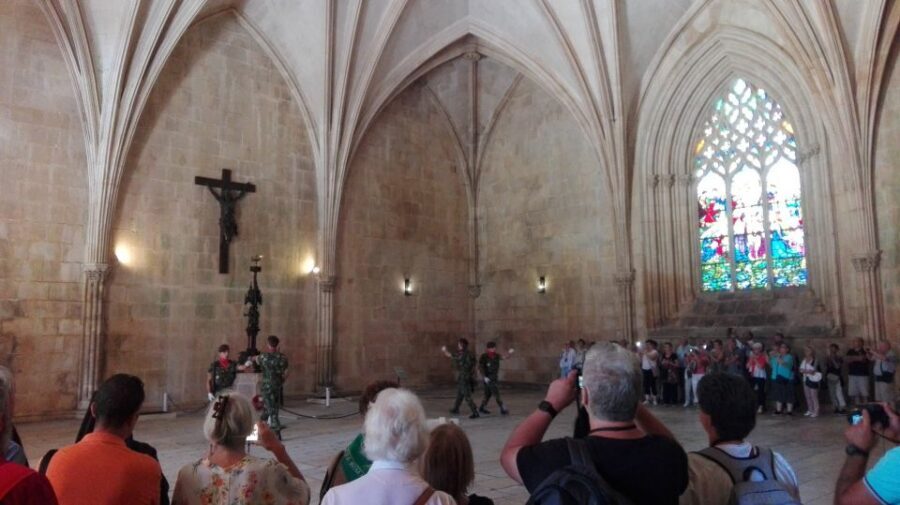
By the time you reach Alcobaça, the day shifts from symbolism to something more emotional.
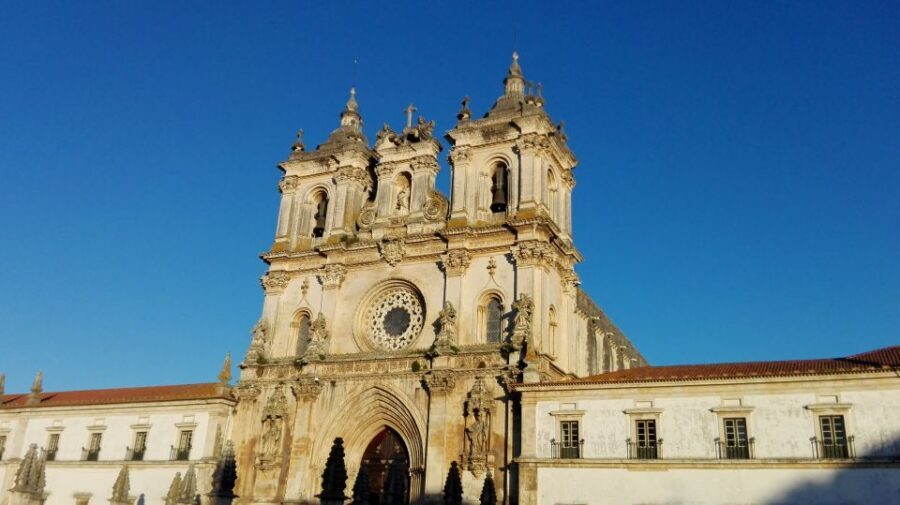
The Royal Abbey of Alcobaça is where the tour really lands its drama. It’s described as the biggest Portuguese gothic church, and it’s a UNESCO world heritage site. You’ll focus on the gothic architecture—specifically tied to the twelfth century—and you’ll discuss the influence of the Order of Cister in the creation of the kingdom of Portugal.
This matters because it explains why the abbey looks the way it does. The Cistercian influence wasn’t only about building style; it connected to how the kingdom organized culture, authority, and religious life.
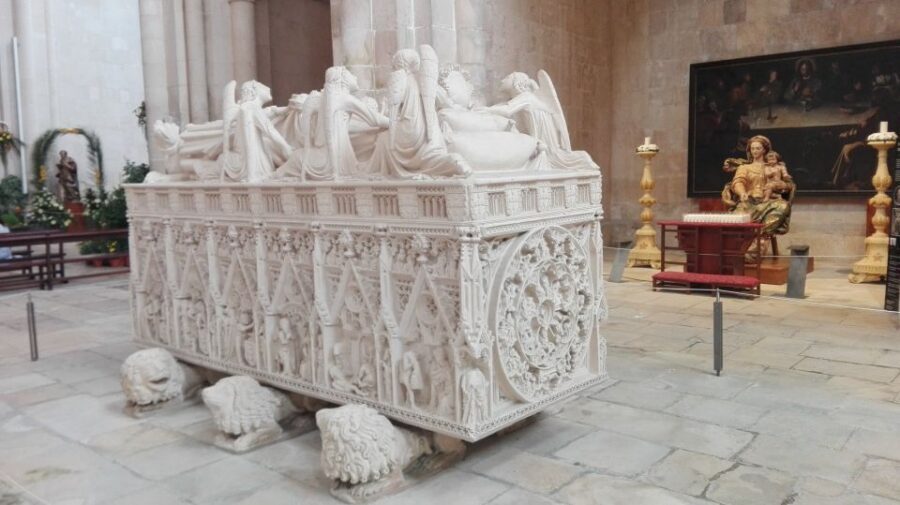
Then comes the story you can’t miss. In front of the tombs, you’ll hear the tragic love story of King Pedro I—described as cruel—and his beloved Inês de Castro, who was murdered by the king’s father’s order. The tour doesn’t treat this as gossip. It places the story right where it happened in memory, so the tragedy feels tied to stone, not just soundbites.
Tip for the tomb-telling moment
When you’re standing in front of tombs, give yourself 30 seconds of silence first. Look at the surroundings before you start absorbing the story. It helps the details settle in, and it stops the talk from feeling rushed.
Lunch, Snacks, and Souvenirs: Keeping the Day Yours
This tour doesn’t include meals or drinks, and that’s normal for an 8-hour private day. You’ll have time to take a lunch or snack, buy a souvenir, and take photos.
The key thing is the pacing is flexible based on what you want. The wording here is pretty clear: what matters most is your satisfaction. So if you want a longer photo stop at one monastery and a shorter one at another, you can usually shape the day around that.
If you’re sensitive to hunger, plan a simple snack strategy. Even a well-paced day can feel long when you’re touring multiple major monuments.
Guides Make the Difference: What Vera and Gonçalo Represent
This tour’s quality shows up through the guide style. One review highlighted Vera as warm and accommodating, with a contagious sense of awe and no rushing. Another mentioned Gonçalo as very knowledgeable about Portuguese history, especially tied to the places guests wanted to see.
What you should take from that: this isn’t a tour where you hear the same script at every stop. The best versions of the day focus on making you look and listen differently—understanding why the Templar and Christ orders mattered, not just where they were.
English, Portuguese, and Spanish are available, so you can choose the language that lets you follow every turn of the story.
Value Check: Is This $190 Private Tour Worth It?
At $190 per person for an 8-hour private tour, the math comes down to what you get besides transportation and entry time.
You’re paying for:
- a private guide who explains symbols, styles, and legends
- pickup and drop-off at your starting point in the served towns
- air-conditioned transportation
- insurance
- skip-the-ticket-line access
Entrance fees and meals are extra, so you should budget those separately. Still, for many travelers, the combination of (1) three heavy-hitter monument stops and (2) a guide who connects them into one story makes the value feel fair.
If you’re traveling with friends or family and you want control over your pace, private usually wins. If you’re the type who just wants to walk around and read the signs at your own speed, a guided private tour may feel more than you need.
Should You Book This Tomar–Batalha–Alcobaça Private Tour?
Book it if you want your Portugal day to feel like a linked story: Orders in Tomar, gothic and maritime power in Batalha, then Cistercian influence and a love tragedy in Alcobaça.
Skip it (or consider a simpler plan) if you’re on a tight schedule where every extra minute matters, because you’re packing three major sites into one day. Also note it’s not suitable for wheelchair users, and the tour doesn’t include meals—so plan around that.
If you’re ready to trade “random seeing” for guided understanding, this tour is a strong way to experience Portugal’s stone-and-story side.
FAQ
FAQ
How long is the Tomar, Batalha and Alcobaca Private Tour?
The duration is 8 hours.
How much does the tour cost?
The price is $190 per person.
What’s included in the price?
A private guide, pickup and drop-off at your hotel or local bus/train station in the served areas, transportation in an air-conditioned vehicle, and insurance.
Are meals and drinks included?
No. Meals and drinks are not included.
Are entrance fees included?
No. Entrance fees are not included.
What languages are available for the live guide?
The guide is available in English, Portuguese, and Spanish.
Where can I be picked up?
Pickup is available at hotels or bus/train stations in Fátima, Batalha, Leiria, Alvados, Alcobaça, Nazaré, Ourém, and Tomar.
Is it wheelchair accessible?
No. It is not suitable for wheelchair users.