REVIEW · FATIMA
From Lisbon: Tour Fátima, Batalha, Alcobaça, Nazaré, Óbidos
Book on GetYourGuide →Operated by Portugal Rotas e Tours · Bookable on GetYourGuide
Fátima to Óbidos in one day is a lot. This Portugal day trip strings together major religious sites and famous medieval towns, starting with the Sanctuary of Fátima and ending at Óbidos’ castle walls. You’ll cover a big chunk of central Portugal without having to plot rides and parking yourself.
I love the clear stop-by-stop structure, with guided context and enough time to take photos, ask questions, and shop a bit. I also like that you get a local taste moment: the included ginjinha de Óbidos served in a chocolate cup.
One possible drawback: it’s packed. If you want to linger quietly and read every plaque for hours, this route can feel like a fast sweep through highlights.
In This Review
- Key takeaways before you go
- Fátima to Óbidos: a one-day route with real emotional range
- The drive from Lisbon: why timing matters on an 8-hour trip
- Fátima: Chapel of the Apparitions and the Rosary Basilica
- Batalha monastery: Gothic details and a build that took over a century
- Alcobaça convent and the Hermitage of Memory
- Nazaré: fishing village vibes, sea views, and a lunch option
- Óbidos castle fortifications and the chocolate-cup ginjinha moment
- Price and value: what $117 buys you (and what it doesn’t)
- Comfort and guide quality: what to watch for on a day like this
- What I’d do to make this day feel great
- Who should book this tour (and who should skip it)
- Should you book this tour?
- FAQ
- How long is the tour?
- Does the tour include hotel pickup and drop-off?
- Is ginjinha de Óbidos included?
- Are entrance fees to monuments included?
- Is food included, or is there a lunch stop?
- What languages are available for the driver/guide?
- Is the tour wheelchair accessible?
- What are the cancellation terms and payment options?
Key takeaways before you go
- Fátima’s key buildings: Chapel of the Apparitions, Church of the Holy Trinity, and the Basilica of Our Lady of the Rosary
- Batalha’s Gothic masterpiece: a monastery complex that took over a century to build
- Alcobaça + Hermitage of Memory: monastery sights plus a meaningful stop tied to remembrance
- Nazaré sea views: chance for lunch (fresh fish) and a stop at the Sanctuary of Our Lady of Nazaré
- Óbidos’ medieval fortifications: Castle of Óbidos and the included ginjinha de Óbidos in a chocolate cup
- Smart extras for comfort: Wi‑Fi, umbrellas, and hotel pickup/drop-off to reduce stress
Fátima to Óbidos: a one-day route with real emotional range
This is the kind of day trip that changes your mood on purpose. You go from pilgrimage devotion at Fátima, to serious Gothic architecture in Batalha, to the quieter gravitas of Alcobaça, then to ocean air and Nazaré legends, and finally to Óbidos’ storybook walls and a sweet-tart shot of ginjinha.
That mix is exactly why this works. If you only have one day, you still get multiple sides of Portugal: faith culture, UNESCO-level monuments, coastal daily life, and medieval town living. It’s not just sightseeing—it’s a route that makes you feel the geography and the traditions.
You can also read our reviews of more tours and experiences in Fatima.


The drive from Lisbon: why timing matters on an 8-hour trip
An 8-hour duration sounds tight until you realize how much it covers. With hotel pickup and drop-off, you’re not wrestling with trains, transfers, or figuring out where to park for each stop.
I’d plan your day like this: expect longer stretches on the road and shorter windows at each highlight. That’s where the guide’s pacing becomes important. From what I’ve seen in the way guides approach this kind of route, some—like Joao—are praised for being flexible and for knowing when to let the group rest or nap during the longer drives.
If you get motion-sensitive, pack accordingly (light layer, water, something to settle your stomach). The trip’s structure assumes you’ll be ready for a steady rhythm.
Fátima: Chapel of the Apparitions and the Rosary Basilica
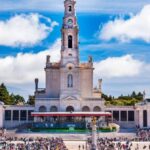
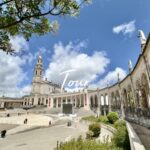
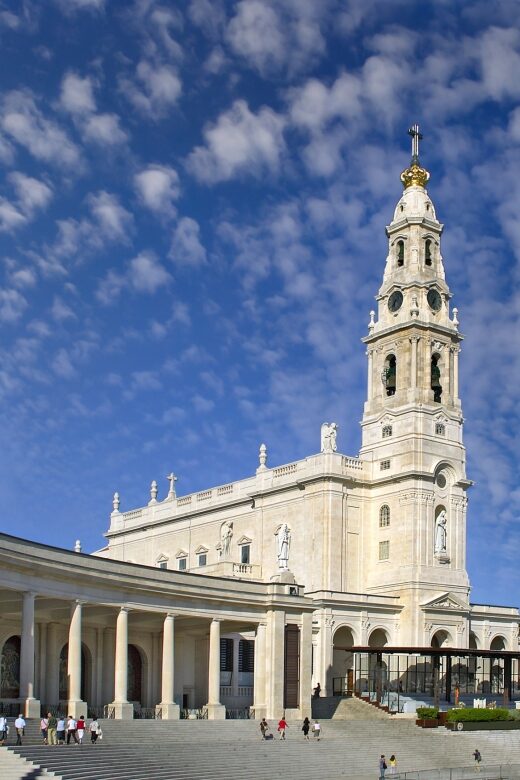
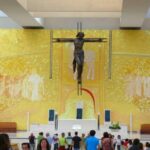
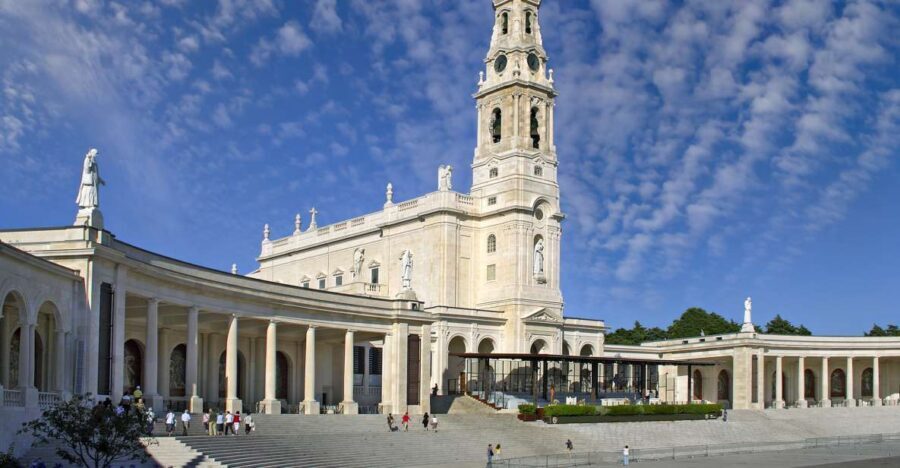
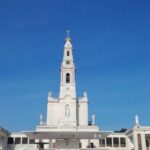
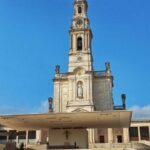
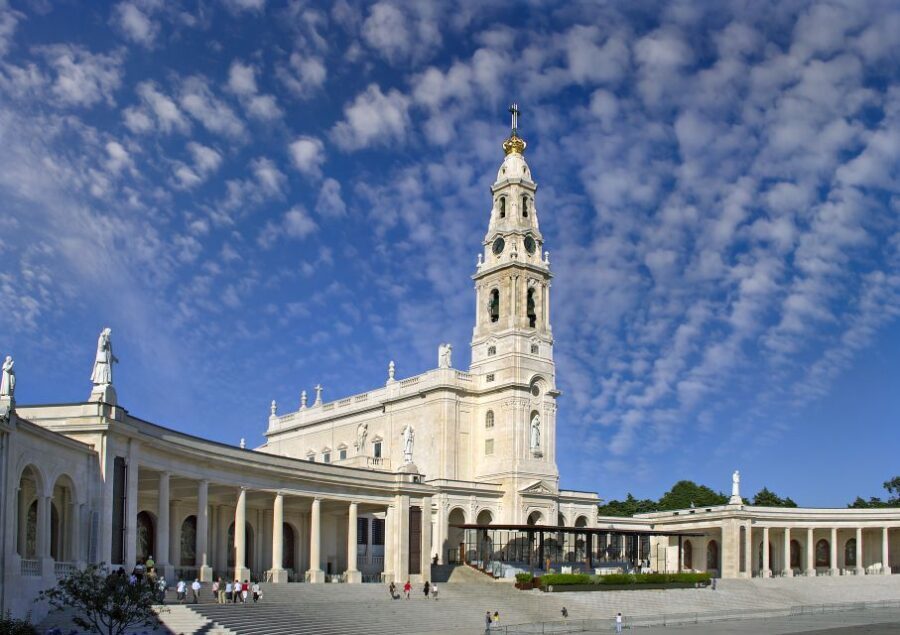
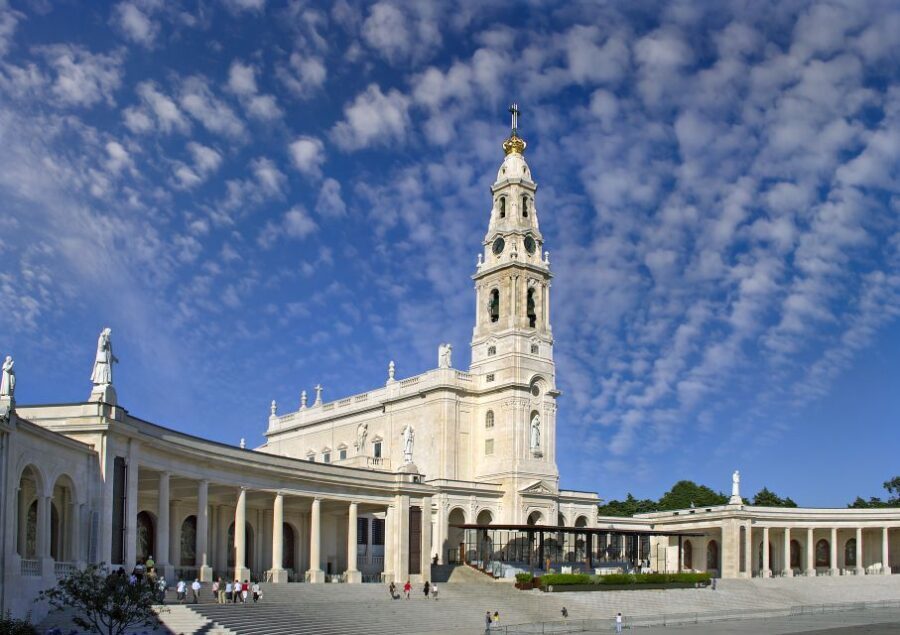
Fátima is where the day starts with full weight. You’ll visit the Sanctuary of Our Lady of Fátima, including the Chapel of the Apparitions and the Church of the Holy Trinity. Then you’ll see the Basilica of Our Lady of the Rosary, a major place for both Catholic pilgrims and tourists.
What I like about this stop is that it gives you landmarks you can actually anchor in memory. The Chapel of the Apparitions is the dramatic core. The Church of the Holy Trinity adds another layer of religious architecture and meaning. And the Basilica of Our Lady of the Rosary is the big, elegant scale-piece that helps you understand why people return again and again.
Practical tip: wear comfortable shoes. Even if you don’t spend a long time inside every building, you’ll likely walk between key points in a busy sacred area. Also, keep your phone ready—this is one of those places where the lighting and the angles make photos look good fast.
Batalha monastery: Gothic details and a build that took over a century
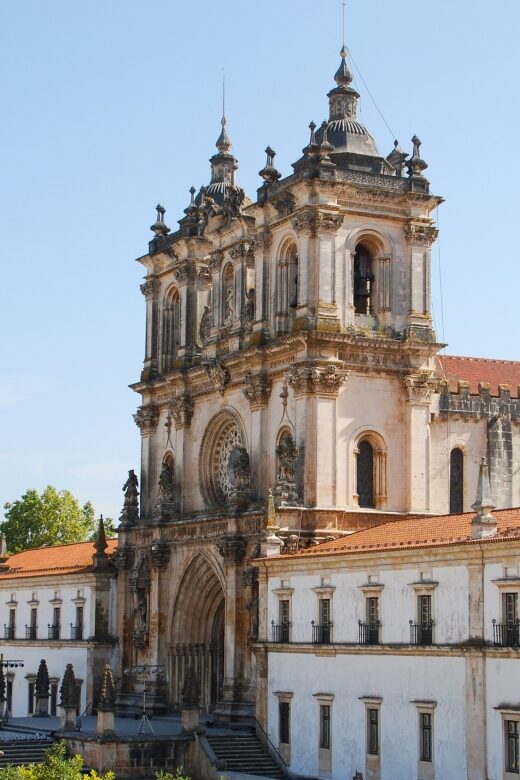
Next comes Batalha, and the Monastery of Batalha. This stop is famous for being one of the most important Gothic sites in Portugal, and the detail you’re meant to appreciate is the patience behind it. It took over a century to build.
I recommend treating Batalha like a “slow-looking” stop, even within a tight day. Don’t just glance upward and move on. Look for how the Gothic forms change the feel of space—height, light, and ornament work together. That’s the kind of architecture that rewards even brief attention.
You’ll get guided context while you’re there, and the best tours give you time to take photos and ask questions. If you’re the kind of person who likes to understand what you’re looking at—not just record it—that extra commentary can make Batalha feel more than a postcard.
A heads-up: entrance fees to monuments aren’t included, so you should expect add-on costs at Batalha (and at other stops). If you hate surprise budgets, plan to bring a little extra cash or card for tickets.
Alcobaça convent and the Hermitage of Memory
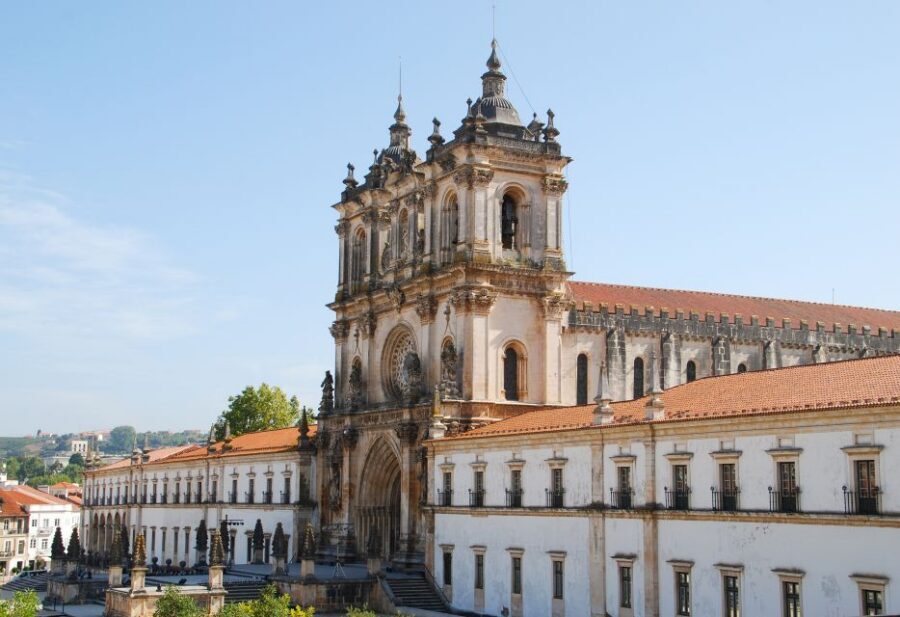
Then you head to Alcobaça, where the Convent of Alcobaça is the headline. It’s one of those major religious sites that feels both historic and grounded—massive enough to impress, and specific enough to matter.
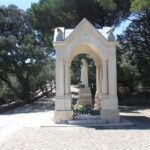
You’ll also visit the Hermitage of Memory. That pairing helps the day feel less like a checklist and more like a story of remembrance. Even if you don’t know every historical detail, the guide’s explanations help connect the dots between monuments and meaning.
Here’s the key value of Alcobaça on a single-day route: it slows the emotional pace after the intensity of Fátima. If your brain is buzzing from early stops, this is the moment to take a breath, look around, and let the site’s scale sink in.
Practical tip: take note of your priorities. If you want photos, go for them early before you get tired. Alcobaça is the kind of place where your attention span can drop if you’re running on fumes.

Nazaré: fishing village vibes, sea views, and a lunch option
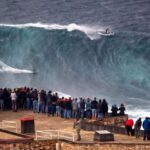
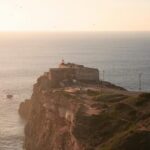
Nazaré is the palate cleanser. It’s a fishing village with sea views, and you’ll have the option to stop for lunch. The idea is simple: try fresh fish while you’re surrounded by the coastal atmosphere.
Nazaré also has a religious stop—the Sanctuary of Our Lady of Nazaré—plus a chance to learn about the Legend of Nazaré. That legend element is the bridge between everyday village life and the sacred narratives people carry here.
This is where I’d be most strategic with your time. If you want lunch, don’t plan to also linger forever for photos. Choose one: either enjoy the meal slowly (and take pictures after), or take a few must-have shots first and then eat. Both ways work—you just don’t want to run late and end up rushing the sanctuary part.
And yes, this is a great stop for people who want real life, not just stone monuments. If you enjoy seeing how places live, Nazaré delivers.
Óbidos castle fortifications and the chocolate-cup ginjinha moment
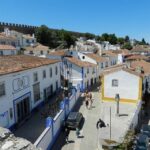
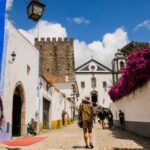
By the time you reach Óbidos, you can feel the day shifting into “Portugal-as-a-storybook.” Óbidos is medieval, compact, and built around fortifications. You’ll visit the Castle of Óbidos to see the walls and defensive structures up close.
The standout included cultural moment here is the ginjinha de Óbidos served in a chocolate cup. It’s one of those small things that makes the experience memorable because it’s both local and immediate. You’re not just learning; you’re tasting.
If you’re trying to decide what to do with your energy at Óbidos, I’d focus on the walkway and viewpoints around the castle area. The medieval walls give you structure for photos, and the town vibe makes even short exploration feel rewarding.
Also, because this day includes multiple religious and monument stops, the Óbidos section is a nice reset. Your brain gets a “fun” section after the solemn parts.
Price and value: what $117 buys you (and what it doesn’t)
The price is listed at $117 per person for this 8-hour route. For that, you’re getting a lot of logistical value: hotel pickup/drop-off, an on-the-ground guide, and included comfort items like Wi‑Fi and umbrellas.
You’re also getting the ginjinha de Óbidos, bottled water, and a 24-hour service component. Those details matter if you don’t want to think about small stuff while you’re on the move.
Now for the trade-off: entrance fees to museums and monuments are not included, and food isn’t included. So your final spend can rise once you account for tickets and lunch (especially if you choose to eat in Nazaré).
One more practical cost consideration: if your group is small, you might run into minimum-person pricing that can change what you pay. That can be a real issue if you’re booking solo or a tiny group and expecting a clean per-person rate.
My advice: treat $117 as the baseline for transport + guided route + the included drink, then budget extra for monument entry and any meals. If you do that, the day feels like good value instead of an unpleasant surprise.
Comfort and guide quality: what to watch for on a day like this
This kind of itinerary lives or dies by the guide. You’re traveling from stop to stop with limited time at each, so explanations and pacing become part of the product.
From what I’ve learned about how guides run this route, some names come up for a reason. Joao is described as exceptional—knowledgeable in the sense that he explains things well, but also entertaining and flexible, and good at reading the room so you don’t feel rushed. Paolo gets credit for arriving early, having a comfortable Mercedes van, and giving enough time at each location to take photos and ask questions, plus time to shop.
Pedro and Peter are also noted for being friendly and discreet, with explanations throughout the drive. In other words: you’re likely to get more than just directions; you’ll get context that helps you connect what you see.
Still, there’s a mismatch risk. If you’re the type who wants to study each site slowly and go deep, the full day can feel like too many elements packed together. In that case, this tour works best if you view it as a “highlights sampler” and not a detailed course.
What I’d do to make this day feel great
If you want this trip to feel satisfying instead of frantic, here’s my practical plan.
First, wear shoes that work for walking. Even “light” time at each site adds up. Second, bring a small snack or a travel-size water bottle, because while bottled water is listed as included, I’ve also seen cases where it wasn’t actually available as expected—so don’t bet your day on it.
Third, decide your photo priorities before you’re inside. At Fátima, Batalha, and Alcobaça you’ll want a few key images quickly. At Nazaré and Óbidos, you can loosen up and explore more.
Finally, keep expectations realistic: it’s one day, eight hours, and multiple major stops. You’re going home with a stack of memories, but not the same level of slow immersion you’d get on a multi-day trip focused on only one region.
Who should book this tour (and who should skip it)
I’d recommend this for you if you:
- want a smart one-day introduction to central Portugal’s biggest religious sites and medieval towns
- prefer guided context and efficient logistics over DIY planning
- like the idea of combining religious architecture, coastal life, and castle fortifications
Skip it if you:
- need long, quiet time inside each monument (you might feel rushed)
- hate add-on expenses like entrance fees and meals
Also, if you’re traveling with family or mixed interests, this itinerary has something for everyone: sacred sites, architecture, sea views, and a fun local drink moment.
Should you book this tour?
If you’re aiming to make the most of a single day from Lisbon, I think this is a strong choice. The route hits the major names—Fátima, Batalha, Alcobaça, Nazaré, and Óbidos—and it does it with pickup/drop-off, included comfort extras, and a cultural payoff in the form of ginjinha.
Book it if you’re comfortable with a packed schedule and you want guided highlights rather than deep study. Consider a different plan if you know you’ll want hours in one place. In short: this tour is for momentum, variety, and “I saw the essentials” confidence.
FAQ
How long is the tour?
It lasts 8 hours.
Does the tour include hotel pickup and drop-off?
Yes, hotel pickup and drop-off are included.
Is ginjinha de Óbidos included?
Yes. Ginjinha de Óbidos is included as part of the experience, served in a chocolate cup.
Are entrance fees to monuments included?
No. Entrance fees to museums and monuments are not included.
Is food included, or is there a lunch stop?
Food is not included. You have the option to stop for lunch in Nazaré.
What languages are available for the driver/guide?
The driver speaks Portuguese, French, Spanish, and English.
Is the tour wheelchair accessible?
Yes, it is wheelchair accessible.
What are the cancellation terms and payment options?
You can cancel up to 24 hours in advance for a full refund, and you can reserve now and pay later.
If you want, tell me your travel dates and whether you prefer early starts or a slower pace—I can help you decide if this itinerary fits your style.