REVIEW · LISBON
Lisbon: Fado & Food Tour with Live Show & Traditional Dinner
Book on GetYourGuide →Operated by Devour Tours · Bookable on GetYourGuide
Fado isn’t just music here. This evening tour links live fado with Portuguese food in some of Lisbon’s most atmospheric streets, then tops it off with a traditional dinner and a show in a real fado venue. It’s a full night out, not a rushed stop-and-snap.
What I like most is the combo: you get 9 tastings and 3 drinks plus the tickets for the fado performance, so you’re not guessing about meals or where to go next. Another big win is the guide—people mention passion and clear explanations, and when you land with someone like Jaime, you get the why behind fado, not just the what.
One thing to consider: this is a walking tour with a moderate pace and it isn’t suitable for wheelchair users, strollers, or mobility impairments. If your feet are touchy, wear supportive shoes and plan for cobblestones and hills.
In This Review
- Key highlights worth your time
- Why this Lisbon food-and-fado evening works
- Meeting at Praça da Figueira (and why that start matters)
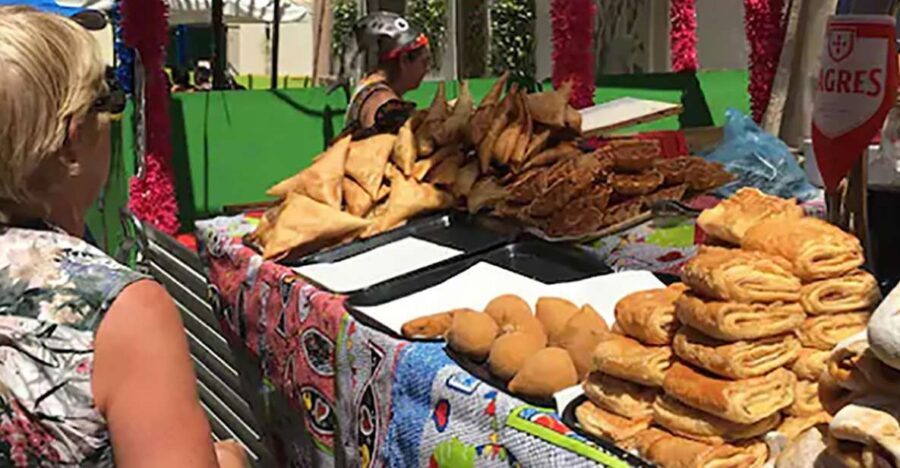
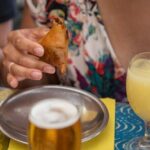
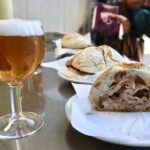
- Stop 1: Ouriveis Petisqueira and the petiscos momentum
- Alfama walking time: story, viewpoints, and fado context
- Stop 3: Alfama street experience plus more food
- Stop 4: O Segredo d’Alfama for the long finale
- The ginjinha tasting: the part most people miss
- Drinks and meal math: what you’re really getting for $124
- The guide makes or breaks it (and Jaime is a clue)
- How hard is the walk, really?
- Who should book this fado and food tour?
- Price and value: is $124 a good deal?
- Should you book it?
- FAQ
- How long is the Lisbon fado and food tour?
- Where do I meet the guide?
- Is the tour group small?
- What food and drinks are included?
- Is there a live fado performance?
- What dietary needs can this tour accommodate?
- Is this walking tour suitable for wheelchairs or strollers?
Key highlights worth your time
- A live fado house experience paired with a full Portuguese dinner, not just background music
- Homemade ginjinha in a local home, the kind of taste you rarely manage to fit into a normal visit
- Alfama and Mouraria walking time focused on story, viewpoints, and how the neighborhoods shaped fado
- Small group size (12 max), which keeps the pace human and questions actually get answered
- English-speaking guide with local knowledge and fado context (Jaime gets major mentions)
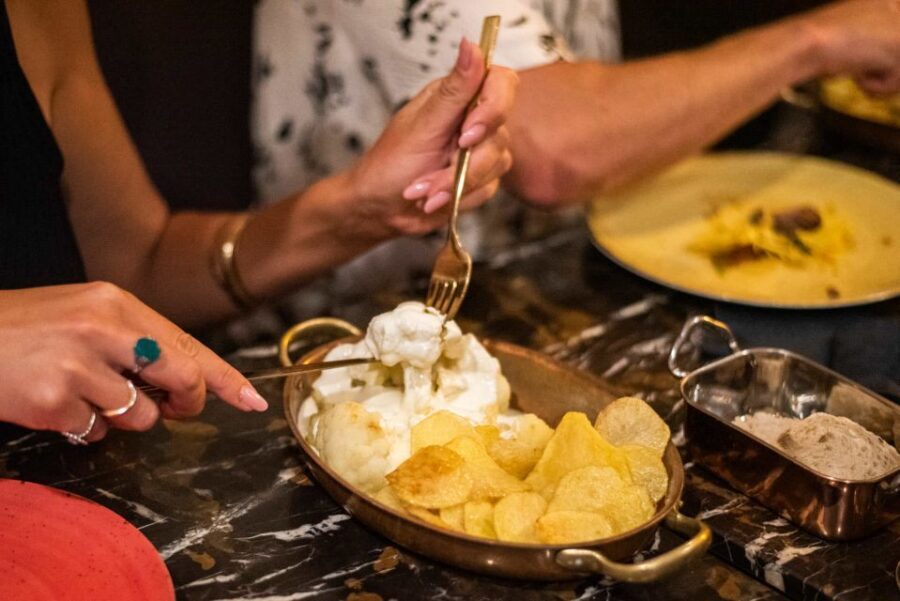
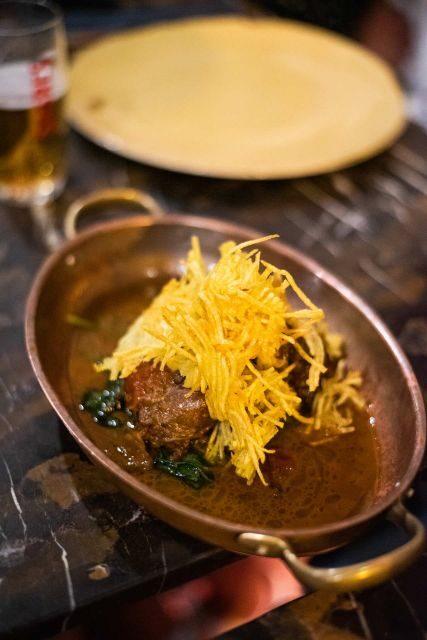
- Food stops that build into a meal: petiscos along the way, then the longer final sit-down
Why this Lisbon food-and-fado evening works
Lisbon can be loud and touristy on the main drags. This tour aims for a different feeling: older streets, slower conversations, and the emotional center of Portugal—saudade, the longing you hear in fado.
The smart part is how the evening is built. You don’t just “watch music.” You eat your way through Portugal first—petiscos, tastings, and a full dinner—then fado hits with more meaning. By the time singers start, you understand what the songs are carrying and why Lisbon holds onto them.
And yes, the night is structured. You’ll start at Praça da Figueira, walk through Alfama and Mouraria, then land at the final venue for the longer segment with fado.
You can also read our reviews of more food & drink experiences in Lisbon


Meeting at Praça da Figueira (and why that start matters)
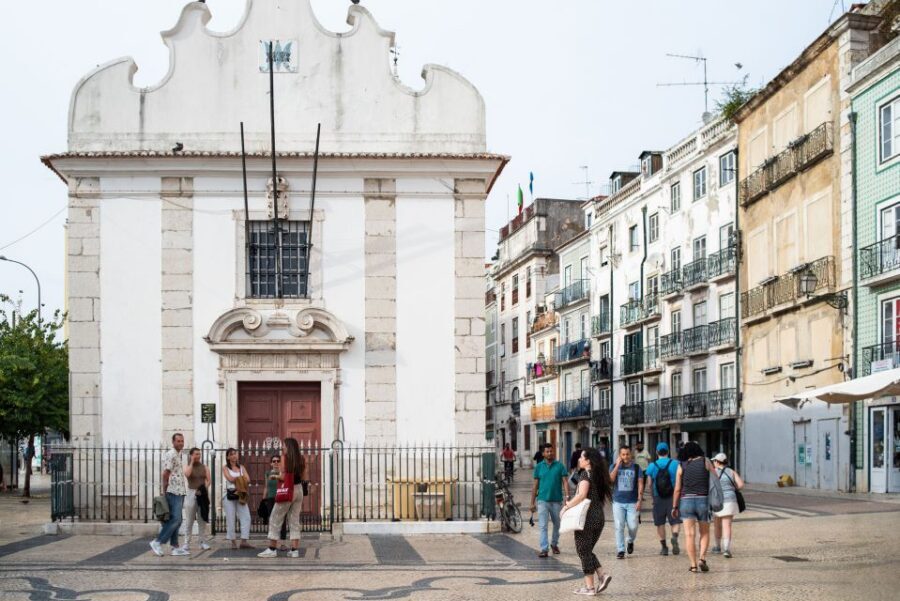
The tour meets at Praça da Figueira, in front of the statue of Dom João I (King John I). Show up about 15 minutes early, because this is the moment you get grouped up and oriented before you start moving.
This matters more than it sounds. Starting in a public square helps you avoid that classic “Where’s the group?” stress. Plus, it sets you up for an evening that’s mostly on foot, with the right rhythm for narrow streets and viewpoints later.
Bring comfortable shoes. Even if you’re a confident walker, Lisbon’s surfaces can be unforgiving. Plan for cobbles and short uphill pulls.
Stop 1: Ouriveis Petisqueira and the petiscos momentum
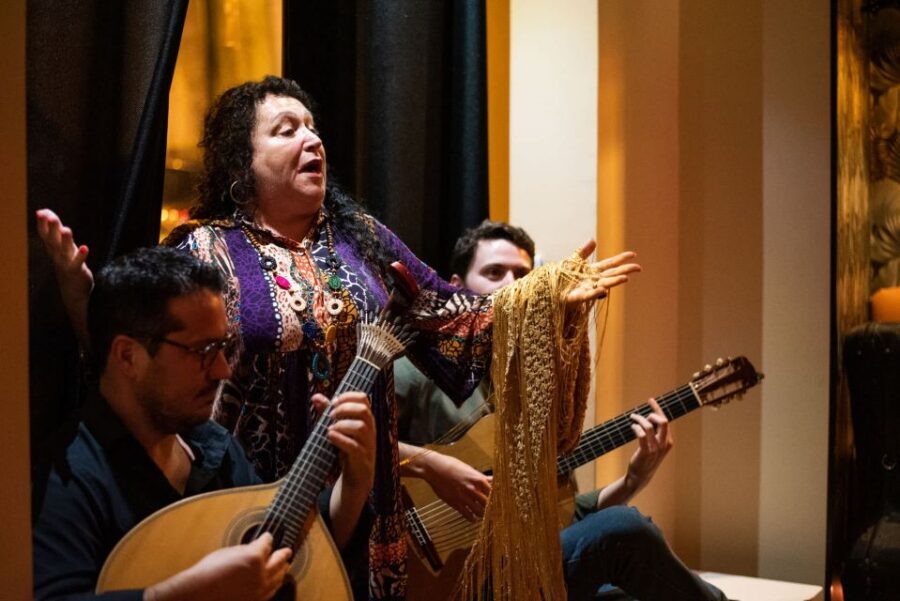
The first food stop is Ourives Petisqueira, paired with guided walking and food tasting (about 50 minutes). This is where the evening gets its legs under you.
Why I like this approach: petiscos are not just snacks. They’re how locals make eating social. A tasting at the right moment also sets expectations for the bigger meal coming later—so you don’t show up hungry and then feel rushed when the fado portion starts.
Also, it helps you get comfortable with the flow of the night. You’ll be tasting while your guide keeps the story moving, instead of doing a long “look at buildings” walk with no payoff.
Alfama walking time: story, viewpoints, and fado context

Next you spend time in Alfama (another guided segment with food tasting, again around 50 minutes). This is the neighborhood people picture when they imagine Lisbon’s old soul: steep lanes, small corners, and that feeling of being in the middle of everyday life.
More importantly, this part gives fado its local setting. Fado didn’t grow in a vacuum. It’s tied to community spaces, the street level, and the emotions of ordinary people. A good guide explains that so the music doesn’t feel like a museum piece.
A practical note: this section is still walking. If you’re coming straight from another tour or a long day, keep your water intake sensible and save a bit of energy for the later dinner segment.
Stop 3: Alfama street experience plus more food
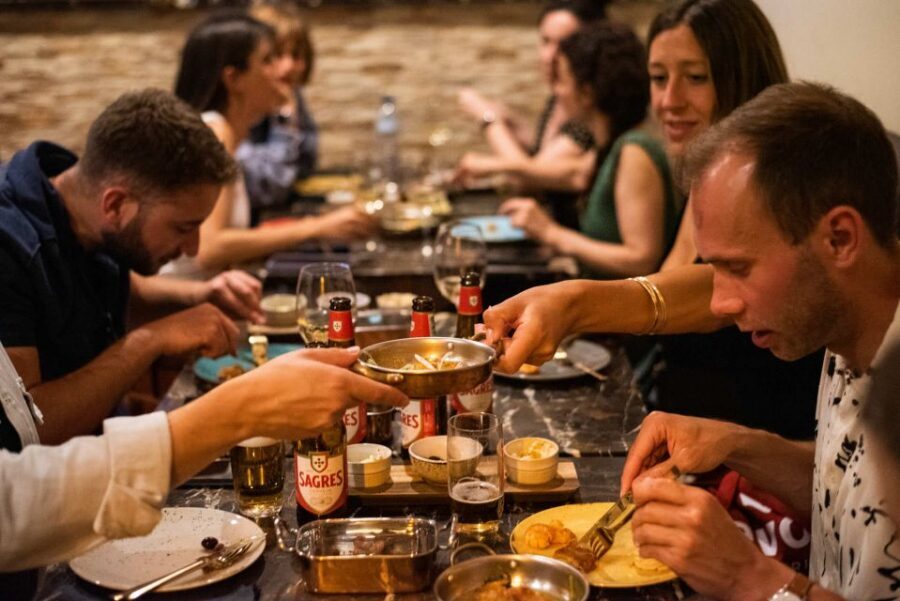
As the night continues, you’re not just consuming; you’re connecting. The tour’s structure keeps you in motion, but it also keeps the food tied to place and meaning.
One value of this style is that you learn how to order and what to look for later. If you’ve ever wandered into a Lisbon restaurant unsure what to pick, a guided tasting sequence can make you less dependent on menus and more confident once you’re on your own.
You can also read our reviews of more tours and experiences in Lisbon


Stop 4: O Segredo d’Alfama for the long finale
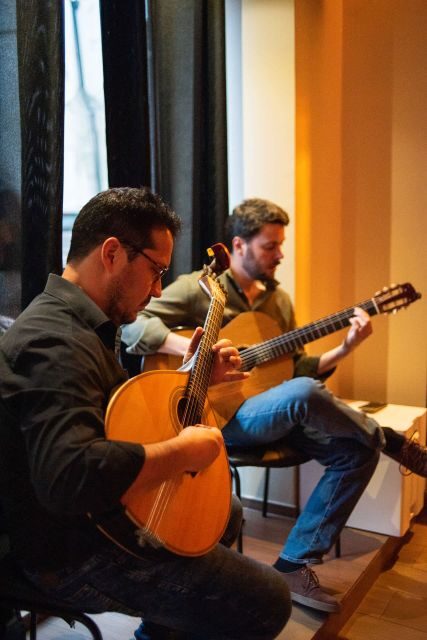
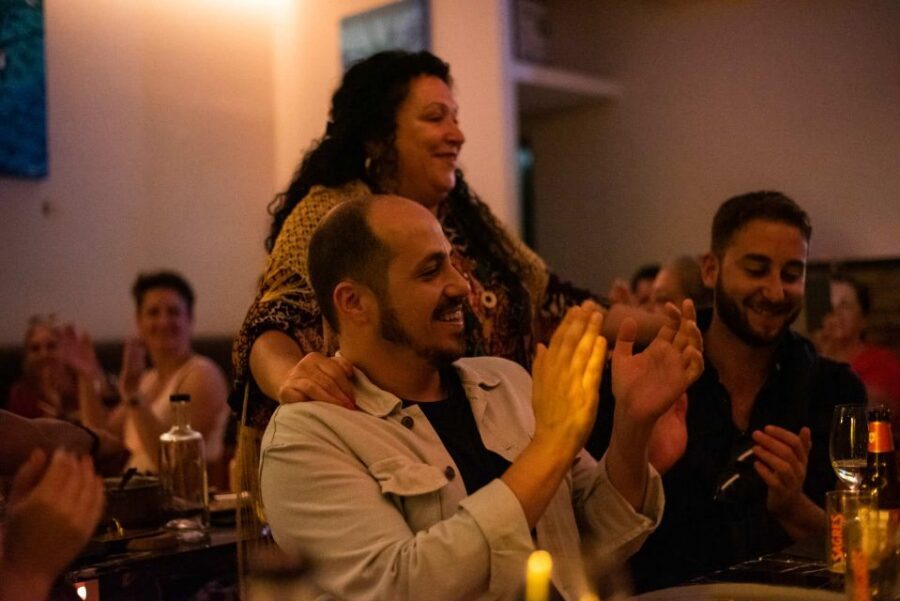
The evening’s longest portion is at O Segredo d’Alfama (about 2 hours 20 minutes). This is where the tour shifts from “tasting stops” into the main event: a more extended food experience along with the live fado performance.
Here’s why the timing works. Fado is dramatic music. If you’re still bouncing from earlier stops, it can become background noise. This long final segment gives you time to settle in, eat at the pace the room allows, and then really listen when singers take over.
In the overview, the tour promises a traditional three-course Portuguese dinner as part of the fado house experience. So you get the practical benefit of a full meal, not just a few bites alongside the show.
The ginjinha tasting: the part most people miss
One standout on this tour is the homemade ginjinha tasting in a local resident’s home. You get a taste of Portugal’s famous cherry liqueur—and it’s served in a home setting, not a tourist bar.
That changes the feel. Ginjinha is everywhere in name, but the home version often carries a different story: how it’s made, when it’s shared, and what it means to the person who grew up with it.
If you’re a flavor person, this stop alone is worth paying attention to. If you’re not an alcohol fan, the tour does offer non-alcoholic options, though it also notes that you may not have a replacement at every stop—so email ahead if that’s important for you.
Drinks and meal math: what you’re really getting for $124
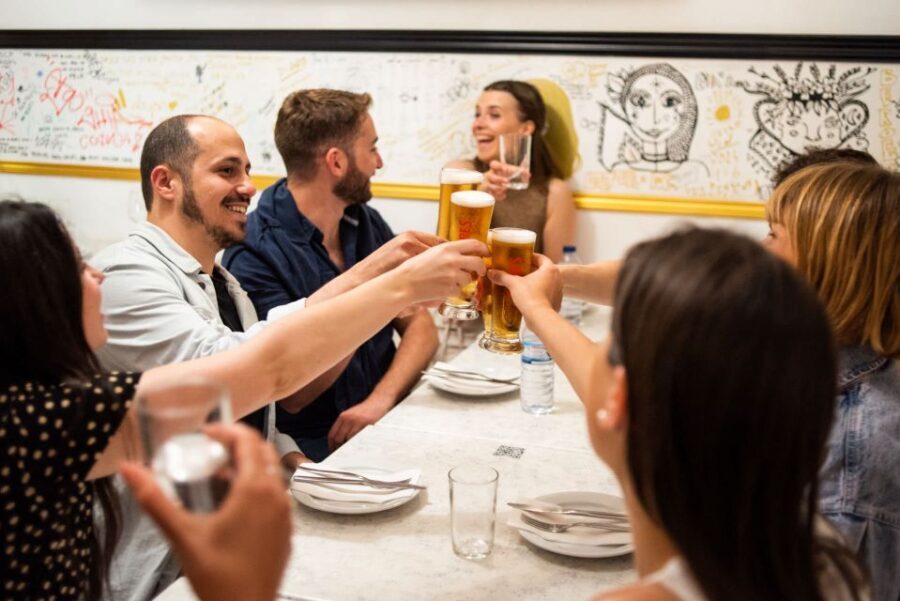
The price is $124 per person for about 4 hours. That number looks simple, but the value comes from stacking multiple parts:
- Tickets to the fado performance
- A guided walking experience
- 9 food tastings and 3 drinks
- Plus a traditional three-course dinner during the fado segment
So you’re not paying for one “thing.” You’re paying for a coordinated evening where food and music are scheduled together and explained by a local guide.
In Lisbon, it’s easy to find fado tickets. It’s also easy to find dinner. The hard part is doing both well in a way that fits into a compact evening and still includes meaningful street time. This tour tries to solve that.
And because the group is limited to 12 guests maximum, you avoid the chaos that can ruin food experiences (and make it harder to ask questions).
The guide makes or breaks it (and Jaime is a clue)

The consistent thread in the best experiences is the guide. The name Jaime comes up with praise for passion and for explaining the why behind the neighborhoods and fado.
That’s not just “nice commentary.” In a fado setting, context changes everything. It’s one thing to hear a singer’s voice. It’s another to understand what saudade is pointing at, and how Portugal’s story shows up in the lyrics.
If you care about getting more meaning from performances (instead of treating them like entertainment only), this kind of guide-led format is what you want.
How hard is the walk, really?
This isn’t a “sit on a bus” evening. It’s built around walking and a moderate pace. The tour is not suitable for wheelchair users, and strollers aren’t allowed.
If you’re generally mobile, you should be fine—just plan around hills and cobblestones. Bring shoes you’d trust on uneven pavement, and pace yourself through the middle segments so you’re comfortable during the longer final venue time.
Diet note: the tour can adapt for vegetarians, pescatarians, gluten-free (not celiacs), dairy-free, non-alcoholic options, and pregnant women. It also flags that you might not have a replacement option at every stop. If you have serious allergies, you’ll need to sign an allergy waiver at the start, and it says to email the team after booking so they can arrange ingredients.
Who should book this fado and food tour?
This tour fits you best if you want:
- A structured evening that combines food and fado without decision fatigue
- A small-group guide-led walk in Alfama and Mouraria
- Context for fado that helps you understand what you’re hearing
- A full dinner experience rather than just snacks
It might not be your match if:
- You need step-free access (this one isn’t suitable for wheelchairs)
- You can’t manage moderate walking for multiple segments
- You’re strictly vegan (the tour is not suitable for vegans)
Price and value: is $124 a good deal?
For $124, you’re paying for a guided walking evening plus multiple tasting stops, drinks, and fado tickets, with a full dinner built into the final venue.
That’s solid value if you would otherwise have to:
1) pay for fado access,
2) plan where to eat, and
3) still find time to do meaningful street exploration.
The tour’s biggest value is coordination. It saves you from figuring out timing, ordering, and where to go for an experience that actually connects fado to place.
Should you book it?
If you like Portuguese food and you care about the emotional side of fado, I’d book it. The pairing of tastings + three-course dinner + live fado, plus the Alfama/Mouraria story walk, is exactly the kind of “two birds, one evening” deal you want in Lisbon.
If you’re unsure, use this quick filter:
- Book if you want an evening with food you can taste and a show you can understand.
- Pass if walking distance is a problem, or if your dietary needs are strict enough that you’d need guaranteed replacements at every single stop.
FAQ
How long is the Lisbon fado and food tour?
It lasts about 4 hours. The exact start times can vary, so check availability for when your evening options begin.
Where do I meet the guide?
You meet at Praça da Figueira, in the square in front of the statue of Dom João I (King John I). Aim to arrive around 15 minutes early.
Is the tour group small?
Yes. It’s limited to a maximum of 12 guests.
What food and drinks are included?
You get 9 food tastings and 3 drinks. The night also includes a traditional three-course Portuguese dinner and a taste of homemade ginjinha.
Is there a live fado performance?
Yes. The tour includes tickets to a fado performance at the final venue.
What dietary needs can this tour accommodate?
It can be adapted for vegetarians, pescatarians, gluten free (not celiacs), dairy free, non-alcoholic options, and pregnant women. It’s not suitable for vegans and not suitable for celiac disease. The tour notes you may not have a replacement food option at every stop, and serious allergies require advance coordination.
Is this walking tour suitable for wheelchairs or strollers?
No. It’s not suitable for wheelchairs or mobility impairments, and baby strollers aren’t allowed. Comfortable shoes are recommended, and guests should be able to walk at a moderate pace.