REVIEW · LISBON
Lisbon: Entry Ticket for the History of Cod Visitor Center
Book on GetYourGuide →Operated by Distributor: GetYourGuide Tours & Tickets GmbH · Bookable on GetYourGuide
Cod has a story, and it’s surprisingly human. This small waterfront stop in Lisbon’s historic center uses the humble fish to explain Portuguese food, culture, and seafaring life. With a prebooked entry ticket, you can go in when your timeslot starts and explore at your own pace.
I love that the exhibit focuses on practical, real-world detail: how bacalhau was fished, and what life on the water had to do with the way people ate. I also like the way it connects old sailor stories to the table, including the myth of the faithful friend at table.
One thing to consider: this is a small visitor center. If you expect a long, guided-style experience or lots of hands-on activities, you might feel it’s too short.
In This Review
- Key things to know before you go
- A one-day ticket that turns bacalhau into a full story
- Where to enter: Centro Interpretativo Da História Do Bacalhau in Lisbon
- Inside the exhibit: cod fishing, sailor stories, and the long-distance reality
- The cod becomes Portuguese by force of distance
- The stories at the heart of the exhibit
- The myth of the faithful friend at table
- How bacalhau moves from fishing to recipes—and what you’ll learn
- How bacalhau is fished
- New recipes and how the future might look
- How long it takes (and why the small timeslots can be a plus)
- Is it good value at about $4.72?
- Best for who: food travelers, culture seekers, and Lisbon walkers
- Quick tips so you get the most out of your visit
- Should you book the History of Cod Visitor Center ticket?
- FAQ
- How long is the visit?
- Is this a guided tour?
- Where do I enter the visitor center?
- What languages are available?
- How large are the entry groups?
- Can I cancel for a refund?
Key things to know before you go
- Self-guided museum time: you explore without a guided tour
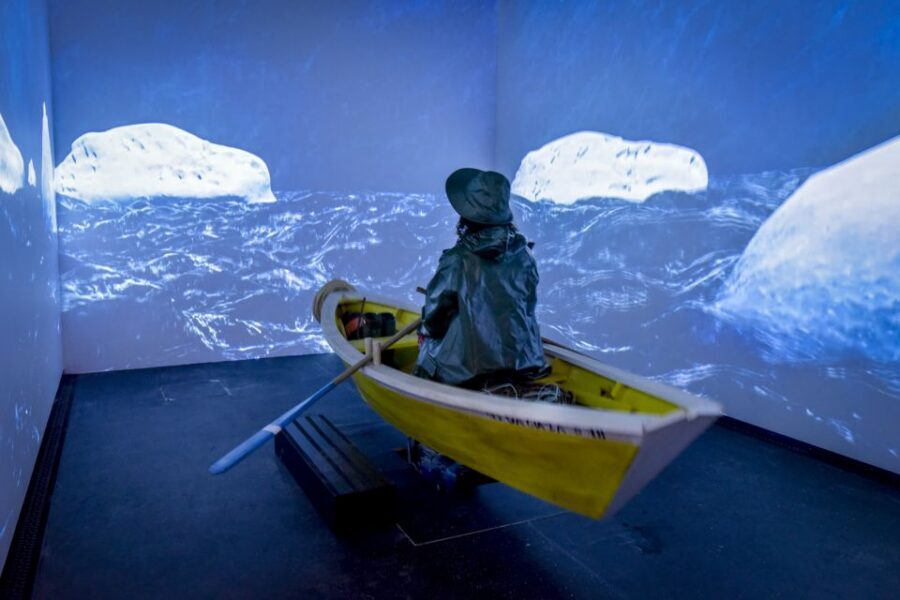
- Cod fishing routes explained: including Portuguese sailors traveling as far as Greenland and Newfoundland
- Food culture, not just seafood: bacalhau as a symbol of Portuguese history and identity
- Practical cooking future: how cod is fished today and new ways to cook it
- Tiny group timeslots: up to 4 people per slot, with 4-minute gaps between slots
A one-day ticket that turns bacalhau into a full story
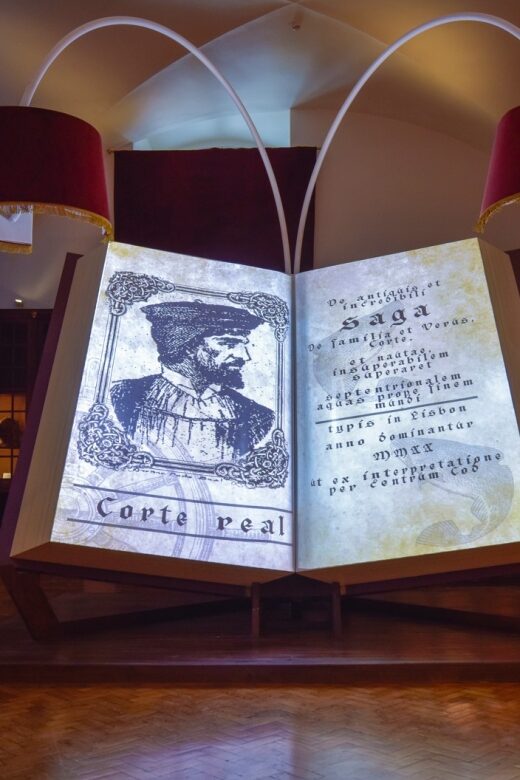
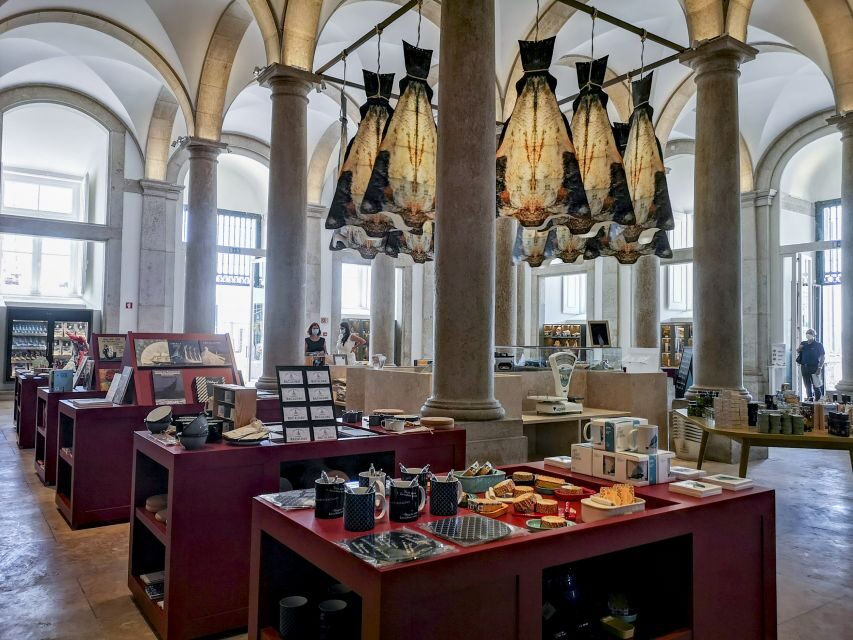
This is the kind of place you visit when you want more than a quick bite of history. The History of Cod Visitor Center uses one theme—cod, or bacalhau—to connect Portuguese culture to the sea. You walk through sections that explain why this fish became central to everyday life, not only a luxury item.
For me, the big value is the pacing. You’re not stuck in a group. You can slow down when something catches your eye, or speed through sections that don’t grab you. And because it’s tied to Lisbon’s waterfront, it works nicely as a stop between other nearby sights.
There’s also a subtle benefit if you’re into food travel. Bacalhau can feel like a forever-food in Portuguese cooking, but the center helps you understand why: it’s tied to long fishing distances, generations of sailors, and a set of table traditions that grew over time.
You can also read our reviews of more tours and experiences in Lisbon



Where to enter: Centro Interpretativo Da História Do Bacalhau in Lisbon
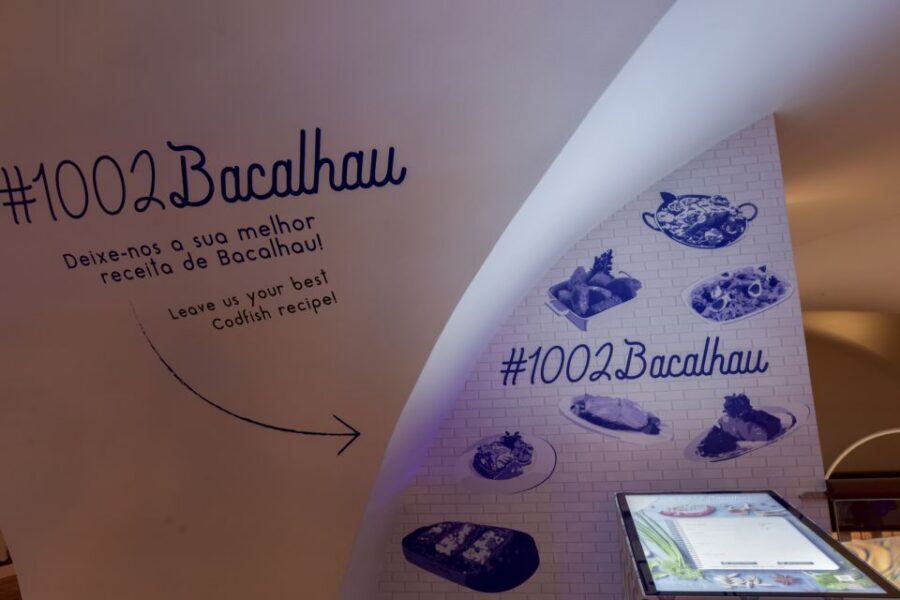
You’ll want to plan to enter at Centro Interpretativo Da História Do Bacalhau. The museum sits in Lisbon’s historical city center on the waterfront, which matters more than you might think.
Why? Because you’re more likely to make this part of a satisfying walking route instead of treating it like a separate errand. If you’re already moving around the waterfront area, you can slot this in without backtracking.
Also, you should arrive with your timeslot in mind. The center runs in timed entries, and the experience is designed around that short window.
Inside the exhibit: cod fishing, sailor stories, and the long-distance reality
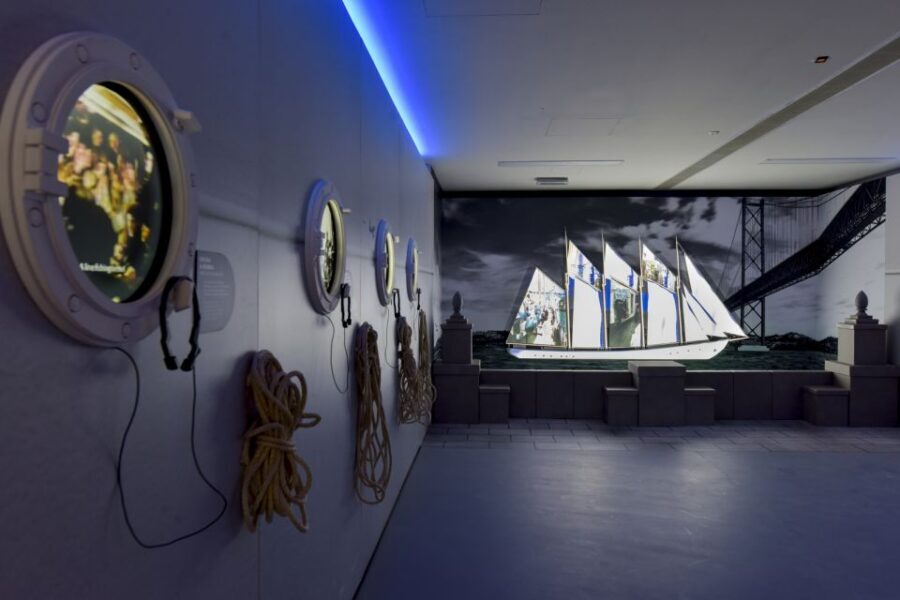
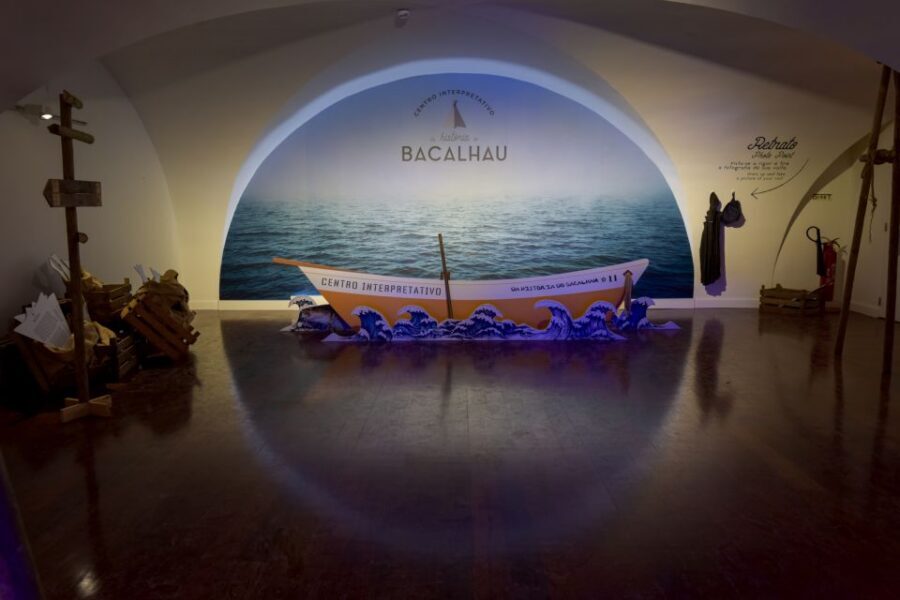
Once you’re in, the museum organizes the story in sections. The main thread follows cod as a symbol—something Portuguese people carried from the sea to the table, and then passed along across generations.
Here’s what you can expect as the themes unfold:
The cod becomes Portuguese by force of distance
One section focuses on how Portuguese fishermen traveled for cod to the ends of the Earth. The exhibit specifically mentions routes reaching as far as Greenland and Newfoundland. That detail changes how you think about bacalhau. It’s not just a menu item. It’s the outcome of real travel, risk, and long effort.
When you understand that, Portuguese food culture starts to feel less like tradition-for-tradition’s-sake and more like survival plus know-how. You’re basically watching how a food became dependable in a world where the sea never guarantees anything.
The stories at the heart of the exhibit
The center leans into stories passed down from sailors and fishermen. You don’t just get facts; you get the human angle—how a community explains itself through shared experiences. That’s a big reason this ticket can work even if you’re not a seafood super-nerd.
If you like history that feels lived-in, this is the right kind. The cod is the hook, but the point is the way people used stories to make sense of work, weather, and the sea’s surprises.
You can also read our reviews of more historical tours in Lisbon






The myth of the faithful friend at table
There’s a section on the myth of the faithful friend at table—how that idea came about. Even if myths aren’t your thing, you’ll still appreciate what the exhibit is doing: connecting table behavior to a broader cultural narrative. It’s the kind of story detail that helps you read Portuguese cooking with more context.
How bacalhau moves from fishing to recipes—and what you’ll learn
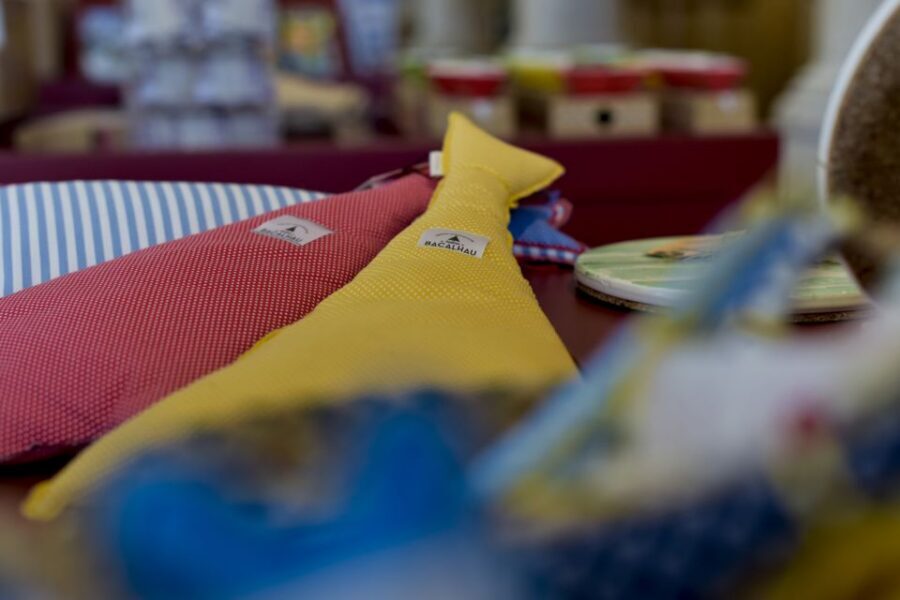
The museum isn’t only about where cod came from. It also explains how bacalhau is fished and how it fits into recipes and cooking traditions.
How bacalhau is fished
One of the more useful parts for food-focused visitors is learning how bacalhau is fished. The exhibit frames it as part of Portuguese life—what fishermen did and why it mattered. Even if you already know bacalhau is important, this helps you understand the chain behind the dish.
It also sets you up for a smarter meal after you leave. You’ll be more likely to ask the right questions when you see bacalhau on a menu: What’s the preparation style? Is it soaked? Is it served with classic sides? The museum gives you the cultural context to notice details instead of just ordering.
New recipes and how the future might look
The center also covers the future of cod: consumption, how it is fished, and new ways to prepare it. That forward-looking angle is a plus in a small museum, because it keeps the story from feeling stuck in the past.
For me, this is where the ticket becomes more than a curiosity stop. It’s a prompt to think about Portuguese cooking today. If you like planning meals while traveling, you’ll likely leave with ideas to try something different, not only the standard dishes.
How long it takes (and why the small timeslots can be a plus)
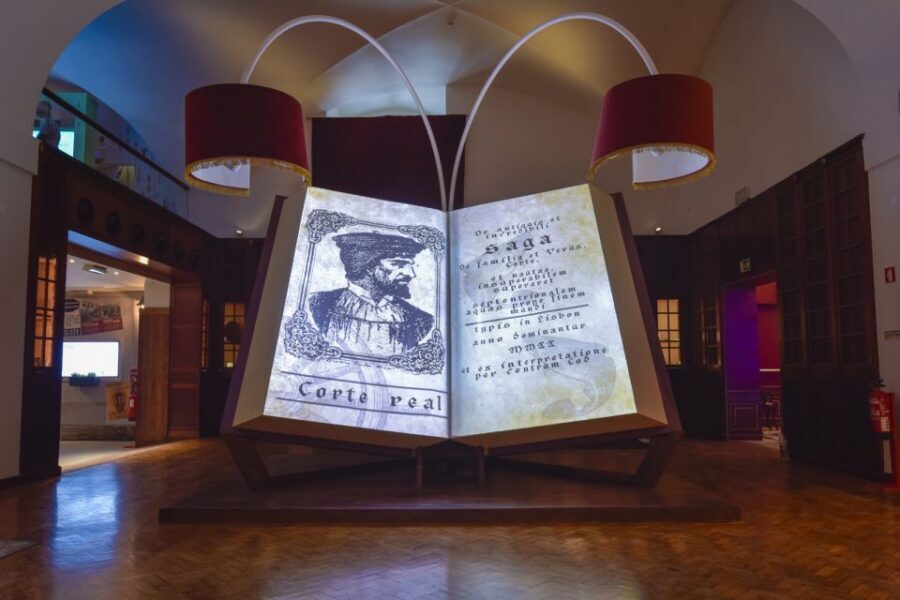
This experience is listed as lasting 1 day, and your ticket works for a specific starting time. That means you’re not committing to hours and hours of museum time. You can treat it like a focused cultural snack.
The center also has a rule that a maximum of 4 people can enter per timeslot, with a 4-minute interval between timeslots. That tiny group size can make the experience feel quieter and less rushed. If you prefer museums you can actually hear yourself think in, that’s a real advantage.
Still, remember the other side: because it’s a small visitor center, your satisfaction depends on your expectations. If you want a long, multi-hour itinerary, you might finish quickly and wish there were more rooms or deeper dive-style content. If you want a short, meaningful stop that ties directly to Portuguese food culture, it fits.
Is it good value at about $4.72?
Let’s talk value, because that price is the reason many people can justify going even when they’re not sure what to expect.
At roughly $4.72 per person, you’re paying for entry to a themed cultural museum with clear learning goals: cod as a symbol, long-distance fishing, sailor stories, table myth, and cooking ideas. Compared with bigger attractions, this is inexpensive. It also saves you from feeling like you must spend extra money on a guide. This ticket is just the entry.
The trade-off is size. Since it’s a small museum, the value comes from focus, not volume. In other words: you get a compact experience that’s concentrated on one topic, not a full-day event.
If you’re visiting with a food lens—or you want an easy, low-cost way to understand bacalhau—this feels like a smart spend. If your travel style is “I need lots to do,” you may want to pair it with nearby sights so your day feels full.
Best for who: food travelers, culture seekers, and Lisbon walkers
This ticket works especially well for you if:
- You’re traveling for Portuguese cuisine and want the story behind bacalhau
- You like cultural history connected to everyday life, not only big monuments
- You prefer a self-guided stop where you can control your pace
- You’re happy with a small museum if it’s focused and thoughtful
It may be less satisfying if:
- You expected a guided tour or a full-length experience with someone leading you through
- You dislike small indoor spaces or prefer hands-on attractions
- You want a large variety of exhibits beyond one central theme
A practical way to use it: plan it as a mid-morning or early afternoon stop, then let the rest of your day be Lisbon sightseeing. The waterfront location makes that easy.
Quick tips so you get the most out of your visit
Because there’s no guided tour included, your best “strategy” is attention and curiosity.
Before you start:
- Read the flow of sections as you enter, so you know where the story heads next
- Decide what you care about most: fishing routes, sailor stories, the faithful friend myth, or future recipes
- Give yourself enough time to pause. The center is meant to be explored at leisure, and you’ll enjoy it more if you don’t rush every room
While you’re inside:
- Keep an eye out for how the exhibit connects sea travel to table tradition. That’s the main payoff
- If you’re planning meals later, note the ideas that sound most interesting to you, especially around new ways to cook cod
Should you book the History of Cod Visitor Center ticket?

If you want a low-cost, self-guided introduction to Portuguese food culture through one of its most iconic ingredients, yes, book it. The price-to-learning ratio is strong, and the story pieces—long-distance fishing, sailor legends, and the myth tied to the table—give you context you can carry into your meals.
Skip or reconsider if you’re expecting a large museum or a guided tour. This is compact. Your enjoyment will depend on whether you like focused, single-theme attractions.
FAQ
How long is the visit?
The ticket is valid for 1 day, and you’ll check availability for starting times.
Is this a guided tour?
No. Your ticket includes entry to the History of Cod Visitor Center, but it does not include a guided tour.
Where do I enter the visitor center?
Enter at Centro Interpretativo Da História Do Bacalhau.
What languages are available?
The host or greeter is available in English and Portuguese.
How large are the entry groups?
A maximum of 4 people can enter the exhibition per timeslot, with a 4-minute interval between timeslots.
Can I cancel for a refund?
Yes. Free cancellation is available up to 24 hours in advance for a full refund.