REVIEW · LISBON
From Lisbon: Fátima Sanctuary and Batalha Monastery (UNESCO)
Book on GetYourGuide →Operated by Essência da Latitude Turismo Lda · Bookable on GetYourGuide
Fátima has a way of quieting your day. This private outing pairs a guided look at the 1917 miracle story with time to take in the sacred atmosphere at Fátima, then adds the visual wow of Batalha Monastery.
What I like most is the pacing: a proper, guided introduction at Fátima (plus breathing room after), then a focused visit to Batalha’s architecture. I also like that you can shape the second half with Valinhos and Loca do Anjo, instead of only following one fixed script.
One thing to consider: the full day runs long, and you still need to budget extra for things the tour doesn’t cover, especially entrance fees at Batalha and lunch. If you’re not into religious sites, you’ll want to treat Fátima as cultural history first, not just spiritual tourism.
In This Review
- Key moments you’ll actually care about
- Lisbon to Fátima and Batalha: a single day, but two very different worlds
- Getting oriented at Fátima: the 1917 apparitions story in plain language
- Fátima free time: how to use your hour without rushing anything
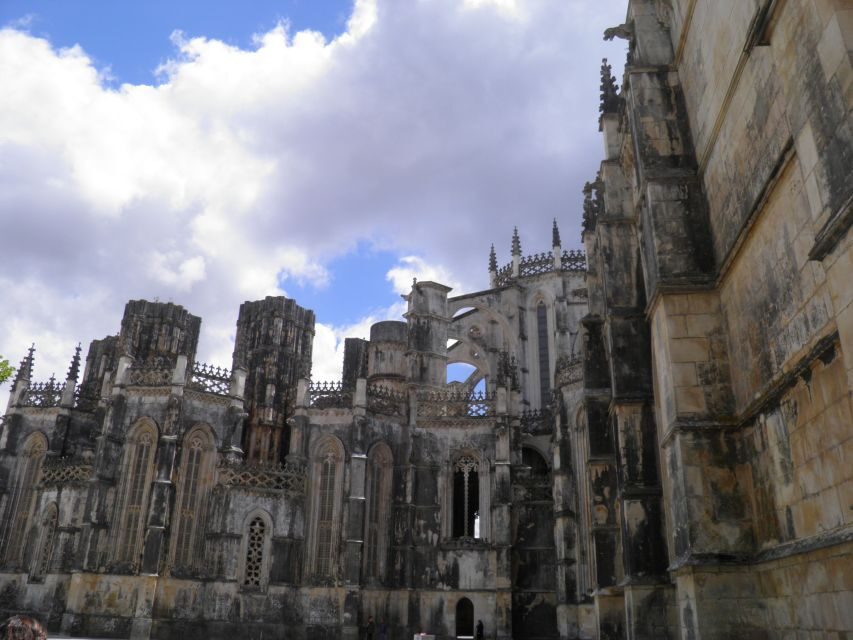
- Batalha Monastery (UNESCO): the flamboyant Gothic you can’t stop staring at
- When Batalha is closed: Valinhos and Loca do Anjo instead
- Private transport: why the driver/guide format makes the day easier
- Price and value: what $189 realistically covers
- Lunch timing: plan for Portuguese food, not tour-included meals
- What to bring (and what to leave behind)
- Who should book this Fatima and Batalha private day
- Should you book? My take on the best use of your time
- FAQ
- How long is the tour from Lisbon?
- Does this tour include pickup and drop-off in Lisbon?
- Is this tour private?
- What languages are the live guides?
- Are entrance fees included for Batalha Monastery?
- Is lunch included?
- What happens on Mondays when Batalha Monastery is closed?
- Can I visit Valinhos and Loca do Anjo instead of Batalha Monastery on other days?
- Is the tour wheelchair accessible?
Key moments you’ll actually care about
- A full-time driver/guide in a private vehicle, so you can ask questions and move at a human pace.
- Two-part Fátima time: guided explanation first, then a full hour to wander thoughtfully on your own.
- UNESCO Batalha Monastery in flamboyant Gothic (with the detailed stonework and chapels you came for).
- Customizable spiritual stops at Valinhos and Loca do Anjo, tied to the three little shepherds.
- Monday flexibility: when Batalha is closed, the tour swaps to the shepherd sites.
Lisbon to Fátima and Batalha: a single day, but two very different worlds
This is an 8-hour private tour from central Lisbon (hotel pickup or the Lisbon Cruise Terminal). You get a dedicated driver/guide for the whole stretch, with fresh water in the car. That matters more than you’d think, because the day moves through places where timing, walking, and attention all come together.
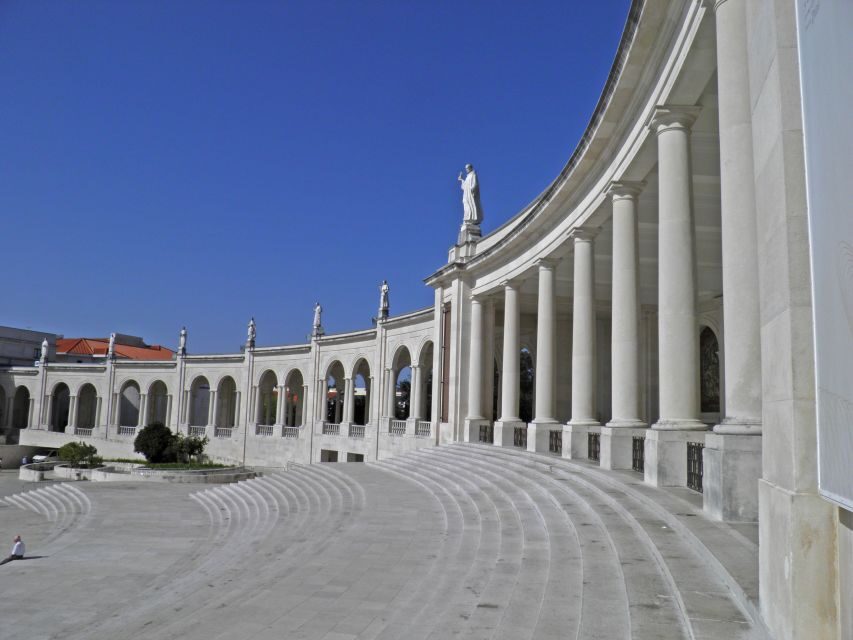
Fátima is about atmosphere: crowds can come and go, the mood changes by the hour, and the sights are tied to a story people still live by today. Batalha Monastery is the opposite kind of experience: stone, symmetry, carving, and architecture built to impress. I like that the itinerary doesn’t blur into one long museum slog. It’s two distinct modes—spiritual setting, then architectural masterpiece.
You can also read our reviews of more tours and experiences in Lisbon.



Getting oriented at Fátima: the 1917 apparitions story in plain language
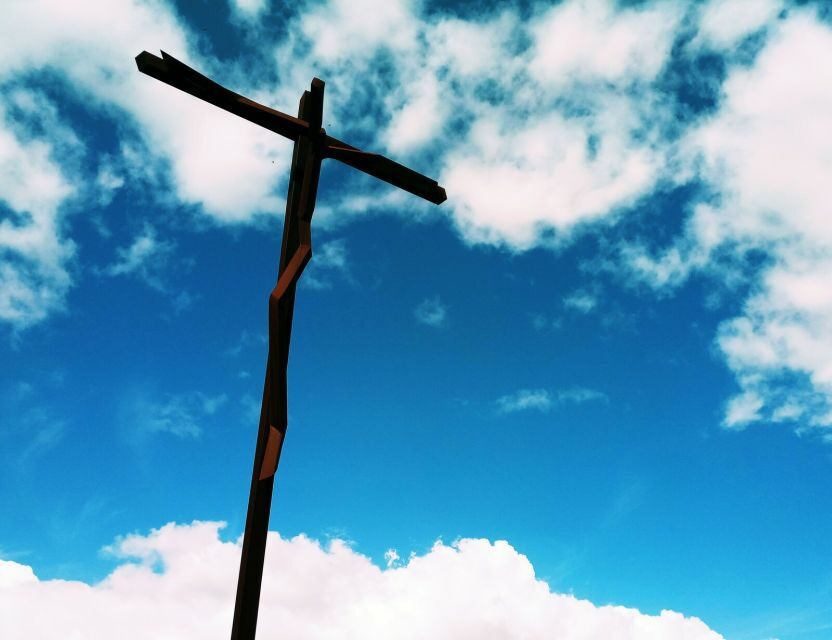
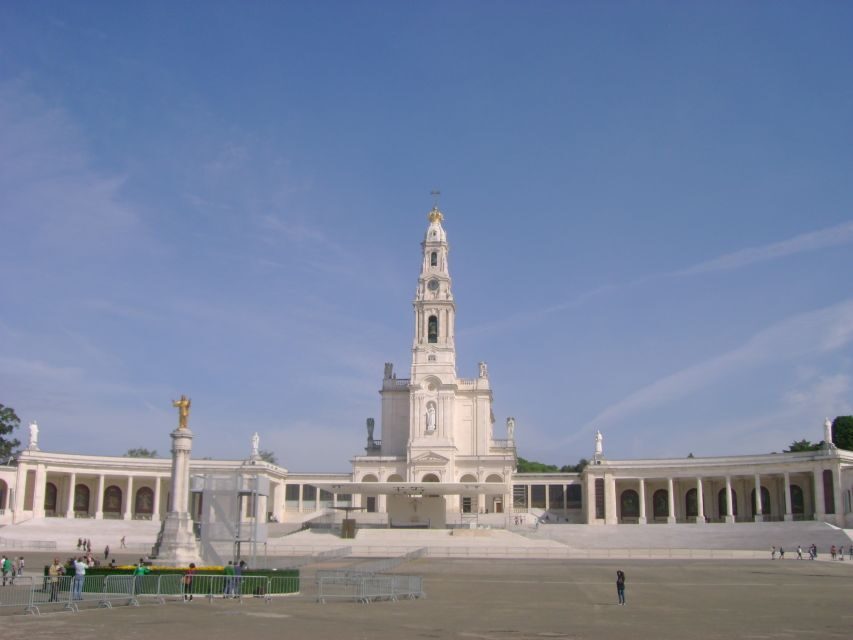
Your Fátima start is a guided tour that runs about 2 hours. The guide focuses on why this place matters in Catholic history: Fátima is the fourth largest Catholic pilgrimage site in the world, with millions of believers visiting each year. The core event is in 1917, when three young shepherds reported multiple apparitions of the Virgin Mary.
Even if you’re not traveling for faith, you’ll still benefit from a guided overview. Without it, the sites can look like a complex of chapels and monuments. With it, you can connect names, places, and the order of events so the area makes sense as more than scenery.
The way the guide frames it also helps you read the place respectfully. Fátima isn’t just a photo stop. You’re stepping into an active devotional landscape where people come to reflect, pray, and find renewal. The best part is that the tone of the visit isn’t preachy. It’s about understanding what believers consider meaningful and why millions keep returning.
In the group’s feedback, guides named Diogo and Vasco stand out for turning the history into something you can actually follow. That’s exactly the skill you want here: not just facts, but an explanation you can carry with you as you walk.
Fátima free time: how to use your hour without rushing anything
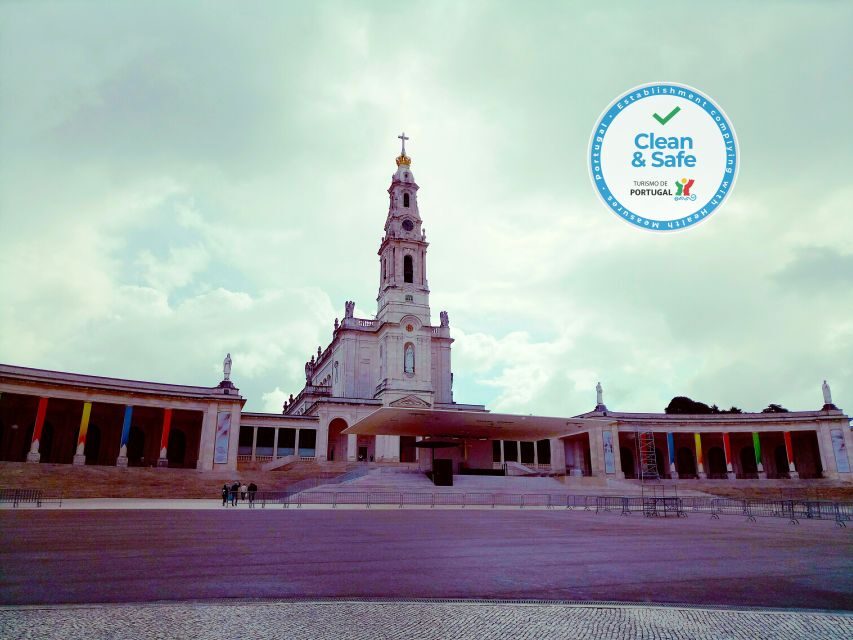
After the guided portion, you get 1 hour of free time at Fátima. This is where the day either gets thoughtful or feels chaotic. The structure is smart because it gives you space after you’ve learned the basics.
Here’s how I’d pace that hour:
- Take a slow first pass so your brain can map the main areas.
- Then choose one or two spots to linger, instead of trying to see everything quickly.
- Keep your schedule flexible. Sacred places don’t behave like timed attractions.
You’ll probably notice that the crowd levels and the mood can change. If your goal is calm reflection, aim to use your quiet minutes like a local ritual, not like a checklist. Comfortable shoes help, since you’ll be walking.
Batalha Monastery (UNESCO): the flamboyant Gothic you can’t stop staring at
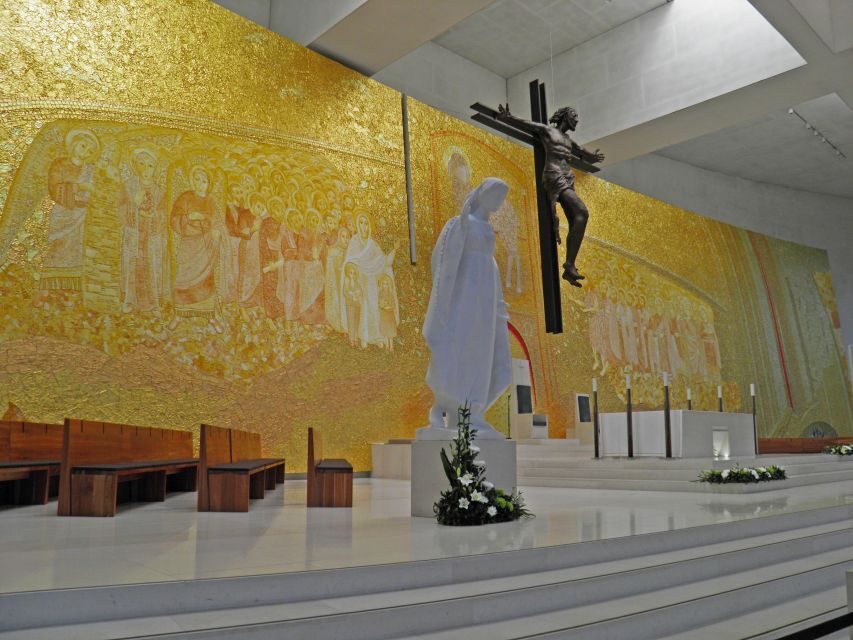
Next comes Batalha Monastery, with about 1.5 hours on-site. It’s a UNESCO World Heritage Site and the style is famously dramatic: flamboyant Gothic. When you arrive, the first reaction tends to be the same—your eyes keep getting pulled from one detail to the next.
What makes Batalha special isn’t only that it’s beautiful. It’s that it’s built with a strong political and spiritual purpose. King João I commissioned the monastery as gratitude for Portugal’s victory in the Battle of Aljubarrota (1385). That story gives the architecture more weight than a simple stop on a route.
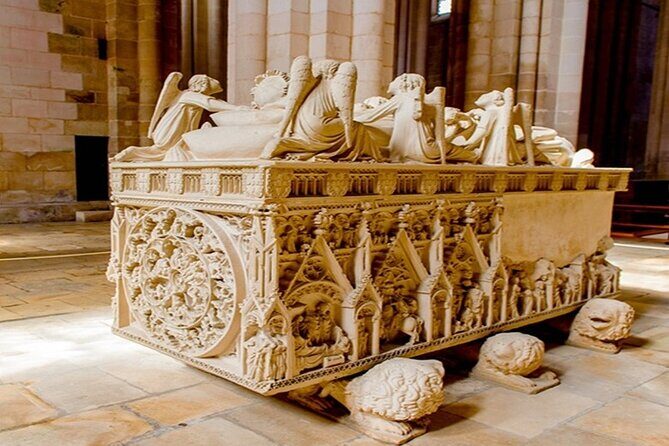
You’ll also get to see the Manueline connection. The guide focuses on how these spaces were intended as royal mausoleums, yet they remained unfinished. That unfinished feeling is part of the visual impact: you’ll see intricate carvings and symbolism that feel dense with meaning, even when the project didn’t fully reach its final state.
Inside and around the monastery, look for:
- Vaulted ceilings and the way stonework creates layered depth.
- Ornate chapels with detailed ornamentation.
- The cloisters, which offer a quieter retreat—serene gardens and cloistered walkways that let you slow down.
A practical note: entrance tickets for Batalha are not included, but the tour says you can purchase them at the monument. So plan a bit of time for ticketing, and don’t count on everything being instant.
When Batalha is closed: Valinhos and Loca do Anjo instead
On Mondays, Batalha Monastery is closed. Instead, the tour offers an alternative excursion focused on Valinhos and Loca do Anjo, both tied to the three little shepherds. This is one of the smarter design features of the day, because it keeps the spiritual thread intact without forcing a last-minute scramble.
Valinhos is where the Angel of Peace (described as the Guardian Angel of Portugal) appeared to the three shepherd children before the apparitions of the Virgin Mary at Fátima. Loca do Anjo is where the Angel of Portugal appeared to the children for the first time, preparing them for what came next.
Between Tuesday and Sunday, you can also choose these sites instead of Batalha—just tell the operator when you book. If you know you’re more interested in the shepherd story than Gothic architecture, this option is a good match. It also works well if you want a quieter, more narrative-driven day rather than an architecture-first one.

Private transport: why the driver/guide format makes the day easier
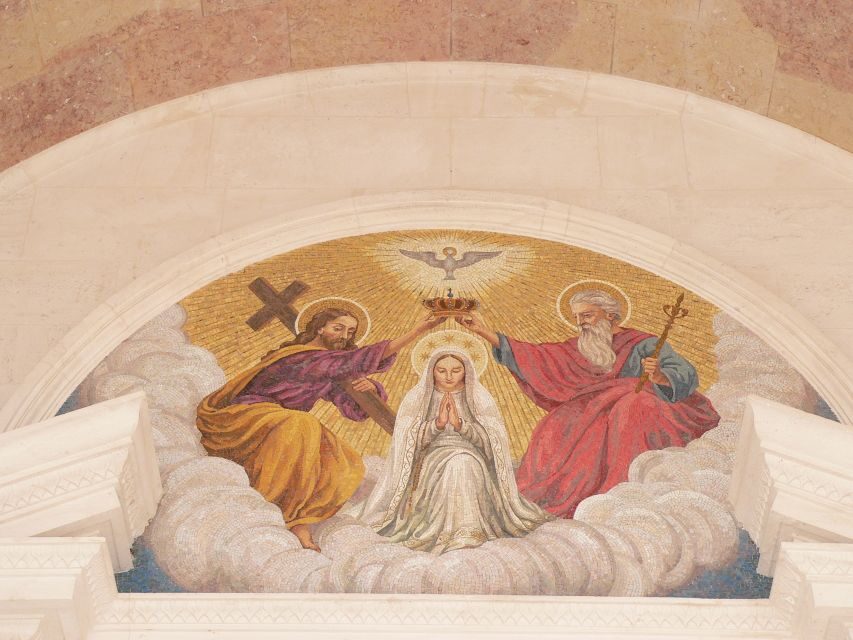
A private day trip sounds like a luxury. Here, it’s also a problem-solver.
You get pickup and drop-off from central Lisbon hotels or the cruise terminal. That matters if you’re starting early, coming off a ship, or you don’t want to navigate transit with luggage and timing. You also avoid the common “everyone returns late” vibe that can happen in group tours. With a full-time driver/guide, the schedule tends to stay smooth.
This format also gives you flexibility in how you spend the free time at Fátima. Instead of feeling stuck in a herd, you can slow down if you want the space to sink in. And if you have questions—about Portugal’s religious links, the story of 1917, or why Batalha was built—your guide can tailor the explanations to your interests.
One small but important comfort detail: the tour includes fresh water. It’s not a huge feature, but on a long day it keeps things practical.
Price and value: what $189 realistically covers
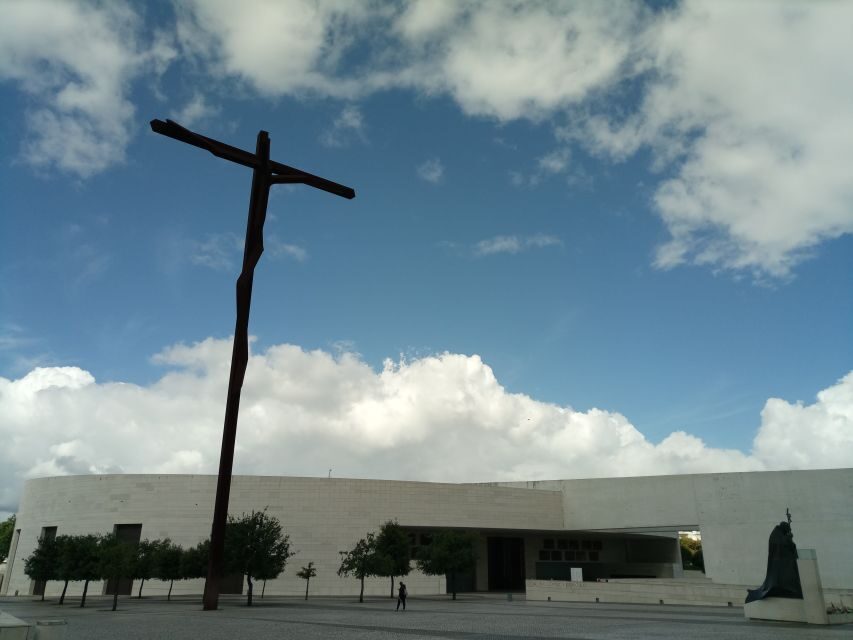
The price is listed at $189 per person for this 8-hour private tour. For many people, the value comes from the combination of private transport plus guided time at both major stops.
You’re paying for:
- Private tour so it’s only your group in the vehicle.
- A driver/guide for the full trip, not a short handoff.
- Pickup/drop-off in central Lisbon and fresh water.
What you should expect to pay separately:
- Food and drinks (lunch is not included).
- Entrance fees (Batalha tickets are not included).
- Any extra costs linked to the day’s choices (like whether you’re visiting Batalha or swapping to Valinhos/Loca do Anjo).
That’s the part to budget for when judging whether the day is worth it. If you compare this to cheaper tours with larger groups, the difference is mostly in comfort and attention—less waiting, more Q&A time, and a calmer pace. If you want an intimate experience, this price can feel fair.
Lunch timing: plan for Portuguese food, not tour-included meals
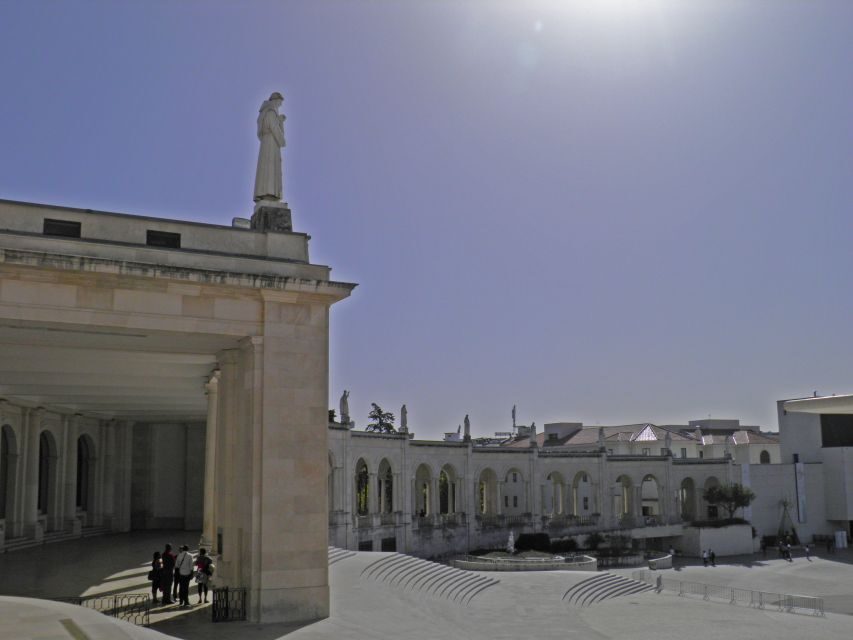
Lunch is on your own. You’ll have time after the Fátima portion and before Batalha. The tour is set up so you can grab something nearby at one of the many local restaurants and keep moving.
Because meals aren’t included, I recommend you use the hour wisely:
- Don’t pick a place that requires a long wait.
- Choose something local and filling so you don’t feel rushed later in Batalha.
- If you’re sensitive to sacred-site dress expectations, remember lunch plans need to work with that too.
A guide recommendation can help here, and some guides on similar routes tend to share helpful thoughts about food and wine. In this case, Vasco specifically adds practical food and wine pointers as a bonus.
What to bring (and what to leave behind)
You’ll want to travel light enough for a car day. The tour notes baggage is limited to one standard suitcase per person. If you’re used to packing “just in case,” treat this as a gentle nudge to pack only what you’ll actually need.
Bring:
- Passport or ID card
- Comfortable shoes
Leave behind or avoid:
- Oversize luggage
- Smoking in the vehicle
- Food in the vehicle
- Unaccompanied minors
If you’re traveling with kids, infants seats are available on request if you advise in advance. Portuguese law also calls for an approved restraint system for younger children in car travel, so make sure you mention ages when booking.
Who should book this Fatima and Batalha private day
This tour fits best if you want one of these outcomes:
- You like history you can see. Fátima’s story and Batalha’s royal architecture both feel more meaningful when explained while you’re standing in the place.
- You prefer a quieter experience with dedicated guidance, not a short stop behind a timeline.
- Your group wants to mix spirituality and architecture in the same day without sacrificing pacing.
- Your dates include a Monday, and you’d rather handle it smartly (with the Monday switch to Valinhos and Loca do Anjo).
If you’re not interested in religious sites at all, you might find Fátima less compelling. In that case, think of it as cultural history and Portuguese identity in action, not just faith tourism.
Also, this isn’t wheelchair accessible (strollers are accessible). If mobility is a concern for your group, plan ahead.
Should you book? My take on the best use of your time
Book this tour if you want:
- A private day with pickup and drop-off in Lisbon
- Guided context at Fátima (so you don’t just wander)
- A guided, architecture-focused visit to Batalha’s UNESCO interior details
- Flexibility to swap Batalha for Valinhos and Loca do Anjo, especially on Mondays
Skip it (or adjust expectations) if:
- You’re hoping for a short day. This is a full 8-hour outing.
- You dislike paying extra for entrance fees and lunch. The tour itself doesn’t include those.
- Your priority is only one kind of attraction. You’re getting both spirituality and Gothic architecture, and you’ll feel both halves.
If you’re traveling with a small group—especially 4 to 6—this format tends to feel like money well spent because the private setup turns the whole day into a conversation, not a conveyor belt.
FAQ
How long is the tour from Lisbon?
The tour lasts about 8 hours.
Does this tour include pickup and drop-off in Lisbon?
Yes. Pickup and drop-off are included from central Lisbon hotel locations and from the Lisbon Cruise Terminal. You should share your exact pickup location.
Is this tour private?
Yes. It’s a private tour, meaning only your group participates.
What languages are the live guides?
The live tour guide offers English and Portuguese.
Are entrance fees included for Batalha Monastery?
No. Entrance fees are not included, and Batalha tickets can be purchased at the monument.
Is lunch included?
No. Food and drinks aren’t included. You’ll plan lunch at one of Fatima’s restaurants on your own.
What happens on Mondays when Batalha Monastery is closed?
On Mondays, instead of visiting Batalha Monastery, the tour offers an alternative excursion to Valinhos and Loca do Anjo.
Can I visit Valinhos and Loca do Anjo instead of Batalha Monastery on other days?
Yes. Between Tuesday and Sunday, you can choose Valinhos and Loca do Anjo instead of Batalha Monastery if you let the operator know when booking.
Is the tour wheelchair accessible?
No, the tour is not wheelchair accessible. Strollers are accessible.