REVIEW · LISBON
Evora Private Tour from Lisbon
Book on Viator →Operated by walkborder · Bookable on Viator
Evora feels less like a checklist when you have a driver. This private day trip from Lisbon is built to slow things down: you get a smooth ride out of the city, a guided look at the sights you actually care about, and enough time to connect the dots between Roman, Arab, and royal-era Evora. I especially like the hotel pickup and drop-off, and I also like that the pacing leaves you time to enjoy the scenery instead of constantly hunting for parking.
One thing to keep in mind: admission fees aren’t included across the board, and the biggest extra stop (the Chapel of Bones) is specifically marked as not included. It’s still a very organized plan, but you’ll want to budget a bit for entrance tickets once you’re there.
In This Review
- Key Highlights at a Glance
- A Cork Farm Start at Corticarte That Makes the Rest of the Day Click
- Roman Evora at the Templo de Diana and the Agua da Prata Aqueduct
- Evora’s Historic Core: Arab Street Patterns, Royal Power, and the Jesuit University
- The Chapel of Bones at Igreja de São Francisco: Expect the Unusual (and Plan for Extra Cost)
- Ervideira Wine Shop in Evora: A Short Tasting That Actually Connects
- Price and Logistics for an 8-Hour Private Day from Lisbon
- Who This Private Evora Trip Is Best For
- Should You Book the Evora Private Tour from Lisbon?
- FAQ
- How long is the Evora private tour from Lisbon?
- Does the tour include hotel pickup and drop-off?
- Is wine tasting included?
- Are entrance tickets included?
- What languages are available?
- What if I need to cancel?
Key Highlights at a Glance
- Hotel pickup and drop-off so you can start and end without logistical stress
- Cork education at Corticarte with practical details on how cork is harvested and why it matters for wine aging
- Templo de Diana plus the Agua da Prata aqueduct nearby—Roman roots and water engineering in one area
- A guided walk through Evora’s historic core, shaped by Arab street patterns and later aristocratic building booms
- Capela dos Ossos (Chapel of Bones) at the Church of São Francisco, with bones of 500 monks (admission extra)
- Ervideira wine tasting included, a local finish that ties the day to the region
A Cork Farm Start at Corticarte That Makes the Rest of the Day Click
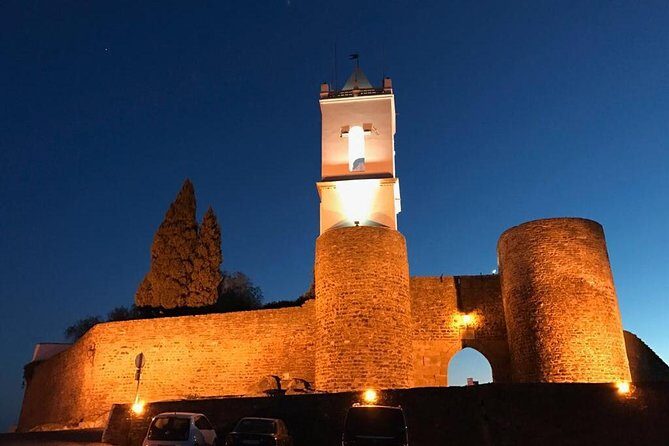
If you’ve ever wondered why Portugal seems to talk about cork like it’s a national sport, this stop answers that fast. Corticarte—Arte em Cortiça starts you out on a farmhouse setting where you learn what cork trees actually do and why the bark is treated like a renewable resource.
Here’s what I’d pay attention to: cork is the bark of the cork oak, and it doesn’t get harvested after just a few years like some crops. After the tree has grown for roughly nine to nine and a half years, the outer bark can be removed. You also learn what makes cork valuable right at the source—it’s light, elastic, and naturally resistant to fire. The description says cork can reach around 25 centimeters in thickness before harvest, which helps you understand why cork isn’t a thin coating you can just peel off. Once the bark is removed, a new layer forms again over time.
This matters because Evora’s story isn’t just churches and courtyards. Portugal is responsible for about 55% of the world’s cork production, and you’ll hear how cork is used—from decorative wall and floor coatings to sporting goods. The most useful connection for you as a visitor is how cork behaves with wine. Cork lets only tiny amounts of oxygen interact with the bottle contents, which helps the aging process without ruining the wine. So when you later taste local bottles, you’re not just sampling. You’re tasting with context.
Practical note: this is time-efficient (about an hour), and the ticket is shown as free in the plan. That makes it a smart opening—easy to fit in, and it sets up the rest of your day.
You can also read our reviews of more private tours in Lisbon



Roman Evora at the Templo de Diana and the Agua da Prata Aqueduct
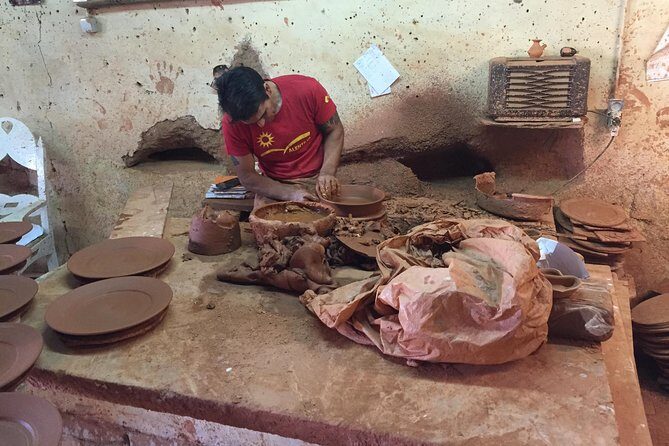
After cork, the tour shifts to Roman Evora with the Templo Romano de Evora, commonly known as the Templo de Diana. It sits next to the Evora Cathedral area, which is convenient because you’re not bouncing between distant zones. Even if you’re not a Roman-history superfan, you’ll get something important: Roman Evora wasn’t only about monuments. It was also about water.
The standout nearby is the aqueduct called Agua da Prata. The plan describes it as built in the 16th century to support water transportation, extending from outside the city walls. Some arches were built so that parts remain visible inside the city. That’s the kind of detail that makes a city feel layered rather than random.
Time is also reasonable here—about 30 minutes. For a private tour, you should still feel like you’re doing more than photo stops, and this segment helps because it ties a recognizable temple name to the practical reality of water infrastructure.
One consideration: if you love long museum-style time, you may wish this were longer. But for a well-paced 8-hour day, this is a good balance—enough to understand what you’re looking at without dragging you across town for just one viewpoint.
Evora’s Historic Core: Arab Street Patterns, Royal Power, and the Jesuit University
Next comes the Centro Historico de Evora, and this is where the city starts to feel like it has a personality. The plan notes that Arab communities laid out streets and alleys in the 11th and 12th centuries. That street pattern still shapes what you experience on foot—tight turns, old alleys, and a layout that feels practical rather than designed for postcard symmetry.
Then the narrative widens. Evora became the residence of Portuguese kings, and it served as a meeting point for recognized artists, supported by the reigning dynasties. You also get a sense that the period of the discoveries brought momentum and building energy to Evora. The plan calls out favorable conditions for aristocratic mansions, and it also mentions the Jesuit university.
This is the kind of stop where a good driver-guide matters, because history isn’t just a set of dates. It’s why the streets look the way they do, why certain buildings are where they are, and why you feel a mix of periods walking through the same blocks.
You’ll get about an hour here, and the ticket is shown as free in the plan. For most first-time visitors, that’s the sweet spot: you can get your bearings fast, understand the city’s structure, and still leave energy for the more dramatic sights later.
Tip for your comfort: wear shoes you can walk in for an hour on uneven old-town surfaces. You won’t be trudging for hours, but Evora’s historic center tends to reward good footwear.
The Chapel of Bones at Igreja de São Francisco: Expect the Unusual (and Plan for Extra Cost)
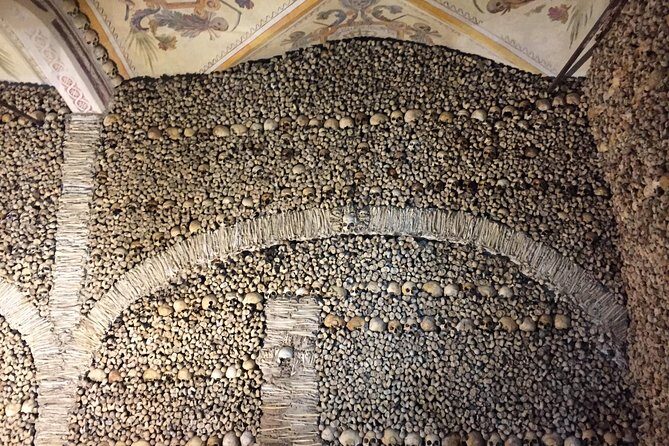
The tour’s most talked-about stop is the Chapel of Bones inside the Church of São Francisco. This is where Evora leans into the eerie and the unforgettable.
The plan explains what you’ll see: skulls and bones of about 500 monks covering the chapel. It’s not subtle. You’re walking into a place built to provoke thought—about mortality, humility, and the way the living and the dead share a space.
The description also references an inscription at the entrance that delivers the message in plain language—something like: We bones are here, waiting for yours. No quotes on your side needed; just be ready for the tone.
Important money detail: the Chapel of Bones is marked admission not included, even though other earlier stops are shown as free. So if you’re cost-sensitive, that’s the one ticket you’ll want to budget for ahead of time. It’s also the stop where your expectations matter most. If you dislike dark, morbid art or you’re easily unsettled, you can still visit, but you’ll want to mentally prepare.
Time is about an hour, which is long enough to absorb what you’re seeing without feeling rushed. And because this is in the middle of the day, it can shift your mood—so plan for a lighter reset after this stop.
Ervideira Wine Shop in Evora: A Short Tasting That Actually Connects
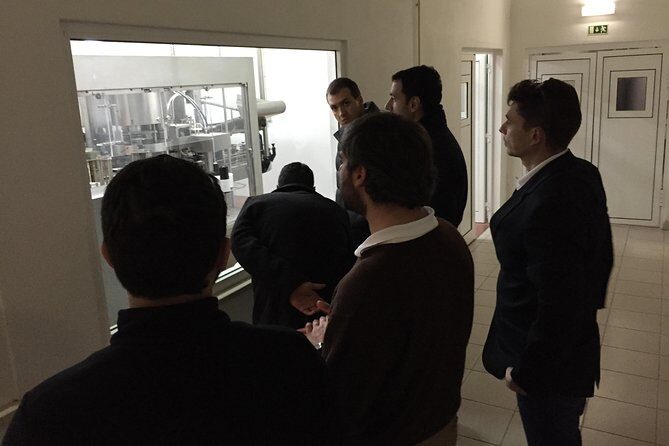
After heavy imagery, you end on something you can taste. The tour includes a stop at Ervideira Wine Shop Evora for a wine tasting of local wines from the region. It’s listed as 30 minutes and the tasting admission is marked as included.
This is smart planning because the cork education earlier ties directly into why wine is how it is. Even if you don’t remember every cork-tree detail, you’ll likely start noticing the packaging choices and understand why cork’s interaction with oxygen matters during aging. The day doesn’t feel like disconnected sightseeing; it feels like a theme with payoffs.
What should you expect from a 30-minute tasting? Usually, that means a quick guided intro, a few pours, and time to ask basic questions. If you’re the type who wants long, slow wine education, this won’t replace a full wine tour. But it is a great way to end a history-focused day without leaving you thirsty and empty-handed.
Practical tip: even with included tasting, you’ll still want to pace yourself. You’re in a private tour with an air-conditioned vehicle and a driver/guide, but you’ll still be walking and sightseeing after.




Price and Logistics for an 8-Hour Private Day from Lisbon
At $337.15 per person for an 8-hour private outing, the value depends on how you want to spend your time. This is not a budget bus tour. You’re paying for a car, hotel pickup/drop-off, and a guide who can shape the day around what matters to you.
Here’s what you get for the money, based on the plan:
- Hotel pickup and drop-off (this alone saves time and hassle)
- Driver/guide and an air-conditioned vehicle
- Bottled water and free wifi
- Personal accidents insurance
- Wine tasting in Evora
Also note the booking pattern: the experience is usually booked around 128 days in advance on average. That’s a hint that people plan this trip early—good strategy for a private day, especially if you want a specific time slot.
The big cost consideration is admissions. The tour lists admission fees as not included overall, and the Chapel of Bones is specifically marked as not included. Meanwhile, the first three key stops are shown as free in the plan. So your real cost might be fairly predictable, but it’s still something to keep in mind so you don’t get surprised mid-day.
One more logistics reality: you’re doing a private day trip that starts with pickup and ends with drop-off. If you get carsick easily, bring what usually works for you. And if you’re prone to fatigue, plan a calm morning before this so the full day feels enjoyable instead of exhausting.
Who This Private Evora Trip Is Best For
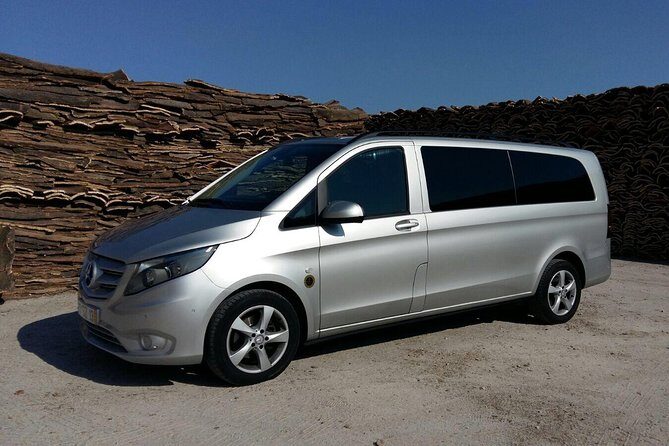
This tour is built for first-time visitors and history buffs, but it also makes sense for people who like learning without losing their day to long lines and navigation stress.
You’ll probably enjoy it if:
- You want a single guided day that covers cork, Roman roots, medieval streets, and a standout site like the Chapel of Bones
- You prefer ease: pickup, drop-off, and an organized flow through Evora
- You like when food and drink fit the theme—here, wine tasting connects back to cork’s role in aging
You might want to think twice if:
- You hate anything morbid or dark. The Chapel of Bones is intense by design.
- You want a long, slow lunch stop. The plan doesn’t include lunch, so you’ll need to handle food on your own.
Should You Book the Evora Private Tour from Lisbon?
I think this is a strong choice when you want a focused, guided, low-stress day. The cork lesson is genuinely useful, the Roman and historic core stops fit together well, and the private logistics help you enjoy the day instead of wrestling with transport. If you’re excited by Evora’s layered history and you’re okay budgeting for the Chapel of Bones ticket, it’s an easy yes.
If you’re not into the Chapel of Bones, then the tour may feel heavier than you want. But if you like thoughtful sightseeing with a guide who can bring the details together, this is the kind of day trip you’ll remember for the right reasons.
FAQ
How long is the Evora private tour from Lisbon?
It runs for about 8 hours.
Does the tour include hotel pickup and drop-off?
Yes. Pickup is offered from your hotel (or another meeting point), and drop-off is included.
Is wine tasting included?
Yes. A wine tasting at Ervideira Wine Shop Evora is included.
Are entrance tickets included?
Admission fees are not included overall. The plan notes free admission for some stops, and the Chapel of Bones is marked as not included.
What languages are available?
It is offered in English, and it may be operated by a multi-lingual guide.
What if I need to cancel?
You can cancel for a full refund if you cancel at least 24 hours before the experience starts.