REVIEW · LISBON
City Centre Run – Running tour
Book on GetYourGuide →Operated by Lisbon City Runners · Bookable on GetYourGuide
Lisbon runs better than it looks. This city-centre running tour mixes exercise with street-level sightseeing, so you get a feel for the neighborhoods while you’re moving. I especially like the local guide-led confidence (you’re not wandering on your own), and I like how guides such as Nuno and Pedro connect what you see to real Lisbon stories, plus practical tips for your next meals and plans. One thing to consider: there’s a long climb after the flat start, so you’ll want to be comfortable running uphill at least for a stretch.
What makes this one work is the pacing and the shape of the route. You move through Baixa, Chiado, Bairro Alto, and Alfama, with architecture tied to Lisbon’s rebuild after the 1755 earthquake and impressive Manueline monuments. The tour finishes with a fun descent along the iconic Avenida de Liberdade, turning the run into a natural win: climb, then reward.
In This Review
- Key things that make this Lisbon City Runners run worth it
- The “why” behind a running tour in Lisbon’s center
- How the route moves: Baixa, Chiado, Bairro Alto, then Alfama
- Lisbon’s earthquake rebuild and Manueline monuments on the move
- The flat start, the long climb, and the Avenida de Liberdade finish
- Pickup and private-group setup that actually saves energy
- Price check: what $53 buys you in Lisbon
- Who this Lisbon running tour fits best
- Practical tips to make your 90 minutes feel easy
- Should you book City Centre Run with Lisbon City Runners?
- FAQ
- How long is the City Centre Run running tour?
- Where does the tour take place?
- What neighborhoods does the route cover?
- Is the route flat, or does it include hills?
- What’s included in the price?
- What language is the tour guide?
- Is this tour private?
- Is pickup provided?
- Is the tour suitable for children?
- What is the cancellation policy?
- Can I reserve without paying right away?
Key things that make this Lisbon City Runners run worth it
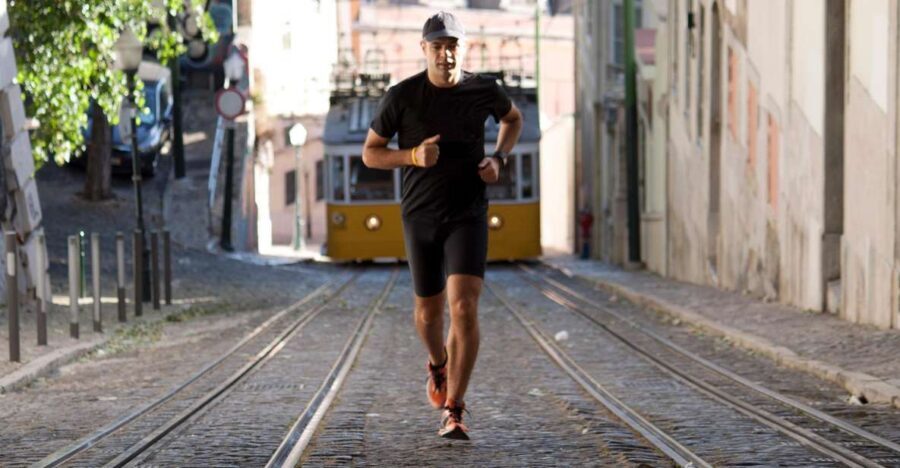
- City-centre route that hits Baixa, Chiado, Bairro Alto, and Alfama
- Flat start, long climb, then a downhill cool down on Avenida de Liberdade
- On-the-run architecture themes: the 1755 earthquake rebuild plus Manueline monuments
- Local guides with years of experience keeping the group safe and on track
- Smart pickup and return so you spend less time figuring out transport
- Water and photos included, plus a guide who points you toward food and activities
The “why” behind a running tour in Lisbon’s center
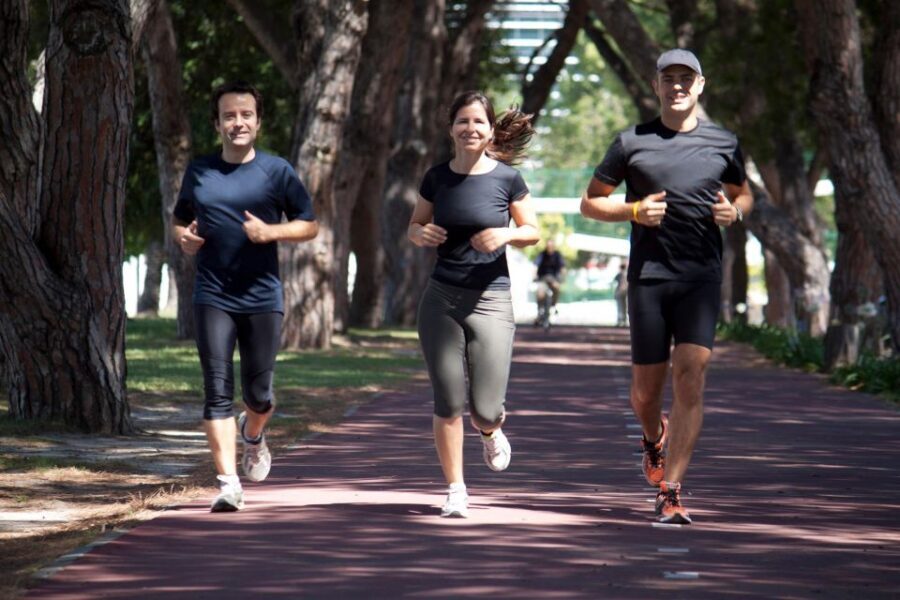
Lisbon can be a lot to take in when you’re walking. Hills, stairs, long crosswalks, and sudden changes in street level can turn a good day of sightseeing into a slow shuffle. This running format solves that. You’re still seeing the city, but the exercise helps you keep momentum. You’re not only looking up at buildings, you’re also learning the rhythm of the streets and how people move through these neighborhoods.
I also like the mindset: this is not a treadmill-style run with generic facts. The guide story and the route map to each other. When the terrain shifts from flat to climbing, the conversation and sight stops make sense. You feel like you’re getting Lisbon’s context in the same order you’re experiencing it.
The guide names I heard most in the feedback are Nuno and Pedro, and that matches what you want from a short tour: someone who’s friendly, attentive, and able to answer your real-time questions. If you’re the kind of traveler who likes to leave a tour with a list of where to eat next, this style fits you.
You can also read our reviews of more city tours in Lisbon


How the route moves: Baixa, Chiado, Bairro Alto, then Alfama
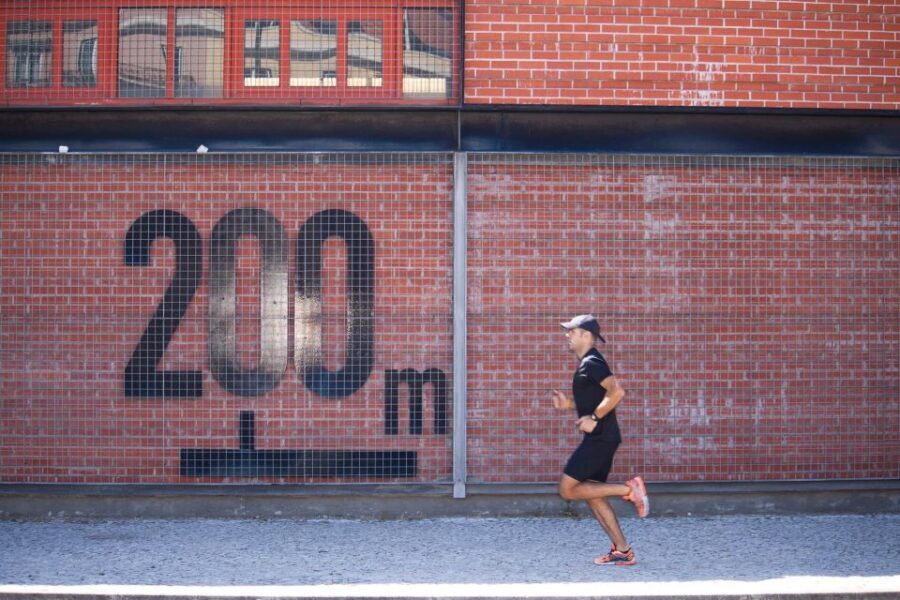
You’ll mostly stay in the city centre, and the route is designed like a guided loop through Lisbon’s major neighborhoods. You start in Baixa, which is the easier baseline. Expect a stretch where the running feels more straightforward, letting you settle into the group pace and get your breathing under control.
Then the tour shifts toward Chiado. This part matters because Chiado is a kind of hinge neighborhood: it’s tied to Lisbon’s historic fabric, and it gives you the sense that the city has layers—old streets, rebuilt structures, and the ongoing flow of modern life. On foot, you can rush through Chiado and miss the pattern. While running, you’re still moving, but you’re more likely to notice the shape of streets and the details on facades because the guide cues your attention.
Next comes Bairro Alto. This is where the route starts asking more from you. Bairro Alto’s street layout often means you’re not running on a perfectly smooth track. You’ll be more alert with your footing, and you’ll likely slow a bit as the hill energy builds. This is also where the guide’s job becomes extra important: you want someone who keeps the group together and helps you navigate the turns without turning the tour into stop-and-go.
Finally, you reach Alfama. Alfama is the neighborhood where Lisbon’s history feels close. Even without naming every single landmark, the theme is clear: architecture, elevation, and texture. You’ll pick up visual cues that Lisbon is a city that has been rebuilt and reshaped. And because the tour is timed as a before-crowd experience, you’ll get more breathing room to look.
Lisbon’s earthquake rebuild and Manueline monuments on the move

One of the best parts of this run is that it doesn’t treat Lisbon like a theme park of postcards. The guide brings the big historical event into the streets you’re actually running on: Lisbon was rebuilt after the 1755 earthquake, and you’ll see architecture that reflects that reshaping.
That matters because the earthquake rebuild wasn’t just paperwork. It changed what streets looked like, how buildings were configured, and what the city prioritized as it recovered. When your route passes through areas like Baixa and the areas around Chiado, the rebuilt urban feel becomes easier to understand. You’re not memorizing dates; you’re recognizing how the city’s bones affect what you see today.
You’ll also encounter Manueline monuments. Manueline is that distinctive late-15th/early-16th-century Portuguese style associated with maritime wealth and ornate stonework. What I like here is that Manueline details are visual and tactile—you can spot decorative elements without needing museum lighting or guided readings. On a running tour, it becomes a quick but memorable “pause and notice” moment, then back to moving.
If you’re the kind of traveler who thinks you hate history tours, this is a good test run. You’re getting context in short bursts, linked to what your eyes can catch as you go.
The flat start, the long climb, and the Avenida de Liberdade finish
The route is straightforward about its physical rhythm. The first part is flat, so you can warm up and settle into form. Then you hit a long climb to reach two major sights. The important word here is “long,” not “steep.” That means you should plan for effort spread over time, not just one sudden grind.
This hill section is usually where people decide if a running tour is for them. If you can run comfortably uphill for a stretch—or if you’re willing to keep a steady, controlled pace rather than sprint—you’ll do fine. The guide’s experience helps too. When the climb begins, you want leadership that keeps the group together and prevents chaos.
After the climb, you get the payoff: the tour ends with the descent of Avenida de Liberdade. This is a smart design choice. A downhill finish can feel like an earned reward, and it also naturally lowers your intensity after the most demanding segment. It’s a good way to end with a sense of motion, views, and a final stretch where you can let your legs recover a bit.
Avenida de Liberdade is also a great “wrap” street because it’s emblematic—broad, dramatic, and built for movement. You get a clean final image of Lisbon as a city that’s meant to be traveled.
Pickup and private-group setup that actually saves energy
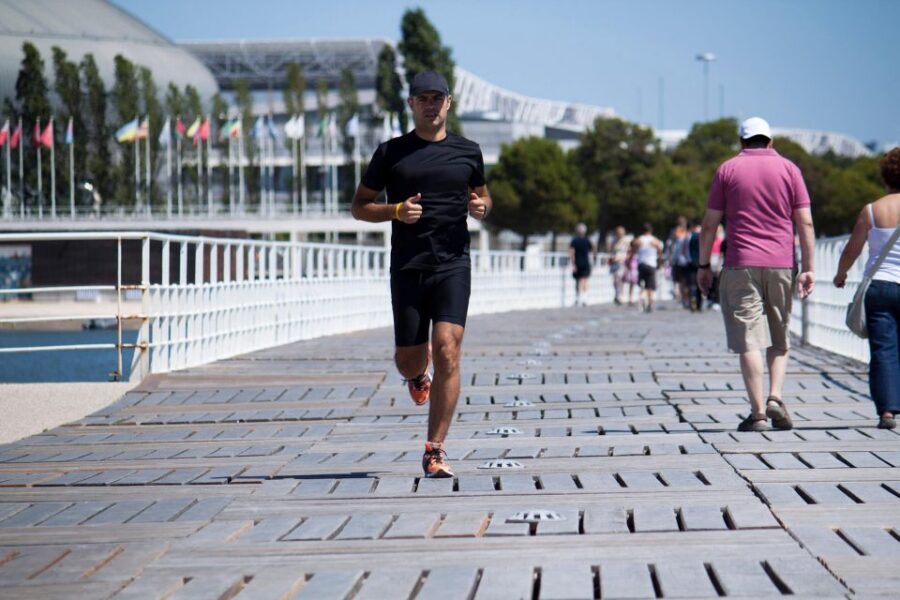
You start with pickup in Lisbon, and the operator adapts the route based on where you’re staying. The goal is to start and finish the run as close to your lodging as possible. If they can’t match your exact pickup point, they’ll pick you up by car, drive you to the start, and at the end drive you back.
That detail matters more than it sounds. Lisbon is hilly, and getting yourself to the “right starting street” can eat up time and energy. With pickup handled, you can show up ready to run rather than spent trying to navigate. It also helps if you’re new to the city and still figuring out where you are in relation to everything else.
The group is private, and it’s guided in English with a live guide. Private here usually means you’re not lost in a big herd. You can ask questions, get attention, and adjust your pace without the tour feeling like a machine. (The exact group size isn’t specified, but the private format is clearly about keeping it more personal.)
Also included: water and photos. I like that because it reduces the “should I bring stuff?” stress. You can run lighter. The photos give you an extra reason to stay in the moment instead of constantly stopping to take shots.



Price check: what $53 buys you in Lisbon
At about $53 per person for roughly 1.5 hours, this isn’t a cheap “walk and talk” kind of experience. But it’s not overpriced for what you get either. You’re paying for three things that add up:
1) Local guide time plus on-the-route storytelling tied to the neighborhoods you pass through.
2) Safety and navigation help, especially on a route that includes a climb and moving through multiple areas.
3) Logistics support like pickup adaptation, plus water and photos.
The best value signal from the feedback is that people used this early in their trip to orient themselves. That’s huge. If a short tour helps you map where things are, and it also gives you food and activity recommendations, the cost stops feeling like a standalone expense. It becomes part of how you organize the rest of your days.
If you’re already comfortable running and you’re confident navigating on foot, you might feel you could DIY part of this. Still, the blend of route planning + history themes + photo stops is what you’re buying. In a city like Lisbon, that’s worth paying for.
Who this Lisbon running tour fits best
This tour is designed for adults (it’s not suitable for children under 18). Beyond age, it fits travelers who like active sightseeing and want a guided route through big neighborhoods without dealing with a map for 90 minutes.
It’s especially good for you if:
- you want to combine exercise with real Lisbon context
- you’re looking to cover multiple neighborhoods in a short time
- you’re the type who asks where to eat and what else to do, then uses the guide’s suggestions
- you want a before-crowds experience so you can actually look at buildings while moving
If you hate any uphill effort at all, this might feel like too much. The climb is part of the structure, and it’s there because it leads to major sights and sets up the descent.
If you’re a casual runner who can keep a steady pace without needing to sprint, you’re likely in the sweet spot.
Practical tips to make your 90 minutes feel easy
Here’s how to set yourself up so the run feels fun, not stressful.
Wear proper running shoes. Lisbon’s streets can be uneven, and a long climb means your feet need stable support. If your shoes are more “walking comfortable” than “running steady,” you might feel it.
Hydrate before you meet. Water is included, but it’s still smart to start with a good baseline. Since the tour is short, you want to feel strong early.
Plan your pace around the climb, not the first minutes. The flat start is your warm-up. Once the climb begins, stay controlled. Think steady breathing over pushing hard.
Bring a camera plan that doesn’t wreck your rhythm. Photos are included, so don’t feel like you need to stop every ten seconds. If you want your own shots, quick ones only.
Use the guide like a local database. One of the strongest notes from the guides Nuno and Pedro is that they’re not just reciting facts. They’re happy to point out good food and activity ideas. Ask early so you can act on it later the same day.
Should you book City Centre Run with Lisbon City Runners?
If you want an active, guided way to see Lisbon’s core neighborhoods and you’re okay with a long uphill stretch, I’d say this is a smart booking. The value is strongest when you treat it as a “get oriented fast” experience: you learn the city’s layout, you notice key architecture themes tied to the 1755 earthquake and Manueline monuments, and you finish with a satisfying descent on Avenida de Liberdade.
Book it if you like tours that move. Skip it if you want a leisurely walk, or if hills make you dread the whole day.
FAQ
How long is the City Centre Run running tour?
The tour lasts about 1.5 hours.
Where does the tour take place?
It runs in Lisbon, Portugal, mainly through the city centre.
What neighborhoods does the route cover?
The route covers Baixa, Chiado, Bairro Alto, and Alfama.
Is the route flat, or does it include hills?
The first part is flat. After that, there is a long climb to two major sights, and the tour ends with a descent on Avenida de Liberdade.
What’s included in the price?
Included are a local guide, water, and photos.
What language is the tour guide?
The live guide speaks English.
Is this tour private?
Yes. It is listed as a private group.
Is pickup provided?
Pickup is included. The operator tries to start and finish near where you’re staying. If that isn’t possible, you’ll be driven to the start point, and you’ll be driven back at the end.
Is the tour suitable for children?
No. It is not suitable for children under 18.
What is the cancellation policy?
Free cancellation is available up to 24 hours in advance for a full refund.
Can I reserve without paying right away?
Yes. It’s offered as reserve now & pay later.