REVIEW · LISBON
2-Day Sacred Portugal Trip: Fátima, Batalha, Nazaré and Óbidos, from Lisbon
Book on Viator →Operated by Cityrama · Bookable on Viator
Two days can feel long in the car, yet this route flies. It’s a tight loop through Fátima and the UNESCO monasteries and coast of central Portugal, with a guide to turn the stops into a story instead of a checklist. You get structure, transport, and time to see the key sights without planning every twist yourself.
I like that you’re not just dropped at Fátima. You’ll visit the main Marian sites (including the basilica and church areas) and then have time to explore or attend Mass, which is the whole point for many people. I also like the mix: Batalha Monastery gives you something big and architectural, while Óbidos and Nazaré add real small-town Portugal texture.
One caution: the pacing is the tradeoff. You’ll spend only about an hour in places like Óbidos and around 30 minutes in Nazaré, so if you want a slow, lingering day-by-day feel, this may feel a bit rushed. Also, dinner isn’t included; there’s a hotel dinner supplement listed at 32€ per person.
In This Review
- Quick hits before you go
- Day 1 start in Lisbon: an early move toward the holy sites
- Entering Fátima: basilica, church, and sanctuary time
- A simple, convenient night in Fátima (and how dinner fits)
- UNESCO Batalha Monastery: why the visit feels efficient
- Nazaré: coastal town, quick walk, and included lunch
- Óbidos: medieval streets with just enough time to enjoy the vibe
- Pickup, group size, and real-world logistics that affect value
- Should you book the 2-day Sacred Portugal route?
- FAQ
- FAQ
- How long is the Sacred Portugal trip?
- What does the price include?
- Is there lunch included, and where do we eat?
- Is dinner included?
- Are there visits to churches or Mass in Fátima?
- What are the dress code rules?
- Is there a toilet on the coach?
- Can I get a vegetarian meal option?
- How big is the group?
- What if I need to cancel?
Quick hits before you go
- Full guided sequence: a professional guide keeps you moving and explains what you’re seeing at each sacred stop.
- Fátima time that matters: multiple visits within the sanctuary zone plus optional Mass time.
- UNESCO in a focused window: Batalha gets a guided stop long enough to grasp why it’s important.
- Coastal stops are short: Nazaré and Óbidos are quick walks, so photos and priorities help.
- Real meal included: lunch is included and tends to be more like a sit-down Portuguese meal than a snack.
- Practical coach detail: there’s no toilet on board, so plan water breaks before you board.
Day 1 start in Lisbon: an early move toward the holy sites
The tour meets at 9:00 am at Cityrama Gray Line Portugal on Alameda Edgar Cardoso in Lisbon. If your hotel is eligible, pickup is offered, which can save you time and reduce the stress of finding the meeting spot. Either way, you’ll start by heading straight to Fátima, the pilgrimage center that anchors this entire trip.
This “go first, ask questions later” style is exactly why the tour works for many people. In two days you can’t do central Portugal slowly, so you need a plan that makes travel time count. The air-conditioned coach helps on hotter days, and the group size tops out at 50, so you’re not stuck in a tiny bus with no room to breathe.
Also, set your expectations around how the day will feel. With a route that mixes religious sites and coastal towns, time becomes currency. That’s why the guide’s role is so important: you’ll get the context quickly, then you’ll have limited windows to walk, pray, photograph, and regroup.
You can also read our reviews of more tours and experiences in Lisbon
Entering Fátima: basilica, church, and sanctuary time
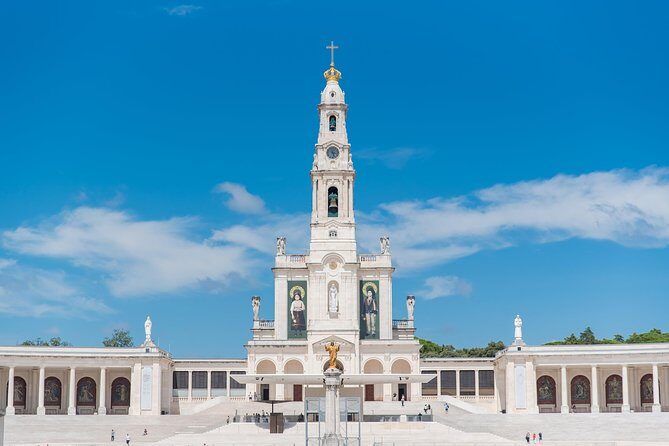
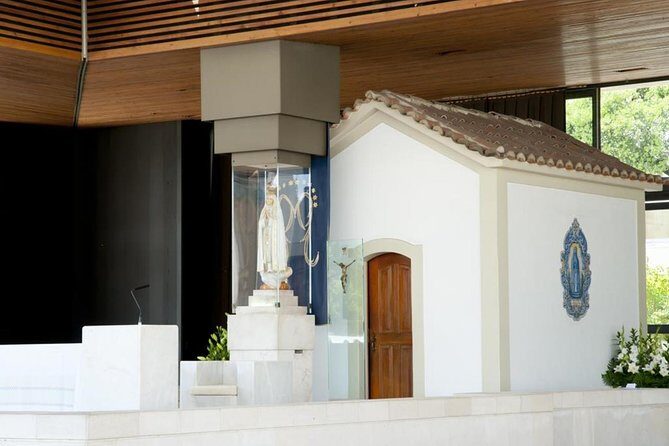
Day 1 centers on the Our Lady of Fátima complex. You’ll have three separate stops in the sanctuary area: the Basilica de Nossa Senhora do Rosário de Fátima, the Church of Nossa Senhora do Rosário de Fátima, and then the Sanctuary of Our Lady of Fátima. Each is listed at about 30 minutes, and admission is free for these visits.
Here’s what I think makes this setup valuable: you’re not just seeing one building. You’re moving through the core zones that shape the pilgrimage experience. Even if you’re not deeply connected to Catholic tradition, the place is designed for reflection and repeat visits, so multiple stops help you understand how the site “works” for visitors.
Dress code matters here. For worship spaces and selected museums, the rule is clear: no shorts or sleeveless tops, and your knees and shoulders must be covered for both men and women. It’s not a vibe issue; it’s an entry rule, and you could be refused entry if you don’t match it. Bring something easy to layer so you can stay comfortable when you’re walking in daylight.
You’ll also have time for the experience beyond guided narration. The tour includes free time to explore and offers the option to attend Mass. In at least one case, having an overnight in Fátima can line up with evening devotions like the candlelight procession (when your timing allows). Either way, the overnight is what turns Fátima from a quick stop into an emotional “place,” not just a location on a map.
Practical note: the coach has no toilet, so if you’re someone who needs breaks, do a quick reset before each departure segment.
A simple, convenient night in Fátima (and how dinner fits)
One night of accommodation is included in Fátima, plus one breakfast and one lunch. The tour also lists a day-2 meeting rule tied to your lodging: on Day 2 you meet the guide in the hotel lobby at 1:30 pm.
The big practical point is what the overnight buys you. Fátima isn’t only about what you see in daylight. If you want more than a rushed “look and leave,” staying overnight gives you a second window to return to the sanctuary area on your own time, even if your schedule that evening is just quiet walking and shopping at a slower pace.
The hotel setup is described as simple but sufficient. In one piece of feedback, the accommodation was described as very close—easy to access because it was across from the main sights. Since exact hotel assignments aren’t listed here, I’d treat this as a “likely advantage,” not a guarantee, but it’s a common benefit of staying in the Fátima area.
Dinner isn’t included. There’s a listed dinner supplement at the hotel of 32€ per person, so if you plan to stay out, budget time to eat nearby. If you prefer a predictable plan, ask the staff what time dinner is and whether it’s optional for your room rate.
UNESCO Batalha Monastery: why the visit feels efficient
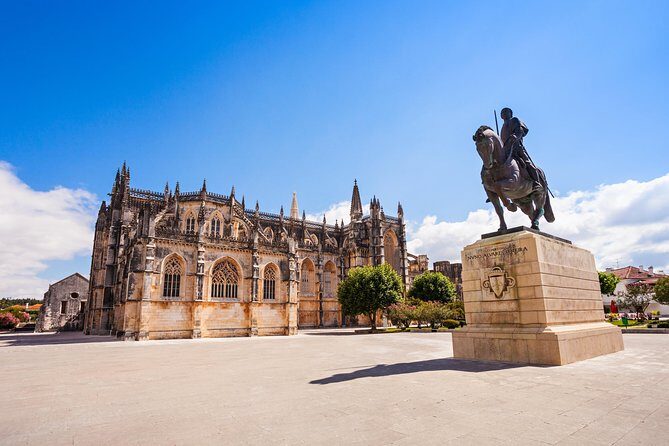
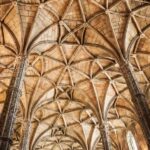
On Day 2, Batalha Monastery is your first big stop. You’ll visit the Monastery of Santa Maria da Vitória in Batalha, and the entry ticket is included. The visit window is about 45 minutes, which sounds short until you remember it’s a guided highlight stop, not a museum marathon.
This monastery matters because it ties to Portugal’s historical identity, and the site is linked to the battle against Castilian rivals in the conflict of Aljubarrota. Even in under an hour, a guide can point out the visual cues that tell you what you’re looking at and why it was built this way.
Because you’re there for a focused window, come ready to walk. Comfortable shoes help, since you’ll likely move between viewing points and paths inside the complex. Also, dress rules can still apply when you enter certain indoor spaces, so keep your covered-shoulders and covered-knees outfit ready.
The most important thing to remember about Batalha on this tour: it’s a “see the reason” visit. You’ll leave with a mental framework for the UNESCO status, not every detail a historian could list. If you’re the type who likes to read wall text for an hour, you might feel the time limit. If you like getting the story fast, this format works.
Nazaré: coastal town, quick walk, and included lunch
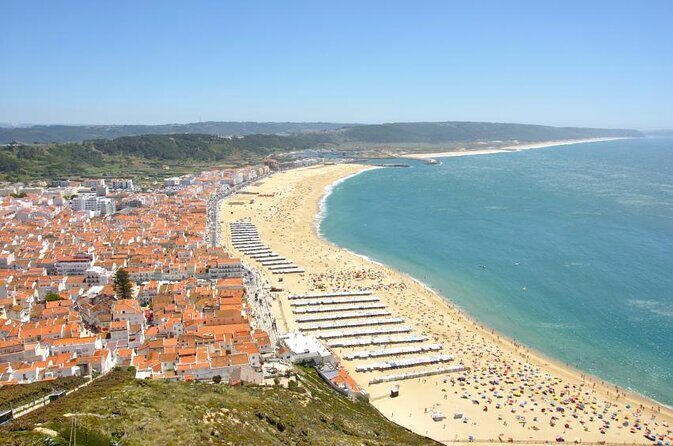
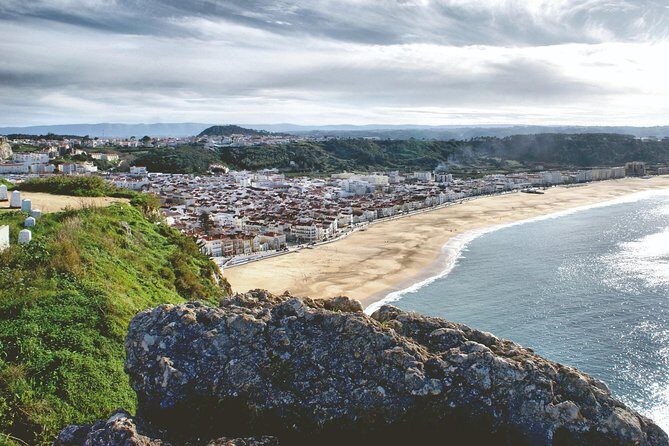
After Batalha, you head to Nazaré, a traditional Portuguese fishing village on the Atlantic. Your guided time there is listed at about 30 minutes, with admission-free time at the town itself. This is a photo stop with purpose, not a day spent wandering.
Nazaré’s value on this route is the change of pace. After Fátima’s sacred density and Batalha’s monumental architecture, the coast resets your senses. In those 30 minutes, you’ll get the guide’s quick orientation—where things are, what to notice, and how the town’s history connects to the harbor life.
And then there’s lunch. The tour includes lunch, and in feedback it’s described as excellent and more substantial than expected. One note says it was a local, sit-down, three-course meal. That’s a big deal for value: many tours “include lunch” meaning you buy your own food at a set place, but here you’re scheduled for an actual meal service.
Use this lunch time well. If you’re hungry, eat. If you’re not, still take a break and reset your energy. Nazaré can be a breeze-filled, windier spot depending on the day, and the comfort of having a warm meal helps you enjoy the rest of the afternoon.
Again, keep in mind the stop length. If your dream is to explore Nazaré at depth, you’ll need a longer stay. If your goal is to taste the town and move on, this works.
Óbidos: medieval streets with just enough time to enjoy the vibe
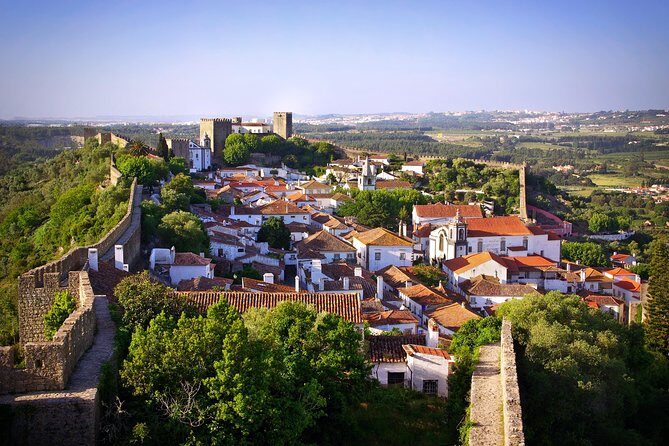
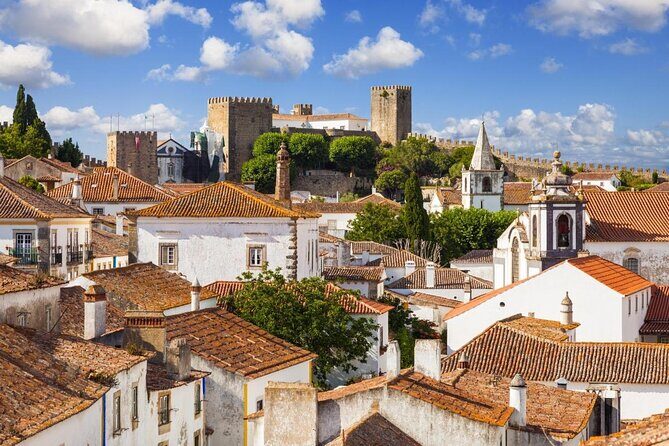
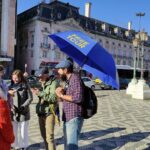
Óbidos is the other key town stop on Day 2, and it’s scheduled for about 1 hour with admission-free time. This medieval village sits high above the Atlantic coast, and it has strategic importance that stretches back before the Romans. You’ll also hear how the royal family choice helped make Óbidos more prosperous.
This is the right kind of town for a guided walk. The streets are the attraction, and with only an hour, you want a guide who can steer you past the “pretty but random” parts and toward the lanes and viewpoints that feel like Óbidos.
Practical tip: wear shoes that handle uneven cobblestones, because the old-town charm comes from old-town paving. Also, bring your phone battery habits. The hour can evaporate fast once you start photographing walls, doorways, and viewpoints.
The tour is structured so you finish back in Lisbon at the original meeting point. That means Óbidos is designed as a closing highlight, not a full-day adventure. If you treat it like a highlight—slow walk, a snack if you have time, then back to the group—you’ll enjoy it more than if you try to cover every corner.
Pickup, group size, and real-world logistics that affect value
This trip costs $232.71 per person. For two days, you’re paying for guided transportation from Lisbon, one-night accommodation in Fátima, and scheduled meals (including lunch and breakfast). If you tried to do this route on your own, you’d still have to solve transport and timing between Fátima, Batalha, Nazaré, and Óbidos. That “solving” is part of what you’re buying here.
It helps that there’s a guide and an air-conditioned vehicle, and that pickup is offered for some hotels. Still, there are clear constraints that can shape your experience:
- No toilet on board the coach. Plan quick breaks before you board.
- Dress code is mandatory for worship spaces and selected museums. Pack accordingly.
- Moderate physical fitness is required, which usually means you’ll be walking between stops without full mobility support described here.
- Group size max is 50, which keeps it from feeling like a private car parade, but it also means you’ll follow timing.
One timing reality: the tour ends back at the meeting point in Lisbon, and Day 2 does not include a hotel drop-off. So if you’re staying far from the meeting area, you’ll need to plan your return onward travel.
If you’re deciding based on value, focus on this: you’re spending less time negotiating logistics and more time in guided moments at the sacred and cultural anchors. The tradeoff is that you can’t “live” inside each location the way you could with a self-paced itinerary.
Should you book the 2-day Sacred Portugal route?
Book it if you want a structured way to see Fátima plus UNESCO Batalha plus a taste of the coast without building your own plan from scratch. The overnight in Fátima is the strongest argument, because it turns the experience from a quick photo stop into something you can revisit when the crowds shift and you can breathe.
Skip or rethink it if you’re the type who needs long stays at each stop. The time windows for Nazaré and Óbidos are short, and Batalha is efficient rather than expansive. Also, if you hate following a tight schedule, you’ll feel it here.
If you go, do two things: pack for the worship dress rules, and treat punctuality like part of the experience. When everyone is on time, the tour feels smooth. When someone isn’t, the whole day can start to feel strained because the route doesn’t have slack.
FAQ
FAQ
How long is the Sacred Portugal trip?
It runs for about 2 days.
What does the price include?
The price includes a professional guide, air-conditioned vehicle, hotel pickup for some hotels, one night of accommodation in Fátima, and meals including lunch and one breakfast.
Is there lunch included, and where do we eat?
Lunch is included, and you’ll have it during the Nazaré portion of the trip.
Is dinner included?
Dinner is not included. There’s a listed dinner supplement at the hotel in Fátima of 32€ per person.
Are there visits to churches or Mass in Fátima?
Yes. You’ll visit the basilica, the church area, and the sanctuary in Fátima, and you’ll have free time that includes the option to attend Mass.
What are the dress code rules?
For places of worship and selected museums, knees and shoulders must be covered. No shorts or sleeveless tops are allowed.
Is there a toilet on the coach?
No, there is no toilet on board the coach.
Can I get a vegetarian meal option?
Yes, a vegetarian option is available if you request it at booking.
How big is the group?
The maximum group size is 50 travelers.
What if I need to cancel?
You can cancel up to 3 days in advance of the experience for a full refund. If you cancel less than 3 days before the start time, the amount paid won’t be refunded.