REVIEW · LISBON
Lisbon: 1-or 2-Day Hop-On Hop-Off Bus Tour
Book on GetYourGuide →Operated by Yellow Bus Tours - Lisbon · Bookable on GetYourGuide
Lisbon is a city of hills, viewpoints, and sudden views. This 1- or 2-day hop-on hop-off pass is a smart way to get your bearings fast while still choosing what you actually want to see. I like the two routes option (Belém and Modern Lisbon) and the practical Carris tram access, which makes the ticket feel like more than just a bus ride.
The open-top seats make it easy to catch sunshine and photo angles, and the audio guide helps connect what you see—especially around the rebuilt old center after the 1755 earthquake. One thing to consider: service can be great, but sometimes you’ll wait a bit at popular stops, and a few people reported audio glitches that were fixed by switching seats.
In This Review
- Key points before you ride
- Yellow buses and real value in Lisbon
- Finding your bus: blue Belém vs pink Modern
- Belém Lisbon: Rossio to Jerónimos to the Torre de Belém
- Start points that set you up well
- Belém’s must-see cluster
- MAAT and the modern art-and-architecture stop
- A quick reality check on pacing
- Modern Lisbon: Graça viewpoints, Azulejo tiles, and Parque das Nações
- The central-to-hill transition
- Museu do Azulejo and Beato: tiles and neighborhood character
- Oceanário access (and what is not included)
- Vasco da Gama and the big riverfront complex stops
- Tram access and the Carris Museum perk
- On-board experience: audio guide, open top deck, and real-world tips
- Where to hop off first: a smart 2-day plan
- Day 1 idea: Belém orientation + one serious monument block
- Day 2 idea: Modern Lisbon plus one cultural stop
- Timing note that matters
- Price and value: why $25 can make sense here
- Things to watch for (so your day stays smooth)
- Who this hop-on hop-off pass is best for
- Should you book the Yellow Bus Lisbon pass?
- FAQ
- How much does this Lisbon hop-on hop-off bus tour cost?
- What’s included with the ticket besides the buses?
- Are the Belém and Modern Lisbon buses included together?
- How long is each bus route?
- Is admission to the Oceanário included?
- What are the bus colors and how do I tell the routes apart?
- Is an audio guide included, and what languages are available?
- Are drinks or food allowed on the vehicle?
Key points before you ride
- Two routes, one ticket mindset: You can plan your day around history or modern neighborhoods, then mix in the other route later.
- Belém route hits Lisbon’s big names: Rossio Square, Jerónimos Monastery, and Torre de Belém sit within an easy hop-off day.
- Modern Lisbon route fits the new-city story: Parque das Nações area, Oceanário zone, and Museu do Azulejo/Beato stops help balance the day.
- Carris Museum is included with your ticket: Show it on-site for free entry.
- Frequency helps, but photo stops need patience: Some riders want slower pacing at key photo moments.
Yellow buses and real value in Lisbon

At about $25 per person for a 2-day pass, the appeal here is not fancy extras. It’s simple: you buy time and flexibility, then you use it to stitch together Lisbon’s hills and neighborhoods without overthinking transport.
Lisbon is the kind of city where walking is beautiful but tiring. Between steep streets and stair-heavy areas, a bus loop becomes your moving base. You hop off, explore at your pace, then hop back on when you’re done. That rhythm is the main win.
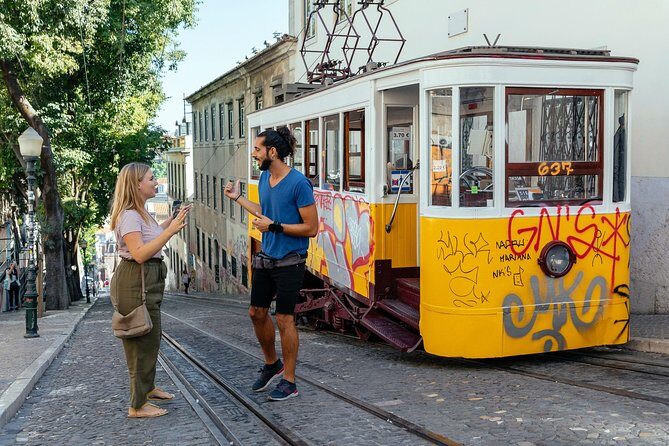
The other value lever is the included transport tie-in. Your ticket includes access to Carris Lisbon public trams during the validity window, plus free entry to the Carris Museum with proof of your valid ticket. That means you’re not trapped inside the bus—your pass acts like a local-transport add-on rather than just a sightseeing ride.
You can also read our reviews of more tours and experiences in Lisbon



Finding your bus: blue Belém vs pink Modern

Lisbon hop-on hop-off buses all look similar at a distance. Here’s how to avoid the common “wrong line” frustration: all buses are yellow, and the route is shown by a front-window sign color.
- Belém Lisbon bus: blue sign
- Modern Lisbon bus: pink sign
Each loop is about 1 hour and 40 minutes, so you can do a full circuit for orientation, then break off where you care most. You’ll also get audio in multiple languages, and drivers operate in several languages too (English and others including French, Spanish, German, Italian, Dutch, Japanese, Russian, Swedish, and Traditional Chinese listed).
One practical detail I like: Lisbon’s sunny weather is part of the experience, and the bus’s open top upper deck is made for it. If you’re sensitive to heat, pick your timing. A review tip suggests riding early morning or late afternoon to dodge the hottest stretches.
Belém Lisbon: Rossio to Jerónimos to the Torre de Belém

If your time is short, this is the route you point your camera at. The Belém loop focuses on Lisbon’s classic landmarks, plus the broader historical sweep around the Tagus riverfront—places tied to the city’s rebuilding and its Age of Discoveries story.
Start points that set you up well
The Belém route typically runs from Restauradores Square (terminal), then moves toward the central squares and grand boulevards. Stops along the way give you choices beyond the obvious waterfront day.
A few highlights that help you plan:
- Rossio Square: A strong “Lisbon center” reference point. If you want a walkable start, this is a good place to hop off and orient yourself on foot.
- Avenida da Liberdade corridor: The route description specifically calls out the elegant drive down this famous avenue. Even from the bus, it helps you understand the city’s layout: grand straight lines meeting older quarters.
- Praça do Marquês de Pombal: A useful connection point if you want a wider view and an easier way to move between neighborhoods.
Belém’s must-see cluster
Once you commit to the Belém end, you can build a near-continuous history day.
Key stop moments to aim for:
- Museu dos Coches (Coach Museum) area: This stop puts you near one of the most famous collections in Lisbon. If you’re into Portugal’s royal and maritime era, it’s a natural pairing with the later stops.
- Mosteiro dos Jerónimos: This is one of the biggest anchors on the route. Even if you don’t go inside everything right away, you’ll want at least time to absorb the scale and location in the Belém complex.
- Torre de Belém (Belém Tower): The headline view stop. This is the spot you plan around for photos and time on foot.
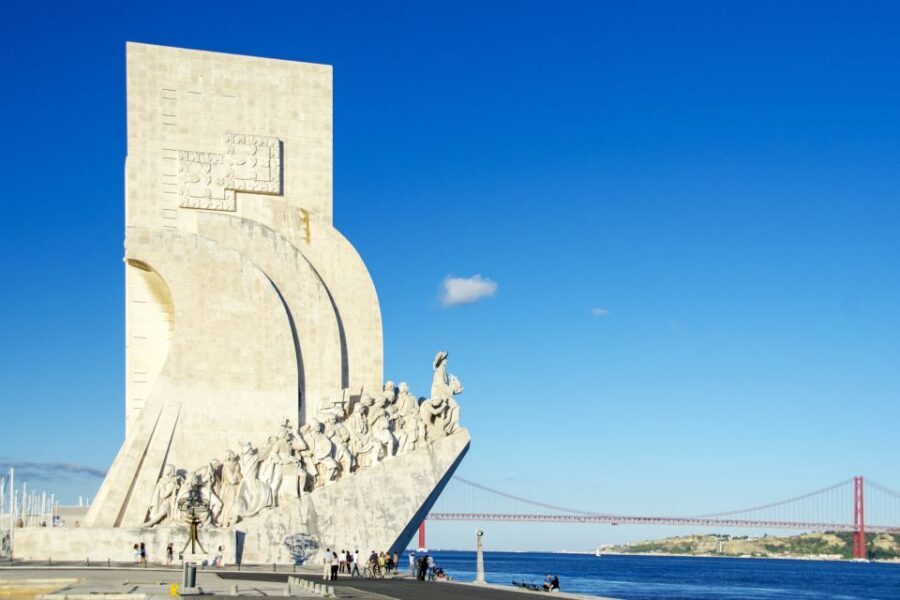
- Padrão dos Descobrimentos: This monument adds context to the Discoveries theme, which makes the Belém Tower feel less like a standalone photo and more like a chapter.





MAAT and the modern art-and-architecture stop
A nice surprise for many people is MAAT (Museum of Art, Architecture and Technology). It’s on the route, and it helps balance the older history with more contemporary design energy near the waterfront. If you love buildings and design as much as monuments, this is a good hop-off option.
A quick reality check on pacing
The Belém loop is designed for hopping off, but some reviews mention the bus can feel a bit fast when you reach major photo points. If you know you’ll want extra time at Tower-and-monument stops, plan to hop off and commit to the area rather than relying on a quick photo from the roadway.
Modern Lisbon: Graça viewpoints, Azulejo tiles, and Parque das Nações
Not every Lisbon day needs another cathedral stop. The Modern Lisbon route gives you a different tempo—more city planning, more contemporary neighborhoods, and the big “new Lisbon” landmarks toward the river’s newer sections.
The central-to-hill transition
You’ll start at Restauradores and pass through key central anchors like Rossio Square and Avenida da Liberdade, then work toward neighborhoods that feel different from the classic postcard center.
- Graça: This stop is your gateway to one of Lisbon’s famous hill-view zones. Even if you don’t linger long, it’s a useful break from straight-ahead sightseeing.
- Panteão Nacional / Feira da Ladra: This stop name tells you you’re near a major landmark and a market area. If you catch the market period, this can be a great time to hop off for local atmosphere and snack breaks.
Museu do Azulejo and Beato: tiles and neighborhood character
Two stops help you understand Portugal’s visual language without needing a deep research project:
- Museu do Azulejo: Portugal’s tile tradition is a major part of Lisbon’s look. Even if you only skim the outside views from the stop, it sets up what you’ll be looking for later.
- Beato: This is a neighborhood stop that adds personality to the route. It’s a good choice if you want less “monument stacking” and more “walk around and see what’s there.”
Oceanário access (and what is not included)
The route includes Oceanário (Oceanarium area). Important: the info provided says Oceanarium admission is not included, so you’ll need a separate ticket if you want to go in. That said, the bus stop placement is valuable because it reduces friction—getting to Parque das Nações is easier when a bus drops you close.
Vasco da Gama and the big riverfront complex stops
You’ll also see stops tied to the Vasco da Gama area, including FIL, Torre Vasco da Gama, and shopping stops listed. If your idea of Lisbon includes shopping, longer promenades, or a modern riverfront afternoon, this is your route.
Tram access and the Carris Museum perk

Here’s why this pass feels practical: you’re not stuck using just one mode of transport.
Your ticket includes access to Carris Lisbon public trams during the validity of your ticket. For Lisbon, trams are not a gimmick. They’re part of the city’s texture and they help you connect between viewpoints and neighborhoods without relying on constant steep walking.
Then there’s the Carris Museum. Your ticket gives you free access to the museum upon presenting a valid ticket. If you like transport history, this is a satisfying add-on because it turns your tram rides from just “cool photos” into an understanding of how the system works.
On-board experience: audio guide, open top deck, and real-world tips
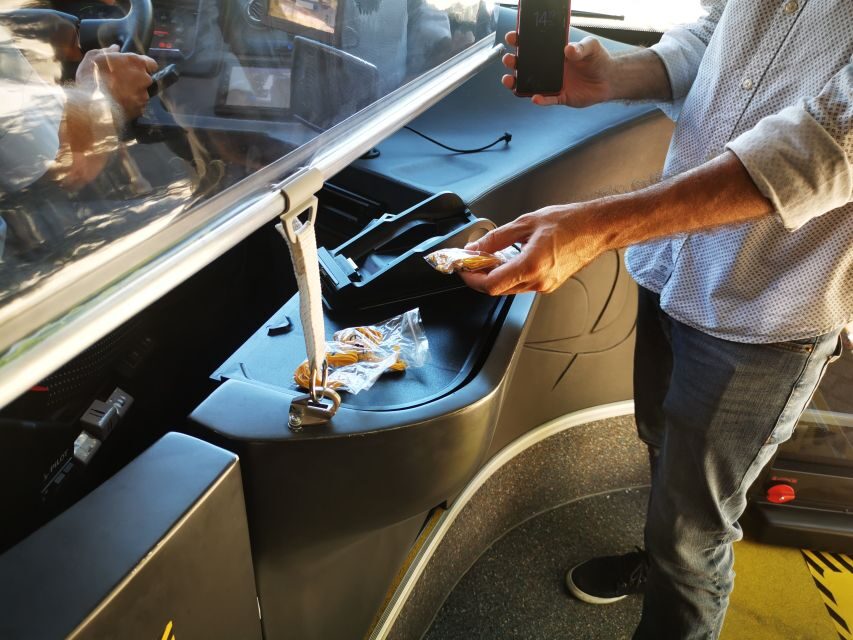
This tour includes an audio guide, and the listed languages are broad (English plus many others). The audio is designed to match what you see outside, so it helps you link landmark names to locations.
A few tips based on reported on-board experience:
- If your audio sounds wrong or cuts out, move seats. People reported switching places solved it.
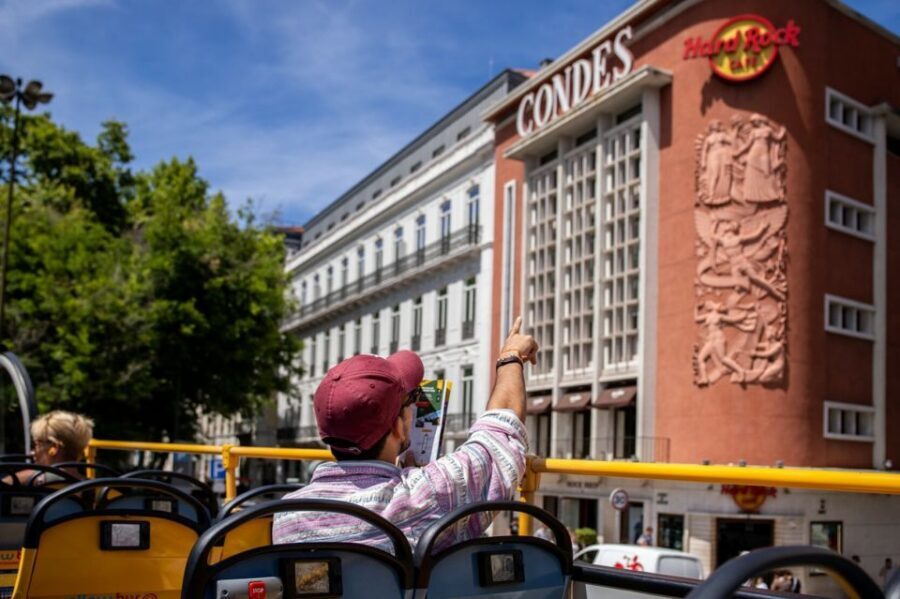
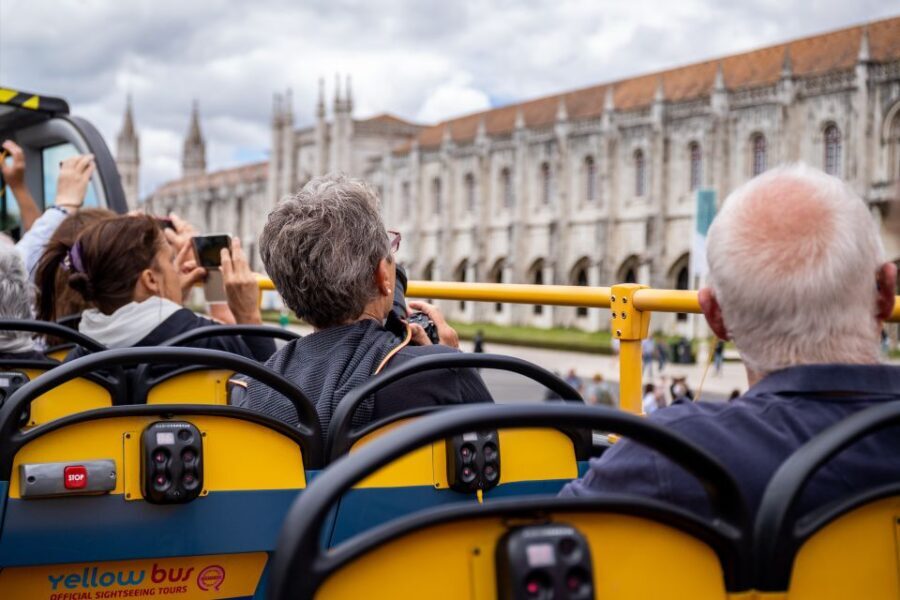
- Use the upper deck when you can. Even when you’re not in full “photo mode,” the perspective is better and the city looks less compressed.
- Bring something to handle rain-seat comfort. One helpful tip suggested using tissues to wipe seats after rain.
Also: there are clear rules about what not to do—no drinks or food in the vehicle, and no alcoholic drinks.
Where to hop off first: a smart 2-day plan
The best use of hop-on hop-off isn’t riding every loop twice. It’s choosing the first hop-off like it’s your anchor point.
Day 1 idea: Belém orientation + one serious monument block
Start early and do a full Belém circuit once for orientation. Then hop off at the Belém cluster and commit time:
- Jerónimos and Torre de Belém are your “don’t rush” stops.
- Padrão dos Descobrimentos works best when you want a theme thread, not just another photo spot.
- If you want art/architecture balance, add MAAT later.
If you’re the type who likes fewer decisions, this keeps Day 1 focused and gives Day 2 freedom.
Day 2 idea: Modern Lisbon plus one cultural stop
On Day 2, go Modern. Pick one “anchor culture stop” and build around it:
- Museu do Azulejo if tiles are your interest
- Beato if you want neighborhood wandering
- Oceanário area if marine life is a must (and plan on buying admission separately)
You can still use the bus for views and transit, but your time stays concentrated.
Timing note that matters
One practical thing: buses have posted operating times at the Restauradores Square terminal, with different windows depending on route. If you’re planning late-day photo targets, check the live schedule (there’s a live timetable link provided) so you’re not gambling.
Price and value: why $25 can make sense here

Pricing for city tours is tricky because everyone compares it to the cheapest option. Here’s the fair way to judge this one: you’re paying for a bus pass that also gives tram access and Carris Museum entry.
So the value isn’t just “bus seats.” It’s:
- Two route options that help you cover both the classic riverfront history and the newer modern parts of Lisbon
- Tram access across the Carris network during your ticket validity
- Free Carris Museum entry with your valid ticket
That combination can beat piecemeal tickets if you plan to use both bus routes and at least one tram ride. If you only ride once and you skip the museum and trams, the value drops. This pass is at its best when you treat it like a mobility tool, not just a ride.
Things to watch for (so your day stays smooth)
This is a strong option, but a few issues show up often enough to plan around:
- Stop timing for photos: A few comments suggest the bus doesn’t slow down as much as people want at important photo points. If you care about getting the perfect shot, hop off and take the time on foot.
- Waiting at some stops: At popular hop-off areas, you may wait longer than you hope. Using the live schedule helps, but it might not always match reality perfectly.
- Audio device reliability: Most audio is well reviewed, but there are reports of seat audio not working. Switching seats is a quick fix.
If you’re flexible and you plan your time with a bit of buffer, these small issues tend to stay small.
Who this hop-on hop-off pass is best for
I’d point you toward this pass if you:
- Want an easy way to learn Lisbon’s geography in 1–2 days
- Prefer choosing your own pace instead of sitting through a fixed guided tour
- Like using transit plus short walks to build a day
- Need help navigating Lisbon’s hills without turning every stop into a workout
It’s also a good fit for first-timers and for couples or small groups who want structure without strict timing.
If you’re a hardcore museum person who already knows exactly where you’ll go and how to get there, you might find a standard ticket or a single route tour is enough. But for most people, the two-route + tram + museum mix is exactly what makes this feel like a deal.
Should you book the Yellow Bus Lisbon pass?
Yes, if you want a simple plan that covers both the famous Belém sights and Lisbon’s modern riverfront side, while still letting you tailor your time on foot. The ticket’s value comes from the combo: bus flexibility plus Carris tram access plus free entry to the Carris Museum.
Skip it or scale back if you hate waiting at stops, you only care about a single neighborhood, or you’re the type who never uses public transit. In that case, you’ll likely get more value from a more targeted plan.
If you’re unsure, my advice is to book for 2 days, do one full loop early to get your bearings, then spend your best hours around Jerónimos/Torre de Belém on the Belém side and one cultural anchor on the Modern side.
FAQ
How much does this Lisbon hop-on hop-off bus tour cost?
It’s listed at $25 per person.
What’s included with the ticket besides the buses?
Your ticket includes access to Carris Lisbon public trams during the ticket validity, plus free access to the Carris Museum when you present a valid ticket.
Are the Belém and Modern Lisbon buses included together?
You can choose a ticket that covers one or two double-decker bus lines depending on the option you select. The 24- or 48-hour tickets cover the Belém Lisbon and Modern Lisbon hop-on hop-off bus routes after first validation.
How long is each bus route?
The Belém Lisbon bus tour duration is 1 hour and 40 minutes, and the Modern Lisbon bus tour duration is also 1 hour and 40 minutes.
Is admission to the Oceanário included?
No. The information provided says Oceanarium admission is not included.
What are the bus colors and how do I tell the routes apart?
All buses are colored yellow. The Belém Lisbon bus has a blue sign in the front window, and the Modern Lisbon bus has a pink sign.
Is an audio guide included, and what languages are available?
Yes, an audio guide is included. English and many other languages are listed, including Portuguese, Dutch, French, Spanish, Italian, German, Swedish, Japanese, Korean, Chinese, and Russian.
Are drinks or food allowed on the vehicle?
No. Drinks and food are not allowed on the vehicle, and alcoholic drinks are also not allowed.