REVIEW · LISBON
The Portuguese Tiles
Book on Viator →Operated by Lisbon Experience · Bookable on Viator
Lisbon tiles tell stories you can feel. This 3½-hour tile-history walk connects Moorish patterns to Portuguese style across working churches and real shopfronts. The small-group nine-person pace keeps it relaxed, even when streets get slick.
I love that the guide, Miguel Cardoso, brings the subject to life with a warm, patient style and smart reroutes when weather turns. I also like the variety: blue-and-white panels inside churches, a fully tiled brewery, a classic bookstore façade, plus a ceramics stop that ties tiles to everyday Lisbon.
One drawback to plan for: good weather matters because you’ll spend a lot of time walking between sights. If you tire easily, you’ll want to pace yourself and ask for a short break when you need it.
In This Review
- Key things to know before you go
- Why Lisbon tiles feel like real history, not decoration
- Meeting at Av. da Liberdade and setting the pace
- Casa do Alentejo: where Moorish style starts the story
- Convento de São Pedro de Alcântara: the blue-and-white origin story
- Igreja de São Roque: signed 16th-century panels and a key transition
- Trindade brewery: tiles that belong to everyday Lisbon
- Largo Rafael Bordalo Pinheiro: Masonic motifs and the man behind the façade
- Livraria Bertrand in Chiado: tiles on a living landmark
- Alcôa pastry history and Praça Dom Pedro IV’s storytelling core
- Viuva Lamego showroom: see the tile-making legacy behind the walls
- Rua da Misericórdia: the closest thing to a tile museum you can walk into
- Is the $60.24 price fair for what you actually get?
- Who should book this Portuguese Tiles walk
- Should you book this tour or skip it?
- FAQ
- How long is the Portuguese Tiles tour?
- How much does it cost per person?
- What group size should I expect?
- Where do I meet, and does it end in the same place?
- Is the tour offered in English, and are service animals allowed?
- Does the tour run in bad weather?
- What is the cancellation window for a full refund?
Key things to know before you go
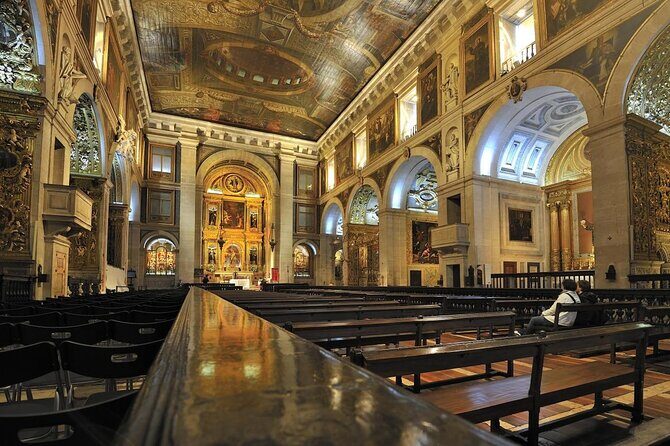
- Moorish-to-Portuguese tile evolution: you see the shift through specific church panels, including older in-situ work.
- Most stops are free on entry, so your money goes to the guide and the learning, not a stack of tickets.
- A small group (max 9) means you can ask questions and move at a comfortable tempo.
- Tile-spotting skills: you’ll learn what makes tiles look older versus newer as you pass them later around town.
- Practical sightseeing flexibility: the guide can adjust when it rains and keep you safe on slippery streets.
- One included admission: the Viuva Lamego showroom is part of the experience, not an extra add-on.
Why Lisbon tiles feel like real history, not decoration
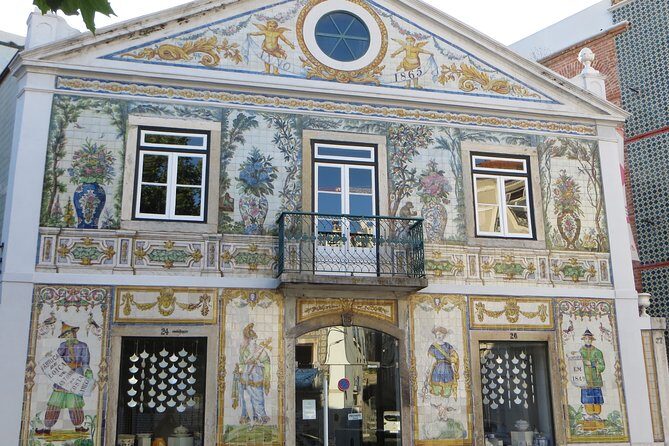
Portuguese azulejos aren’t just pretty. In Lisbon, tiles act like a public record. They show style changes over centuries, and they reflect who was in power, what people believed, and what “Portugal” was trying to say through art.
On this tour, you’re not stuck staring at one wall. You connect tiles to the buildings that hold them—churches, old commercial spaces, and famous Lisbon institutions. That context is the magic. A blue-and-white panel in a sacred room can mean something very different than the same pattern on a brewery or a storefront.
You’ll also hear broader Lisbon layers tied into the story of art and city identity—so your tile photos end up meaning more later. Expect big historical touchpoints to show up in the guide’s narration, including Portugal’s political turning points and the long sweep of influences that shaped the city.
You can also read our reviews of more tours and experiences in Lisbon.



Meeting at Av. da Liberdade and setting the pace
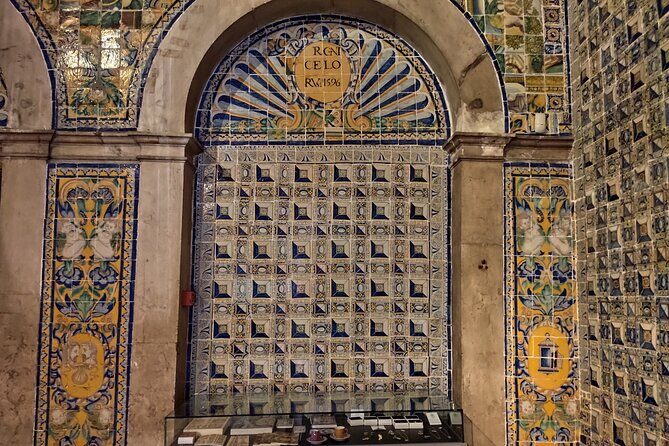
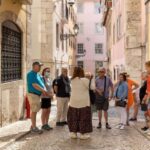
The tour starts at Av. da Liberdade 6, with a 10:00 am start time. It runs about 3 hours 30 minutes, and it keeps the group to up to 9 people, which matters more than you’d think. Smaller groups mean fewer bottlenecks at church doors and faster, friendlier answers to your questions.
You’ll use a mobile ticket, and the meeting area is near public transport, which makes it easier to fold into a first or second day in Lisbon. The tour ends in a different location than where it starts, so when you book, make sure you check the exact finish point in your confirmation details.
You’ll walk through central areas, mostly on foot, so wear shoes you trust. In rain, that’s extra important. One of the strongest themes from people’s experiences is that the guide pays attention to comfort and safety—slower pace when needed, and route options when weather makes things slippery.
Casa do Alentejo: where Moorish style starts the story
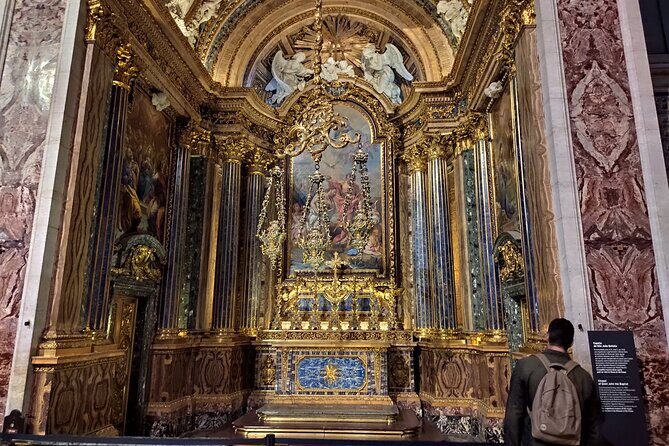
You kick off at Casa do Alentejo, a historic house with a past you’ll want to hear before you start counting tile designs. It was once an aristocratic home, then remodeled in the 19th century to host Lisbon’s first casino. That shift—from private residence to public space—helps explain why tile decoration became so tied to Lisbon’s visual identity.
The room you’ll look at features Moorish influence, and the timing is part of the point. In the 19th century, romantic interests in older styles and cultural mixing shaped how artists and architects treated decoration. That’s why Casa do Alentejo is a strong “starter” stop: it sets a mood, then you’ll watch that mood turn into a more traceable tile timeline as you move.
Entry here is free (you’ll need the right pass or ticket on the day, but admission cost isn’t part of your bill).
Convento de São Pedro de Alcântara: the blue-and-white origin story
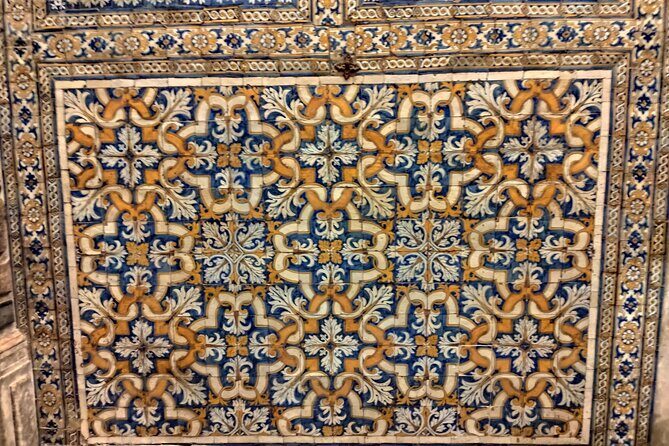
Next you head to Convento de São Pedro de Alcântara, at the church of São Pedro de Alcântara. This stop is where you get a clear “beginning” idea for the blue-and-white tradition in Portugal.
Inside, you’ll see tiles dating from the late 17th century to early 18th century. That matters because tile art didn’t just appear overnight. Styles arrived, changed, and then took root in local building culture. Standing in the place where the tiles actually live helps your eye learn what people at the time wanted: clarity, repetition, and a blue palette that feels calm even when the symbolism gets complex.
This stop also has free admission, which keeps the tour moving without turning it into a ticket-hunting exercise.
Igreja de São Roque: signed 16th-century panels and a key transition
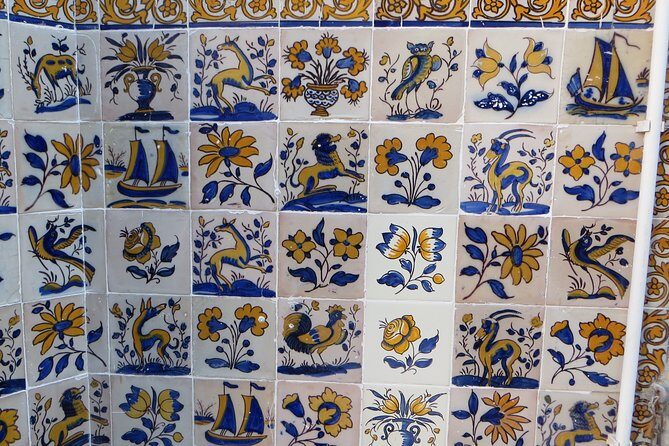
At Igreja de São Roque, you’re in one of the most meaningful tile contexts in Lisbon. This church holds some of the oldest tile panels in Lisbon in situ, including signed 16th-century panels.
The big idea here is the transition. The narration connects the Moorish tradition to a more distinctly Portuguese tile identity. Even if you don’t know how to read tile signatures yet, you’ll learn what to look for as a visual “bridge” between styles.
This is also where the tour becomes more than sightseeing. You’ll start noticing how tile panels frame space and guide the eye in a building. That’s useful later when you wander on your own and want to spot what’s old, what’s been restored, and what looks like it belongs to which era.
Admission is free for this stop as well.

Trindade brewery: tiles that belong to everyday Lisbon
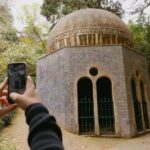
Now you switch from church formality to daily city life at Trindade—the oldest brewery in town, covered in 19th-century tiles. This is a favorite kind of stop for many people because it changes the feeling of “tiles” in your mind.
In a church, tiles can feel ceremonial. In a brewery, they feel like civic branding. They show that azulejo wasn’t only for palaces and sacred spaces. It also shaped the look of places people used regularly.
If you’re the type who loves architectural details, take a slow look at the full covering rather than snapping one quick photo. The patterns are meant to work as an overall surface, not just as decoration around one doorway.
Entry here is free, and the stop is short—about 5 minutes—so stay sharp and let your eyes do the work.
Largo Rafael Bordalo Pinheiro: Masonic motifs and the man behind the façade
At Largo Rafael Bordalo Pinheiro, you’ll see a 19th-century tile façade with Masonic motifs. It’s the kind of design that sparks questions fast, because the symbols aren’t decorative filler. They signal a specific cultural current tied to the era.
This stop also includes a quick human story: you’ll hear about the person behind the iconic façade. Knowing the “who” helps you connect the design choices to the artist or designer’s intent, rather than treating the tiles like anonymous wallpaper.
This stop is about 5 minutes, free entry, and worth it mainly because it makes you look harder at symbol design—how motifs repeat, where they sit on the façade, and how tile scale affects meaning from street level.
Livraria Bertrand in Chiado: tiles on a living landmark
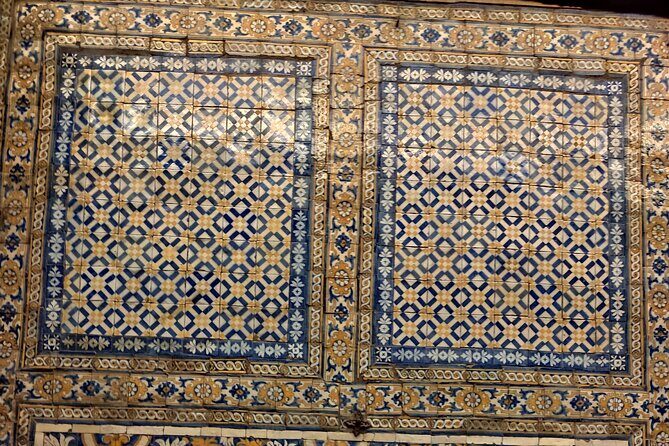
Then you move to Livraria Bertrand in Chiado, a place with a reputation that extends beyond Lisbon. It’s the oldest bookstore in the world still operating, and the building’s luxurious blue-and-white tiled façade ties the written word to visual craft.
The stop is short—about 5 minutes—but it gives you a satisfying contrast. Tiles aren’t only religious or industrial. They also show up as a kind of face for culture: a bookstore that has stayed alive long enough to become part of Lisbon’s identity.
This is a great pause moment too. If you need to slow down, this kind of stop lets you breathe while you keep your bearings.
Admission is free for the tour stop.
Alcôa pastry history and Praça Dom Pedro IV’s storytelling core
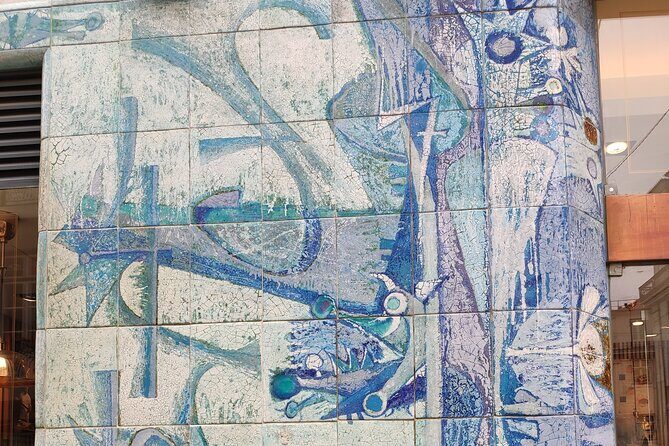
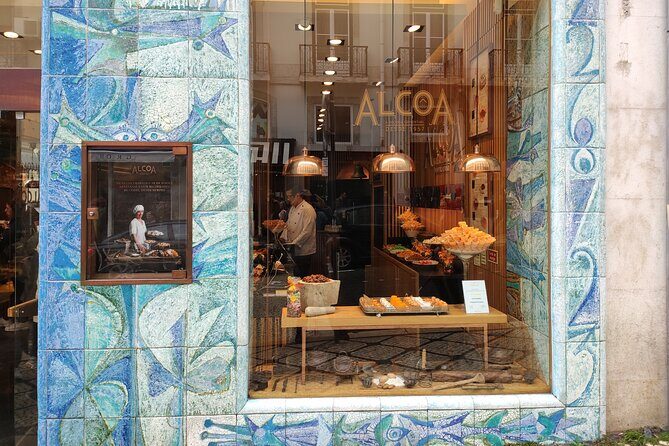
Next comes Alcôa, an iconic pastry shop. The twist is that it was once a lottery shop, and that past is linked to ceramics placed on the storefront area. You’ll hear about how Alcôa’s tile/ceramic work connects to a 20th-century Portuguese potter—one of those moments where “tiles” become more than art history. They become a business memory.
It’s a 10-minute stop with free admission, and it’s also a useful mood shift. After churches and façades, a taste of Lisbon’s food culture makes the day feel normal again.
Then you step into Praca Dom Pedro IV, which is described as the most important square in Lisbon and a place full of history and stories. This stop is about 10 minutes and again free entry. It helps you connect what you’ve been seeing on walls to the big-city stage where daily life happens.
Even if you don’t stop for a snack, treat this square as a reset. Look around before you keep walking. That’s how you start seeing Lisbon’s tile language on your own later.
Viuva Lamego showroom: see the tile-making legacy behind the walls
At Viuva Lamego, you get a different kind of experience. This place was tied to one of two major tile factories in Lisbon, and today it functions as a showroom.
Instead of only looking at tiles installed on historic buildings, you get a chance to connect those designs to the world that produced them. That’s valuable for one reason: it turns tile spotting from random admiration into pattern recognition.
This stop runs about 10 minutes, and admission is included in the tour. So you’re not paying extra just to stand in a tile space.
Rua da Misericórdia: the closest thing to a tile museum you can walk into
Your final stretch goes to Rua da Misericórdia, a store that feels almost like a museum. Here you can enjoy tiles from almost every era, which is exactly what you want after the church-and-facade sequence earlier.
This is the “test yourself” part of the tour. As you look at different periods side by side, you can apply what you learned: older-looking panels often have different design logic and age signals, while later tiles tend to show new styles and production habits.
This stop is about 20 minutes with free admission. It’s long enough to compare, but not so long that you feel trapped in shopping mode.
If you’re thinking about bringing a tile-themed souvenir home, this is where it makes the most sense. You’ll at least understand what you’re buying—at the level of style and era—not just the price tag.
Is the $60.24 price fair for what you actually get?
At $60.24 per person, this tour isn’t the cheapest way to spend half a morning in Lisbon. But it can feel like a solid value because you’re paying for two things that add up fast: a route that hits major tile moments plus a guide who can explain what you’re seeing.
A key value point: admission is free for most stops, and only the Viuva Lamego stop is included as an admission cost. That means your payment buys guided interpretation rather than turning into an entry-fee marathon.
Also, with small group size, you’re less likely to get swept along. You can ask questions about what you notice and get practical tips you can use during the rest of your trip.
If you’re traveling with a friend or family group, keep an eye out for group discounts, which can bring the per-person cost down.
Who should book this Portuguese Tiles walk
This tour fits best if you like art history that you can see with your own eyes. If you want to walk Lisbon and learn what to look for—older panels, stylistic transitions, and why tiles ended up on places like breweries and bookstores—you’ll get a lot out of it.
It’s also a good fit for people who want a first-day orientation without doing a 7-hour mega tour. The pacing is designed to be comfortable, and the guide’s style is often described as patient and accommodating—especially when schedules change or weather makes surfaces dangerous.
The main reason not to book is simple: if you hate walking in uneven streets, this won’t feel like a slow, easy stroll. And because the experience requires good weather, don’t plan it as your only “must-do” on a day when the forecast looks rough.
Should you book this tour or skip it?
I’d book it if you want Lisbon’s tile story in a structured, friendly format. The combination of in-situ church panels, tile-covered everyday spaces, and a factory showroom gives you a full sense of how tiles function in Lisbon—from identity to industry.
I’d also book if you’re the type who likes a guide who can adjust. The most consistent highlight is how the guide handles rain carefully and keeps the day enjoyable without rushing you.
If you prefer to wander alone with a guidebook and take your time at your own pace, you might skip. But if you want to understand what you’re looking at in real time, this is one of the most efficient ways to do it.
FAQ
How long is the Portuguese Tiles tour?
It lasts about 3 hours 30 minutes.
How much does it cost per person?
The price is $60.24 per person.
What group size should I expect?
The tour has a maximum of 9 travelers.
Where do I meet, and does it end in the same place?
You meet at Av. da Liberdade 6, 1250-144 Lisboa, Portugal. The tour ends in a different location, and the exact end details are shared as part of the booking information.
Is the tour offered in English, and are service animals allowed?
Yes, it is offered in English, and service animals are allowed.
Does the tour run in bad weather?
The experience requires good weather. If it’s canceled due to poor weather, you’ll be offered a different date or a full refund.
What is the cancellation window for a full refund?
You can cancel up to 24 hours in advance for a full refund. If you cancel less than 24 hours before the start time, the amount paid is not refunded.