REVIEW · LISBON
Pastel de Nata Workshop in Lisbon
Book on Viator →Operated by Casa dos Ovos Moles em Lisboa · Bookable on Viator
Custard tart skills in two focused hours. This small-group class at Casa dos Ovos Moles is a hands-on way to learn Portugal’s most famous pastry, with you making the dough and shaping the tartlets. You can also pick from two start times, which helps if you’re juggling a tight Lisbon day.
What I love most is that you leave with a written recipe you can actually use at home. I also like the pairing: your freshly baked pastel de nata comes with a glass of port wine or local ginja liquor. One thing to consider: the session is technique-forward, so if you want ultra-casual, no-feedback vibes, you might find the instructor’s focus a touch intense.
In This Review
- Pastel de Nata Workshop at Casa dos Ovos Moles: The Fast Pitch
- Key Highlights You’ll Feel Immediately
- Custard Tart Skills in Two Focused Hours
- What You’ll Make: Pastel de Nata Dough and Custard From Scratch
- Where the Workshop Starts: Calçada do Sacramento Address
- Making Day-by-Day Pastry: What the Flow Feels Like
- Baking Secrets You’ll Actually Use at Home
- Tasting With Port Wine or Ginja: More Than a Dessert Moment
- Price and Value: Is $72.41 Worth It?
- Who Should Book This Workshop (and Who Might Not Love It)
- Practical Tips Before You Go
- Should You Book This Pastel de Nata Workshop?
- FAQ
- How long is the Pastel de Nata workshop in Lisbon?
- Is the class offered in English?
- How many people are in the class?
- Do I get a recipe to take home?
- What’s included for food and drinks?
- Where is the meeting point?
- Is the workshop dependent on weather?
- What’s the cancellation policy?
Pastel de Nata Workshop at Casa dos Ovos Moles: The Fast Pitch
This isn’t a sit-and-watch tasting. You work the pastry dough from scratch, then you bake and taste what you made. And because the group is capped at 6 travelers, you’re not stuck hoping someone notices your questions.
The workshop also leans into the shop’s specialty in convent-style Portuguese sweets—famous ovos moles desserts created centuries ago inside convents. You’ll get more than instructions; you’ll get context for why this pastry is so particular about texture, heat, and timing.
Key Highlights You’ll Feel Immediately
- Hands-on from scratch dough, not just assembling
- Small group (max 6) means real attention while you work
- Take-home written recipe so you can repeat the process at home
- Port wine or ginja liquor served with your dessert
- Convent pastry roots connected to ovos moles traditions from the 16th century
- English-friendly teaching in a welcoming shop setting
You can also read our reviews of more tours and experiences in Lisbon

Custard Tart Skills in Two Focused Hours
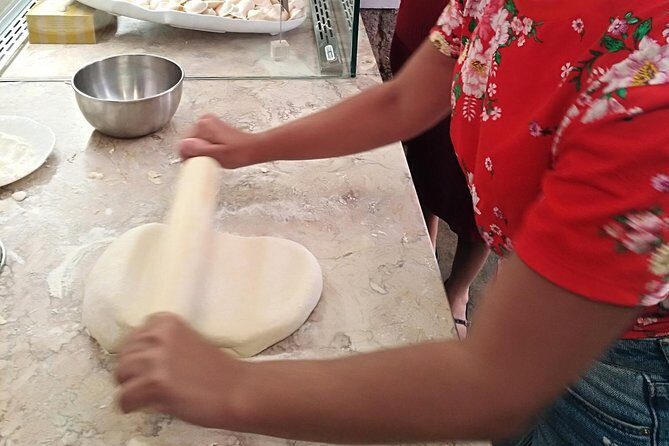
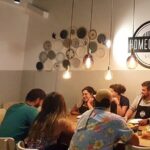
The class runs about 2 hours, and it’s designed to move. You’ll start with dough work, then there’s baking, then tasting. Expect a pace that keeps you involved the whole time, not hovering around a counter and watching someone else do the hard parts.
The group size is the big deal here. With up to 6 people, you get more direct coaching while your hands are in the pastry. That changes the experience from a “nice activity” into a real learning moment.
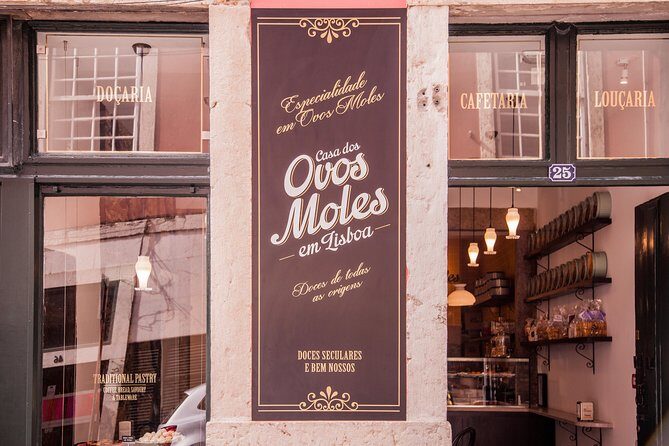
The workshop takes place at Casa dos Ovos Moles em Lisboa, a pastry shop devoted to classic Portuguese sweets. They’re known for conventual pastry—especially ovos moles—and they connect that heritage to pastries like pastel de nata.
What You’ll Make: Pastel de Nata Dough and Custard From Scratch
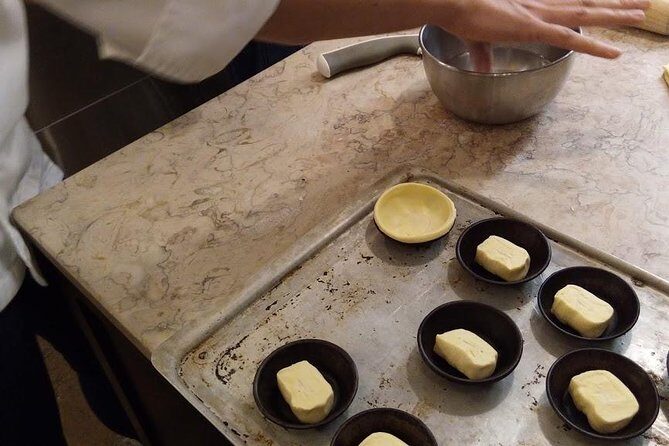
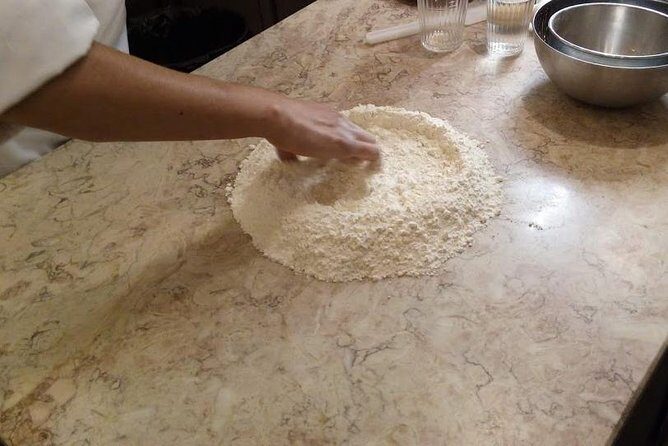
A lot of Lisbon food classes give you a shortcut. This one doesn’t. You’re taught the process all the way from scratch, including the dough and the shaping/handmade steps that matter for the final tart.
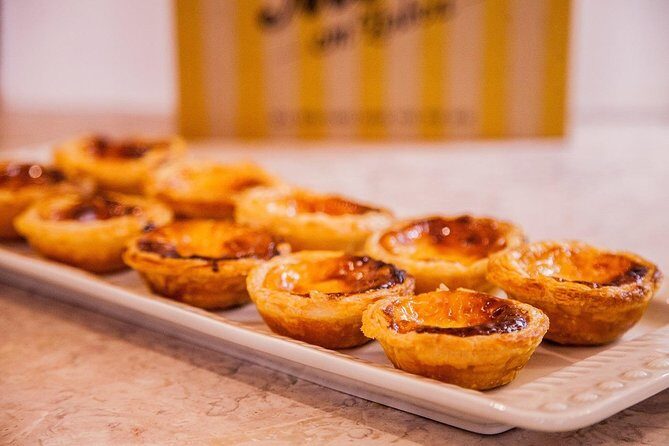
If you’ve only ever eaten pastel de nata from a bakery case, you’ll learn how much goes into the result. The name is the hook, but the technique is the point: thin, crisp edges, a creamy custard center, and that signature baked surface.
You’ll also see why convent pastries were built around repeatable craft. In this workshop, that shows up as clear steps and focused adjustments while you work—so you can understand what to do differently next time.
Where the Workshop Starts: Calçada do Sacramento Address
You meet at Calçada do Sacramento 25, 1200-393 Lisboa. The session ends back at the same spot. That’s helpful if you’re planning the rest of your afternoon and don’t want to track down a second location.
This area sits in the Lisbon core, so you’re usually not far from public transport options. If you’re coming by tram or walking from the center, it’s an easy add-on to a sightseeing day.
Pro tip: since the workshop is weather-dependent, don’t plan it as your only outdoor-focused anchor. You’ll still be inside the shop, but the activity can be canceled or rescheduled if conditions aren’t good.
Making Day-by-Day Pastry: What the Flow Feels Like
Here’s the practical shape of the session as you experience it: you arrive, meet your host in the pastry shop, and jump into the dough work. Because you’re making it from scratch, the first part is the most hands-on and the most learn-by-doing.
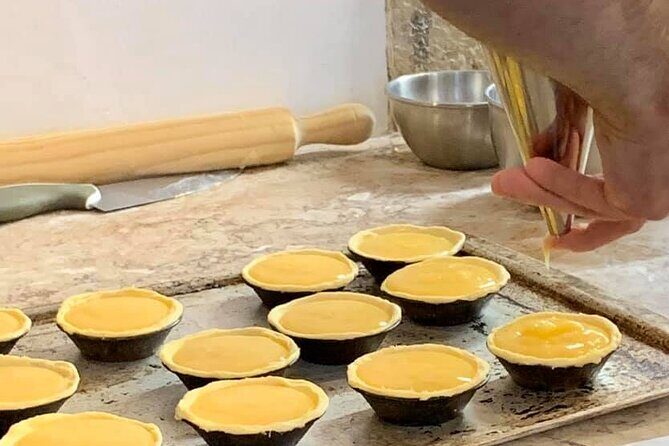
From there, you move into the parts that turn dough into the tart base that can handle baking. You’ll learn how to handle the dough with care so it bakes with the right structure instead of collapsing or staying too thick.
Then comes the cooking stage. The workshop is designed so you don’t waste time waiting around. You’ll be moving through steps while the oven handles the baking part. And by the end, you taste what you made—fresh, warm, and directly connected to the choices you just practiced.




Baking Secrets You’ll Actually Use at Home
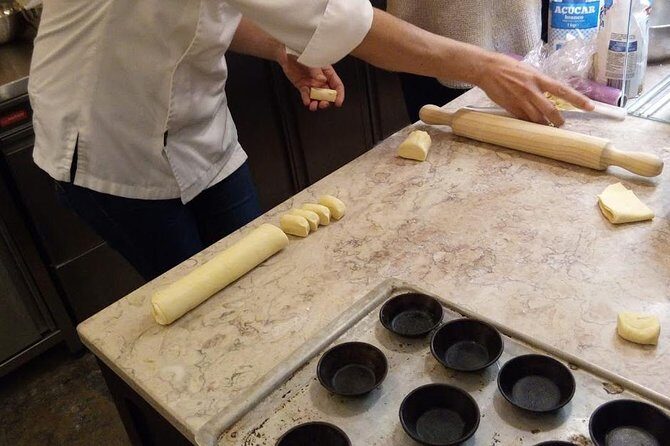
This is where the workshop earns its excellent rating. The instructor (often Filipa, who’s repeatedly mentioned for her energy and clarity) explains each step and helps you correct mistakes without leaving you stuck.
What you’re really learning isn’t just how to make one tart. You’re building the ability to diagnose what went wrong. If something looks off, the guidance tends to aim at fundamentals: how the dough feels, how the tart is formed, and what you’re aiming for in the finished bake.
That’s why the written recipe is so valuable. It isn’t just a souvenir. It’s your shortcut back into the process after you’re home, when the details are starting to fade.
A small note on timing: the class is listed as about 2 hours, but some scheduling plans may need a buffer. If you have another commitment right after, give yourself a little wiggle room.
Tasting With Port Wine or Ginja: More Than a Dessert Moment
You don’t end with a random snack. Your final course is the pastry you made—pastel de nata—served with a choice of port wine or local ginja liquor.
That pairing makes sense. Pastel de nata is creamy and sweet with a crisp baked edge, so a fortified wine or a distinctive Portuguese liqueur helps balance the richness. It also makes the last part of the class feel like a celebration instead of a timed exit.
The host also connects your dessert to the shop’s specialty. Casa dos Ovos Moles focuses on conventual pastries created inside convents in the 16th century, and ovos moles is the umbrella tradition. From there, the workshop ties into related famous sweets like pão de ló ovar, ovos moles de Aveiro, pudim abade de priscos, and more.
You won’t leave with a museum lecture. You’ll leave with a clearer sense of why these pastries have such devoted followings and why technique has been passed down for so long.
Price and Value: Is $72.41 Worth It?
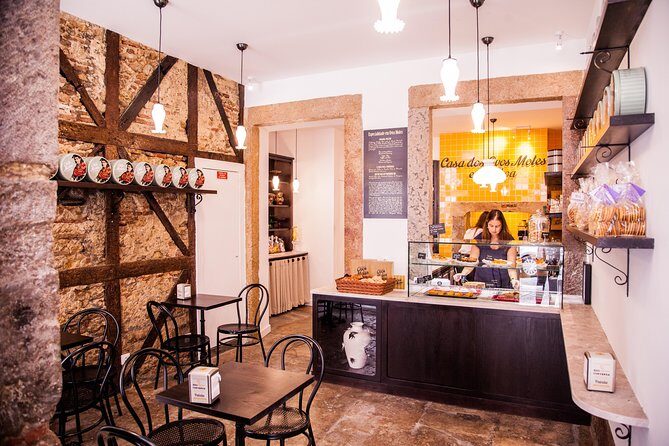
At $72.41 per person, this isn’t the cheapest Lisbon food activity. The value comes from two things.
First, you’re paying for real instruction plus hands-on practice. You’re not just sampling; you’re making the pastry yourself from scratch, which takes time, teaching effort, and equipment access.
Second, the small group size (max 6) improves the learning per minute. In a large group class, you can watch and still miss the adjustments that make the difference. Here, you get more chances to correct and improve while you work.
If you love baking, food craft, or you want one memorable, practical Lisbon day that you can replay at home, this price can feel fair. If you mainly want a light tasting with zero technique pressure, you may want to compare options.
Who Should Book This Workshop (and Who Might Not Love It)
This class is a strong fit for couples, solo travelers, and small groups who enjoy learning by doing. It’s especially good if you want an authentic Portuguese experience that goes beyond a quick pastry stop.
You’ll also like it if you enjoy conversation with your host. Several people highlight that the experience can include friendly back-and-forth about Portugal while you bake and taste.
The one caution is the teaching style. The workshop is focused on getting the process right. If you prefer super-relaxed, low-structure vacation fun with zero critique, you might find the instructor’s attention to technique a bit intense.
Practical Tips Before You Go
- Wear something you can get a little pastry on. Dough work is tactile.
- Plan for the full session, not just the 2-hour label. Give yourself a little buffer if your next stop is time-sensitive.
- Bring your curiosity. Ask what to do differently if your tart looks less right than you hoped.
- Use the recipe at home. That take-home sheet is the real payoff after the oven cools down.
Should You Book This Pastel de Nata Workshop?
If you want a genuine Lisbon food experience you can repeat, I think this is worth booking. The combo of from-scratch hands-on learning, a small group, and a written recipe gives you both a great afternoon and a lasting skill.
Book it soon if you’re eyeing a specific date. This workshop is often reserved about 20 days in advance, so popular time slots can disappear.
One last check before you commit: if you thrive with structured instruction and you’re okay with technique-focused feedback, you’ll likely love it. If you want a purely laid-back dessert stroll, you may want a tasting-only option instead.
FAQ
How long is the Pastel de Nata workshop in Lisbon?
It lasts about 2 hours.
Is the class offered in English?
Yes, the workshop is offered in English.
How many people are in the class?
The activity has a maximum of 6 travelers.
Do I get a recipe to take home?
Yes. You receive a written recipe to replicate the pastel de nata at home.
What’s included for food and drinks?
You’ll make and taste pastel de nata, served with either port wine or local ginja liquor.
Where is the meeting point?
You meet at Calçada do Sacramento 25, 1200-393 Lisboa, Portugal.
Is the workshop dependent on weather?
Yes. The activity requires good weather, and if it’s canceled due to poor weather you’ll be offered a different date or a full refund.
What’s the cancellation policy?
Free cancellation is available up to 24 hours in advance for a full refund.