REVIEW · LISBON
Lisbon Tiles and Tales: Full-Day Tile Workshop and Tour
Book on GetYourGuide →Operated by Around Lisbon Tours · Bookable on GetYourGuide
Lisbon tiles tell stories if you listen. This full-day trip connects the dots between Azeitão’s traditional tile-making and the pieces you’ll see all over Lisbon. I especially love the hands-on part, when you get to paint your own tile after learning the basics, then see how those choices fit into centuries-old techniques.
I also like the way the day mixes making and seeing. You start with the workshop, then end with the Azulejo Museum at the Madre de Deus Convent, plus time to notice tile details on the drive back into town. The guide, including Nuno (who shows up as both great at the job and genuinely nice), helps you look at tiles like a local.
One thing to plan around: lunch isn’t included, so you’ll need to choose where to eat on your own with the guide’s suggestions. Also, if you want the studio to ship your finished tile, shipping cost isn’t included.
In This Review
- Key Things to Know
- Azulejos: More Than Decor on Lisbon Walls
- Morning Drive to Azeitão and the Tile Workshop
- Painting Your Own Tile: The Best Part, With One Big Catch
- Choosing Lunch in Sesimbra (or Eating Like a Local Back in Lisbon)
- Tile Spotting on the Way Back Into Lisbon
- Madre de Deus Convent: Where Tile Art Meets Church Art
- The Azulejo Museum: Key Schools and Big Time Periods
- Portuguese Masters You’ll Want to Seek Out
- Price and Value: What $117 Actually Buys You
- Time, Groups, and How the Day Feels
- Who This Tour Is Best For
- Should You Book This Lisbon Tile Workshop Tour?
- FAQ
- How long is the Lisbon Tiles and Tales tour?
- What does the tour cost?
- What’s included in the price?
- Is lunch included?
- Can I take my painted tile home?
- Is shipping included for sending the tile home?
- Is the guide available in English?
- Is hotel pickup provided?
- FAQ (Continued)
- Do I need to buy museum tickets in advance?
Key Things to Know
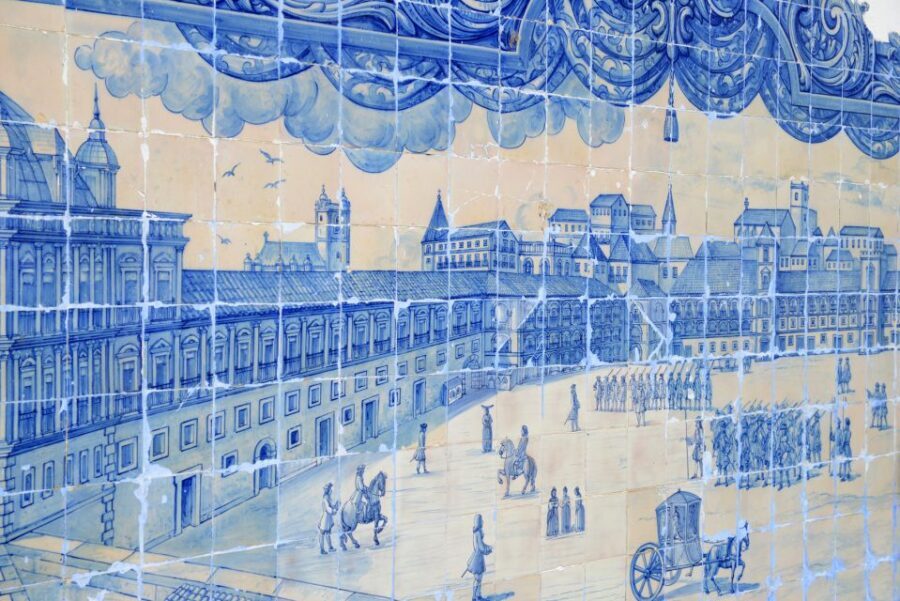
- Hands-on painting in Azeitão after you learn the workshop basics
- Your tile gets baked later and can be sent to your hotel or home (shipping extra)
- Hotel pickup and drop-off means less stress, especially for an 8-hour day
- Madre de Deus Convent + Azulejo Museum mixes church art with tile art
- Tile spotting on the Lisbon drive helps you understand what you’re seeing
Azulejos: More Than Decor on Lisbon Walls
Azulejos are easy to notice and hard to forget. In Lisbon, they’re everywhere: church façades, stations, narrow alley corners, and big palace-like buildings. On this tour, you don’t just look at them. You learn how they’re made, then you train your eye to read the design choices—colors, patterns, scenes, and the overall “story” effect tiles create when they cover a wall.
What I like about this experience is that it treats azulejo as craft, not just a photo-op. You’ll begin with the making process in Azeitão, then you’ll move into the museum world where you can place those techniques into time periods and styles. That link between workshop and museum is what turns the day from sightseeing into understanding.
You can also read our reviews of more tours and experiences in Lisbon



Morning Drive to Azeitão and the Tile Workshop
The tour starts with pickup at your hotel or apartment, so you avoid the “how do we get there” problem that often ruins half a day. You’ll head south of Lisbon to the Azeitão region, where the tile workshop tradition remains active.
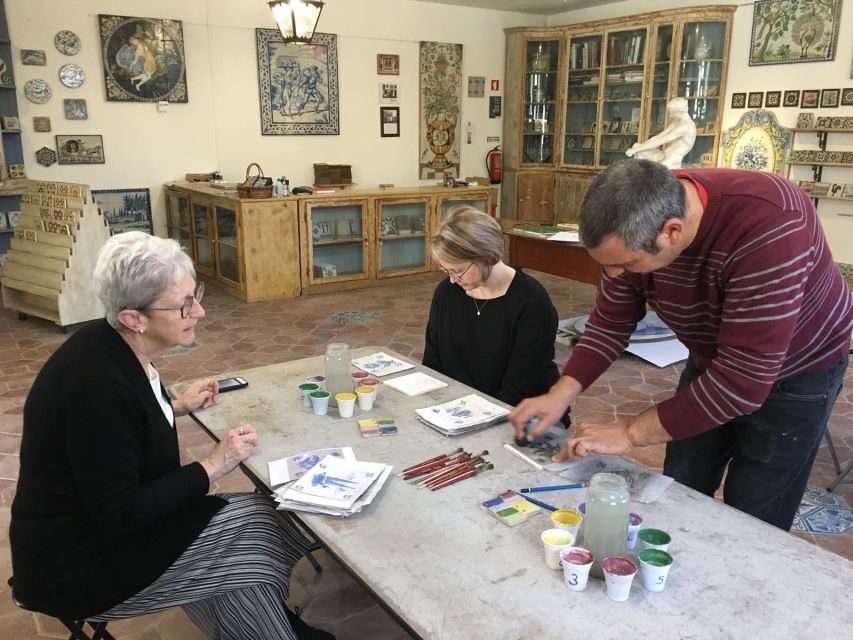
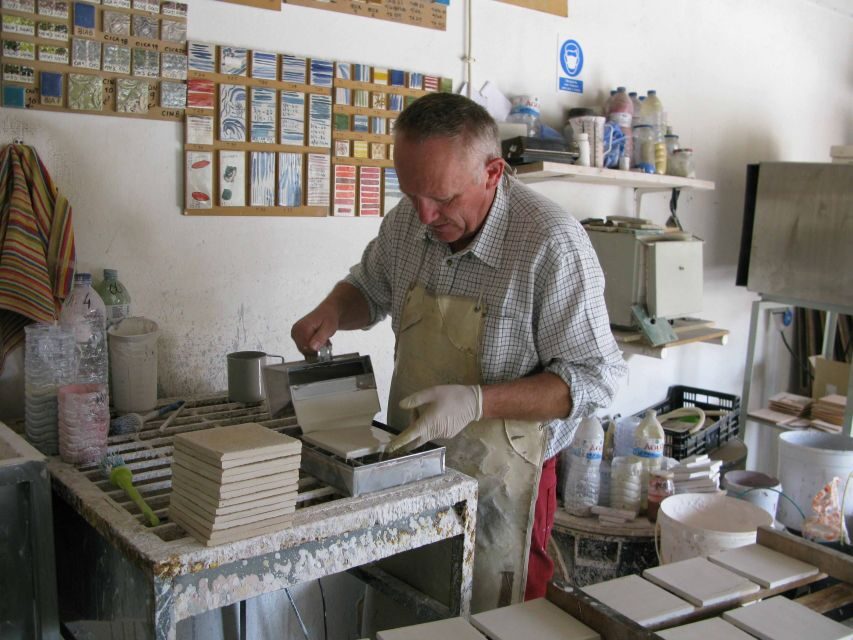
At the Azulejos de Azeitão workshop, the focus is on learning how tiles are made using older methods. You get a guided walk-through of the process, and the workshop setting is a huge part of why this tour works. When you watch hands and tools at work, the finished results around Lisbon suddenly make more sense. It’s not magic. It’s steps.
A practical tip: pay attention to the stages you’re shown. Even if you’re not a pottery person, you’ll see how the process affects the final look. The color story, the texture feel, and the durability all come from those early steps, not from luck.
Painting Your Own Tile: The Best Part, With One Big Catch
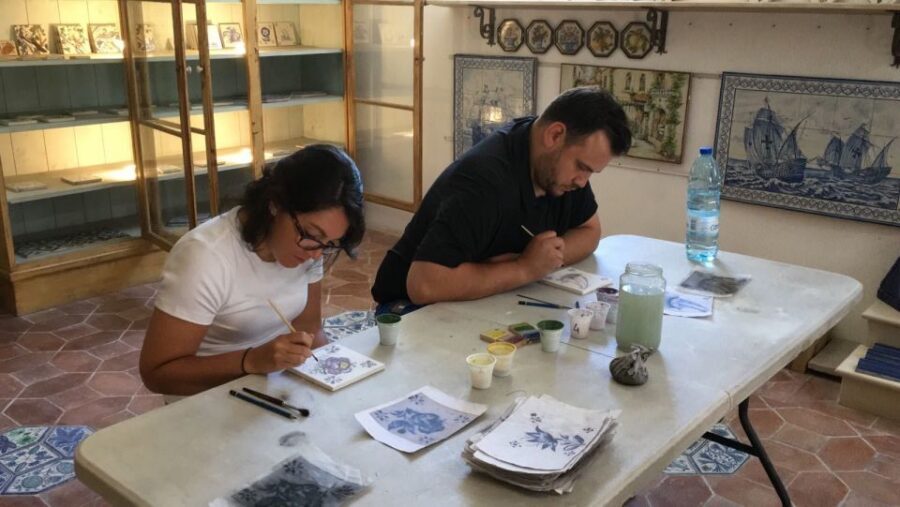
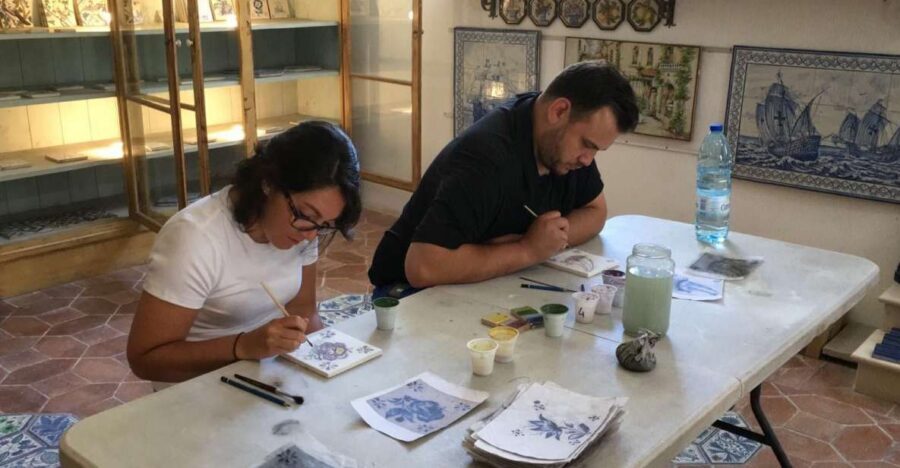
The highlight for many people is the part where you actually make something. After learning the basics of the art, you’ll paint your own tile. This is a real workshop moment, not just a quick craft stop.
What’s especially valuable here is how the guide frames what you’re doing. You’re not only painting shapes; you’re learning how a tile composition fits into the larger azulejo tradition. That helps your tile feel connected to Portugal, instead of like a generic souvenir.
Then comes the big “catch,” and it’s an important one: your tile is baked later. You won’t leave with a fresh, fragile piece in your hand. Instead, the finished tile is set to be delivered to your hotel in Lisbon, or shipped to your home if you prefer. Shipping cost isn’t included, so if you’re thinking of having it sent home, budget for that extra step.
Choosing Lunch in Sesimbra (or Eating Like a Local Back in Lisbon)
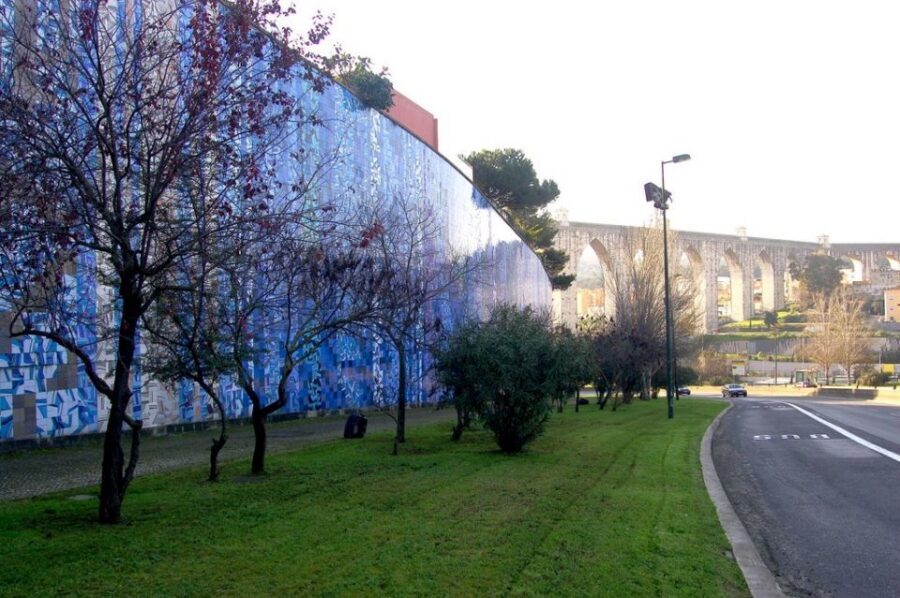
After a busy morning, you get to pick your lunch option with your guide. One suggestion is the fishing village of Sesimbra, which is a short drive away.
This is a nice setup because it prevents the tour from eating your entire day with one default restaurant choice. If you want a change of pace from city streets, Sesimbra makes sense. If you prefer to keep things simple, you can follow your guide’s plan and find something that fits your appetite and timing.
Two practical notes:
- Lunch isn’t included in the price.
- Your lunch choice can affect your energy level for the museum and church portion later. Keep it relaxed so the afternoon feels like a reward, not homework.
Tile Spotting on the Way Back Into Lisbon
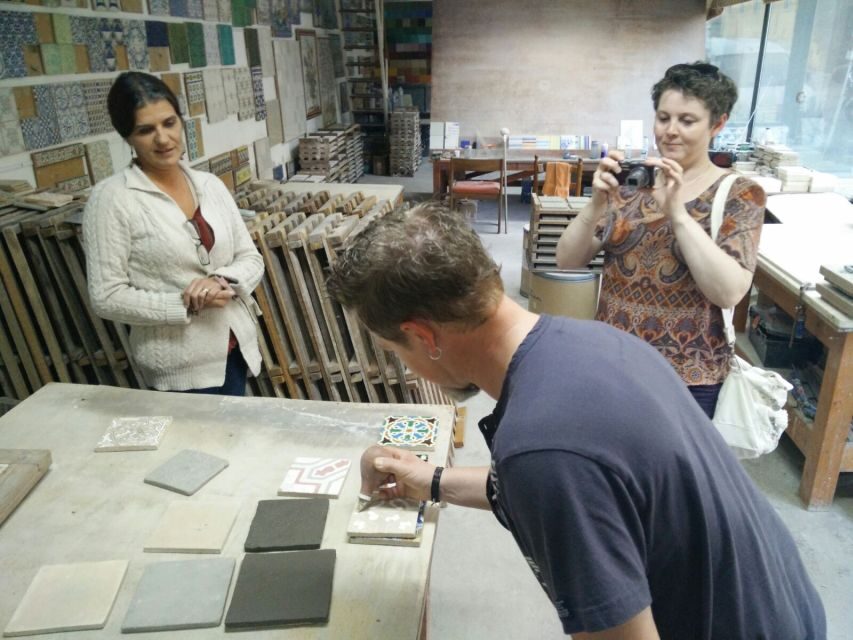
Between the workshop and the afternoon stop, you’ll return toward Lisbon and, along the way, admire impressive tile artwork around the city. This part matters more than it might sound.
When you notice tiles from a bus window or along main roads, you often just see patterns. But after the workshop, you’ll start spotting details: repeated motifs, how scenes are framed, and how tile composition works with architecture. It’s the difference between seeing a wall and reading a page.
Also, this drive gives you a mental map. By the time you reach the convent and museum, you’re already thinking in Portuguese tile terms—composition, materials, and stylistic influences—so you don’t feel lost in a new building.
You can also read our reviews of more tours and experiences in Lisbon






Madre de Deus Convent: Where Tile Art Meets Church Art
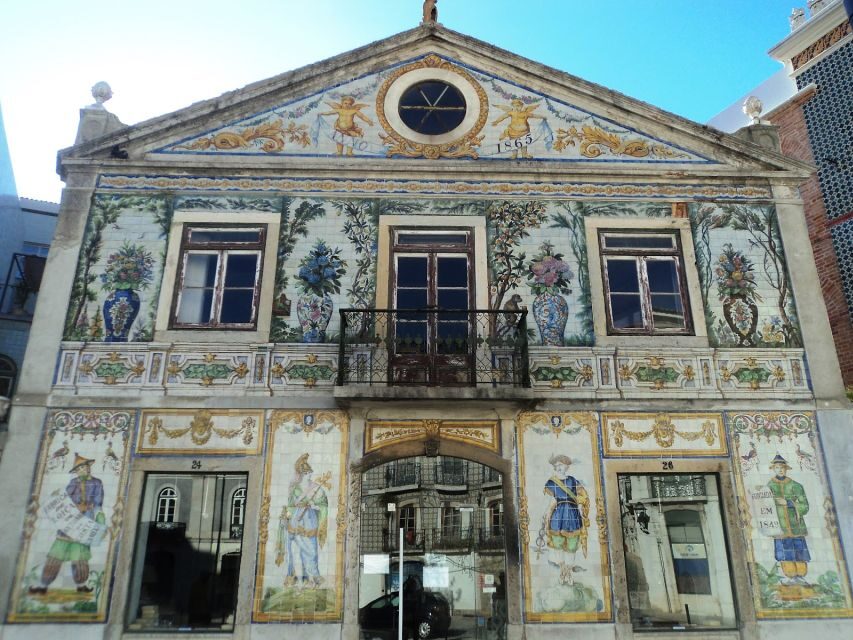
In the afternoon, you’ll visit the Madre de Deus Convent, which dates from the 15th century. This stop is more than a museum building. The church interior is described as a Baroque masterpiece where all elements were designed as a complete work of art.
That matters because it changes how you experience the azulejo collection. In many Lisbon churches, tiles don’t behave like isolated decoration. They work like part of a larger visual system—architecture, light, religious storytelling, and the feeling of being inside a designed whole.
If you care about art history but get bored by lecture-heavy tours, this is a good balance. You’ll see the building, then connect what you’re seeing to the tiles you’ll study in the museum.
The Azulejo Museum: Key Schools and Big Time Periods
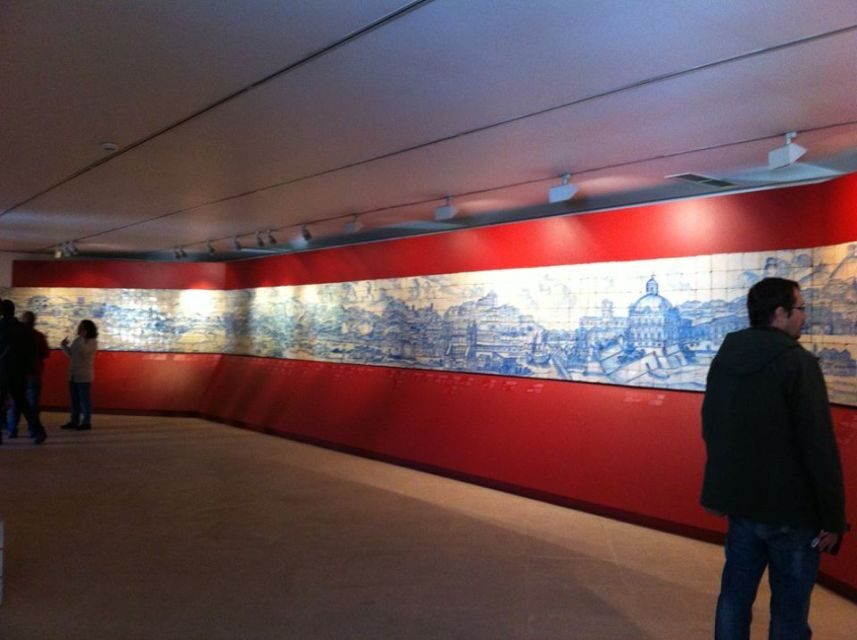
The Azulejo Museum at Madre de Deus is the museum anchor of the day. The collection spans from the 15th century to contemporary artists, so you’re not stuck in one era.
Here’s what I’d focus on while you’re there:
- Start broad: notice how designs change across time.
- Then get specific: look for stylistic influences and how international schools show up in Portuguese tile art.
- Finally, zoom out again: how do those changes add up to a national visual language?
One of the standout points is that the museum includes major international schools, including Spanish and Dutch influences. That’s a useful reminder that Portuguese azulejos didn’t develop in a vacuum. Art travels, artists interact, and techniques move across borders.
You’ll also see tile art spanning different approaches, from older styles to more modern interpretations. That range helps you understand azulejos as an evolving art form rather than a single “classic” look.
Portuguese Masters You’ll Want to Seek Out
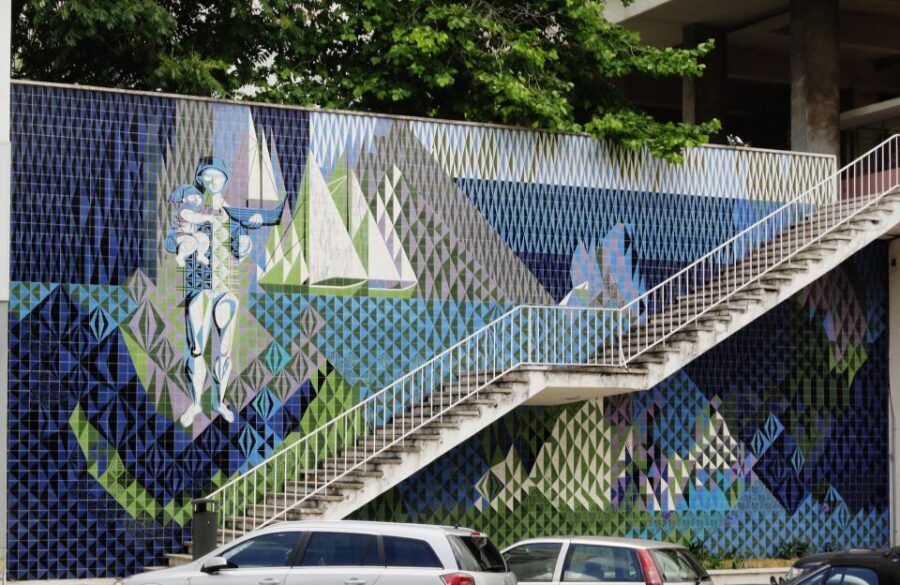
As the tour ends, you’ll see iconic works by Portuguese masters such as Bordalo Pinheiro, Raúl Lino, and Maria Keil, among others.
This is a great final act because it gives you names to attach to what you’ve been observing. When you can connect a visual style to a creator, it becomes easier to recognize similar work after the tour—whether you’re walking past a tiled façade later or browsing other Lisbon collections.
If you like art that feels distinctly Portuguese rather than purely decorative, this closing sequence is where that comes through. It turns the museum visit into something you can remember and re-find.
Price and Value: What $117 Actually Buys You
At $117 per person for about 8 hours, you’re paying for a full structured day with real access and real making time. What you get isn’t just entry fees and a long walk. You get:
- Hotel pickup and drop-off
- The tile workshop experience in Azeitão
- Azulejo Museum entrance
- A live English-language guide
- Time to paint your own tile
When you compare that to doing it all on your own, the value is in the included logistics and the guided pacing. The pickup saves time. The workshop instruction saves trial-and-error. And the guide helps you understand what you’re seeing instead of just collecting images.
Two costs to keep in mind:
- Lunch isn’t included
- If you ship your finished tile home, shipping isn’t included
So yes, there are extra decisions. But the core experience is well packaged for a day that would be hard to duplicate smoothly without local help.
Time, Groups, and How the Day Feels
This is a full-day outing that runs about 8 hours, so you’ll want to treat it like a planned day out, not a quick side trip. The tour format is designed for private or small groups, which usually helps you get more attention in the workshop and ask questions during the museum portion.
You’ll also skip the ticket line, which keeps the museum visit from eating into your time. And the guide is live and in English, which matters when you’re trying to learn techniques and art terms without guessing.
One more practical detail: there are extra hygiene precautions, including disinfected vehicles, hand sanitizer, and masks available and mandatory inside vehicles. Bring your patience and cooperate with the safety rules, but don’t worry—you’re still getting a normal sightseeing day.
Who This Tour Is Best For
This tour is a strong match if you:
- Love craft and want to see the making process, not just the finished tiles
- Like art history but prefer learning through observation and hands-on time
- Want a souvenir that’s connected to the real tradition of Portugal
It’s also a good pick if you’re the kind of person who notices details and wants them explained, especially in a place like Lisbon where tiles are part of everyday architecture.
If you hate museums or you’re only looking for postcard views, you might find the museum portion a bit heavy. But the workshop painting usually balances that out.
Should You Book This Lisbon Tile Workshop Tour?
I’d book it if you want your Lisbon experience to go beyond looking. The pairing of an Azeitão workshop, painting your own tile, and a serious museum visit at Madre de Deus makes the day feel connected. You’ll leave with a better understanding of why azulejos look the way they do—and a tile you helped create.
Skip it only if you know you won’t enjoy a craft workshop or if you’re trying to keep the day totally low-commitment. With lunch not included and shipping potentially extra, it works best when you’re happy to plan your time and make a few small decisions.
FAQ
How long is the Lisbon Tiles and Tales tour?
The tour lasts about 8 hours.
What does the tour cost?
The price is listed at $117 per person.
What’s included in the price?
Pickup and drop-off at your hotel or apartment, the tile workshop, and entrance to the Azulejo Museum are included.
Is lunch included?
No. Lunch is not included.
Can I take my painted tile home?
You can have your finished tile sent to your hotel in Lisbon, or you can have it shipped home if you prefer.
Is shipping included for sending the tile home?
No. Shipping cost is not included.
Is the guide available in English?
Yes. The tour includes a live English-speaking guide.
Is hotel pickup provided?
Yes. Pickup and drop-off at your hotel or apartment are included.
FAQ (Continued)
Do I need to buy museum tickets in advance?
No. The tour includes museum entrance and also notes skipping the ticket line.