REVIEW · LISBON
Lisbon: Tagus Estuary Nature Reserve Birdwatching Boat Tour
Book on GetYourGuide →Operated by River Friends · Bookable on GetYourGuide
Birds live 10 minutes from Lisbon. This 3-hour Tagus Estuary Nature Reserve boat tour trades city noise for tidal mudflats, marshy channels, and a serious birding mission, led by Captain Carlos Cera. The setting feels surprisingly close to Lisbon’s modern waterfront—yet once you’re out on the water, it turns into its own little world.
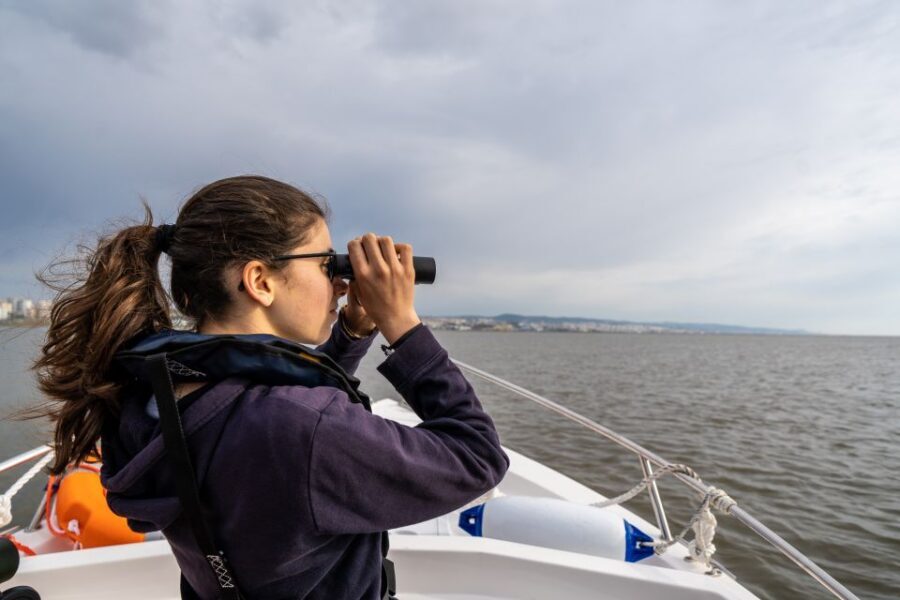
I especially like two things. First, you get binoculars and a guide who helps you identify what you’re seeing, not just point at shapes. Second, the pace builds in photo stops while still leaving enough time for wildlife viewing in the best stretch of the estuary. You also get life vests, insurance, and fees handled, so you can focus on spotting birds rather than logistics.
The main drawback is simple: birdwatching here depends on weather and sea conditions, and the guide can’t control what’s on the wing that day. In foggy or rough conditions, tours may be rescheduled or even canceled last-minute.
In This Review
- Key things to know before you go
- Why the Tagus Estuary is a birdwatching shortcut from Lisbon
- Getting started at Onda Luso-Americana (and what you’ll likely feel right away)
- Marina Parque das Nações to the Parque das Nações photo stop: the city-to-nature switch
- Bairro dos Pescadores 21: a quick stop where you start seeing the estuary “work”
- The Tagus Estuary Nature Reserve segment: where the 2.5 hours matter
- Flamingos, waders, herons, and raptors: what your bird list could look like
- Mouchao da Povoa and the Vasco da Gama Bridge: scenic passes with real birding value
- Small group comfort, photos, and why 3 hours hits the sweet spot
- Price and value: why $58 can be a solid deal for a wildlife-focused morning
- What to bring for the Tagus: comfort gear that actually helps
- Weather reality check: sea conditions can shape your day
- Who should book this (and who might feel it’s not for them)
- Should you book this Lisbon birdwatching boat tour?
- FAQ
- How long is the Lisbon Tagus Estuary birdwatching boat tour?
- What group size is this tour?
- What birdwatching tools are included?
- What’s included in the ticket price?
- Do I need to bring food or drinks?
- Where do I meet the tour?
- What should I bring with me?
- What happens if the tour is canceled due to weather?
Key things to know before you go
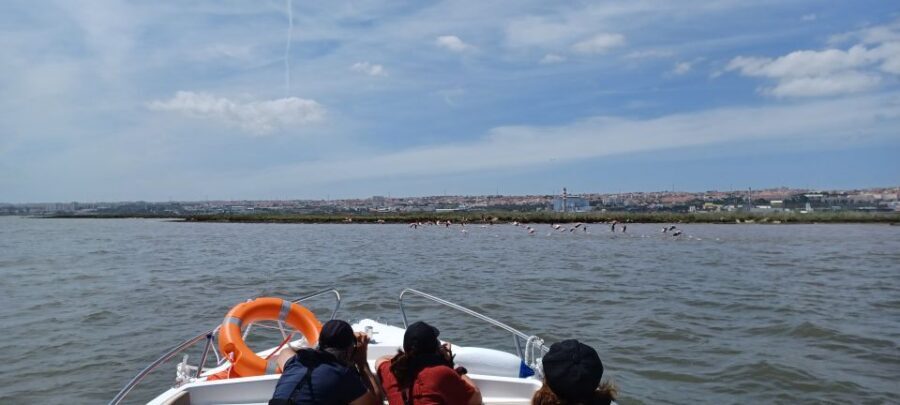
- 14,000 hectares of protected reserve just a short boat ride from Lisbon’s urban edge
- Binoculars included so you can actually read bird behavior, not just distance
- Captain Carlos Cera runs the spotting game with careful, respectful viewing
- Timing with tides matters, especially for mudflats where waders feed
- Small group of up to 10 people keeps the experience calm and photo-friendly
- Big winter totals and flamingo counts highlight how much life concentrates here
Why the Tagus Estuary is a birdwatching shortcut from Lisbon
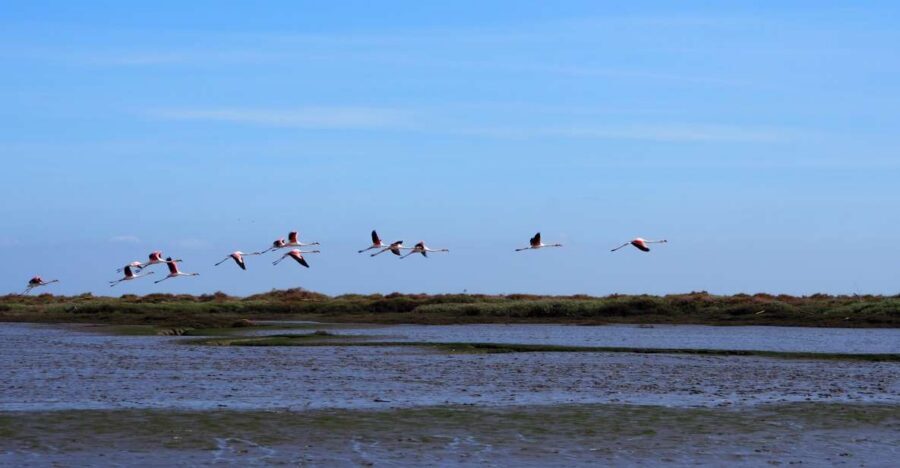
The Tagus Estuary is huge—about 32 km²—and it’s the largest estuary in western Europe. What makes this tour work so well is that you’re not driving hours into remote countryside. You’re starting in Lisbon’s orbit, then sliding into a nature reserve that covers 14,000 hectares.
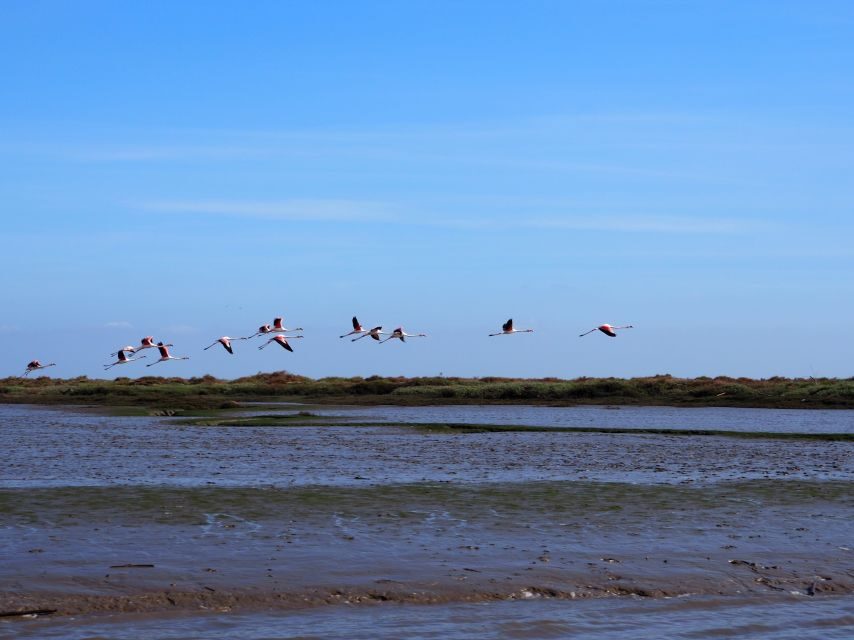
The bird numbers are what grab people first: around 200 different species have been identified in the reserve, and wintering counts can reach roughly 120,000 birds. In 2024, observers counted about 12,000 flamingos in the estuary. That’s not a guarantee of a flamingo parade on your exact hour, but it explains why this place keeps showing up on serious birding lists.
And there’s a real emotional payoff: once you’re out on the water, you stop thinking about “Lisbon sightseeing” and start thinking about habitat—mudflats, shallow water, islands, and hunting grounds. If you like watching wildlife work at its own pace, this tour is built for that.
You can also read our reviews of more boat tours in Lisbon
Getting started at Onda Luso-Americana (and what you’ll likely feel right away)
You’ll meet next to the work of art at Onda Luso-Americana. It’s an easy starting point for a Lisbon trip because you’re not fighting complicated transfers or hidden meeting doors. From the start, the tour sets expectations for an outdoor, eyes-on-nature kind of day.
Before you move too far, there’s a 15-minute safety briefing at the Marina Parque das Nações. You’ll also be in the right frame of mind: this isn’t a casual sightseeing cruise with a narrator reading off landmarks. It’s a “scan, pause, identify, watch behavior” outing.
A practical bonus: the tour includes life vests, insurance, and binoculars. So if you arrive without your own gear, you’re not stuck guessing what you’re looking at. If you do bring binoculars, you’ll have options, and that can help if your eyes prefer different lenses or magnification.
Marina Parque das Nações to the Parque das Nações photo stop: the city-to-nature switch
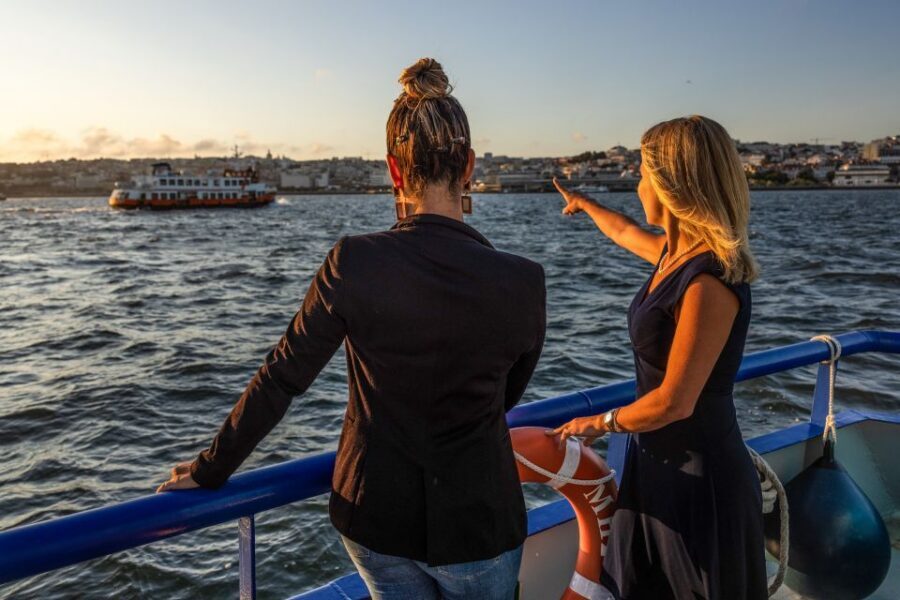
Your morning begins by moving from the Marina Parque das Nações area into the water routes that lead you toward the reserve. Right after the safety check, there’s a 30-minute stretch around Parque das Nações with a photo stop plus a guided overview and sightseeing from the boat.
This portion matters more than it sounds. It’s when you get oriented—how the coastline looks from the water, where the best bird-viewing zones tend to be, and what kinds of habitats you’ll pass on the way. It also helps you “read” the estuary instead of just hoping for birds to appear out of nowhere.
The upside: you’re still close enough to Lisbon that you can enjoy views of the modern waterfront and bridges while you gear up for the wildlife segment. The downside: if you’re arriving during choppy weather, you might feel the motion more while you’re still getting your bearings. The tour is designed for comfort, but sea conditions are the main variable on a boat.
Bairro dos Pescadores 21: a quick stop where you start seeing the estuary “work”
Next is Bairro dos Pescadores 21, where you’ll have another photo stop and guided cruising. This is a smaller moment in the overall plan, but it’s valuable because it keeps you close to shoreline edges where birds feed and rest.
In places like this, birdlife isn’t random. You’ll often see activity clustered along shallow margins, calm pockets, and sheltered channels. A short stop like this helps the guide point out what to watch for—flocking patterns, where waders might concentrate, and which areas are worth slowing down for.
The practical drawback: because it’s a photo stop, you won’t be lingering for long here. If you were hoping for a “two-hour photo workshop” at one exact spot, this isn’t that tour. It’s more like a guided route that builds toward longer time in the reserve.
The Tagus Estuary Nature Reserve segment: where the 2.5 hours matter
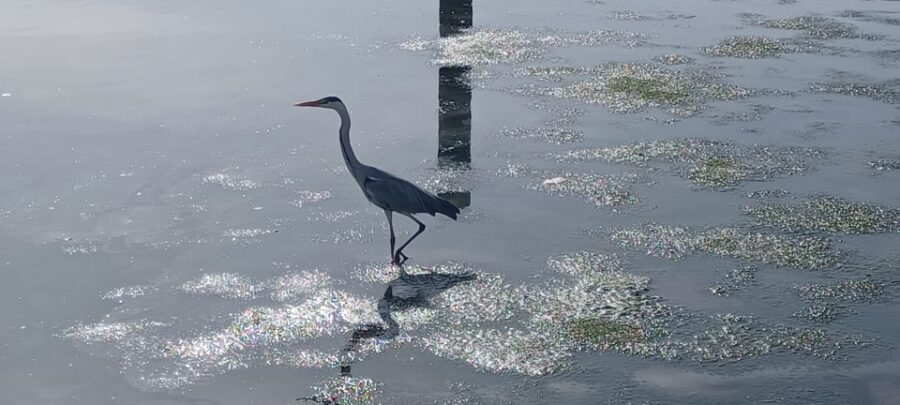
The heart of the tour is the Tagus Estuary Nature Reserve, with about 2.5 hours focused on photo stops, sightseeing, marine life viewing, scenic passes, and wildlife viewing.
This is where the reserve’s scale shows up. You’re surrounded by a mix of mudflats and shallow water that can turn into bird-feeding zones depending on tide and conditions. One of the strongest themes in this kind of outing is timing—especially for species that use exposed flats or hunt along edges.
Captain Carlos Cera’s guiding style is built for that reality. People come expecting birds, but the real value is how the guide finds them and explains what they’re doing. The tour is set up for respectful viewing distance, so you can watch without stressing wildlife. On the water, you also get a better angle for flight patterns and feeding behavior than you’d get from shore.
What you might see here (species vary by season and conditions, but the pattern is consistent): waders and herons in shallow areas, spoonbill-like silhouettes scanning water, and raptors working the edges. If you’re lucky, you’ll also get headline sightings like flamingos or bigger birds of prey moving through.



Flamingos, waders, herons, and raptors: what your bird list could look like
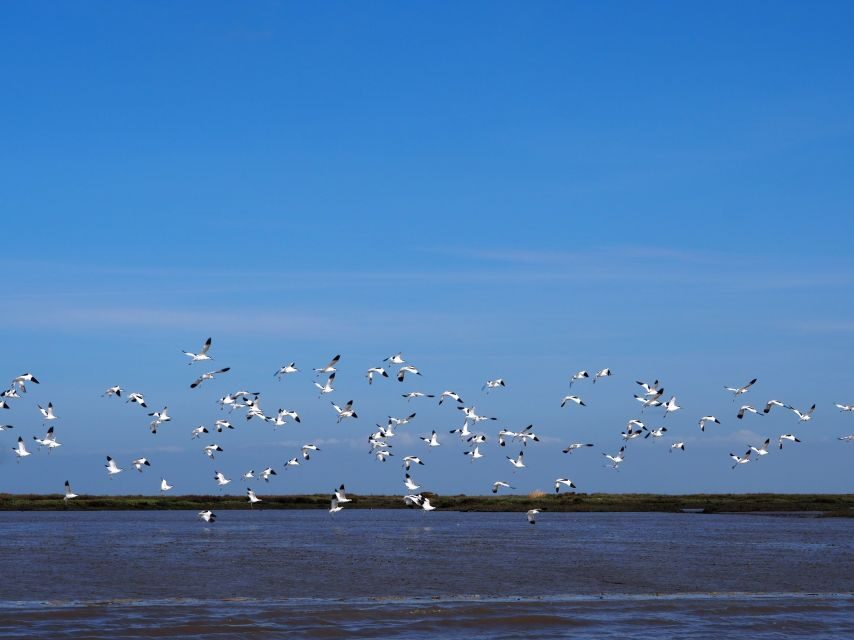
Bird species in the Tagus estuary can be seasonal, but the tour’s reputation is tied to variety. Based on what’s been seen on past departures, you can reasonably expect a mix of groups rather than just one type of bird.
Common categories that show up in sightings here include:
- Flamingos (including large counts noted for 2024 in the wider estuary)
- Waders and shorebirds using the flats
- Egrets and heron-like birds that hunt in shallow water
- Spoonbills sweeping and pausing as they feed
- Birds of prey using islands and open channels for hunting and flight
You might even catch a larger “migration moment.” Some departures have included striking flights of black ibis, plus ospreys and marsh harriers. The big takeaway for your expectations: birding success is partly luck, but it’s also about being in the right habitat at the right time—and the guide actively works that equation.
Mouchao da Povoa and the Vasco da Gama Bridge: scenic passes with real birding value
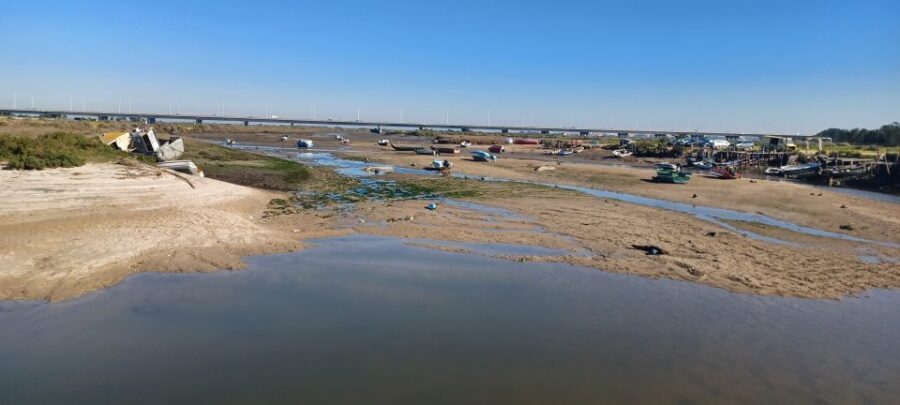
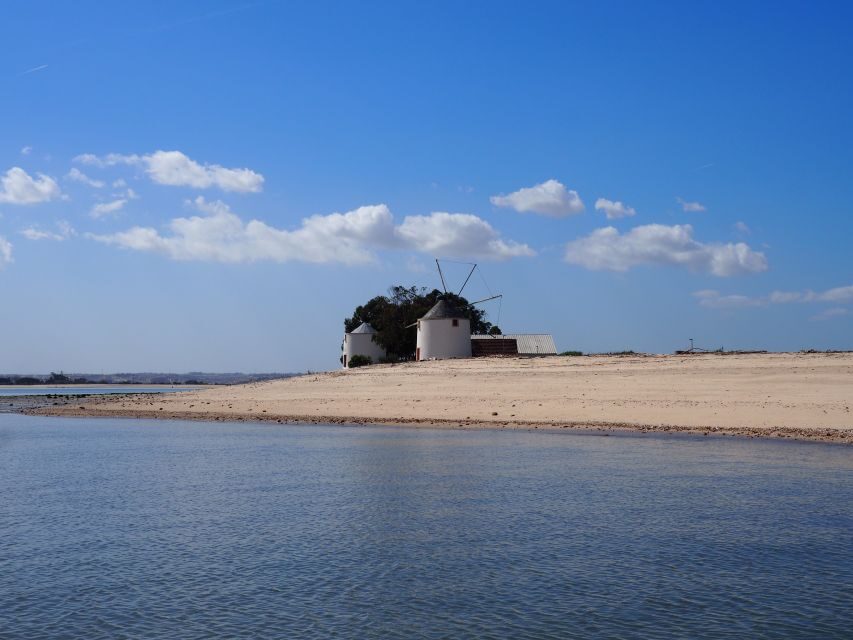
After the main reserve time, the boat continues with a photo stop at Mouchao da Povoa, then passes the Vasco da Gama Bridge before returning to the meeting point.
These segments are more “pass-by with attention” than “destination with long stops.” That’s not a downgrade—it’s smart pacing. You’re finishing the loop while staying alert for marine life viewing and wildlife viewing opportunities. The guide can also use these passes to scan for birds triggered by changing water conditions or shifts in habitat.
The bridge viewing part adds a useful contrast. You’ll go from watching wildlife in the quietest-feeling estuary pockets back to a major Lisbon landmark. It helps you feel how close all this wildlife action is to the city.
Small group comfort, photos, and why 3 hours hits the sweet spot
The tour is limited to 10 participants, and that matters more than it sounds. Fewer people means less noise, less crowding for spotting, and fewer “everyone turn at once” photo moments. It also makes it easier for the guide to tailor attention if someone wants more focus on identification or behavior.
It’s also only 3 hours, which is a good match for birding. Wildlife viewing isn’t a museum where you can “get through it.” It’s about waiting, scanning, and watching. A shorter duration keeps you sharp and prevents fatigue, especially if you’ve already been walking the city.
For photography, calm water makes a big difference. Some departures have been smooth enough for clear pictures, while rougher conditions can reduce sharpness or make tracking flight harder. Still, the pace is designed to prioritize sightings over racing past scenery.
Price and value: why $58 can be a solid deal for a wildlife-focused morning
At $58 per person for a 3-hour outing, this is priced like an experience that costs money to run responsibly. You’re paying for the boat time, guide-led navigation, and the “wildlife-friendly” work of finding birds without pushing close.
What’s included helps the value math:
- Fees and fuel
- Insurance
- Life vest
- Binoculars
- Guided tour in multiple languages (Portuguese, English, Spanish listed, with French also mentioned)
What’s not included is equally important: food and drinks aren’t part of the ticket. The good news is you’re welcome to bring a picnic. For a 3-hour tour, a packed snack and water can be all you need, and you’ll stay in control of what you eat and when.
If you’re trying to choose between “another Lisbon cruise” and this wildlife-focused one, the difference is the birding emphasis. You’re not just viewing the river—you’re being guided through a reserve where birds concentrate in meaningful numbers.
What to bring for the Tagus: comfort gear that actually helps
Birdwatching from a boat is physical in a simple way: you’re standing or leaning, scanning for long seconds, and reacting quickly when something flies. Bring items that keep you comfortable and able to focus.
Plan on:
- Comfortable shoes
- Sunglasses (glare off water can be intense)
- A camera
- Weather-appropriate clothing and a jacket (estuary breeze is real)
- Biodegradable sunscreen
- Passport or ID card
- Binoculars if you have them (though they’re included)
You’ll also be happier if you pack in layers. You don’t want your trip to be a guessing game between sun and wind, especially when the guide is steering you toward the best viewing spots.
Weather reality check: sea conditions can shape your day
All boat tours here depend on weather and sea conditions. Foggy mornings can cause last-minute cancellation, and rescheduling is the usual plan if conditions change before departure. If the tour can’t be rescheduled, you’ll receive a full refund.
This matters because your experience is tied to both safety and visibility. If visibility is low or the water is rough, bird activity might still be there—but spotting and photography get harder. If you’re the kind of person who can roll with changing plans, you’ll enjoy the tour more.
Who should book this (and who might feel it’s not for them)
This is the right tour for you if:
- You’re into birdwatching, even at a beginner level
- You like wildlife viewing that’s close to a big city but still feels wild
- You want a smaller group with time to pause and watch
- You care more about animals and habitat than seeing famous buildings from a boat
You might think twice if:
- You strongly dislike being outdoors in changing weather
- You expect guaranteed species like a checklist item
- You want a food-and-drink-centered experience (this tour is about the estuary first)
Should you book this Lisbon birdwatching boat tour?
I think you should book it if you want the best kind of Lisbon contrast: modern city views on approach, then a serious nature reserve experience where birds are the main event. The combination of a small group, included binoculars, and a captain who actively helps with bird identification makes it feel purposeful.
If you go, I’d plan your day around the fact that bird sightings depend on conditions and tide. Bring the right clothing, be patient with scanning, and let the guide steer you toward what’s happening. For many people, it’s the kind of outing that turns into a highlight because it feels both local and genuinely different from the usual city routine.
FAQ
How long is the Lisbon Tagus Estuary birdwatching boat tour?
The tour lasts 3 hours.
What group size is this tour?
It’s a small group limited to 10 participants.
What birdwatching tools are included?
Binoculars are included.
What’s included in the ticket price?
Fees and fuel, insurance, life vest, binoculars, and the guided tour (in Portuguese, English, and Spanish; French is also mentioned as available).
Do I need to bring food or drinks?
Food and drinks are not included. You’re welcome to bring a picnic if you prefer.
Where do I meet the tour?
The meeting point is next to the work of art at Onda Luso-Americana.
What should I bring with me?
Bring your passport or ID card, comfortable shoes, sunglasses, a camera, biodegradable sunscreen, and weather-appropriate clothing. A jacket is recommended, and binoculars are helpful even though they’re included.
What happens if the tour is canceled due to weather?
Boat tours depend on weather and sea conditions. If the tour is expected to be canceled, you’ll be contacted within 24 hours prior to try to reschedule. If it can’t be rescheduled, you’ll receive a 100% refund.