REVIEW · LISBON
Lisbon: Pastel de Natal Pastry Class
Book on GetYourGuide →Operated by The Chefs Company · Bookable on GetYourGuide
There’s nothing like learning dessert by doing. This Lisbon class is built around making Pastel de Nata from scratch, with hands-on guidance through flaky pastry and creamy custard steps, plus the payoff of a freshly baked tasting. It’s also the kind of activity that feels fun even when you’re not a baker.
Two things I especially like: you don’t just watch—you work the pastry and practice the custard process—and you finish with tastings paired with traditional Portuguese coffee or tea. One consideration: this class is not recommended for vegans and people with food allergies, so check your needs before you book.
In This Review
- Key points at a glance
- Why a Pastel de Nata Class Beats the Usual Food Tour
- Getting Oriented at Cooks Store and Picking Your Menu
- The 2-Hour Hands-On Workflow: Pastry Dough to Custard Filling
- Making the flaky pastry
- Getting the creamy custard right
- Learning the method, not just the outcome
- Baking Results: Fresh Tasting With Traditional Coffee or Tea
- Cultural Notes That Make the Dessert Feel Bigger
- Value in Lisbon: Is $56 a Good Deal for 2 Hours?
- Who This Pastel de Nata Class Is Best For (and Who Should Skip)
- Should You Book This Pastel de Nata Class in Lisbon?
- FAQ
- How long is the Lisbon Pastel de Nata Pastry Class?
- What’s included in the class?
- Do I get to choose what I cook?
- What languages are offered?
- Is this class suitable for vegans or people with food allergies?
- Where do I meet, and does the class end nearby?
Key points at a glance
- Cooks Store meeting point: clear start, easy to find once you’re in the area
- Hands-on pastry + custard: you learn the real workflow, not just the final result
- Menu choice by email: after booking, you’ll get 3 options to pick what you want to cook
- Chef-led cultural context: you’ll hear why Pastel de Nata matters in Portuguese cuisine
- Fresh tasting with coffee or tea: a built-in finish that makes the class feel complete
Why a Pastel de Nata Class Beats the Usual Food Tour
If you like Portuguese food, Pastel de Nata is the obvious name to know. But here’s why this class is different from the usual walking-and-snacking format: you’re not just eating a local favorite, you’re learning the method behind it.
Pastel de Nata is all about technique. The pastry needs to be flaky and layered, and the custard needs to be smooth and set just right. In this class, you’ll work through both sides of the tart: pastry preparation and the creamy filling. That matters for two reasons. First, you’ll understand what makes a good egg tart taste the way it does. Second, you’ll be able to recreate the basics later at home, rather than hoping it turns out the same if you follow a vague recipe.
Another reason this experience feels like Lisbon is the human factor. The class is chef-guided and interactive, so you get quick fixes and real-time help when something doesn’t behave. You also get cultural context about the pastry’s place in Portuguese cuisine, which helps the food feel more than just a dessert label.
You can also read our reviews of more tours and experiences in Lisbon


Getting Oriented at Cooks Store and Picking Your Menu
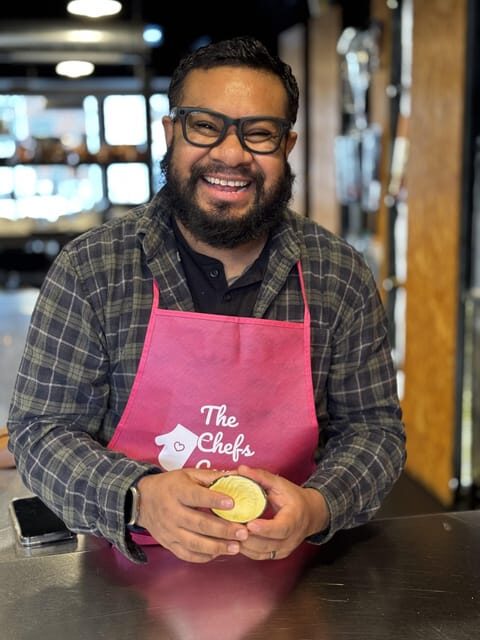
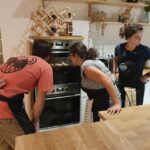
The activity starts and ends at the Cooks Store meeting point, so you’re not stuck with complicated transfers. Transportation to and from your accommodation isn’t included, so you’ll want to plan your own way there. In Lisbon, that often means a quick ride or a short walk depending on where you’re staying.
A practical detail that I like: after you book, you receive three different menus by email so you can choose what you want to cook. That gives you some control, especially if you’re traveling with people who have different tastes. It also says you can adjust and adapt based on preferences. In other words, the class isn’t a one-size-fits-all script.
When you arrive, you’ll be working with an instructor who speaks English and Portuguese. That’s a big deal for food classes, because small misunderstandings can turn into big messes. Clear communication helps you focus on the pastry and custard technique instead of translating every step.
The 2-Hour Hands-On Workflow: Pastry Dough to Custard Filling
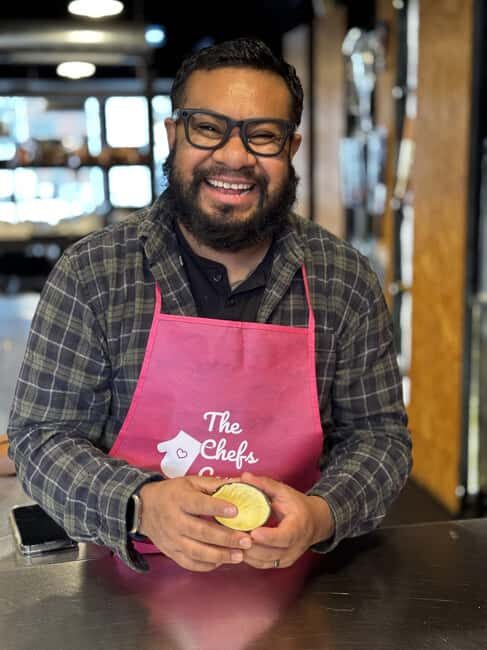
This is a 2-hour class, and the format is straightforward: chef instruction first, then hands-on work through each stage. The highlights you’ll feel right away are the pastry and custard parts, because those are the core skills of Pastel de Nata.
Making the flaky pastry
You’ll learn how to prepare the pastry so it bakes into delicate, layered flakiness. This is one of those skills that sounds simple until you’re the one handling the dough. The class is designed so you’re guided through what to do and how to know it’s on track. That beats trying to learn from videos while you’re hungry and distracted.
Getting the creamy custard right
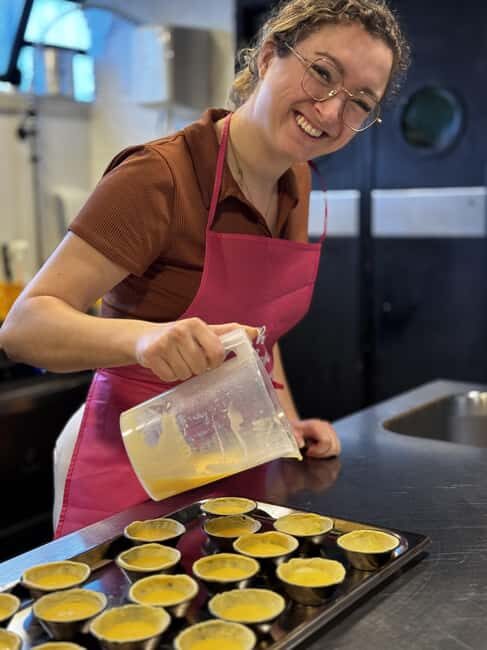
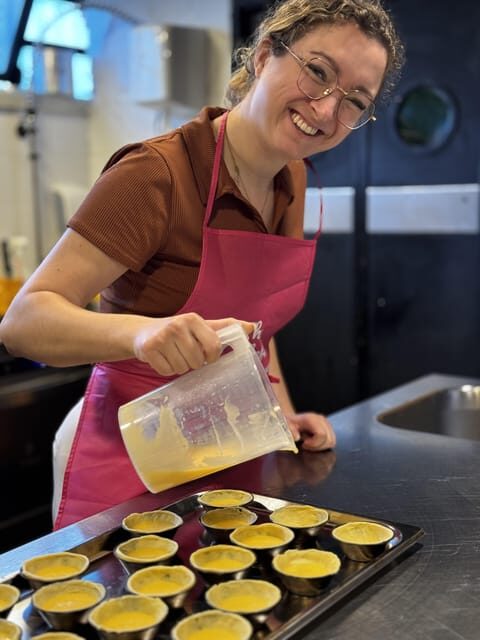
Then comes the custard filling, the other half of the egg tart equation. The class focuses on achieving a creamy texture—smooth and ready to bake—so you don’t end up with something rubbery or uneven. You’ll be working with an experienced chef who will guide you through the process step by step.






Learning the method, not just the outcome
One of the best hidden values in a hands-on class is pattern recognition. After you make the dough and mix the custard, you start to see what affects the final result: consistency, handling, and timing in the workflow. Even if you don’t memorize every step, you’ll leave with a clearer mental model than a standard recipe.
And yes, you’ll get to participate in every stage. This isn’t sit-and-watch entertainment. It’s a cooking class where your hands do the learning.
Baking Results: Fresh Tasting With Traditional Coffee or Tea
You’re not finishing with theory. A tasting session is part of the experience, and you’ll enjoy your freshly baked Pastel de Nata. There’s also a drink pairing: traditional Portuguese coffee or tea.
That pairing is more important than it sounds. Pastel de Nata has a sweet custard and a crisp, flaky pastry exterior. Coffee or tea gives you something to balance the sweetness and helps you evaluate the tart properly. It’s also a simple way to practice what you’ll do at home when you bake—serve it warm, then pair it like a local.
The class also includes tasting variations and tips on how to serve them. Even if you’re not a dessert expert, you’ll pick up practical serving ideas that make a difference at a table. Think: the difference between eating it warm and eating it lukewarm, and how to present it so it stays crisp enough to enjoy.
Cultural Notes That Make the Dessert Feel Bigger
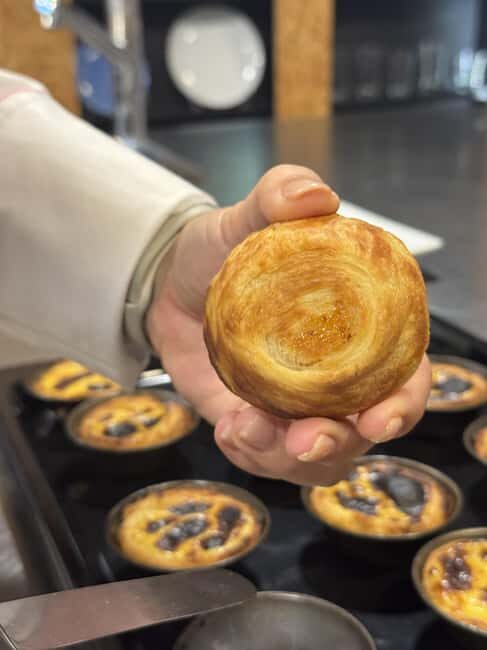
Pastel de Nata isn’t just popular because it tastes good. The class includes cultural insights on the pastry’s history and cultural significance in Portuguese cuisine. You’ll hear stories and interesting facts from the chefs as you cook, which is when these details actually stick.
Why does this matter? Because dessert can otherwise feel like a tourist item: quick, sweet, and forgotten. When you understand why it’s iconic, you’re more likely to remember what you learned and pay attention to technique rather than just sweetness.
Also, hearing the context while you’re working is different from a museum-style talk. It gives you a reason for the steps you’re doing and helps you feel like you’re participating in something real, not just following directions.
Value in Lisbon: Is $56 a Good Deal for 2 Hours?
At $56 per person for a 2-hour hands-on class, the value comes down to what’s included and what you actually take home.
Here’s what you get for the price:
- Chef instruction through pastry and custard stages
- A tasting of freshly baked Pastel de Nata
- Tips on serving, plus tasting variations
- Cultural context during the process
So, if you’ve been thinking about spending money on another bite-sized Lisbon food stop, this class is a stronger buy for one reason: you’re paying for a skill. Yes, you’ll eat dessert. But you’ll also learn how to recreate the method at home, which is usually more satisfying than adding one more snack to your list.
It’s also a good fit for travelers who want an activity that’s fun, structured, and not dependent on weather. If you’re on a tight schedule, two hours is long enough to learn something real and short enough to keep your evening flexible.
Who This Pastel de Nata Class Is Best For (and Who Should Skip)

This class is aimed at beginners and experienced cooks alike. It’s described as fun and accessible, and that matches the format: you get guidance, you get hands-on steps, and the chef is there to help you adjust as you go.
It’s especially good if:
- You want a true food experience with local flavors, not just a tasting walk
- You enjoy interactive activities and learning by doing
- You’re visiting Lisbon with a group looking for a memorable shared moment
The reviews also point to a lively, welcoming chef vibe. One highlight from the feedback: it can work well for celebratory groups, like a bachelorette party cooking class, where people want something social and playful rather than formal.
Still, there are clear limits. This experience is not suitable for:
- Children under 6 years
- People with mobility impairments, and it’s not set up for wheelchair users
- Vegans, and people with food allergies
- People with visual impairments
So if you have dietary restrictions or allergy concerns, don’t guess. This listing is explicitly not recommended for those situations. For accessibility, plan around the mobility and vision limits.
Should You Book This Pastel de Nata Class in Lisbon?
I’d book it if you want a hands-on Lisbon experience that’s practical, delicious, and skill-based. For the price, you get far more than a simple snack: you learn pastry and custard workflow, you taste your results with Portuguese coffee or tea, and you leave with serving tips you can actually use.
Skip it if vegan-friendly food or allergy-safe cooking is part of your travel needs. Also skip if mobility or vision issues could make the class difficult to navigate. In those cases, you’ll enjoy Lisbon more by choosing an activity that matches your needs.
If you’re a first-timer in Portugal and Pastel de Nata is on your must-do list, this is one of the smarter ways to do it: learn the technique, then eat the proof.
FAQ
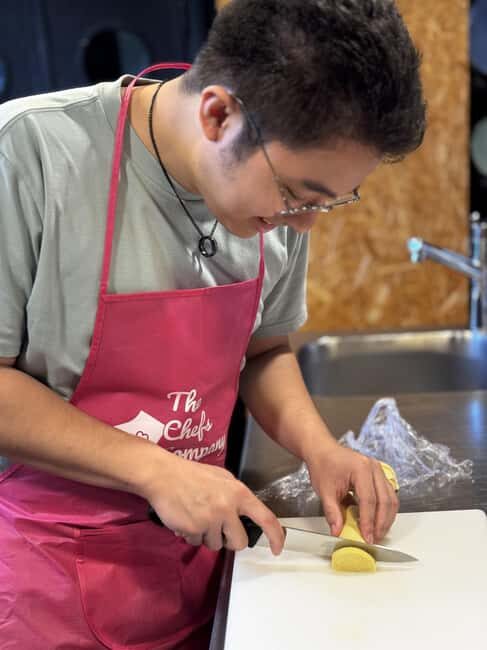
How long is the Lisbon Pastel de Nata Pastry Class?
The class runs for 2 hours. Starting times vary, so check availability when you book.
What’s included in the class?
You get the hands-on cooking experience, guidance from the instructor, and a tasting of the freshly baked Pasteis de Nata with Portuguese coffee or tea. You also receive cultural insights and tips on serving, plus tasting variations.
Do I get to choose what I cook?
Yes. After you book, you’ll receive three different menus by email to choose what you want to cook, and you can adjust based on preferences.
What languages are offered?
The instructor speaks English and Portuguese.
Is this class suitable for vegans or people with food allergies?
No. It’s not recommended for vegans and it’s also not suitable for people with food allergies.
Where do I meet, and does the class end nearby?
You start at Cooks Store and the activity ends back at the meeting point. Transportation to and from your accommodation is not included.