REVIEW · LISBON
Half-Day Unforgettable Historical Lisbon on Tuk-Tuk
Book on Viator →Operated by Everyday Is Sunday™ · Bookable on Viator
Lisbon is steep, so this ride helps. A half-day tuk-tuk history tour strings together viewpoints, churches, and Lisbon’s best-known stories without making you plan every connection. I especially like the live explanations from guides such as Domingos and Dominique, who manage to turn quick stops into clear, memorable scenes.
Two more things I like: the tour is built for short attention spans (3 to 4 hours, including travel), and it gives you real city context, from revolutionary sites to the Age of Discovery on the Tagus. One possible drawback: the timing is tight, so you’ll spend more time looking and less time lingering inside churches and monuments.
If you want a guided hit of major sights plus local color, this is a strong choice. It’s offered in English and several other languages, and many stops are free to enjoy on the spot.
In This Review
- Key things to know before you go
- Why a tuk-tuk history tour makes sense in Lisbon
- The 3–4 hour rhythm: how the timing actually feels
- Getting bearings fast: meeting point and pickup flow
- St. Anthony to Portas do Sol: Lisbon’s sacred beginnings and classic views
- Graça’s viewpoints: why Miradouro da Senhora do Monte is the big moment
- Panteão Nacional and the Feira da Ladra: power and everyday life in one route
- Chiado and Livraria Bertrand: a bookstore stop that feels like a time machine
- Largo do Carmo and the road from revolution to democracy
- Estrela: baroque faith and romantic park walking
- Jerónimos Monastery: Manueline details with a practical entry tip
- Belém Tower and the Tagus front: outside viewing that still hits
- Padrão dos Descobrimentos: the caravel-shaped monument
- Price and value: what $288.99 per person buys you
- Who this tour is best for (and who should look elsewhere)
- Should you book this Lisbon tuk-tuk historical tour?
- FAQ
- How long is the Half-Day Unforgettable Historical Lisbon on Tuk-Tuk tour?
- Where does the tour start and end?
- Is pickup available?
- What language is the tour offered in?
- Is this tour private?
- Do I need to buy entrance tickets?
- Are the UNESCO sites included?
- Can I visit inside Jerónimos during the tour?
- Is free cancellation available?
- Are service animals allowed?
Key things to know before you go
- Tuk-tuk convenience for Lisbon’s hills: viewpoints that buses/trams can’t easily reach are part of the plan.
- UNESCO landmarks in a short window: Jerónimos and Belém are included with exterior viewing where noted.
- Guide-led storytelling: guides like Domingos and Dominique bring the streets, eras, and details into focus.
- Photo-friendly viewpoints with time to breathe: multiple miradouros are scheduled with about 10–15 minutes each.
- Mostly free stop entries: several key sights are free to see, with a couple of optional paid entrances noted.
- Flexible, group-only pace: since it’s private, you can ask for small adjustments if your guide allows it.
Why a tuk-tuk history tour makes sense in Lisbon
Lisbon punishes people who rely only on maps and public transport. It’s not just “walk a lot.” It’s uphill, downhill, and full of streets that don’t behave like flat-city logic. A tuk-tuk plan fixes the biggest problem: you get the viewpoints and landmarks without spending half your day traveling between them.
What makes this tour especially useful is the structure. You’re not hopping randomly. The route groups the city by feel—old streets and famous churches first, then major miradouros for the big views, and finally the riverside UNESCO monuments. That order matters because it keeps you oriented. You start to understand where each neighborhood sits on the hills, then the Tagus landmarks click into place.
Also, you’re not left to figure out the story alone. The tour includes live explanations on board, and the guides are known for making explanations clear and question-friendly. In a city where one street can carry centuries, that kind of guidance saves you from guessing.
You can also read our reviews of more historical tours in Lisbon


The 3–4 hour rhythm: how the timing actually feels

Expect about 3 to 4 hours total, and yes, that includes travel time. Stops vary, but several miradouros are set around 10–15 minutes, which is enough for:
- a quick orientation
- photos
- a focused walk-in-circles around the viewpoint
This isn’t the kind of tour where you disappear for an hour inside a museum. It’s a “see it, understand it, move on” style. That’s good if your goal is to cover the essentials fast—especially if you’re also planning dinner, a tram ride, or a day trip.
If you’re the type who wants long interiors, plan to add separate time later. A short guided pass can’t replace a slow, ticketed visit when you want every detail.
Getting bearings fast: meeting point and pickup flow
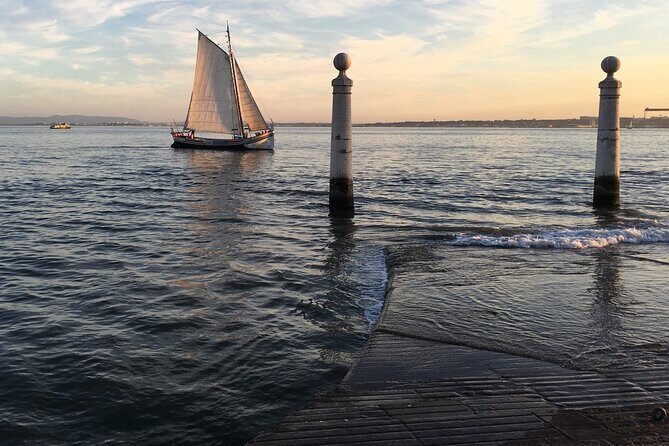
You start and finish at Praça da Figueira (1100-241 Lisboa), near the Dom João I statue. The exact meeting spot is listed as next to that statue, which is helpful because it anchors you in a central area.
Pickup is offered, and the guide will contact you before the tour. The tour also includes reception and drop-off at your hotel or apartment, which reduces the “how do we get there” stress that can eat up time in Lisbon.
One practical tip: be ready when your guide calls. With a private tour and a tight schedule, being late usually means fewer chances to enjoy each viewpoint stop fully.
St. Anthony to Portas do Sol: Lisbon’s sacred beginnings and classic views
The tour begins at the Church of St. Anthony, described as the place of birth of one of the most famous Catholic saints. Even if you’re not religious, this stop helps you understand how Lisbon framed faith and identity—who was born here, why it mattered, and how that story became part of the city’s public face. Admission at this stop is free.
Next comes Miradouro das Portas do Sol, a viewpoint over the oldest district of Lisbon. This is the kind of place where your brain starts mapping the city’s layers: rooftops, slopes, and the way streets stack on the hills. You get about 15 minutes here, so it’s not a “stand and sprint” situation. It’s enough time to settle your eyes, take photos, and hear the guide’s framing.
If you’re prone to information overload, pace yourself here. Lisbon viewpoints make people rush for pictures. Slow down just a bit and let the view land first.
Graça’s viewpoints: why Miradouro da Senhora do Monte is the big moment

The tour’s “this is why Lisbon is Lisbon” stop is Miradouro da Senhora do Monte. This viewpoint is treated as the highlight, with the added detail that neither bus nor tram can arrive there. That matters because it changes how the place feels. It’s reached by foot and has that “I earned this view” vibe.
You’ll get around 15 minutes to enjoy the panorama. The guide’s commentary helps connect what you see to Lisbon’s hillside structure, so you’re not only looking at buildings—you’re understanding why they’re arranged that way.
On the way and around this area, you also get references to Graça Convent, initiated around the 13th century, and the neighborhood’s later 19th-century industrial character. That blend—old origins plus later transformation—is a common Lisbon pattern, and having it explained in real time makes the city easier to read later.
You can also read our reviews of more tours and experiences in Lisbon




Panteão Nacional and the Feira da Ladra: power and everyday life in one route
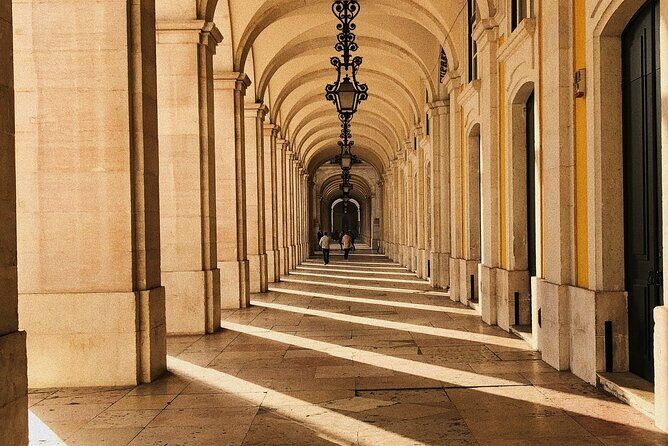
From the viewpoints, the tour shifts into “Lisbon as it actually lives.” You’ll pass by and learn about:
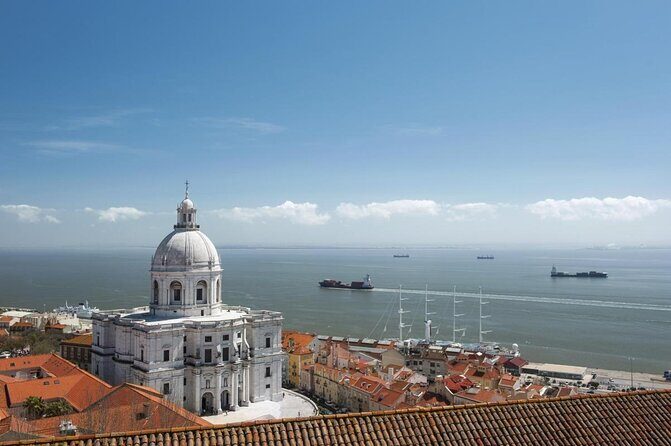
- the Panteão Nacional, described as an imposing monument formerly a baroque church, now honoring prominent figures from Portugal’s history, with a stunning dome and tombs inside
- the Feira da Ladra area, noted as one of the oldest flea markets in Europe, originally called Aleadhra by the Moors and later becoming Ladra
These stops work well on a short tour because they show different kinds of importance. The Panteão Nacional represents national memory—who gets enshrined and why. The flea-market story is more grounded: older language, local trade, and how daily life keeps going across eras.
It’s also a reminder that Lisbon isn’t only monuments. The city’s identity includes street commerce, old names that evolve, and places that keep their rhythm even when politics change.
Chiado and Livraria Bertrand: a bookstore stop that feels like a time machine

After the historical and viewpoint-heavy parts, you land in Chiado, described as one of the chicest districts, home to theatres, bookshops, and beautiful 19th-century shops. This is a welcome change of pace. Instead of fighting for a photo angle, you can just absorb the neighborhood mood.
Then there’s a standout literature moment: Livraria Bertrand, dated to 1732 and described as the oldest bookshop in the world. Even if you don’t buy anything, a quick stop here helps you feel the intellectual side of Lisbon. It’s the kind of pause that keeps the tour from turning into a checklist.
A practical thought: this is a great moment to slow down for 5 minutes, look around, and decide if you want to return later on your own time for browsing.
Largo do Carmo and the road from revolution to democracy
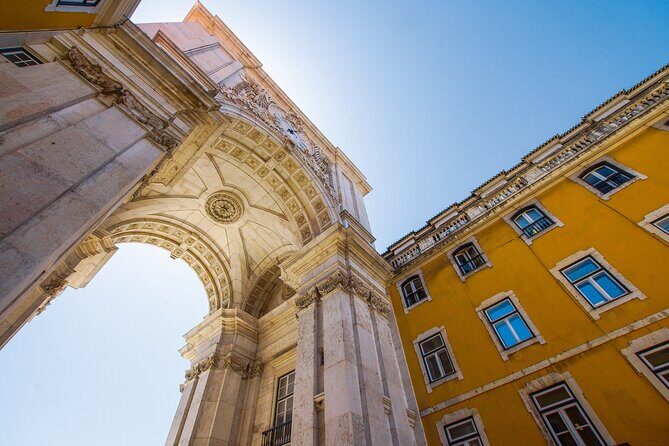
One of the most emotionally charged segments is Largo do Carmo. The tour explains that in 1974, on 25 April, the Carnation Revolution ended. Even for people who don’t know Portuguese political history, this stop gives you a clear anchor point. Lisbon’s modern identity comes from events like this, and it’s useful to know that the city’s major streets also hold turning points.
Then the route continues to Assembleia da República, the Portuguese parliament. You’ll hear that by the 16th century it had become Lisbon’s biggest monastery, and in the early 20th century it became the house of democracy. That “same walls, new purpose” theme is a big Lisbon story, and it lands well after Largo do Carmo.
Estrela: baroque faith and romantic park walking
Next is Basilica da Estrela, described as a Baroque highlight built from the late 18th century, noted as the first Catholic temple in the world dedicated to the Sacred Heart of Jesus. It’s one of those churches you can sense immediately in the skyline—so even if you’re only stopping briefly, it registers.
After that, you get to Jardim da Estrela Park, described as a walk through a 19th-century romantic setting. This part of the tour adds softness after the heavier landmark blocks. It’s also where you can recover a little before the UNESCO Tagus finale.
If the weather is good, this is often the easiest place to enjoy without feeling rushed. Take a slow look at the trees, paths, and how people settle in here. Lisbon gardens are small wins.
Jerónimos Monastery: Manueline details with a practical entry tip
The UNESCO finale starts with Mosteiro dos Jerónimos. You’ll hear it’s a magnificent example of Manueline architecture, with sculptures and ornate details that reflect wealth and devotion in the age of Portuguese Discoveries. It also connects to national storytelling: tombs of prominent figures are part of the site’s meaning.
Here’s the practical detail you should plan around: the tour notes you can visit the Church for free as long as there’s no waiting line. That’s important. If there’s a line, your time inside may be limited.
My advice: if you’re aiming to go in, watch the guide’s timing closely and be ready to decide quickly. This tour is designed for short windows, not long queues.
Belém Tower and the Tagus front: outside viewing that still hits
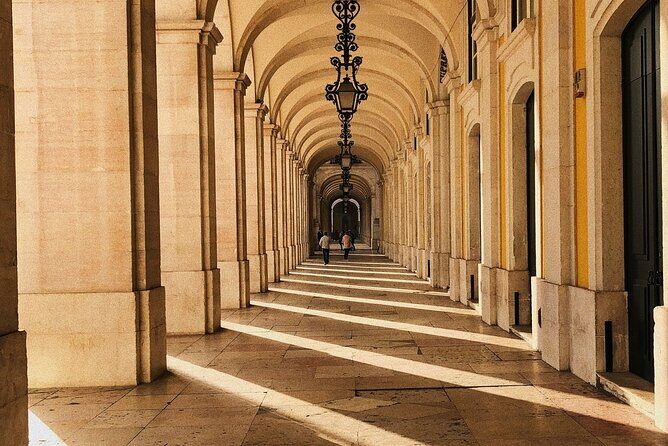
Then comes Torre de Belém, a Lisbon icon on the riverbank and a UNESCO site. The description focuses on a fortified tower with unique architecture mixing Gothic and Manueline styles. It was built for maritime defense, and today it signals the Age of Discovery.
The tour mentions that you’ll observe the monument from the outside. That makes sense for a half-day plan. You get the big visual impact without turning this into a full museum day.
Padrão dos Descobrimentos: the caravel-shaped monument
Finally, you’ll visit Padrao dos Descobrimentos, the Monument to the Discoveries. It’s described as an imposing structure celebrating the Age of Portuguese Discoveries, with a stylized caravel shape and a viewpoint on the Tagus. The outside-only approach works here because the monument is designed to be seen and read from multiple angles.
If you’re a “read the city with my eyes” type of person, this ending helps connect Lisbon’s hill story to its seafaring story. The city’s elevated viewpoints gave you the layout. The riverfront monuments give you why Lisbon mattered beyond Portugal’s borders.
Price and value: what $288.99 per person buys you
At $288.99 per person, you’re paying for convenience plus guidance. This isn’t a cheap add-on; it’s a half-day guided experience with several built-in services:
- live explanations on board
- a local guide
- private tour setup (only your group)
- group insurance
- reception and drop-off at your hotel or apartment (where offered)
- mobile ticket use
You’re also getting a route that strings together many “big-name” stops—UNESCO sights included—without you having to coordinate transport between steep areas.
The one place value can shift is entrances. Some stops are free to enjoy, and the Jerónimos church is free if no waiting line. But other optional paid entrance costs are listed (for example, Lisbon Cathedral and a Discoveries Monument entrance fee). If you know you want to go inside every paid location, you’ll want to budget extra on top of the tour price.
Who this tour is best for (and who should look elsewhere)
This tour fits well if:
- you have limited time and want a guided overview of major Lisbon sights
- you want the hills handled for you via tuk-tuk
- you like learning the meaning behind landmarks, not only taking photos
- you’re open to a pace that prioritizes multiple stops over deep museum time
It may not fit perfectly if:
- you want long, ticketed interior visits at multiple major sites
- you hate tight schedules and prefer unstructured exploring
- you don’t enjoy “look, learn, move on” tours
Should you book this Lisbon tuk-tuk historical tour?
Yes, I’d book it if your main goal is to get your bearings fast and see the city’s top stories in one half-day. The mix of miradouros, UNESCO riverside icons, and “Lisbon as a lived-in city” stops makes the time feel efficient without feeling like a rushed bus tour.
I’d think twice if you already plan multiple independent museum-heavy visits and you want to linger inside churches and monuments for long stretches. In that case, pair this kind of tour with separate time for the 1–2 places you truly want to go deeper on your own.
Either way, if you enjoy asking questions and letting a guide turn streets into meaning, this is the kind of tour that helps Lisbon stick.
FAQ
How long is the Half-Day Unforgettable Historical Lisbon on Tuk-Tuk tour?
It lasts about 3 to 4 hours, and that total includes travel time.
Where does the tour start and end?
Both the start and end are at Praça da Figueira (1100-241 Lisboa), next to the Dom João I statue. The tour also offers reception and drop-off at your hotel or apartment.
Is pickup available?
Pickup is offered. Your guide will contact you before the meeting point.
What language is the tour offered in?
The tour is offered in English, and it’s also available in five languages.
Is this tour private?
Yes. It’s private, so only your group participates.
Do I need to buy entrance tickets?
Many stops are free, and the Church at Jerónimos is described as free as long as there is no waiting line. Entrance fees are listed separately for Lisbon Cathedral and the Discoveries Monument.
Are the UNESCO sites included?
Yes. Jerónimos Monastery is included, and Belém Tower and the Monument to the Discoveries are included with outside viewing as described.
Can I visit inside Jerónimos during the tour?
You can visit the Church for free if there is no waiting line. If there is a line, you should expect more of the visit to be limited to the allowed time window.
Is free cancellation available?
Yes. You can cancel up to 24 hours in advance for a full refund.
Are service animals allowed?
Yes. Service animals are allowed, and the tour notes that most travelers can participate.