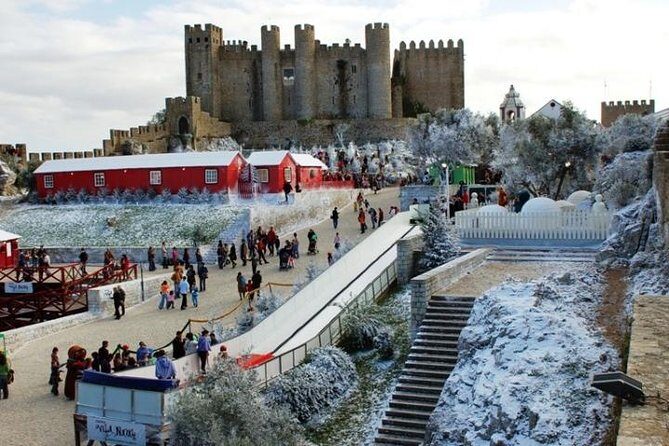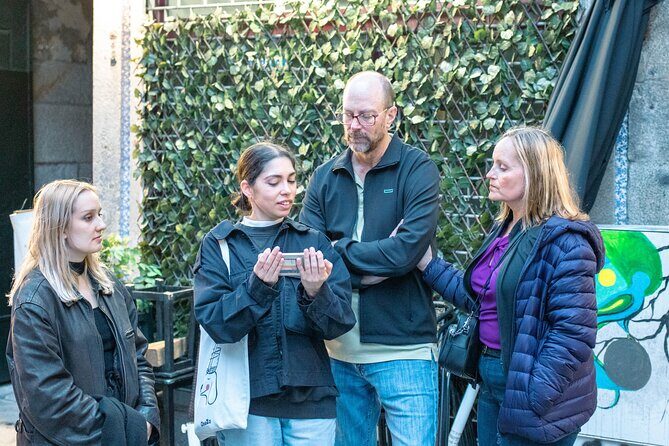
REVIEW · LISBON
From Lisbon: Sintra Village Ghost Stories
Book on GetYourGuide →Operated by Trips 2 Cool · Bookable on GetYourGuide
Sintra has a way of turning the dark into drama. This 3-hour night walking experience in Sintra Village pairs local legends with real landmarks, from viewpoints to palaces and churches. I love that it stays small (up to 8 people) and keeps the stories personal, not like a lecture you tune out.
You’ll spend time at iconic spots like Quinta da Regaleira and the area around Sintra’s historic center, with a guide who ties the atmosphere to what’s on the ground. One drawback to consider: this tour is not suitable for wheelchair users and people with mobility impairments, and it also isn’t a good fit for pregnant women or kids under 12.
In This Review
- Key things that make this ghost-story walk worth your time
- Sintra after dark: why ghost stories fit this town
- Meeting point and the walk begins: Correnteza at night
- The historic core: Sintra Palace and the feeling of legends
- St. Martin Church: a short stop with a big atmosphere
- Quinta da Regaleira: where the creepy storytelling really clicks
- The on-foot stretch: taking in Sintra’s streets without sprinting
- Optional honey wine shot or local beer: the small extra that can help
- The post-tour secret spot: relax in a centuries-old setting
- What the group size and guide style mean for your experience
- Practical tips so you enjoy it (and not just survive it)
- Price and value: what $29 buys you in Sintra
- Who this Sintra ghost-story walk is best for
- Should you book Sintra Village Ghost Stories?
- FAQ
- How long is the Sintra Village Ghost Stories tour?
- What language is the guide, and are there audio options?
- What group size should I expect?
- Where do I meet the guide if I’m starting from Lisbon?
- Where do I meet the guide if I’m already in Sintra?
- Is recording or filming allowed during the tour?
- Is it suitable for kids or people with mobility limitations?
Key things that make this ghost-story walk worth your time
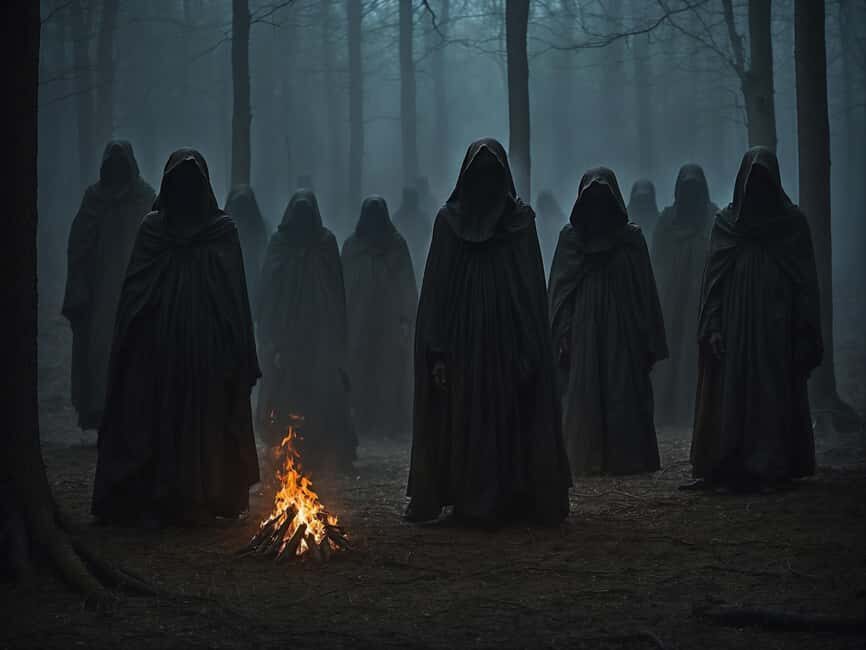
- Small-group feel: limited to 8 participants, so you actually hear the story and can ask questions.
- Evening timing: Sintra’s misty hills and night air make the legends land harder (bring a jacket).
- Stop-and-story pacing: you get landmark time plus short guided moments, not just wandering.
- Quinta da Regaleira stop: a major Sintra highlight built right into the spooky storyline.
- Optional local sips + souvenirs: a honey-wine shot or local beer may be part of the experience, plus magical keepsakes.
- English live guide: English-only, with no audio recordings allowed.
Sintra after dark: why ghost stories fit this town
Sintra works best when you let the place do what it does naturally: change moods fast. Daytime gives you ornate buildings and postcard views. After sunset, the streets feel tighter, the air feels cooler, and every turn can look like it leads somewhere older than your trip plan.
That’s exactly why this tour style works. The guide doesn’t treat the legends like random campfire tales. Instead, the stories are tied to specific points around Sintra’s historic center and the landmarks you’d otherwise race past. If you’re new to town, this is a smart way to get your bearings fast: you learn the names, you see the architecture, and you hear how locals used to explain what they couldn’t control.
I also like the tone. It’s a group walk with interaction, not a performance you just sit through. Even when you’re moving at night, there’s room for questions. One guide named Sara stood out for being patient and answering questions carefully, and that matters if you want the story to make sense instead of just sound creepy.
You can also read our reviews of more tours and experiences in Lisbon.



Meeting point and the walk begins: Correnteza at night
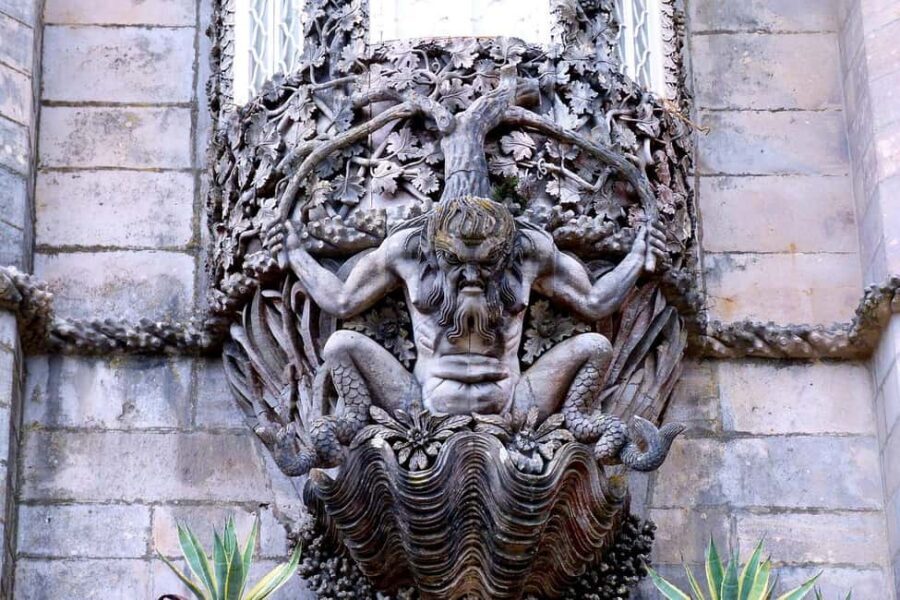
You start by linking up with the group at a clear meeting location, based on whether you’re coming from Lisbon or already in Sintra.
If you’re using the Lisbon pickup, you meet at Rossio Train Station. Plan to arrive 1 hour before the start time so you’re not rushing. If you’re meeting in Sintra, you’ll meet near the ticket offices at Sintra Train Station, and it’s best to arrive 5 to 10 minutes early.
From there, the group heads to Jardim Correnteza, where you get a safety briefing before the main story portion kicks in. I like this early step because night walking tours can feel chaotic without it. It also sets the tone: this isn’t a sprint around town. It’s a guided, paced evening.
Once the story begins, you’re in the heart of it. Correnteza is the kind of spot where Sintra’s reputation makes sense immediately. From there, the town’s mix of views and history starts to connect—green hills in the background, historic buildings in front, and the sense that the town has always been a place where stories stick.
The historic core: Sintra Palace and the feeling of legends
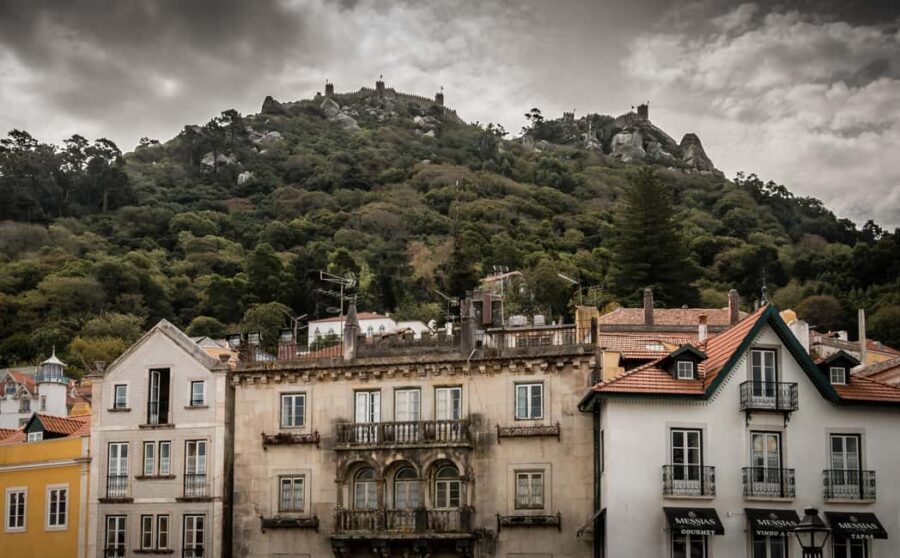
One of the biggest benefits of this tour is how it combines a few major stops rather than trying to cram in every monument. You spend real time at Sintra Palace (about 30 minutes guided), which gives you enough context to notice details instead of just snapping photos.
What makes this stop valuable is that the guide uses it as an anchor for the legends. Sintra is famous for its royal and noble connections, but if you don’t know what you’re looking at, it can feel like a blur of fancy facades. Here, the guide points your attention toward the moments that inspired the supernatural tales people repeat.
You’ll also pass through other landmark areas around central Sintra. Expect to see the kind of architectural contrasts Sintra is known for—places with Moorish influence, the more refined summer houses and chalets linked to old nobility, and the presence of major buildings like the National Palace area and churches that give the town its distinct character.
I’ll be honest: Sintra can be crowded in daylight. At night, it’s different. The walk gives you a calmer version of the town’s beauty, with less of the midday traffic energy and more of that misty, story-friendly mood.
St. Martin Church: a short stop with a big atmosphere
Between the longer landmark moments, you get a smaller guided visit at St. Martin Church (around 10 minutes). Ten minutes doesn’t sound like much until you’re standing in the right place at the right hour. Short stops like this often work well because you’re not forced to sit and wait. You get the key points, then you move on while the story momentum is still alive.
This is also one of those “don’t rush it” moments. In a ghost-story tour, the aim isn’t to see everything perfectly. It’s to catch the tone of the place. A church stop at night naturally does that—quiet enough to hear the guide clearly, close enough to feel part of the neighborhood, and just long enough to understand why locals linked certain events to the supernatural.
Quinta da Regaleira: where the creepy storytelling really clicks
The tour’s most famous storyline stop is Quinta da Regaleira, with about 30 minutes guided. Even if you’ve heard of Regaleira before, seeing it on a themed night walk changes how you read the space. The gardens and structures don’t just look interesting. They start to feel like they have reasons for being strange.
This is where the tour delivers on the title. The guide connects what you’re seeing to lost souls, tragic romances, and eerie encounters that have been passed down for generations. The result is that you don’t treat the architecture as random decoration. You treat it like a setting for stories people believed enough to keep repeating.
One practical note: plan to be on your feet for this part. It’s guided and paced, but it’s still a walk, and the surfaces can be uneven. Bring comfortable shoes and don’t wear anything that pinches. You’re trying to enjoy the atmosphere, not calculate where your feet start to hurt.

The on-foot stretch: taking in Sintra’s streets without sprinting
After the main landmark moments, you get an additional guided walking stretch of about 30 minutes on foot. This is where the tour feels most like a local evening stroll. You’re still learning, but you’re also soaking up the feel of Sintra Village—tight lanes, historic façades, and those small views that make you stop without meaning to.
This section also helps connect the stops you’ve already visited. When you only look at monuments, you can miss how they relate to everyday life. On foot, the relationship becomes obvious: where the buildings sit, how the street bends, where the town opens up to a view. That’s part of why ghost stories make sense here. People didn’t experience the supernatural in textbooks—they experienced it while walking between familiar places.
Optional honey wine shot or local beer: the small extra that can help
At some point after the guided part, you may have the chance to taste a unique shot of honey wine or a locally crafted beer. I like optional extras like this because they’re not required, but they can add a final layer to the night.
If you do take the shot, keep it modest. The tour has rules about alcohol and drugs, and it’s designed for evening walking. You want to taste something local, not spend the rest of the night thinking about balance on uneven streets.
The post-tour secret spot: relax in a centuries-old setting
After the main walk, the group gathers at a nearby secret location housed in a centuries-old building. This is a nice finish because it gives you time to process what you just heard and see where your curiosity wants to go next.
It also lets you decompress from the dark, story-heavy part of the evening. Sometimes ghost tours feel like they end the moment you reach the last landmark. Here, the tour builds in a calmer closing moment so you can reflect, ask last questions, and decide whether you want to keep exploring on your own.
What the group size and guide style mean for your experience
This tour keeps the group small: 8 participants max. That’s a big deal for ghost stories. If the group is large, the guide has to push through the narrative like a timed show. With a smaller group, the guide can adjust pacing, repeat or clarify details, and answer questions without breaking the flow.
English-only also matters. This is a live English guided tour, and there are no audio guides or translations. If you’re comfortable with English storytelling, you’ll enjoy the rhythm. If your English is shaky, you might still follow the visuals, but you’ll lose some of the nuance in the legends.
One more thing: the walk isn’t for everyone, and that’s worth respecting. It’s not suitable for kids under 12, it’s not for pregnant women, and it’s not set up for mobility impairments or wheelchair users. Also, hearing-impaired people aren’t a match for this format based on the provided info. If any of these apply, it’s smarter to choose a daytime or more accessible alternative.
Practical tips so you enjoy it (and not just survive it)
This type of tour lives or dies by comfort. Night in Sintra can be cool, and the walk involves enough time outdoors that you’ll want to dress like you mean it.
Bring:
- Comfortable shoes
- Water
- A jacket and weather-appropriate clothing
And note the rules:
- No pets
- No alcohol and drugs during the tour
- No costumes
- No video recording
- No audio recording
- No speakers, and filming or live streaming is strictly forbidden
Those rules might sound strict, but they protect the experience. A ghost story tour depends on hearing the guide and staying immersed in the moment. If you’re the type who hates rules, this is your heads-up.
Also, keep in mind the tour includes a safety briefing early on. Even with a small group, night walking means you should watch your step and stay with the guide.
Price and value: what $29 buys you in Sintra
At $29 per person, you’re paying for a guided evening walk, storytelling built around real stops, and a local guide who spends about 3 hours leading you through the town’s historic center at night.
Is it expensive? Compared to self-guided wandering, yes. Compared to a typical guided tour price in Europe, it’s fairly reasonable—especially because you get:
- Live ghost-story narration
- Landmark stops with guided context
- A group size capped at 8
- Pickup options either from Rossio or by meeting at Sintra Train Station
In other words, the value isn’t in museum ticketing. It’s in the timing, the interpretation, and the fact that you’re not figuring out connections between buildings and legends yourself.
Who this Sintra ghost-story walk is best for
This tour fits you if:
- You’re a newcomer to Sintra and want a guided introduction to the central sights
- You like history mixed with storytelling, not just facts on plaques
- You want an evening plan that feels different from daylight sightseeing
- You enjoy small groups and clear, spoken guidance in English
It’s less ideal if:
- You need wheelchair access or have mobility limitations
- You’re traveling with children under 12
- You’re looking for a quiet, independent experience with no storytelling
- You don’t like night walking or you refuse to plan for cool weather
Should you book Sintra Village Ghost Stories?
If you’re in Sintra with a few hours to spare, I think it’s an easy yes. The combination of night atmosphere, small-group pacing, and major stops like Sintra Palace and Quinta da Regaleira makes it more than just a themed stroll. It’s a way to understand why Sintra’s legends stuck to the town in the first place.
Book it when you want your trip to feel like a story, not just a checklist. Skip it when comfort needs and accessibility needs take priority over a night walk, or when you’d rather explore without guided supernatural narration.
FAQ
How long is the Sintra Village Ghost Stories tour?
The tour lasts about 3 hours.
What language is the guide, and are there audio options?
The tour is in English only. There are no audio guides or translations available.
What group size should I expect?
The group is limited to a small size, with a maximum of 8 participants.
Where do I meet the guide if I’m starting from Lisbon?
If you’re starting from Rossio Train Station in Lisbon, you meet the guide there. Plan to arrive 1 hour before the activity begins.
Where do I meet the guide if I’m already in Sintra?
If you meet at Sintra Train Station in Sintra, arrive 5 to 10 minutes before the activity starts. Look for the guide near the ticket offices.
Is recording or filming allowed during the tour?
No. Filming, recording, and live streaming are strictly forbidden, and audio recording is also not allowed.
Is it suitable for kids or people with mobility limitations?
It is not suitable for children under 12, for wheelchair users, or for people with mobility impairments. It’s also not suitable for pregnant women or hearing-impaired people based on the provided information.