REVIEW · LISBON
From Lisbon: Évora, Chapel of Bones, & Roman Temple Tour
Book on GetYourGuide →Operated by Orandella · Bookable on GetYourGuide
Évora packs centuries into one perfect day. I like how this trip balances medieval streets with the shock of the Chapel of Bones, and it also throws in the best-preserved Roman temple on the Iberian Peninsula. One consideration: it’s a full day with a fair amount of walking and stone steps, so you’ll want comfy shoes and a heat plan.
What makes this tour feel worth it is the structure. You get guided time through the walled city, plus room to wander on your own—then you finish with a winery visit for Alentejo wine tasting and shopping. Also note: monument tickets and food aren’t included, so budget a bit extra beyond the $111 price.
In This Review
- Key highlights you should care about
- Alentejo Day Trip From Lisbon: Why Évora Works So Well
- Pickup, Ride, and Getting There Without Losing the Day
- Jardim Público and the Medieval Streets: Where the City Starts to Make Sense
- Church of St. Francis: A Stop That Sets Up the Rest
- Chapel of Bones: The Morbid Sight You’ll Still Want to Talk About
- Praça do Giraldo and Lunch Break: Where You Can Regroup
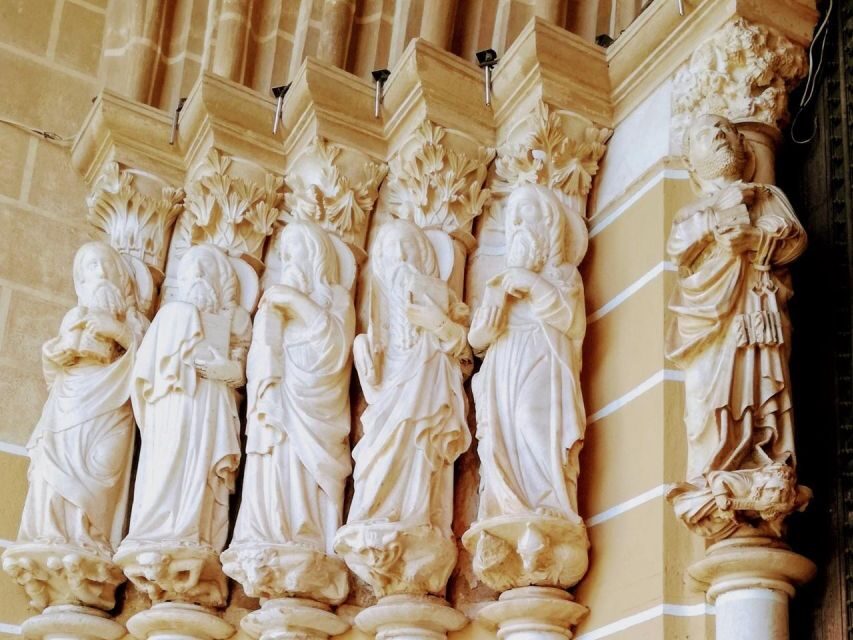
- Évora Cathedral and the Roman Temple: Two Contrasting Legacies
- Évora Cathedral
- Roman Temple of Évora
- Winery Visit in Alentejo: Tasting and Buying With Real Practicality
- Price and What You’re Really Getting for $111
- Who This Tour Fits Best (and Who Should Skip It)
- Should You Book the Évora, Chapel of Bones, and Roman Temple Tour?
- FAQ
- What are the pickup options for the tour?
- How long is the tour from Lisbon to Évora?
- Which languages is the tour guide available in?
- Is lunch included in the price?
- Are monument tickets included?
- Is this tour suitable for wheelchair users or people with mobility impairments?
Key highlights you should care about
- Roman Temple of Évora: the headline stop, with big photo payoff without needing extra time
- Chapel of Bones: a memorable, unusual interior you’ll understand better with a guide’s context
- A guided medieval circuit: orientation in the historic core, not just random stops
- Winery tasting and buying: a practical way to take home real Alentejo bottles
- Free time built in: so you can pause for cafés, viewpoints, and slower strolling
Alentejo Day Trip From Lisbon: Why Évora Works So Well
Évora is the kind of place that feels designed for a guided day trip. It’s a UNESCO World Heritage Site, set in the Alentejo region, and it’s famous for its walled city layout and layered influences—Roman roots, then later Moorish rule, and the medieval period that shaped much of what you’ll see today.
The magic here is pacing. You’re not just dropped into a list of sights. The tour moves through the main historic zones in a logical order, so the day builds. You’ll start with orientation and city walking, then hit major church and chapel stops, then end with the Roman centerpiece and a winery.
You’ll also get a more “Portuguese” feel than you might expect from a one-day excursion. Alentejo is all about open sky, agricultural plains, and quiet rhythm. Even if you’re short on time, this format gives you a taste of that pace.
You can also read our reviews of more tours and experiences in Lisbon.



Pickup, Ride, and Getting There Without Losing the Day
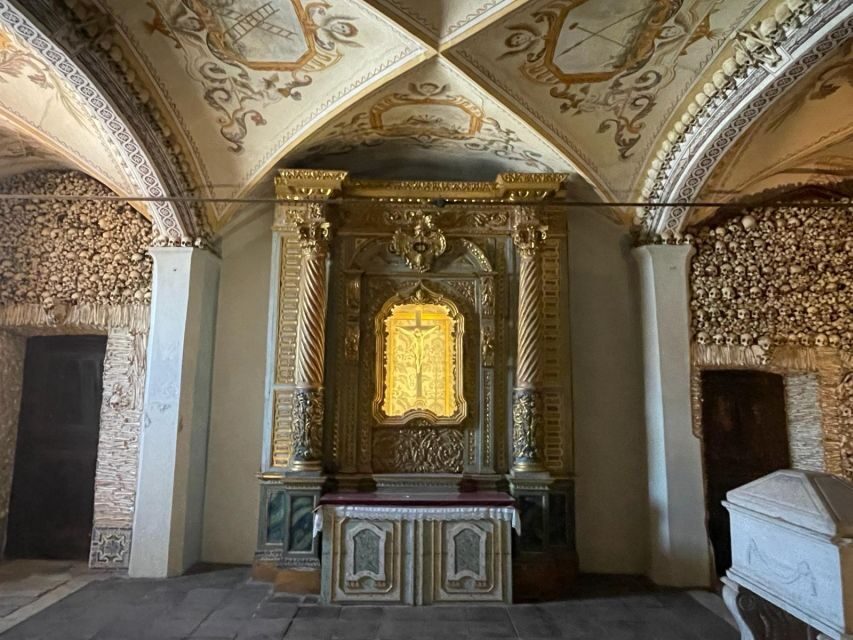
This is a straightforward transport-and-guide setup. You’re picked up in Lisbon, Cascais, or Sintra (three pickup location options), then driven to Évora in an air-conditioned vehicle.
That matters because Évora is far enough that it can feel like too much hassle on your own if you’re juggling parking, timing, and ticket lines. Here, your driver gets you there, and your guide handles the flow—photo stops, guided chunks, then some free time.
Group size can vary. The operator offers private or small groups, and at least one recent departure used a dual-language setup where the guide kept both groups moving. If you want your day to run at your exact pace, the private option is the better fit since you can customize stop durations for your group.
Practical tip: bring sunscreen and a water bottle for the walk portions. The tour restricts food and drinks in the vehicle, but you’ll still want to stay comfortable once you’re out and moving.
Jardim Público and the Medieval Streets: Where the City Starts to Make Sense
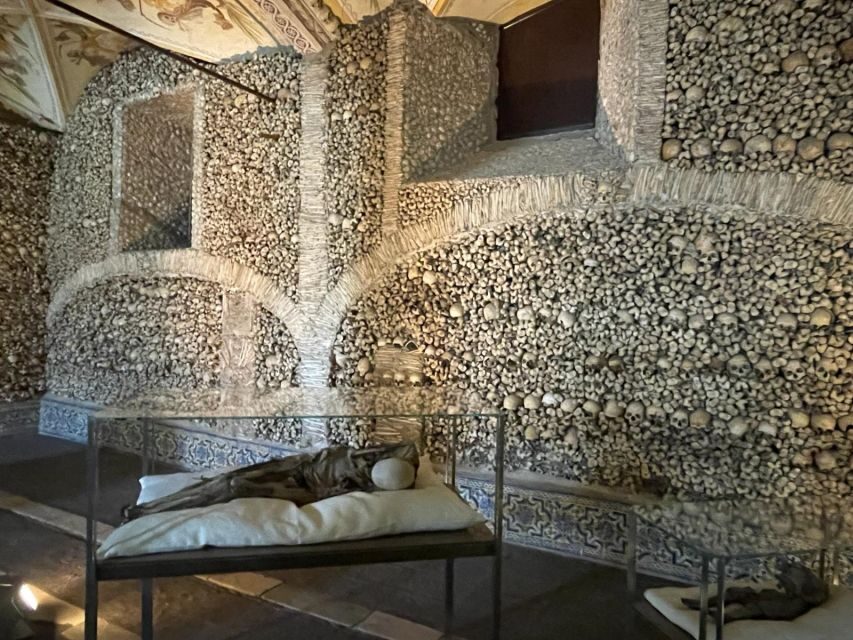
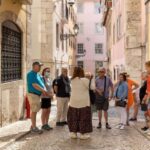
The day’s rhythm begins in Évora with a photo stop and guided walk time, plus free time to explore. This is one of those schedules that works well because it gives you both structure and breathing room. A guide helps you read what you’re looking at—streets, squares, and the layout of the walled city—then you can slow down for your own photos and pace.
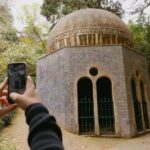
A key early stop is Jardim Público, where you get a visit plus guided sightseeing. It’s a helpful anchor because it’s not just another monument. It gives you a calmer pocket early on, so your energy doesn’t crash right away when the church and chapel stops start later.
I also like that the tour includes walking breaks. Évora rewards slow attention: small facades, street corners, and that slightly medieval “maze” feeling inside the walls. If you’re the type who enjoys spotting details on your way to the big sights, you’ll do well here.
Watch-outs for comfort: this tour isn’t labeled as suitable for wheelchair users or people with mobility impairments. Even if you’re fine on stairs, the ground can be uneven in older streets. If you’re unsure, bring a backup plan for rest breaks.
Church of St. Francis: A Stop That Sets Up the Rest
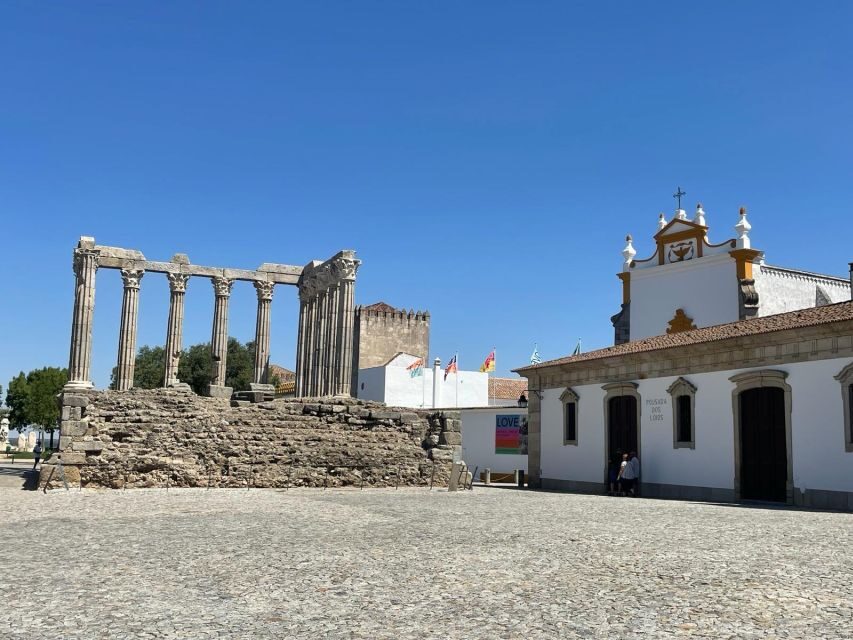
The Church of St. Francis of Évora shows up as a photo stop and then a visit. This is a smart placement in the itinerary: you get a major religious landmark before the more unusual and macabre attraction later in the day.
Even if you don’t consider yourself a “church person,” this kind of stop helps you understand why Évora’s famous sights feel so connected. The city’s later medieval identity shows up in how these buildings are designed and how they function as public landmarks—places where people gather, worship, and socialize.
If you like architecture, take a little time to look around outside as well as in. The tour structure gives you enough time to see it as a real place, not just a quick checkbox.
Chapel of Bones: The Morbid Sight You’ll Still Want to Talk About
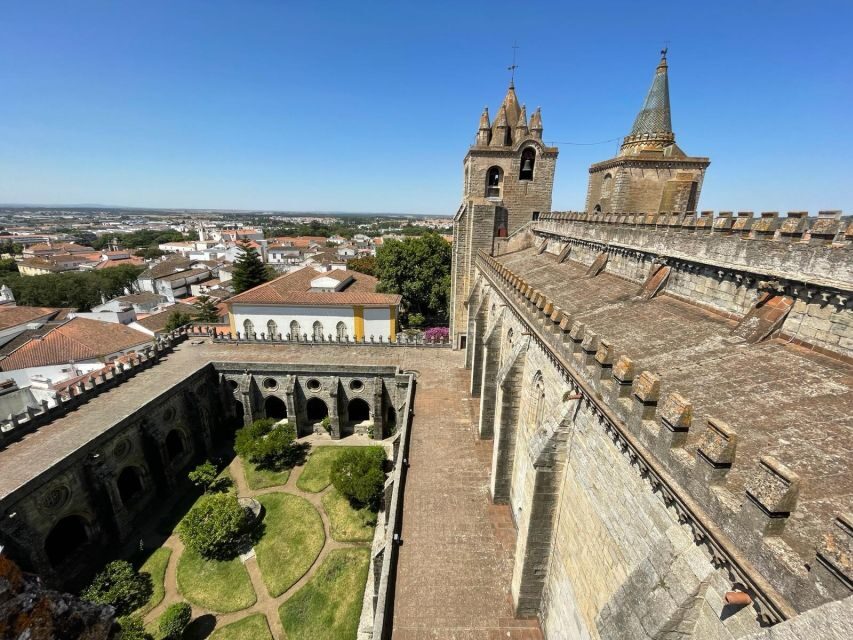
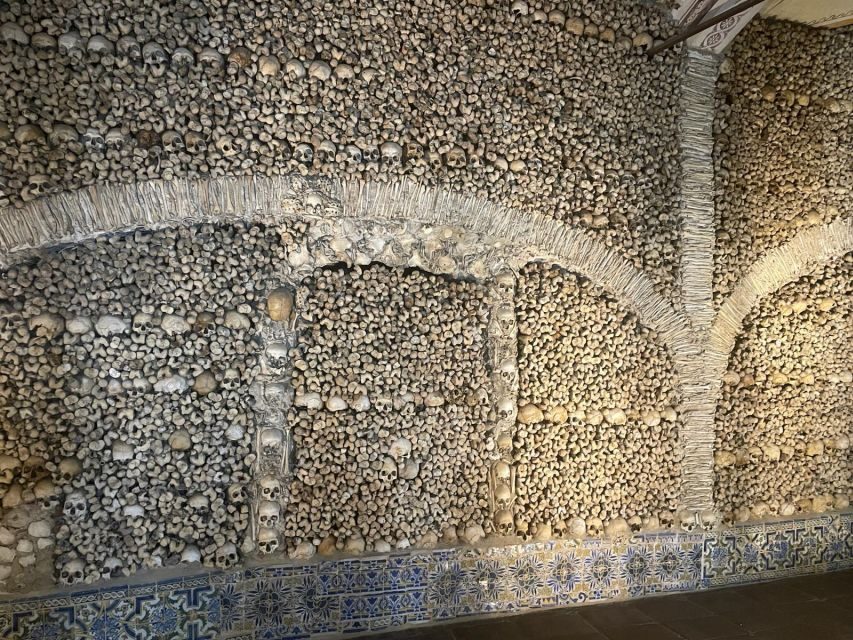
Then comes the big wow: the Chapel of Bones. Expect photo stop time and a guided visit here. This is the moment that most people remember, and for good reason. It’s unusual, eerie, and instantly different from the rest of the day’s visuals.
What I find useful is having a guide here instead of relying on your own guesses. You’ll get the story behind why this chapel exists and what it was meant to communicate—mortality, reflection, and a way of thinking that was very present in earlier centuries. Without that context, it can feel like shock value. With it, the experience gets deeper and more meaningful.
Also, don’t rush it. Even if you think you’ve already “got the idea,” spend a moment looking slowly. The visual impact builds when you’re not trying to speed-run the room.
One more practical note: this is an indoor stop. If the day is hot outside, it can feel cooler inside. Pace yourself so you don’t feel rushed when you get back out.

Praça do Giraldo and Lunch Break: Where You Can Regroup
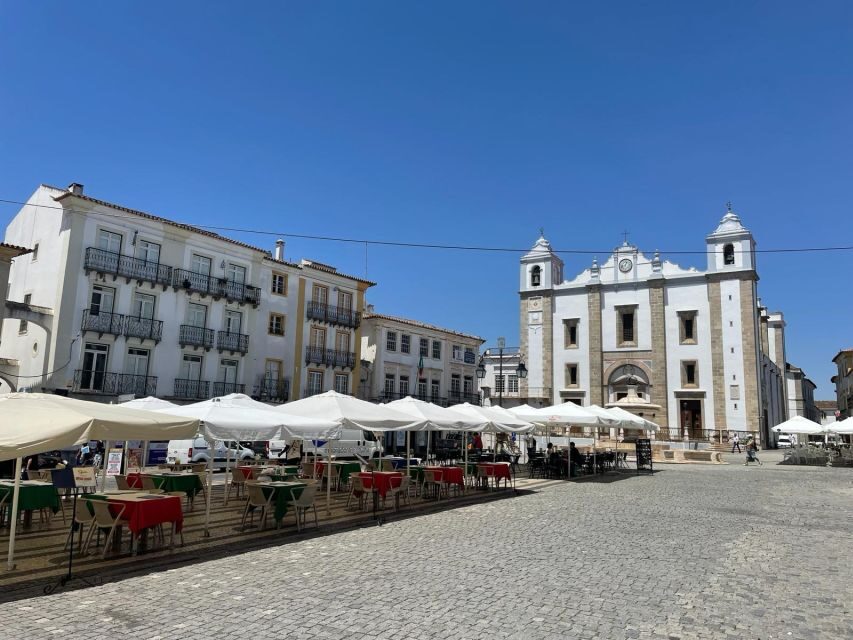
After the chapel, you reach Praça do Giraldo, which includes lunch plus free time. This is a good setup because you’ve hit two intense stops back-to-back—then you get a reset.
The big advantage of this break is flexibility. Lunch is listed in the itinerary, but food isn’t included in the tour price. That means you can choose what you want to eat in the square area, based on your budget and cravings. It’s also a chance to people-watch. Évora’s squares have a lived-in feel, not a theme-park vibe.
How to use this time well:
- If you’re tired, keep lunch simple and use the free time for a short sit-down rather than more walking
- If you want photos, this is where you can grab wide views and street-level shots without the pressure of “the next stop is loading”
If you skip lunch, you might regret it later in the day, especially if you’ll be shopping for wine after. Eating earlier keeps the afternoon calmer.
Évora Cathedral and the Roman Temple: Two Contrasting Legacies
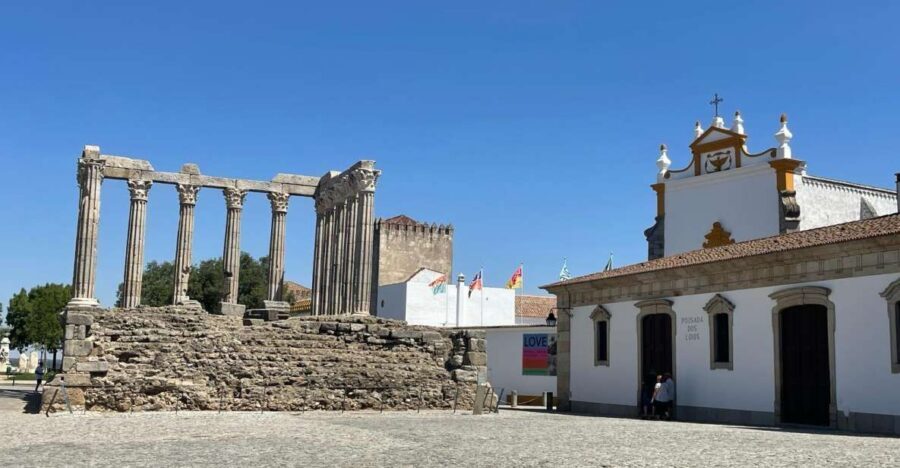
The second half of the tour goes big on landmarks. You’ll visit the Cathedral of Évora with a guided tour, and then you’ll also have a photo stop plus sightseeing time at the Roman Temple of Évora.
Évora Cathedral
The cathedral visit is guided, which helps you understand what you’re looking at. Reviews highlight that guides like Emerson can be very accommodating about personal preferences during the cathedral portion—one person chose not to go up to the top because they didn’t like heights. That tells me the guide approach can be practical, not rigid. If you have comfort limits, it’s totally reasonable to mention them and adjust.
Roman Temple of Évora
Then comes the headline Roman stop. The Roman Temple of Évora is widely noted for being the best-preserved Roman temple on the Iberian Peninsula, and it earns its reputation fast. The shape, scale, and stonework make it easy to see why Romans built like they intended to last.
Here’s the value of having this included in a structured day: you’ll spend time at the exact sight that earns Évora its Roman credibility, but you won’t have to coordinate it yourself. It’s especially good for first-timers, because the temple’s location inside the flow of the day makes it easier to connect it to the rest of the city.
If you like photography, this is one of your best moments. Take a few shots from different angles. Even in a short sightseeing window, you’ll come away with pictures that don’t look like generic “I was here” photos.
Also, if your guide mentions extra Roman hints around the city, take those moments seriously. One guide in recent reviews, Emerson, reportedly pointed out lesser-known Roman remnants like parts of the old wall and the aqueduct area. That kind of context turns a quick stop into a story you can carry home.
Winery Visit in Alentejo: Tasting and Buying With Real Practicality
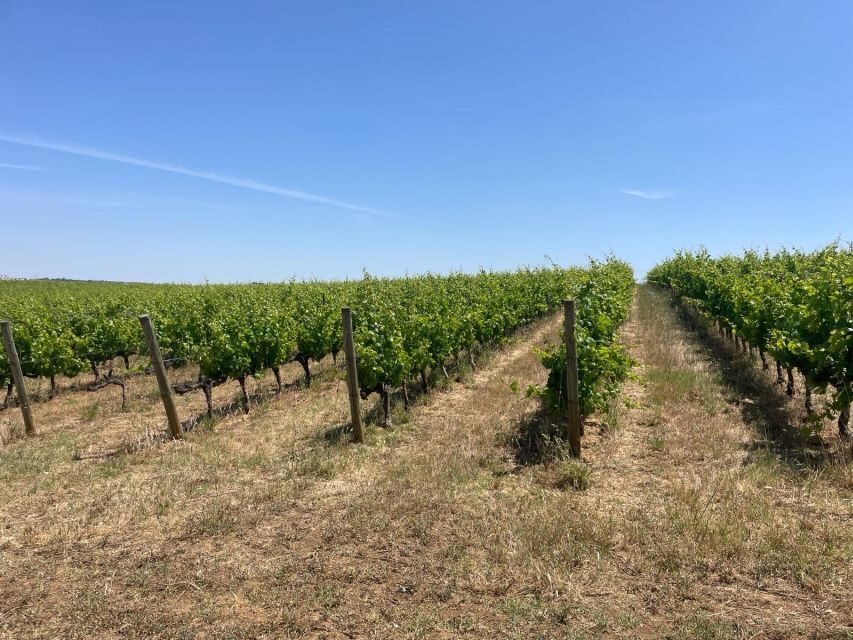
You end the tour at a winery with a wine experience—wine tasting and time to purchase. This part is a big reason this trip feels more complete than a pure sightseeing day.
Alentejo wine is its own identity. The terroir and local style matter, and a winery shop visit gives you a straightforward way to taste and then decide what to buy. You’re not left wandering a wine aisle with no clue what you’re choosing.
One helpful detail from a real departure: Emerson offered alternatives for people who weren’t that into wine, and he helped them focus on what interested them more. So even though the itinerary includes the winery, the guide attitude can be flexible about how you experience the stop.
Don’t over-plan for this part. If you’re driving later, check your situation before buying. And if you’re sensitive to strong flavors, pace your tasting. You’ll still have enough time to pick bottles you genuinely want.
Price and What You’re Really Getting for $111
At $111 per person for about 8 hours, this tour sits in the “good value if you factor in transport + guided time” category.
Here’s how the price makes sense:
- You get pickup and drop-off in Lisbon, Cascais, or Sintra
- You’re traveling in an air-conditioned vehicle rather than figuring out your own timing
- You get a multilingual guide (English, Italian, Portuguese, Spanish)
- You cover multiple major sights in one pass: medieval city walking, Chapel of Bones, Cathedral, Roman Temple, and a winery tasting
What can change your total cost is what’s not included:
- Food and drinks
- Tickets to monuments and attractions
- Personal expenses
Because tickets aren’t included, you should plan for that on arrival. Also, lunch is on the itinerary, but food isn’t. In other words: the tour gives you the schedule and breaks; you cover your own meal choices.
If you’re traveling in a small group or you don’t want to coordinate transport yourself, the price looks even better. If you’re the kind of traveler who loves fully independent routes, you might still pay less doing it alone—but you’d trade away the guided context and the time savings.
Who This Tour Fits Best (and Who Should Skip It)
This tour is a great match if you want a structured day that hits the essentials of Évora without turning it into a stressful logistics exercise.
You’ll likely enjoy it if:
- You like guided context, especially for the Chapel of Bones
- You want a Roman highlight without hunting for it on your own
- You enjoy a proper lunch break and then a winery tasting finish
- You want a Portugal day that feels like it’s actually in the region (not just a stop on a checklist)
You should probably choose a different option if:
- You use a wheelchair or have mobility limits that make older streets hard
- You hate walking or standing for long chunks
- You want a fully private, fully custom route every minute (the private option is better for flexible stop durations)
The tour can also be affected by weather, strikes, traffic, road closures, and other events outside the provider’s control. That’s true of any long day trip, so build in a little patience.
Should You Book the Évora, Chapel of Bones, and Roman Temple Tour?
I’d book this if you’re aiming for a first-time Évora day that feels both cultural and practical. The itinerary hits the big names you’d want to see—especially the Roman Temple and the Chapel of Bones—and the guide-led flow helps you get more from the sights than a quick walk-by.
Skip it (or at least consider private) if walking pace and personal comfort are major issues for you. Also, if you already know you’ll spend a lot of time passing on tours indoors, remember you’re paying for the guided structure; the value drops if you barely use it.
If you’re on the fence, here’s the simple test: if you want to see medieval Évora plus its Roman highlight plus a winery stop, in one day, with transport handled, this is a strong bet.
FAQ
What are the pickup options for the tour?
The tour offers pickup from Lisbon, Cascais, or Sintra. Your drop-off is also available at Cascais, Sintra, or Lisbon.
How long is the tour from Lisbon to Évora?
The duration is listed as 8 hours.
Which languages is the tour guide available in?
The live tour guide is available in English, Italian, Portuguese, and Spanish.
Is lunch included in the price?
Lunch is scheduled during the Praça do Giraldo stop, but food is not included in the tour price. You’ll have free time to choose what to eat.
Are monument tickets included?
Tickets to monuments and attractions are not included, so you should budget separately for entrances you’ll want to pay for.
Is this tour suitable for wheelchair users or people with mobility impairments?
No. The tour is not suitable for people with mobility impairments or wheelchair users.