REVIEW · LISBON
Лиссабон: сверху вниз под правдивые и вымышленные истории
Book on GetYourGuide →Operated by Katia Literra · Bookable on GetYourGuide
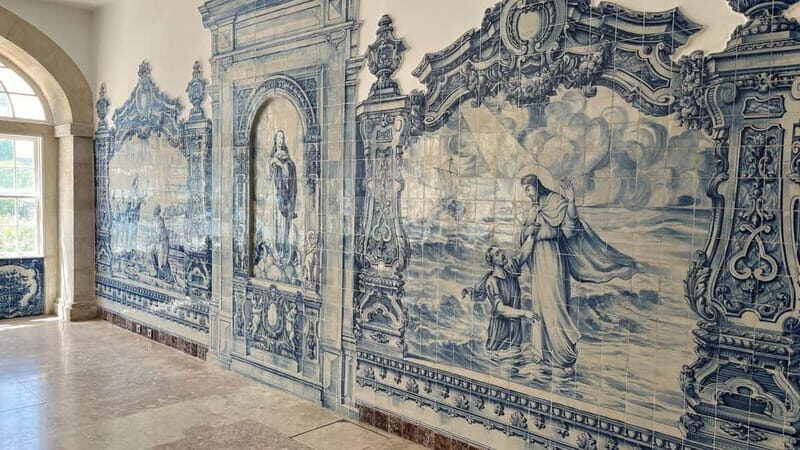
Lisbon has a way of surprising you fast. This 3-hour guided downhill stroll strings together real streets and true stories with views from Lisbon’s hills, so you start to understand how the city fits together. You’ll also see the kinds of details that usually fly by: azulejo (Portuguese tilework) that explains the city, secret garden corners, and the big-photo angles over the river.
I love how the walk teaches you to navigate Lisbon like a local, not like a tourist on autopilot. Two standouts for me are the former-monastery Jardim stop and the church interiors you get to appreciate up close, not just pass by. One drawback to plan for: it’s mostly downhill, but it still involves cobblestones and some steps, so it’s not a good match for mobility challenges.
In This Review
- The Smart Value: Stories + Views + Practical Getting-Around
- Meeting Point at Rato: Start Where Lisbon Feels Real
- Principe Real’s Former-Monastery Garden: Lisbon’s Soft Side
- Miradouro de São Pedro de Alcântara: The Azulejo Map Moment
- Elevador da Glória to Bairro Alto: Lisbon Moves Vertically
- Igreja de São Roque and Largo do Carmo: Art You Can Actually Stop For
- Santa Justa Lift, Chiado, and Rossio: The Old City with a Pulse
- Baixa de Lisboa and Rua da Prata: Where Navigation Becomes Easy
- Pollux Stop: A Quick Piece of the City’s Pattern
- Praça do Comércio (Terreiro do Paço): The Big River Finale
- What I’d Pack and How I’d Plan Your Day
- Who Should Book This Tour
- Should You Book It? My Take
- FAQ
- How long is the tour?
- What is the meeting point?
- Where does the tour end?
- Is the tour easy to walk?
- What language is the guide?
- How big is the group?
- What should I bring?
- Is it suitable for children or people with mobility impairments?
The Smart Value: Stories + Views + Practical Getting-Around
At $23 for a 3-hour small-group walk (limited to 7 people), this feels like good value if you want structure. You’re paying not just for sightseeing, but for interpretation: why Lisbon grew the way it did, how neighborhoods connect, and how to use that knowledge after the tour.
You get a Russian guide (a philologist named Katia Literra), and that matters more than you might think. A philologist tends to treat language and names carefully, which is exactly what you need in a city where street names, old titles, and legends overlap.
The route itself is designed to be manageable: you go mostly downhill, with a steady flow of viewpoints and highlights. Still, Lisbon is Lisbon—expect uneven ground. Bring comfortable shoes, and don’t plan to wear the kind of footwear you only trust on smooth floors.
Meeting Point at Rato: Start Where Lisbon Feels Real
You’ll begin near Chafariz do Largo do Rato, right by the start of Rua da Escola Politécnica (by the yellow metro line exit toward that street). The guide holds a sign with the name GetYourGuide, which helps you find the group without drama.
This is a good starting zone because it’s not a souvenir trap. It’s a working city street corner, and you’re already in the rhythm of Lisbon before you start walking. From the first minutes, the tour’s theme becomes clear: Lisbon isn’t just pretty—it’s explainable.
Practical tip: if you’re prone to getting warm fast, consider arriving a bit early and using the shade where you can. The tour includes outdoor stops and photos, and you’re told to bring sun protection and rain gear for a reason.
You can also read our reviews of more tours and experiences in Lisbon.



Principe Real’s Former-Monastery Garden: Lisbon’s Soft Side
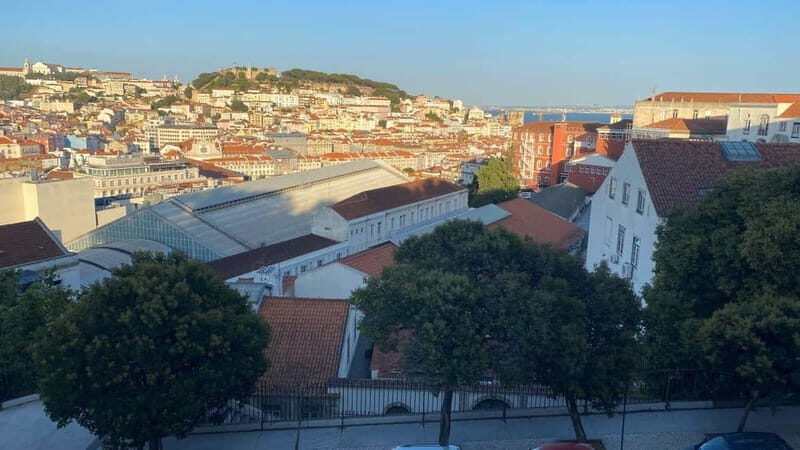
One of the first real pleasures is Jardim do Principe Real—a secret-feeling garden area that comes from a former monastery space. Even if you’ve seen Lisbon gardens before, this one has a different mood: quieter, more tucked-in, and noticeably calmer than the streets around it.
What you’re really getting here is contrast. You’ll spend the rest of the day moving between viewpoints and city energy, but this stop reminds you that Lisbon also protects pockets of stillness. It also gives you a “breather” so the walking doesn’t feel relentless.
Look around beyond the plants. The garden setting helps you understand how old institutions shaped the city’s layout. Lisbon’s growth wasn’t random; it was built around religious spaces, routes, and later, the neighborhoods that grew outward from them.
Miradouro de São Pedro de Alcântara: The Azulejo Map Moment

Next comes one of those Lisbon skyline stops that makes you want to stop and just look. At Miradouro de São Pedro de Alcântara, you’ll get a photo pause—and you’ll learn about the tiled city idea presented there.
The key highlight here is the city structure shown through an azulejo map. It’s one of those details that feels decorative until your guide helps you read it. Then it becomes practical: you can see how the hills, centers, and routes relate to each other.
This is also where you start to connect viewpoints to neighborhoods. Lisbon’s viewpoints aren’t random. They’re the city’s natural way of teaching you where you are, and what’s around the bend.
Elevador da Glória to Bairro Alto: Lisbon Moves Vertically
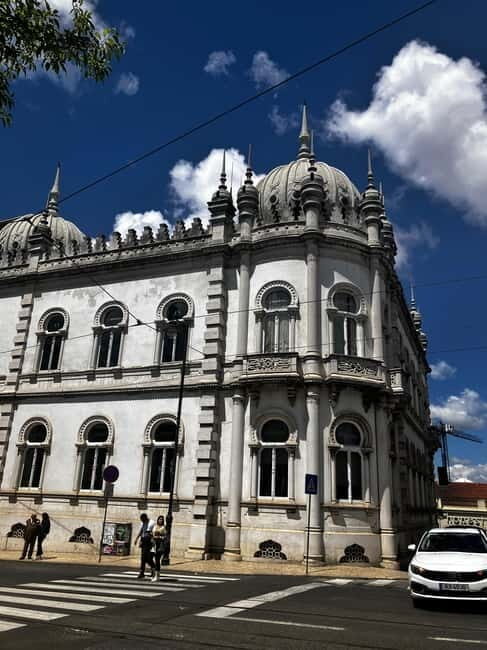
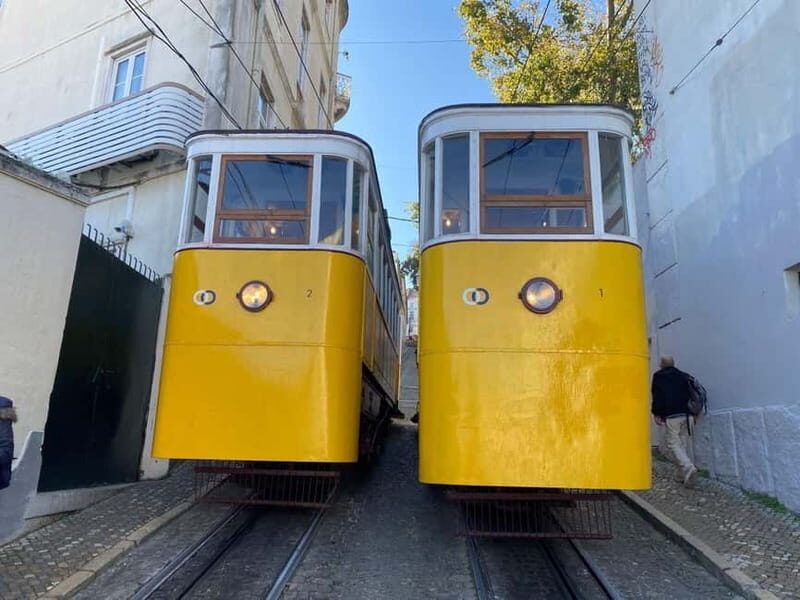
From the viewpoints, the tour naturally shifts into Lisbon’s “up-and-down” character. You’ll get a photo stop at Elevador da Glória and then continue on foot toward Bairro Alto.
Lisbon can feel confusing if you think only in flat directions. Elevators, funiculars, and trams exist because the city is built on slopes. This tour doesn’t just point them out—it helps you understand the logic behind them. You’ll see how the city solves elevation problems the way other cities solve traffic problems: with infrastructure that becomes part of daily life.
Bairro Alto is also a good moment to talk about “where to go when.” Your guide gives recommendations about what the neighborhoods feel like at different times—quiet evenings versus streets that feel emptier. This is the kind of advice that’s hard to guess on your own, especially if you only have a couple nights in Lisbon.
Igreja de São Roque and Largo do Carmo: Art You Can Actually Stop For
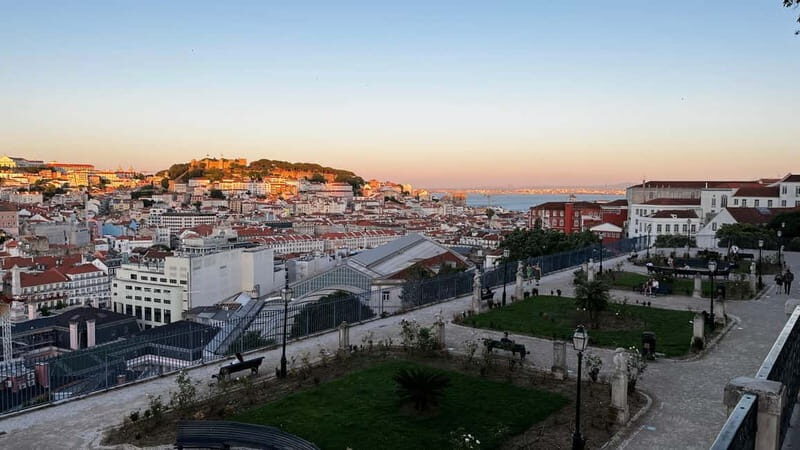
At Igreja de São Roque, you’re not just catching a church exterior. The tour includes time to see the interior and appreciate the rich decoration. Churches like this in Portugal aren’t plain. They’re visual storytelling—built to impress, comfort, and convince.
This stop matters because it trains your attention. After this, you’ll look at other facades and interiors differently. Instead of asking only what it looks like, you start asking why it was built and who it served.
Then you head to Largo do Carmo, where there’s another photo stop and a short break with coffee and local snack options. This is a practical pause for energy—exactly the kind of mid-walk recovery that keeps the tour from feeling like a sprint.
If you’re trying to use your day efficiently, this is a good moment to take your first “I get it now” breath. From here, Lisbon starts flowing toward the big historic core.

Santa Justa Lift, Chiado, and Rossio: The Old City with a Pulse
You’ll pass by Santa Justa Lift, again with a photo stop and guided explanation on the way. The lift is iconic, but the tour’s real value is that you’ll understand it as part of the city’s movement system—not just as a postcard.
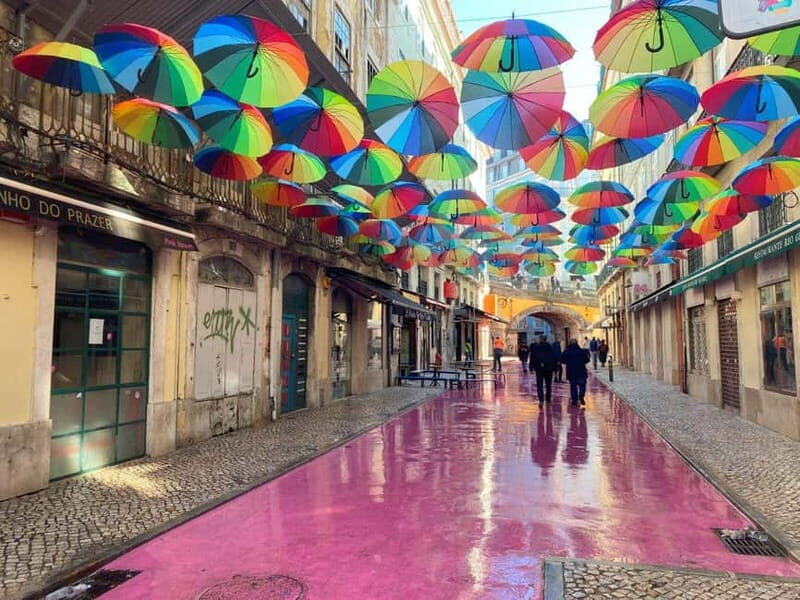
Then it’s onward to Chiado and Rossio Square. These areas sit at the intersection of old Lisbon and modern city life. Chiado brings you a more strolling, shopping-friendly feel. Rossio gives you a sense of scale and centrality—an important anchor if you plan to return later for independent walking.
This part of the tour is a reminder that Lisbon’s charm isn’t only in isolated scenic spots. It’s also in the way the streets connect, the way people move through squares, and how older structures coexist with day-to-day life.
Baixa de Lisboa and Rua da Prata: Where Navigation Becomes Easy
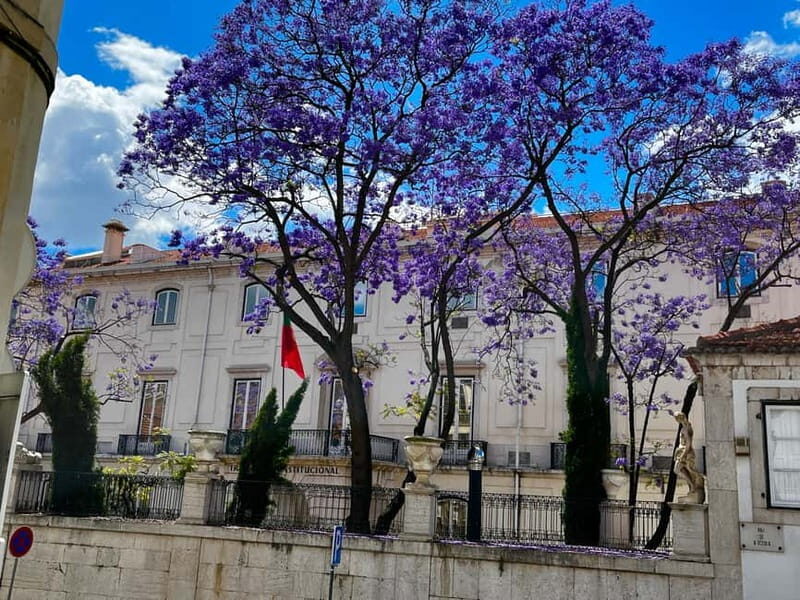
As you reach Baixa de Lisboa—the city’s downtown core—you’ll get a guided pass with time for photos and a chance to look into the shopping street rhythm. Baixa can be overwhelming without context, because everything is close together and full of visual noise.
That’s where the tour helps. By this stage, you’ve already learned the city’s “downhill logic,” so Baixa starts to feel legible. You can orient yourself without needing a constant map app.
Then you continue along Rua da Prata—another street stop where the atmosphere shifts into classic Lisbon downtown energy. This is where you’ll likely notice details you didn’t register earlier: shopfront designs, small architecture changes from block to block, and the way side streets peel off toward the river.
Pollux Stop: A Quick Piece of the City’s Pattern
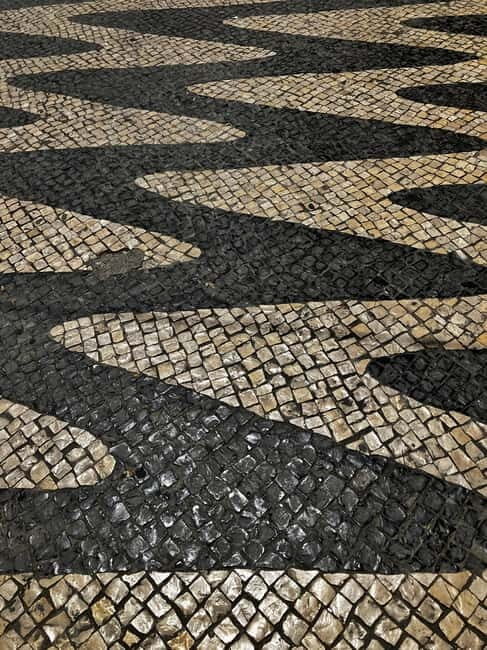
You’ll also have a Pollux guided stop on the route. The name itself signals this tour doesn’t only hit the most famous monuments; it also uses smaller reference points that help you build a mental map of the day.
I like this approach because it makes your independent time easier. Instead of only seeing highlights, you’re collecting “landmarks for later.” Even if you don’t remember every detail, you’ll remember how one area connects to the next.
Praça do Comércio (Terreiro do Paço): The Big River Finale

The tour ends at Praça do Comércio, also known as Terreiro do Paço, near the Lisbon metro station on the blue line. This is the finish that makes sense. You end in the open space that connects Lisbon’s historic center to the river-facing view.
It’s a satisfying end because the earlier viewpoints start paying off. If you’ve been paying attention, you’ll realize you’re not just walking downhill—you’re walking toward a city boundary where Lisbon turns outward.
This is also a practical finale. The area has restaurants, cafés, and shops, so you can extend the day without scrambling for ideas. You can do a relaxed post-tour meal while you still feel oriented.
What I’d Pack and How I’d Plan Your Day
The tour gives a simple packing list and I agree with it: comfortable shoes, a sun hat, water, and rain gear. Cobblestones plus steps plus a few photo stops can add up faster than you expect.
What to consider when scheduling: this is a 3-hour walk, but the sightseeing moments are active. If you schedule something tightly afterward, leave some buffer time. Lisbon views often lead to “just one more picture,” and it’s worth it.
Also note what’s not included. You won’t get museum tickets or drinks, so plan to cover your own water and any extra refreshments. The tour includes a coffee/snack moment around Largo do Carmo, but that doesn’t replace proper hydration.
Who Should Book This Tour
This walk is a strong pick if you want:
- A structured introduction to Lisbon neighborhoods (not just random sightseeing)
- Photo stops with guidance on what you’re actually seeing
- A guide who can connect stories, architecture, and everyday city life
- A small group pace that doesn’t feel rushed (max 7 people)
It may not fit if:
- You need step-free or smooth-surface routes (there are stairs and cobblestones)
- You’re traveling with children under 12
In practice, I’d say it suits adults and older teens who like walking, learning, and seeing Lisbon in a way that helps them return independently later.
Should You Book It? My Take
Book it if you want Lisbon to make sense by the end of the day. The best part is that you’re not only collecting views—you’re learning how to read the city: azulejo city layout, the meaning behind lift systems, and the way neighborhoods feel different at night.
Skip it if you’re very limited on mobility or you dislike uneven ground. Otherwise, for $23, 3 hours, and a careful Russian guide like Katia Literra, it’s a smart way to get oriented and still enjoy Lisbon’s most photogenic moments—without feeling like you’re chasing a checklist.
FAQ
How long is the tour?
It lasts about 3 hours (listed as 2.5–3 hours).
What is the meeting point?
You meet at the exit of the yellow metro line station Rato toward Rua Escola Politécnica, next to Chafariz do Largo do Rato. The guide holds a GetYourGuide sign.
Where does the tour end?
The tour ends at Praça do Comércio (Terreiro do Paço), near the metro station of the same name on the blue line.
Is the tour easy to walk?
It is mostly downhill and not described as physically difficult, but it does include cobblestones and sometimes stairs, so good shoes matter.
What language is the guide?
The live guide speaks Russian.
How big is the group?
It is a small group limited to up to 7 participants.
What should I bring?
Bring comfortable shoes, water, a sun hat, and rain gear.
Is it suitable for children or people with mobility impairments?
It is not suitable for children under 12. It is also not suitable for people with mobility impairments.